
REVIEW · WORKSHOPS
Beautiful Wagashi (Japanese Sweet) Making Class
Wagashi is art you can actually eat. This 1-hour Osaka class teaches you how to make nerikiri from simple ingredients and shape delicate flower designs. You also get a recipe pack for what you make, so the fun does not end when the timer does.
I especially love the small-group setup (max 8), which makes it easier to get help when your dough turns sticky or your flower shapes look a little lopsided. Another highlight is the focus on technique, not just eating, so you leave understanding why wagashi uses rice flour and bean paste and how it connects to tea ceremony sweets.
One possible drawback: the class is short, so you will not have time to master every step like a professional. Plan to be a beginner and let the instructor guide you step-by-step.
Key Wagashi Making Class Takeaways
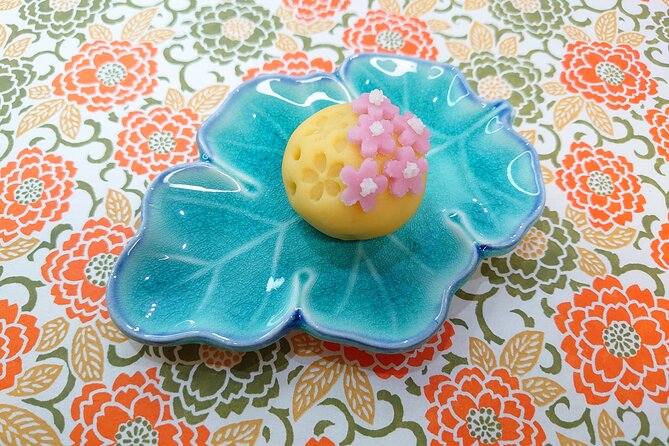
- Nerikiri technique in 1 hour: dough from scratch, shaping, and finishing with decorative elements
- Tea-ceremony style sweet: nerikiri is described as one of the highest quality wagashi types
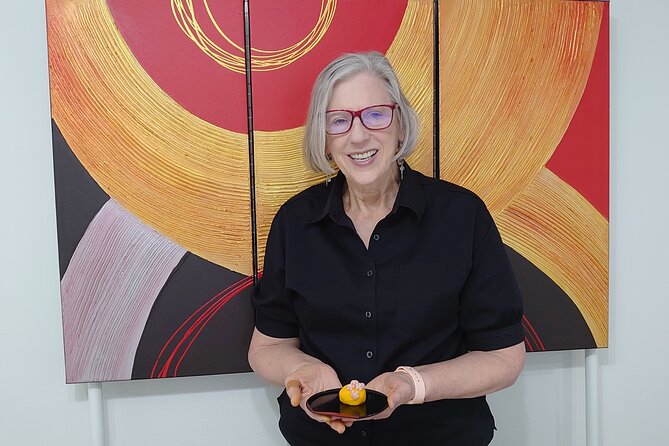
- Clear instructions and English support: one instructor named Fumi provided strong English translation in a reported class
- Veg-friendly by design: wagashi here uses rice flour and bean paste, and it can be enjoyed by vegans and vegetarians
- Hands-on creativity: color the dough and customize your flower decorations before eating
Wagashi 101 in Osaka, and Why Nerikiri Matters
If you want a food activity that feels both practical and artistic, this wagashi class hits the sweet spot. Wagashi (traditional Japanese sweets) may look delicate, but the underlying ingredients are refreshingly simple. In this class, you focus on white bean paste and glutinous rice flour, then turn that base into a nerikiri-style sweet.
The reason nerikiri is such a big deal is its role in the tea ceremony world. Nerikiri is described as a higher quality wagashi, so the class is not doing a rough imitation. Instead, you practice the same core approach: make the dough properly, color it gently, and shape it into decorative pieces that look intentional on the plate.
And yes, it is edible art. You will build something you can either eat right there or take away. That matters because food classes can be either instructional or indulgent. Here, you get both, without needing baking experience.
More things to make and take home
Price and what you get for $45.53
For $45.53 per person, you are paying for a compact, guided craft session that includes several things people often pay separately for on travel days: instruction, materials, and a take-home result.
Here is what that price realistically buys you:
- A small-group class in Osaka (max 8), which usually means more direct help when you get stuck.
- A full nerikiri workflow, starting from making the dough and ending with decorative shaping.
- Home recipes so you can recreate the steps later, not just remember the look.
- A finished sweet to eat in class or take away, so you are not leaving hungry.
If you have ever tried to follow Japanese dessert recipes without context, you know the frustrating part is not the ingredients. It is the texture and the technique. A 1-hour, guided format makes this more approachable. You get enough time to build confidence, while still leaving space for dinner plans.
One more value note: the description says the wagashi uses ingredients that can be enjoyed by vegans and vegetarians. So you are not paying for a meat or dairy workaround. It is a plant-forward sweet built on classic staples.
Where to meet near Banix Kitahorie (and how to not waste time)
The class meets at Banix 北堀江 Japan, 550-0014 Osaka, Nishi Ward, Kitahorie, 3-chōme62 システマギャラリー. The activity ends back at the same meeting point.
Two practical things to know:
- It is near public transportation, so you should be able to get there without a long taxi detour.
- The entrance can be a little tricky to find. One reported tip was that updated photos helped locate the doorway. So give yourself a few minutes extra, compare the address carefully, and check your route the day of the class.
For timing, this is an around-1-hour session. In other words, if you arrive late, you will cut into the hands-on part. Plan to show up early enough to settle in.
Also, you are using a mobile ticket, and confirmation is received within 48 hours of booking (subject to availability). That is helpful because you can finalize the plan quickly once your schedule firms up.
What you do in class: nerikiri from dough to flower design
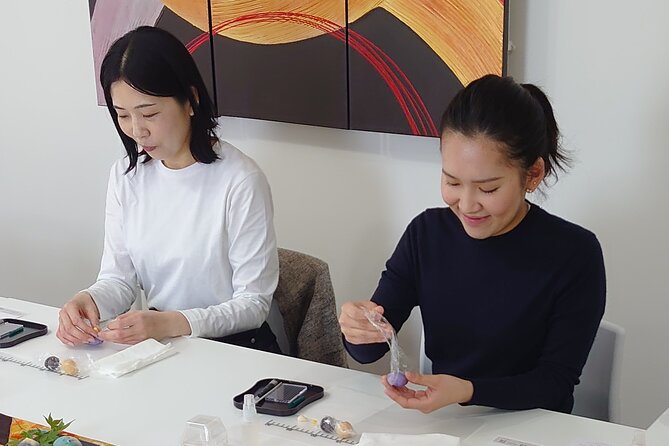
This class is built around a clear sequence. You make the dough from scratch, then you color it, then you shape it into decorative forms. The steps may sound simple on paper, but that is exactly why it works as a beginner-friendly craft.
Step 1: Make the dough
You start with the base materials: white bean paste and glutinous rice flour. The class description specifically says you learn how to make the dough from scratch. That is your foundation.
Why this matters: wagashi texture is not forgiving. Get the dough wrong and everything after it becomes harder. By doing this with guidance, you learn what the dough should feel like and how to correct course while you are still in the learning phase.

Step 2: Color the dough
Next comes the color. Wagashi colors are delicate by design. You will color the dough in gentle shades, then use that colored dough for decorative details.
This is where you will feel the creative part kick in. You can customize, and you get to choose how your flower shapes look, not just follow a single preset design.
Step 3: Shape decorative flowers and garnish
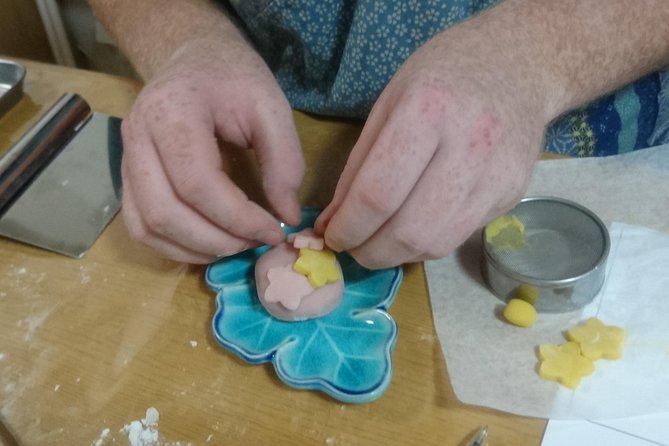
After coloring, you create decorative flowers from the dough. Then you shape the dough into balls and garnish with those flower pieces.
Even if your first attempt looks uneven, you are still doing the right thing: wagashi is about intentional form and careful finishing, not perfection on the first try. The class description notes that this process requires some skill, but it also promises satisfaction once you finish. In reported feedback, people repeatedly said the instructions were clear and they ended up with beautiful, delicious results.
Step 4: Final touches, photos, and eating
Once you are done shaping and garnishing, you get a moment that can feel oddly cinematic. Take photos of your wagashi before you eat it. The class explicitly encourages photos, and it is a good move because the shapes are the whole point.
Then you can eat it there or take it away.
Small group help you can actually feel
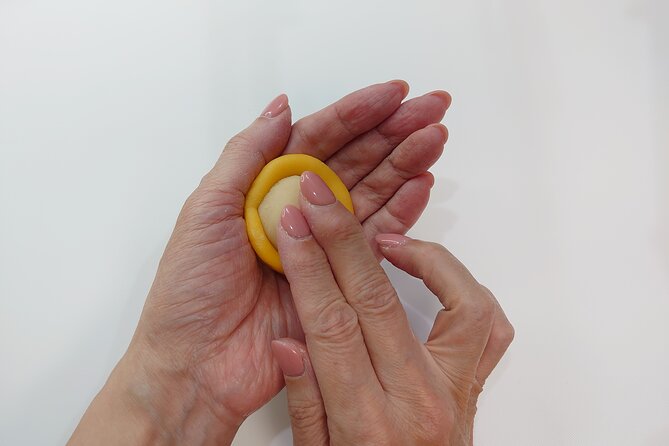
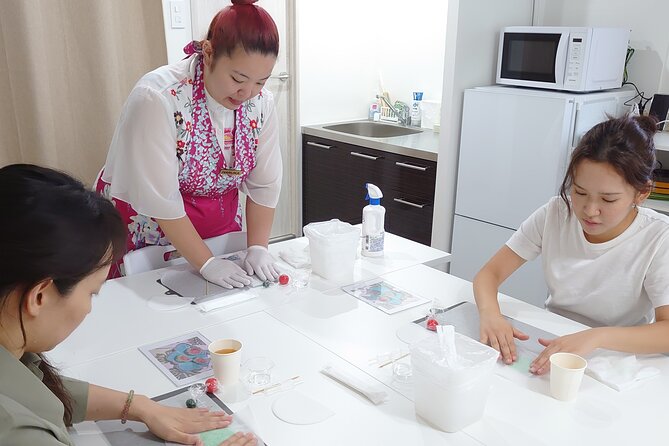
A lot of cooking classes say small-group. This one also sets a real limit: maximum 8 travelers. That matters because wagashi is tactile. You cannot rush it. You need someone to glance at your dough and say, add a bit more, slow down, adjust the shape, try again.
In one reported class experience, the instructor named Fumi led the group and provided great English translation. That is a huge practical advantage if your Japanese is limited. Clear instructions reduce the stress of learning a new food craft.
You also get a supportive vibe because you are not competing for attention. It is not a lecture. It is a workshop.
And yes, the class can be social in a good way. One review specifically described enjoying conversation with the instructor because it was a smaller group setup.
A possible extra treat: matcha and Japanese instruments
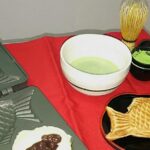
One review mentioned an added bonus: making matcha tea with Japanese instruments. The core class is wagashi-making, but that kind of cultural add-on can be a nice way to connect what you made to how wagashi is commonly enjoyed.
What should you do with this info? Keep your expectations flexible. Even if you did not see that detail in your booking description, a small ceremonial element can happen in some classes. If it is offered in your session, treat it like the cherry on top, not the main event.
Recipes to take home, and why that makes the class worth repeating
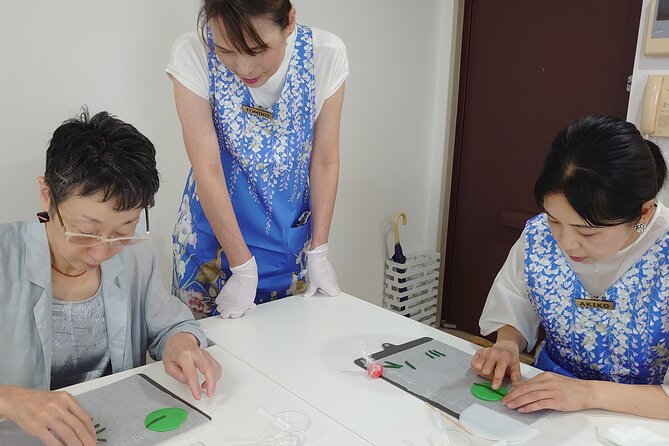
Getting a recipe pack is where this experience becomes more than a one-time souvenir.
The class description says you receive recipes for Japanese sweets to make at home. That is exactly what you want if you are a foodie or a baking enthusiast who likes to replicate flavors and textures, not just taste something once.
Here is the value in practical terms:
- You can try again with better control over your timing.
- You can share what you learn with friends without trying to translate a vague memory.
- You can build a small wagashi routine instead of chasing new classes every trip day.
Also, because the base ingredients are rice flour and beans, you are not dealing with weird powders that disappear from regular grocery stores. The recipe pack will help you source and use what you need properly.
Who this wagashi class fits best (and who should think twice)
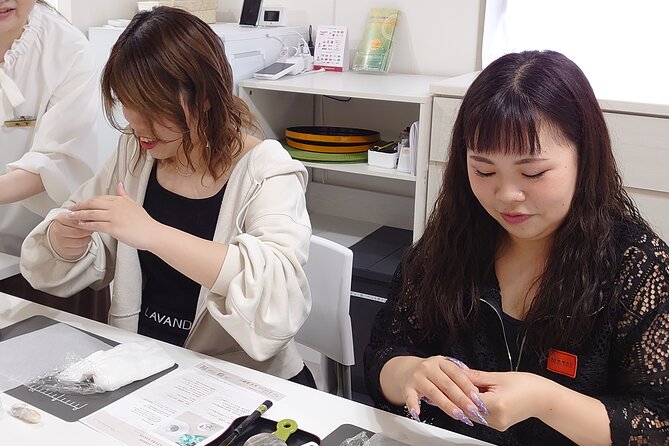
This class is a strong match if you:
- Like hands-on food experiences and want technique, not just tasting
- Enjoy creative shaping and color work
- Want a Japanese sweet that fits different dietary preferences, since it can be enjoyed by vegans and vegetarians
- Appreciate small-group instruction and clear English support
It also fits well if you are traveling with a friend and want a shared activity that is calmer than a big walking tour.
Who might think twice:
- If you expect a long, deep baking session, this is about 1 hour. You will learn the fundamentals and finish a sweet, but you will not train like a pastry apprentice.
- If you want only eating and no craft, you may find the shaping steps take focus. Still, the result is the fun part.
Bottom line: if you like making things with your hands and you want a cultural food activity that feels both traditional and approachable, this works.
Eating it, taking it away, and making your photos Instagram-worthy without stress
Your finished wagashi is meant to be eaten. The class says you can enjoy it at the end of class or take it away.
That flexibility is helpful for travel pacing. If you are not ready for dessert yet, box it up and enjoy later. If you want the full experience, eat it while it is fresh and still tied to the moment you made it.
And take photos before you eat. The reason is simple: nerikiri shapes are delicate, and once you bite in, the design becomes a memory. Taking pictures during the last step also helps you track what you did so you can follow the recipe later at home.
What to expect overall: organized, beginner-friendly, and satisfying
The repeated theme in feedback is that the class is organized and easy to follow. People described instructions as clear and mentioned leaving with sweets that looked good and tasted delicious.
That is the perfect combo for a short cooking class. You are not spending your time confused. You are learning the flow and getting to finish.
Also, one review said they ended up with two lovely and delicious sweets. While your final number may vary depending on your pace and how the session flows, the activity is designed so you can complete attractive servings rather than just practicing one small sample piece.
Should you book this wagashi class in Osaka?
Yes, if you want a high-value, hands-on Osaka food experience that combines technique, creativity, and a take-home recipe. At $45.53 for a guided 1-hour class with a max group size of 8, it is a practical way to learn something you can actually repeat.
You should book it especially if:
- You want nerikiri specifically, not a generic sweets demo
- You care about instructions and guidance, including English support you can rely on
- You are traveling with food curiosity and want something more hands-on than a meal-only stop
Skip it if you only want to eat and have zero interest in shaping and coloring dough. This class is built for doing, not watching.
If you do book, go in with a beginner mindset. Give yourself a little time to find the Sistemagallery entrance at Banix Kitahorie, take photos at the end, and then use the recipes soon after you get home while the texture is still fresh in your mind.
Make Something to Take Home

More Tour Reviews in Osaka




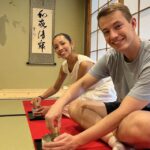
Latest out of Osaka


Workshops, side by side.
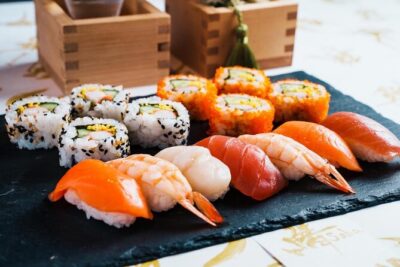 ★ 5.0Sushi Making Osaka Roll and Authentic Japanese Sushi ClassFrom $311,220 reviews
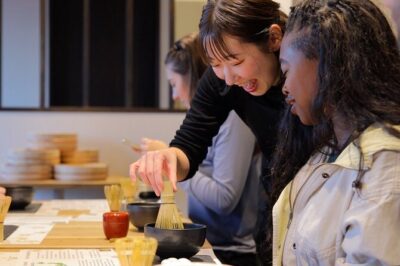 ★ 5.0Matcha Making Class in Osaka with Authentic Japanese Sweets SetFrom $21509 reviews
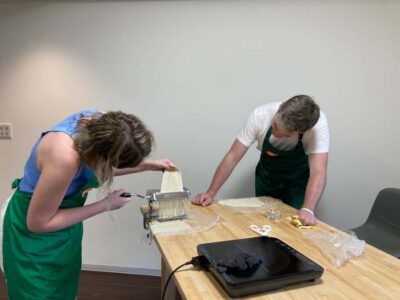 ★ 5.0Osaka: Ramen and Gyoza Cooking Class in DotonboriFrom $70378 reviews
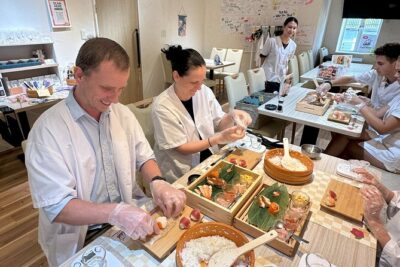 ★ 5.0Osaka Sushi Making Class – Hands-On Nigiri & Rolls (Same-Day OK)From $33352 reviews
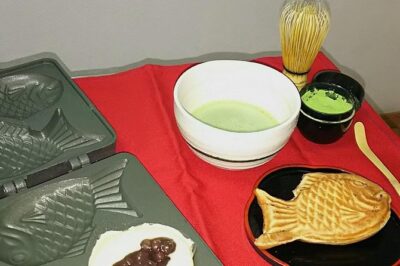 ★ 5.0Osaka Cooking Class: Okonomiyaki &Japanese cuisines experienceFrom $104261 reviews
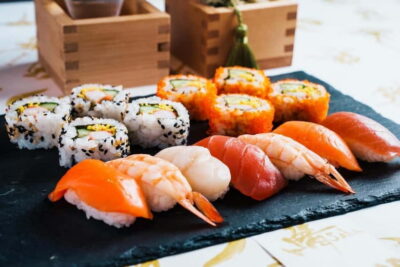 ★ 4.9Osaka: Roll and Authentic Sushi Making Class in DotonboriFrom $45239 reviews
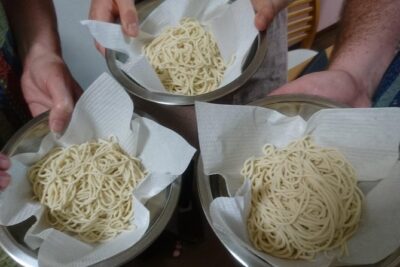 ★ 5.0Ramen and Gyoza Cooking Class in OsakaFrom $79202 reviews
 ★ 4.9Osaka: Sushi Class in DotonboriFrom $67160 reviews
Also worth a look in