
REVIEW · DOTONBORI NEON & STREET FOOD WALKS
Sushi Class in Osaka Dotonbori
Three sushi types in one morning. I love the small class size and apron-provided setup, and you make three sushi types with step-by-step help. One drawback to plan for: the meeting building can be tricky to find at first.
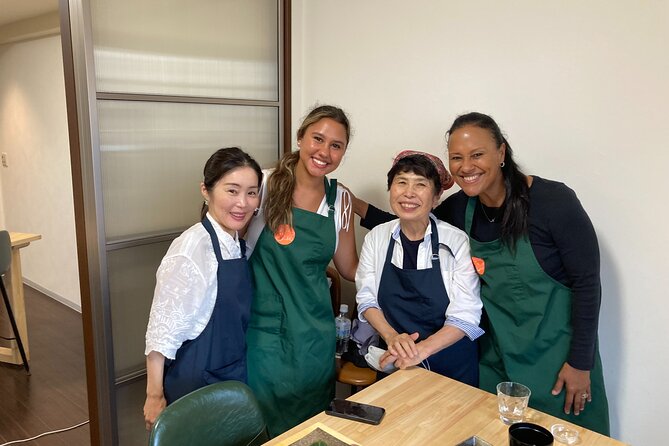
What makes this class especially worth your time is the way it’s taught. Instructors such as Sakura cook, Ami and Jaimi, and Yoshi are repeatedly praised for clear pacing, patient explanations, and room for questions, even for total beginners.
You also get useful flexibility if you eat differently. Vegetarian options (with eggs or with no eggs) and a gluten-free option are available, but you need to request them when you book.
Key highlights you will actually care about

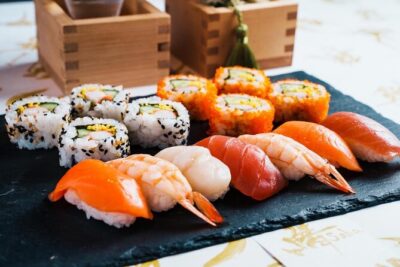
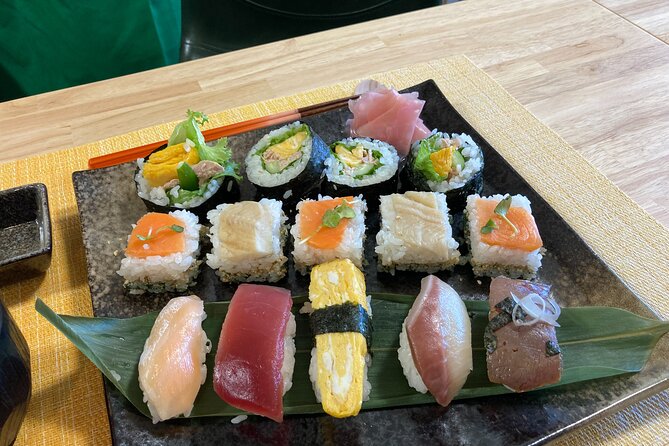
- Three sushi styles in one session: salad roll, nigiri, and oshizushi (box sushi)
- Small group, hands-on teaching with a maximum of 8 travelers
- You get set up for success with an apron and prepped ingredients
- Oshizushi is classic Kansai style and you cut a square box sushi right before eating
- Dietary flexibility on request for vegetarian and gluten-free diners
Finding Masters Residence Dotonbori I and Room 807
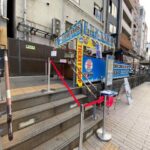
This class is set in the Dotonbori area, but the details matter because the entrance is easy to miss. When you arrive at Masters Residence Dotonbori I, you are heading for Room 807. Press 807, then hit the 呼出 (call) button so the staff can open the door.
A few practical notes that can save you time: use a map app, but double-check the exact building name. Some people have gotten sent to the building across the street due to map confusion, then had to locate the correct placard for Masters Residence Dotonburi I. Get there a touch early, so you are not rushing before class time.
The class start time is 9:30 am, and the activity ends back at the meeting point afterward.
More of the canal after dark
Price and value: why $71.16 makes sense here
At $71.16 per person for about 3 hours, this is not a quick snack activity. What you are paying for is the structure: a small group, guided technique practice, and ingredients ready for you to assemble.
You do not just watch a chef work. The format is hands-on, and you end by eating what you make, with miso soup included. That matters in Japan, where sushi training often costs more if you try to replicate it on your own later. This class gives you a repeatable skill, not just a meal.
Also, it tends to sell steadily. The average booking window is about 74 days in advance, so if Dotonbori is your anchor for the day, it is smart to book early rather than gamble.
How the 3-hour class flows (and why it feels personal)
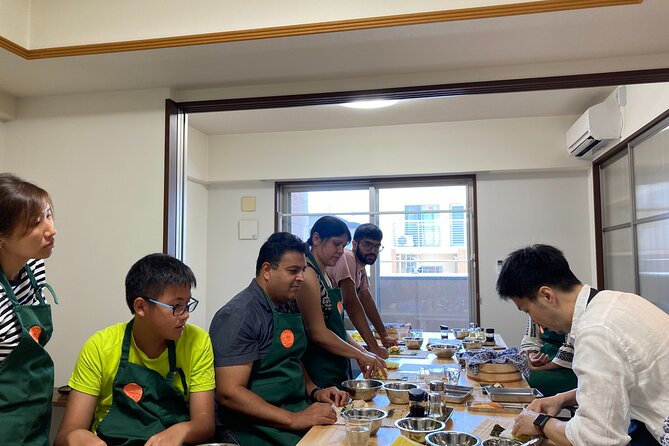
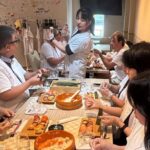
The experience is built for real participation. With a maximum of 8 travelers, you are not stuck waiting for a moment when the instructor looks up. You can ask questions, get feedback, and correct techniques before they stick.
Expect the day to run like this:
- you arrive, get oriented, and settle in
- you make three types of sushi, one skill at a time
- you get guidance on the right methods, not vague tips
- you finish with a sit-down meal of your own sushi plus miso soup
Many people specifically like the pace. The teaching style is described as patient and never rushed, which is ideal if you are new to rice handling, nori, or rolling basics.
Sushi number one: the salad roll with tamagoyaki core
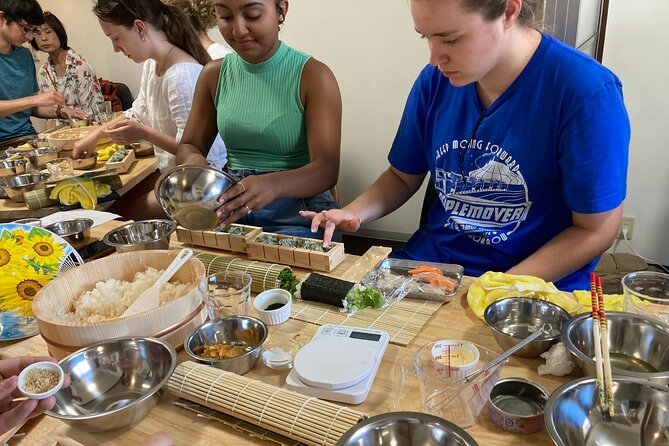
Your first build is a salad roll, a kind of sushi roll that combines cool crunch with creamy richness.
Here is what goes into it:
- crab-flavored kamaboko
- lettuce and cucumber
- avocado
- tuna mixed with mayonnaise
- nori wrap
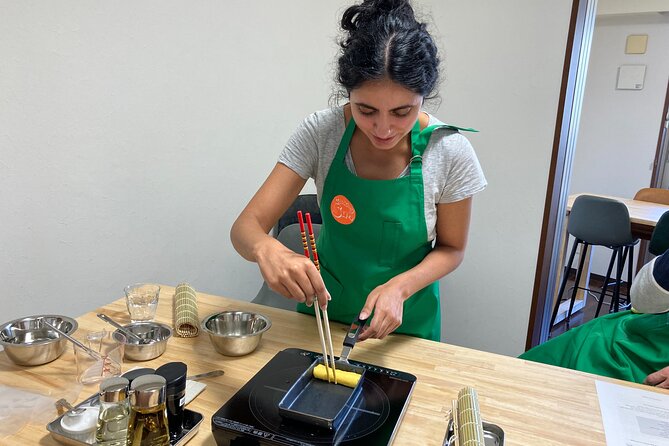
- a core of tamagoyaki (Japanese rolled omelet)
From a technique standpoint, the key idea is balance. You are mixing flavors and textures, but you are also learning how to assemble so the roll holds together without turning into a squished mess. Since ingredients are prepared for you, you can focus on assembly and method instead of cutting everything from scratch.
This is a great choice for beginners because it is forgiving. You get to practice handling nori and building a roll, but you are not starting with the hardest form first.
Nigiri: building the rice to topping ratio
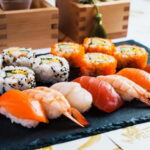
Next comes nigiri-zushi, one of Japan’s signature sushi styles. The concept is simple: vinegared rice topped with sushi ingredients like fish, shellfish, or omelet.
In this class, you learn what matters most for nigiri:
- how much rice to use so the bite feels right
- how the rice shape supports the topping
- how to think about the topping as the finishing element, not the main body
Nigiri is where many people discover they have been thinking about sushi wrong. It is not only about taste. It is about structure. Too much rice and it becomes heavy. Too little and the topping feels loose.
Because teachers guide you through each step, you get feedback in the moment. That is a big reason this class gets strong ratings for being beginner-friendly.
More rice, more knife work
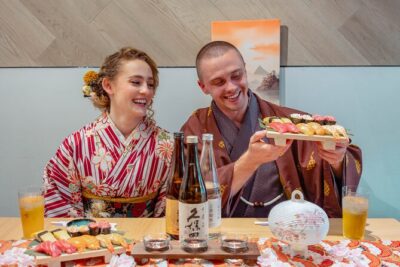
Oshizushi (box sushi): Kansai pressing, square form, quick cutting
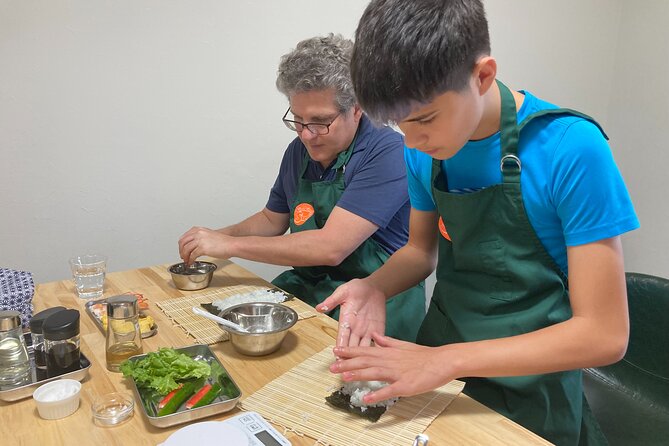
The third sushi is oshi-zushi, called pressed sushi. In Osaka, you will also hear it called box sushi, and it is still popular in the region.
The process is very different from rolling or shaping nigiri. You:
- fill a square wooden frame with sushi rice and toppings
- press so the rice sticks to the toppings
- get a finished square that you cut into pieces right before eating
That last part is practical. Because it is cut for serving, you can keep the texture firm and neat. The class teaches you how to make that square form work, which is valuable if you ever want to recreate Kansai-style sushi at home.
Why I like including oshizushi here: it gives you variety in technique. You walk out not just knowing one sushi method, but three distinct approaches to the same core ingredient, vinegared rice.
The end meal: your sushi, miso soup, and a real sense of closure
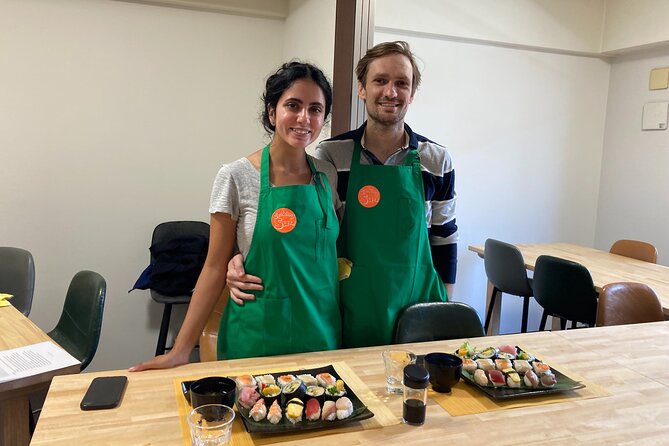
At the finish, you eat what you made alongside miso soup. This is not a separate restaurant stop. It is part of the class rhythm, so your learning and your payoff happen at the same time.
It also gives you an immediate reality check. If one roll was too tight, you notice the bite. If nigiri rice felt off, you feel it. If oshizushi pieces were too thick, you taste the balance.
And yes, people describe the sushi quality as standout. Since ingredients are prepared for you and taught step-by-step, the result is usually more impressive than first-timers expect.
Vegetarian and gluten-free options you can actually request
If you are eating vegetarian, you do not have to sit out. A vegetarian option is available, with choices of with eggs or with no eggs. There is also a gluten-free option, and you need to request it when you book.
This matters because sushi classes can be all-or-nothing. Here, you can still make all three types of sushi in a way that matches your diet needs. Just remember: you should submit your requirement at booking time so the kitchen can prep accordingly.
Who this class is best for (and when to skip)
This works well if:
- you want a hands-on food lesson without complicated prep work
- you are traveling solo or with a small group, since the limit is 8
- you like learning technique and not just eating
- you want a Japanese cooking activity that still feels manageable in a busy day
It may not be the best fit if:
- you prefer large-group, high-energy tours and do not like a calmer class pace
- you struggle with finding small, room-based locations, since the meeting point is inside a building and you should press the call button for access
If you are someone who likes structured learning, you will probably enjoy the format a lot.
Practical tips to make your 9:30 start painless
A few small things can prevent a frustrating start:
- arrive early enough to verify you are at Masters Residence Dotonbori I and not the nearby building across the way
- when you reach the building, press Room 807 and the 呼出 (call) button
- if you have dietary needs, make sure you requested vegetarian and/or gluten-free at booking
One more tip: wear something comfortable. Rice, nori, and sushi assembly can get a little messy, and having an apron helps, but you still want to move easily.
Should you book Sushi Class in Osaka Dotonbori?
If your goal is to leave Osaka with both a great meal and a real cooking skill, I think this is an easy yes. You get three sushi styles in about 3 hours, in a small group with instructors such as Sakura cook, Ami and Jaimi, and Yoshi who are praised for patient, step-by-step teaching. The class wraps with food you made yourself and miso soup, so you do not feel like you paid for instruction only.
Book it sooner rather than later if you want a specific morning, since it often gets reserved about 74 days ahead. And if you are vegetarian or need gluten-free, make the request during booking to avoid surprises.
If you want, tell me your travel dates and whether you eat eggs or gluten-free, and I will suggest how to plan this around a Dotonbori morning schedule.
More Tour Reviews in Osaka




More Rice and Knife Work


The Canal After Dark, Continued

Latest out of Osaka


Dotonbori Neon & Street Food Walks, side by side.
 ★ 5.0Osaka Local Foodie Walking Tour in Dotonbori and ShinsekaiFrom $111985 reviews
 ★ 5.0Ultimate Osaka Walking Tour: Castle, Dotonbori & Hidden GemsFrom $73862 reviews
 ★ 5.0Tea Ceremony Experience in Osaka DoutonboriFrom $20754 reviews
 ★ 5.0Osaka: Ramen and Gyoza Cooking Class in DotonboriFrom $70378 reviews
Osaka: Dotonbori River Cruise with Glico Sign & Neon ViewsFrom $12376 reviews
★ 5.0Osaka: Ramen and Gyoza Cooking Class in DotonboriFrom $70378 reviews
Osaka: Dotonbori River Cruise with Glico Sign & Neon ViewsFrom $12376 reviews
 ★ 3.9Osaka: Dotonbori’s Bridges 20-Minute CruiseFrom $12303 reviews
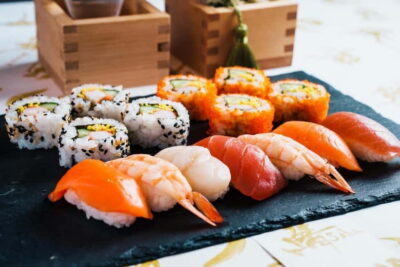 ★ 4.9Osaka: Roll and Authentic Sushi Making Class in DotonboriFrom $45239 reviews
 ★ 5.0Osaka Local Bar Crawl in Dotombori & Uranamba AreaFrom $26199 reviews
Also worth a look in