
REVIEW · OSAKA CALLIGRAPHY & ARTISAN WORKSHOPS
Osaka: Traditional Japanese Ikebana Flower Art Experience
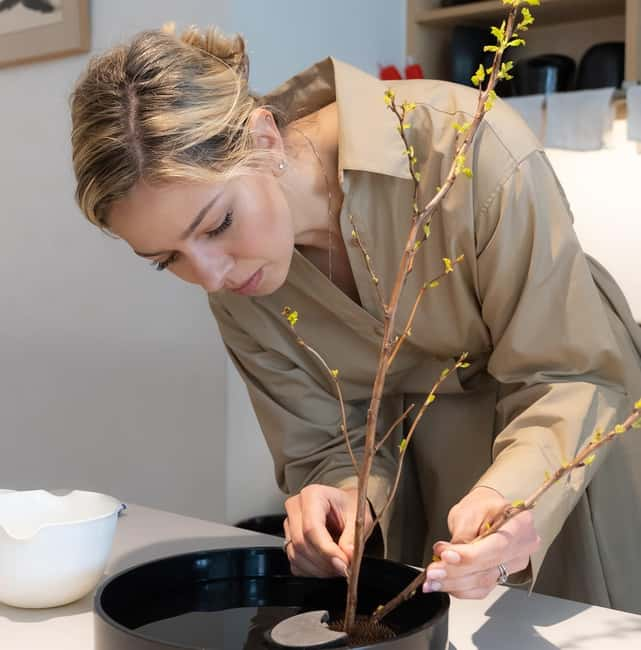
Flowers, rules, and calm focus. This hands-on Ikebana class in Osaka takes you into the art of Japanese flower arrangement in a simple, modern gallery, guided by Sogetsu master Fooraku.
I love that you do the work, not just watch. You create your own arrangement using provided scissors, containers, and flowers, and you leave with practical technique you can use again at home.
One consideration: since it is hands-on with real plants, you should flag any plant allergies in advance, so they can plan accordingly.
Key points at a glance
- Sogetsu instruction from Fooraku (30+ years), with guidance on both design and philosophy
- Small group of 6, so you get help while you build your arrangement
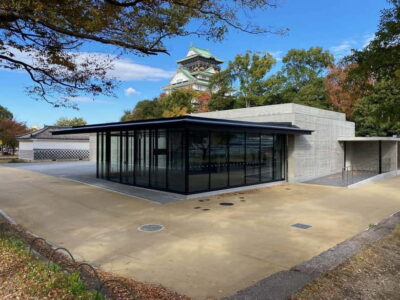
- VADE MECVM Showroom #2 in Kyomachibori, a quiet modern space that matches the Ikebana aesthetic
- Learn core principles like balance, line, form, and space
- Included commemorative photo, plus time for friendly cultural conversation afterward
Why Ikebana in Osaka feels different from a quick activity
Ikebana is not just about making something pretty. It is a way of thinking, where the arrangement uses negative space and strong line to show a relationship between nature and human design. In this Osaka workshop, you feel that right away because you are not scrolling through examples, you are making choices with your own hands.
The setting helps too. The workshop takes place at VADE MECVM Showroom #2 in Kyomachibori, a calm, modern gallery space. That matters, because Ikebana works best when you are not rushed or distracted. If you like Japan for its quiet order and attention to detail, this format will feel natural.
You also get a real cultural pairing, art plus conversation. After the hands-on session, there is time for a cultural exchange, where you can talk freely and ask about daily life, traditions, and food. That social piece is not loud or performative. It is more like a relaxed end to a focused class.
More ink, more craft benches
Meet Fooraku and learn what Sogetsu actually teaches
This workshop is led by Fooraku, a senior master of the Sogetsu School with 30+ years of experience. That title is not just marketing. You can feel it in how instruction is described here, because you learn both the technical side and the philosophy behind the choices.
You are taught core principles that show up in almost every Ikebana style: balance, line, form, and space. In plain terms, these are the tools that help your arrangement look intentional, even if you are a beginner. Balance is not only about symmetry. It is about how weight and visual rhythm feel. Line is the backbone, what your stems are doing in space. Form is the shape and structure you create. Space is the part people miss when they only think about flowers.
Sogetsu is also described here as blending tradition with a modern sensibility, and that is a big reason the class works for visitors. You do not need to already know the history or have special supplies. The goal is you walking out with a clear method, not just a cool souvenir.
VADE MECVM Showroom #2: the calm, modern place that supports the art
The workshop happens in a simple and modern gallery, and the tone is quiet. That is a practical detail worth caring about. Ikebana is more precise than it looks in photos, and the classroom vibe matters because you are working with real stems and cutting tools.
Kyomachibori is one of those Osaka areas where you can feel the city, but the gallery itself keeps things contained. You get an atmosphere that suits minimalist Japanese aesthetics, which is exactly what Ikebana depends on. If your plan for Osaka includes loud streets all day, this is a nice change of pace.
Also, the venue is described as easy to get to and stylish. From a value perspective, that is underrated. When a class is in a comfortable, straightforward space, you spend less mental energy “figuring things out” and more energy actually learning.
Your 1 hour 45 minutes flow, from materials to your arrangement
The timing is about 1 hour 45 minutes for the workshop portion, with the full experience running about 2 hours total depending on the schedule. With a small group of up to 6, the pacing stays hands-on instead of turning into a demo you watch from the sidelines.
Here is the real flow you can expect:
First, you step into the gallery and start the class with the instructor guiding you. Because it is for beginners, you are not expected to arrive with knowledge or special tools. Everything you need is provided: flowers, containers, and scissors.
Then you learn the principles and how to apply them. Instead of arbitrary step-by-step instructions that lock you into one look, you are guided through how to think: balance, line, form, and space. This is where you start shaping your arrangement beyond just “put stems in a vase.”
After that, you build your own composition. Your assignment is not to copy a sample perfectly. It is to create something unique with the materials you get. That is a key point for value. When you finish, you do not just have proof you attended, you have a method you can repeat.
The class also includes a commemorative photo of your arrangement. This is not a gimmick. It helps you remember what your choices looked like, and it gives you something you can reference later when you try it again at home.
Learning the principles: balance, line, form, and space in real life
The four principles sound academic, but the payoff is practical. Here is how each one usually shows up while you work, and why it matters for beginners.
Balance teaches you to distribute visual weight. Even if two sides look different, the arrangement should feel stable. You are learning what “right” looks like when there is no obvious symmetry rule.
Line is your stems, your angles, and the way your arrangement draws the eye. Strong line is what makes an arrangement feel designed, not random. It also helps you stop thinking you need to fill every empty spot.
Form gives structure to the overall silhouette. The form might be minimal, but it should look intentional. Form is where your arrangement starts communicating a mood.
Space is the secret weapon. Ikebana uses empty area as part of the design. If you have ever arranged flowers at home and felt like the result looked crowded, space is the principle that fixes that feeling.
One reason this workshop is often a favorite is that you get instruction from someone with decades of practice, and the guidance is designed to be usable right away. You are not stuck with vague advice. You leave with a set of concepts you can apply later.

What you walk away with: skills you can repeat at home
The class includes more than an arrangement. You are gaining practical skills, and that is a big deal because flower arranging workshops can sometimes feel like a one-time craft night.
Here, the intention is that you can keep using the ideas. You learn a way to see: how space matters, how line controls the mood, and how balance keeps the arrangement grounded. Even if you use different flowers at home, those principles still carry.
And because all materials are provided, you do not need to hunt for a special container or extra tools before your class. That is also part of the value. Your first attempt is guided, so you are not paying for frustration.
If you like arts and crafts but also care about cultural meaning, this is a solid combo. One of the benefits of the smaller group format is that the instructor can adapt guidance to your pace, which helps you leave feeling confident rather than just impressed.
The cultural exchange time, why it can be the best part
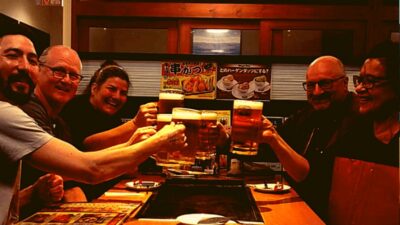
After the main workshop, there is time for a cultural exchange session. This is where you can relax and talk freely with others. The conversation topics described include Japanese traditions, food, and daily life, and you can share your own culture too.
This matters because it turns the experience into more than a class. You get to ask questions in a friendly setting, and you can hear other perspectives from the group. In my view, that is one of the most memorable parts of cultural workshops, because language and small details often show up in conversation, not in printed guidebooks.
If you are traveling alone, this part can also help you feel less isolated. A small group of 6 plus a talk time makes it easier to connect without feeling like you are forcing it.
Price and value: is $103 worth it
At $103 per person, this is not a budget craft activity. So the key question is whether you get enough to justify it.
Here is the value case that makes sense:
- You are learning from a Sogetsu senior master with 30+ years of experience. Instruction from someone with that depth usually costs more than DIY classes.
- All materials are included, meaning you are not paying extra for flowers, containers, or scissors.
- You get a commemorative photo, which adds a nice keepsake component without you needing to manage your own timing.
- You also get a small group format (limited to 6), which improves the learning experience because you are not competing for attention.
- Finally, you get the cultural exchange portion. That is harder to put a price on, but it often makes the experience feel more complete.
A realistic consideration: if your goal is to buy a few flowers and do something similar at home for cheaper, this will not beat a local store’s price. But if your goal is guided learning with cultural context and a chance to ask questions, the cost is more understandable.
Also, the workshop length is about 1 hour 45 minutes, which is long enough to learn, create, and feel proud of your result. It is not rushed into a quick photo opportunity.
Who should book this Osaka Ikebana experience
This class is a strong fit if you:
- Want something hands-on in Osaka, not just sightseeing
- Care about Japanese culture and design thinking
- Like structured learning but still want creativity in the final arrangement
- Prefer a calm setting over a noisy group tour
It is also a good choice if you are a complete beginner. The description explicitly says no prior knowledge or special tools are required, and that the class is open to beginners and art lovers.
It might be less ideal if you:
- Have strict time limits, because the workshop is about 2 hours total
- Have plant allergies, unless you notify them in advance and confirm arrangements will be handled appropriately
- Dislike guided art sessions and want fully self-directed time
Should you book this Ikebana workshop in Osaka?
I think you should book it if you want a meaningful Osaka experience that is both creative and practical. The biggest reasons are simple: you learn from Fooraku, you create your own arrangement with provided materials, and the setting at VADE MECVM Showroom #2 supports the quiet focus that Ikebana requires.
If you are the type of traveler who likes to learn a skill you can repeat, not just see something pretty, this fits your style. And if you enjoy conversations, the cultural exchange time can turn a good class into a truly memorable one.
If the idea of working with real plants is a concern for you, send a note about allergies before you go. Do that, and you can focus on the fun part, making something intentionally beautiful.
FAQ
How long is the Ikebana workshop in Osaka?
The workshop runs about 1 hour 45 minutes, and the overall experience is listed as about 2 hours.
Where does the workshop take place?
It takes place at VADE MECVM Showroom #2 in Kyomachibori, Osaka.
Is the class taught in English?
Yes, the workshop is conducted in English.
What is included in the $103 per person price?
You get the Ikebana workshop, instruction by a Sogetsu master, all necessary tools and materials (scissors, vases, flowers), a commemorative photo, and a cultural exchange session.
Do I need my own flowers or tools?
No. All materials are provided, including scissors, containers, and flowers.
How many people are in a group?
The group is small, limited to 6 participants.
Is the experience wheelchair accessible?
Yes, it is wheelchair accessible.
What if I have plant allergies or want a private session?
You should inform them in advance if you have any plant allergies. Custom and private sessions are available upon request.
Is there free cancellation and a reserve option without paying yet?
Free cancellation is available up to 24 hours in advance for a full refund. There is also a reserve now, pay later option so you can book without paying today.
More Tour Reviews in Osaka


Brush, Ink and Workbench
Latest out of Osaka


Osaka Calligraphy & Artisan Workshops, side by side.
 ★ 5.0Osaka: Private Japanese Calligraphy ExperienceFrom $5166 reviews
 ★ 5.0Osaka: Traditional Japanese Ceramics Private ExperienceFrom $9657 reviews
 ★ 5.0Calligraphy Workshop in Namba, DotonboriFrom $4957 reviews
 ★ 4.5Learning Zen of Japanese Calligraphy in kimono near Osaka CastleFrom $4353 reviews
 ★ 5.0Osaka: Private Tea Ceremony and Calligraphy ExperienceFrom $6450 reviews
 ★ 5.0Osaka: Private Japanese Traditional Ceramics ExperienceFrom $9429 reviews
 ★ 5.0Samurai dress-up and shows, plus Tea Ceremony & CalligraphyFrom $12327 reviews
 ★ 4.9Osaka: Temple Tour and Traditional Calligraphy LessonFrom $2024 reviews
Also worth a look in