
REVIEW · TEA CEREMONY & MATCHA SESSIONS IN OSAKA
Osaka: Tea Ceremony, Calligraphy, and Kimono Experience
Three arts, one calm afternoon in Osaka. At Sazanka in Tennoji, you get tea, calligraphy, and kimono fitting in one private, climate-controlled setting, with English-speaking guidance that makes the steps feel easy. I especially like how beginner-friendly the process is, so you can focus on doing, not decoding.
What I also like a lot is that you can take photos in your kimono and bring home your calligraphy as a keepsake. One possible drawback: the experience is concentrated in one studio stop, so you will want to plan nearby time for sightseeing instead of expecting a tour that moves around the city a lot.
Key highlights you should care about
- Private studio time at Sazanka, with a peaceful indoor setup that helps you beat Osaka heat
- Kimono rental plus dressing service, including obi and accessories, so you are not wrestling fabric on your own
- Tea ceremony basics with matcha and sweets, explained in a friendly, learn-as-you-go way
- Calligraphy with tools and paper provided, plus a finished piece you can take home
- Photo-friendly kimono moments, so you get that Japanese outfit memory you came for
Sazanka in Tennoji Ward: A calm Osaka base for three arts
Central Osaka can feel fast. This experience gives you a quiet reset in a serene, indoor space at 山茶花 Sazanka Osaka, Tennoji Ward (Uehonmachi). The studio setting matters because the session is climate-controlled, which is a big deal when Osaka weather is doing its own thing.
You meet at the Sazanka address listed at 5-chōme721 early Kawah building, 2階 (the meeting point is clearly provided), and the activity ends back there. That means you are not trying to coordinate multiple places or make last-minute decisions mid-session.
Also, the tour is private. That is a practical win for comfort and focus, especially if you want pictures in your kimono without feeling rushed. And since the guidance is in English, you are not left guessing at cultural details that could otherwise feel intimidating.
Quieter hours: more tea rooms
Dressing in a full kimono: What you do, what you get, and how not to stress
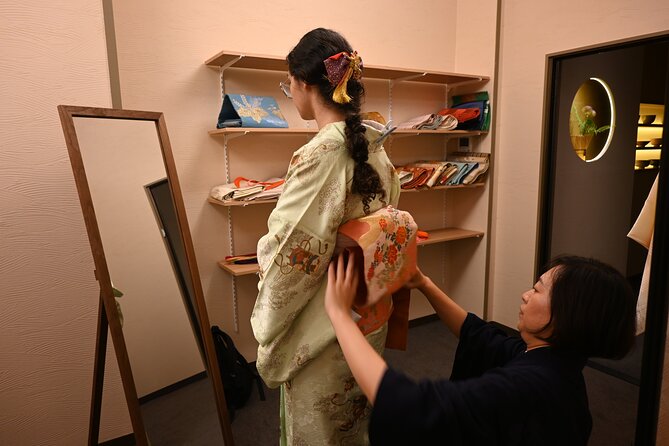
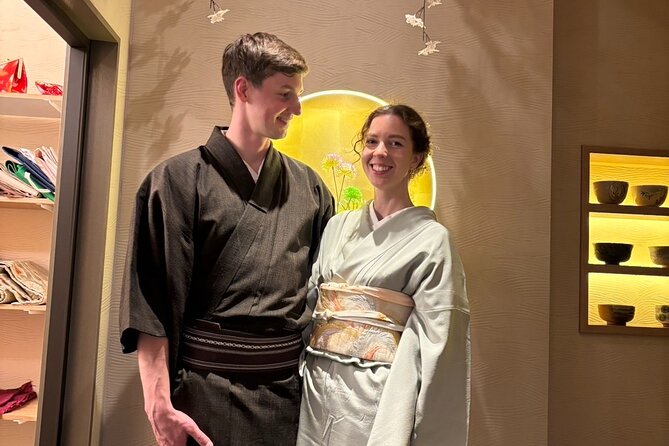
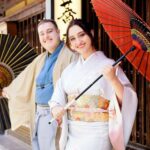
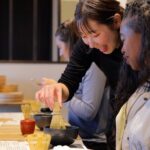
The kimono part is the gateway. You get a full kimono rental, and it includes the obi and accessories, so you are not just picking a robe and hoping for the best. The staff provide a private dressing service, which is where the experience becomes truly user-friendly.
In plain terms, you should expect the session to move step-by-step: selecting your kimono, getting dressed, and then having help with how you present it. One helpful detail pulled from the experience style is that the process can include hair styling as part of getting you ready. That means the look you take photos in is designed to look intentional, not like you got dressed for five minutes.
A practical tip if you want your pictures to come out well: do not aim for rushing through photos. Instead, treat the photo time as part of the ritual. When your outfit is fitted and your hair is set, you are more likely to feel confident standing, sitting, and posing without fussing the whole time.
The other reason this kimono dressing service is good value is the time it saves. Trying to do a kimono rental on your own can turn into a time sink, and the help you receive here is built into the experience from the start. You are paying for the structure, the fitting, and the “someone handles it for you” portion.
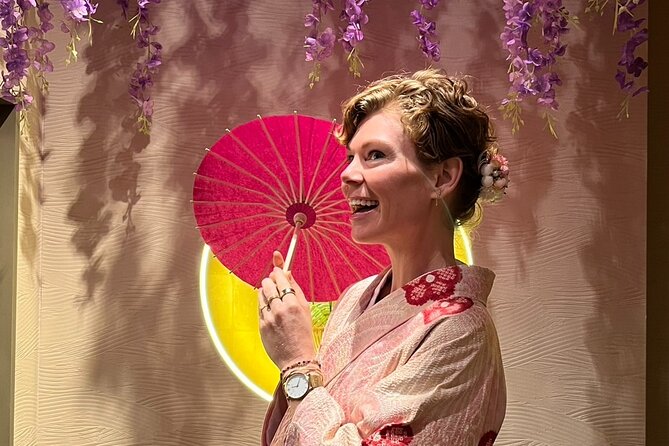
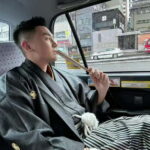
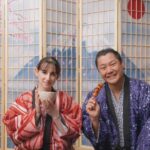
Finally, this is photo-friendly. You can take photos while you are in your kimono, so you will leave with images that actually show the outfit properly.
Tea ceremony with matcha and sweets: More than a sip
The tea ceremony is usually where people either feel calm and curious, or awkward and lost. This format is designed to keep you in the first group.
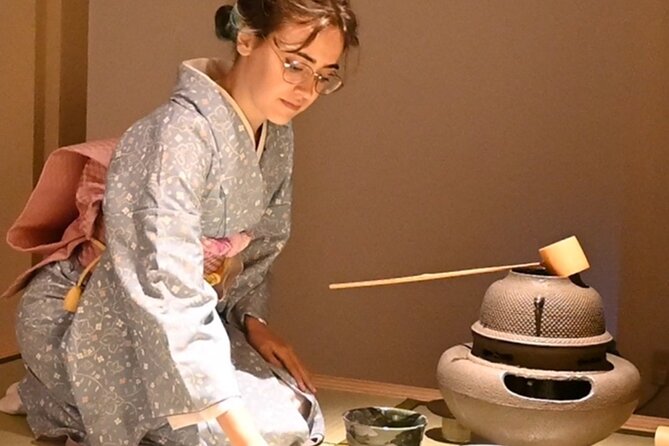
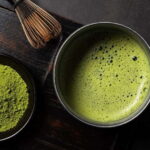
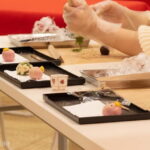
You participate in a Japanese tea ceremony that includes matcha and sweets. The fact that matcha and sweets are included matters because it removes the guesswork. You do not need to figure out what to order, where to find it, or whether you are participating correctly. The staff guide the process, and you get to experience it rather than just watch it.
What makes this feel like more than a performance is that you learn about the history and significance of the tea ceremony. That does not mean you get a lecture that eats the whole session. It is more like key context, woven into what you are doing. If you have ever wondered why the steps matter, this is the moment to connect the actions to meaning.
The tea ceremony also benefits from the setting. Being in a peaceful indoor room keeps attention on the ritual instead of Osaka street noise. It is not just about tea. It is about slowing down enough to notice what you are doing.
If you are sensitive to strong tastes, matcha is still the central item. That said, the sweets included can help balance the experience and make the ceremony feel more approachable. If you are a tea fan, this is a chance to see how a formal structure changes something as simple as making and receiving a drink.
Calligraphy in your hands: Tools provided, and you leave with a piece
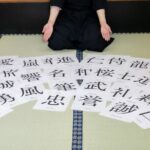
Calligraphy is the other big memory-maker here, because you do not just learn terminology. You actually make something.
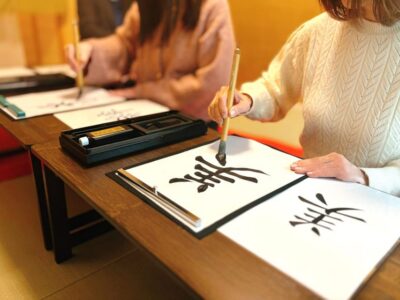
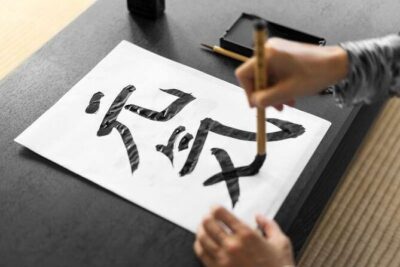
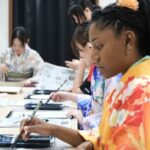
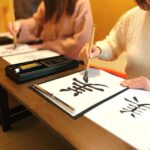
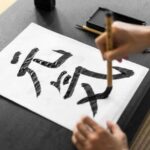
You get a calligraphy experience with tools and papers provided. That matters because calligraphy supplies can be surprisingly hard to source on your own, and they can eat time if you are hunting for the right brush or paper. Here, the materials are handled, and your focus stays on writing.
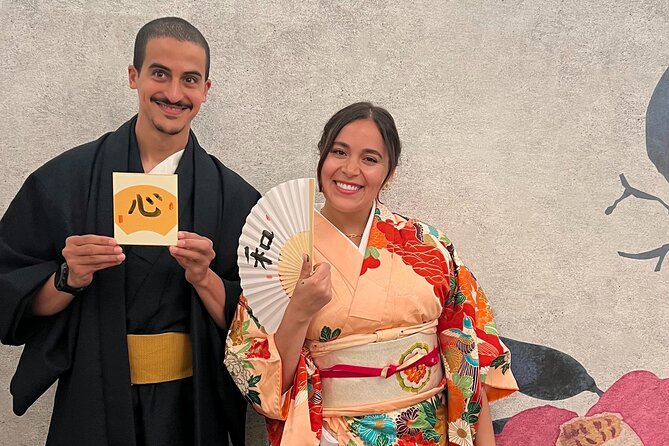
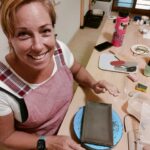
You create a calligraphy piece you can bring home. One example described in the experience details is making a fan as a take-home project. Even if your finished item looks different from someone else’s, the key is the same: you finish with something tangible.
For many people, calligraphy feels intimidating because it looks “perfect” in photos. In a guided, beginner-friendly setup, you get a chance to treat it like a craft rather than a test. The result is not about being artistic on day one. It is about following form, enjoying the rhythm of the strokes, and getting a souvenir that feels personal.
A practical photo note: your calligraphy piece is a good candidate for a quick photo before you pack it away. After that, keep it flat and protected so your strokes and paper do not get bent. Bring a bag that can hold it without pressure.
The real rhythm: How the session fits about 3 hours and stays enjoyable
The experience runs about 3 hours. That time window is ideal for people who want meaningful cultural activities without turning the day into a full production. It is long enough for proper dressing time, tea service, and calligraphy practice, but short enough that you do not feel like you are losing half your Osaka itinerary.
Because the tour is private, you do not have to compete with other groups for attention or time. You can ask questions as they come up. You also get a calmer pace, which is part of why people describe it as relaxing.
The “private and peaceful” part is not just marketing language. In a studio setting, you spend less energy navigating crowds and more energy doing the activities. That is especially valuable in summer, when a break from heat can be the difference between enjoying Japan and feeling drained by it.
One small consideration to plan for: transportation to the store is not included. You will want to budget a bit of time to get to the meeting point on your own. The good news is that it is near public transportation, so it should be fairly straightforward to reach.
If you are pairing this with other Osaka activities, I recommend treating it like an anchor appointment. Put something easy before or after it, like a meal nearby, so you are not sprinting across town in the middle of your day.
More ink, more craft benches
English support and who this is best for
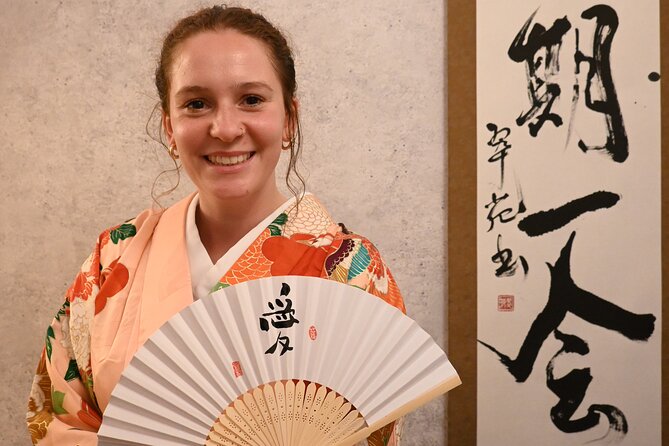
The experience includes English-speaking support and guidance, with instruction designed for beginners. If you have never worn a kimono before, or you have never tried calligraphy, you are not expected to show up knowing how any of it works.
This makes it a great fit for:
- First-timers to Japanese culture who want the main hits in one place
- Couples or friends who want a shared activity and photo set
- Families and groups across ages, since the session is structured and guided
- People who want something calm in the middle of a trip, not another crowded attraction
It also works well if you want variety. Tea ceremony is one vibe. Kimono dressing is another. Calligraphy adds a hands-on creative moment. Putting them together gives your brain different kinds of memories: sensory (matcha and sweets), visual (kimono photos), and personal (your finished calligraphy piece).
If you are hoping for a deep, academic tour with long explanations in a classroom style, this may feel more like guided practice than long lectures. Still, the cultural context is included in a way that supports what you are doing, which is often the most effective learning style for visitors.
Price and value: Is $97.73 per person reasonable?
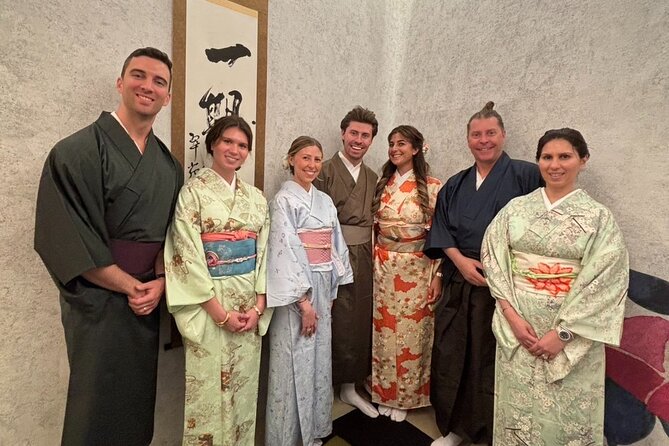
At $97.73 per person, you are paying for more than an activity. You are paying for a full set of cultural services bundled together: kimono rental and accessories, private dressing help, a tea ceremony with matcha and sweets, and calligraphy with tools and paper.
That is why the value feels strong. A kimono rental alone can already add up when you factor in time and service. Then you add tea and calligraphy supplies and facilitation. When the staff handle everything from dressing to guidance, you are not spending additional money on rentals or chasing supplies.
Also, your time is protected. With a private, about-3-hour format, you are not splitting attention across multiple booking windows. For many visitors, that is worth paying for, because the alternative is piecing together experiences that each cost money and each demand extra effort.
The biggest “value test” for you is this: do you want a guided, low-stress cultural experience with hands-on results? If yes, the price likely feels fair because you leave with multiple tangible and emotional souvenirs, not just photos.
Should you book this Osaka tea ceremony, calligraphy, and kimono experience?
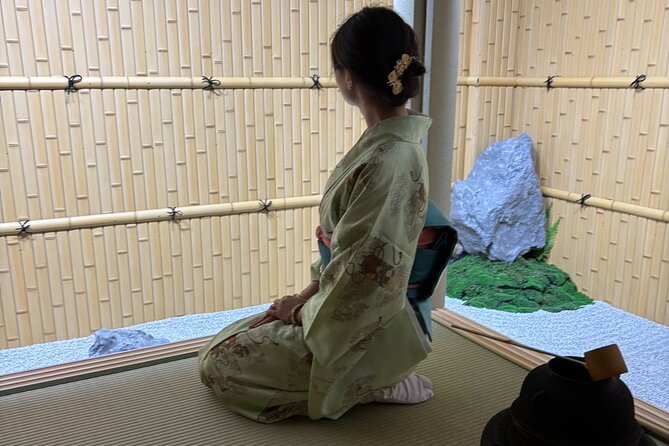
Book it if you want the classic three parts of Japanese culture in one private, calm setting with English guidance. The kimono dressing service, photo time in your outfit, matcha tea ceremony with sweets, and a take-home calligraphy piece give you a complete package, not a sampler that leaves you wanting more.
Skip it or reconsider if you are looking for an all-day city tour that covers lots of neighborhoods. This experience is concentrated in a studio setting, so you should plan sightseeing separately.
If your goal is to experience Japanese tradition in a friendly, structured way, this is exactly the kind of booking that makes your Osaka trip feel memorable without exhausting your schedule.
FAQ
Where is the meeting point for the experience?
You meet at 山茶花 Sazanka Osaka, 543-0001 Osaka, Tennoji Ward, Uehonmachi, 5-chōme721 early Kawah building, 2階. The activity ends back at the same meeting point.
How long does the experience last?
The experience takes about 3 hours.
What do I get with the kimono portion?
You receive a full kimono rental, including the obi and accessories, plus a private kimono dressing service.
What is included in the tea ceremony?
The tea ceremony includes matcha and sweets, and you receive English-speaking support and guidance.
Can I take photos and bring anything home?
Yes, you can take photos while you are wearing your kimono. You can also bring home your calligraphy, since the tools and paper are included.
What is the cancellation policy?
Free cancellation is available up to 24 hours in advance for a full refund. If you cancel less than 24 hours before the experience starts, the amount you paid is not refundable.
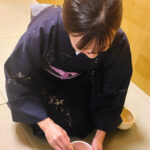
Dressed for the Photographs
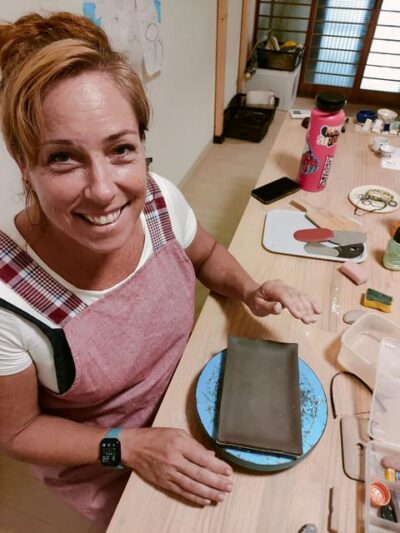
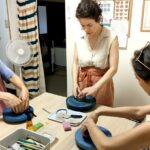
Brush, Ink and Workbench
More Tea Rooms Worth Booking
Latest out of Osaka


Tea Ceremony & Matcha Sessions in Osaka, side by side.
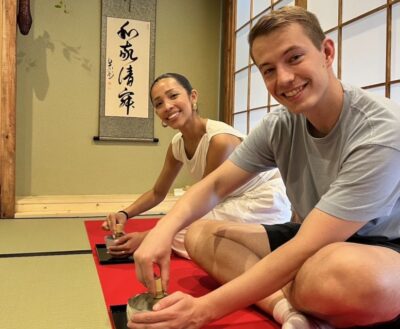 ★ 4.9Osaka: Tea Ceremony ExperienceFrom $251,426 reviews
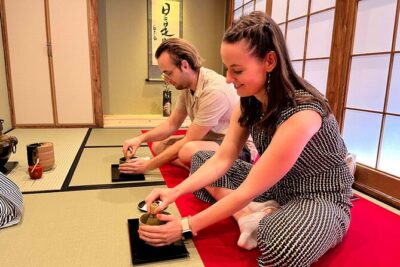 ★ 5.0Tea Ceremony Experience in Osaka DoutonboriFrom $20754 reviews
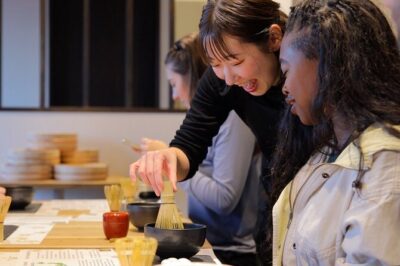 ★ 5.0Matcha Making Class in Osaka with Authentic Japanese Sweets SetFrom $21509 reviews
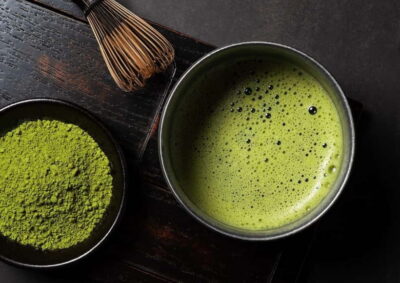 ★ 5.0Osaka: Matcha Making Experience with Japanese SweetsFrom $22146 reviews
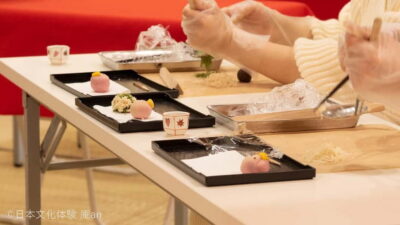 ★ 4.7Osaka: Japanese Traditional Sweets Making and Tea CeremonyFrom $18118 reviews
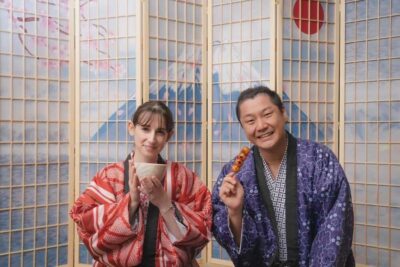 ★ 4.9Osaka Temple Cool Foot Bath & Matcha Experience〈45min〉From $3482 reviews
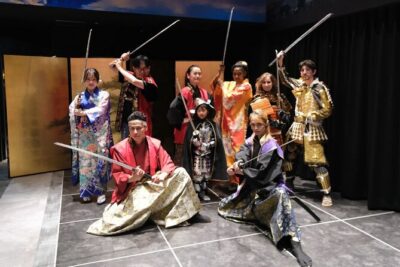 ★ 5.0Samurai Show, Tea Ceremony, Japanese Traditional ActivitiesFrom $4456 reviews
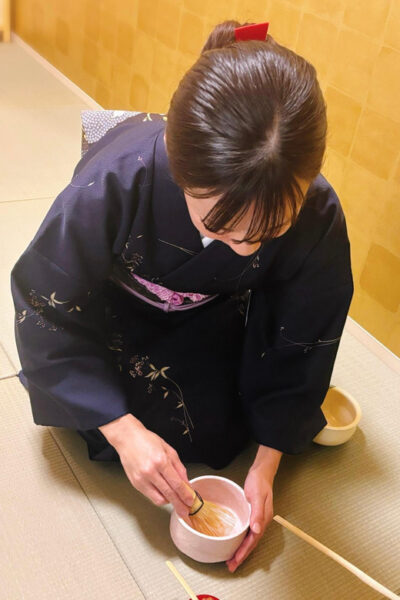 ★ 5.0Osaka: Private Tea Ceremony and Calligraphy ExperienceFrom $6450 reviews