
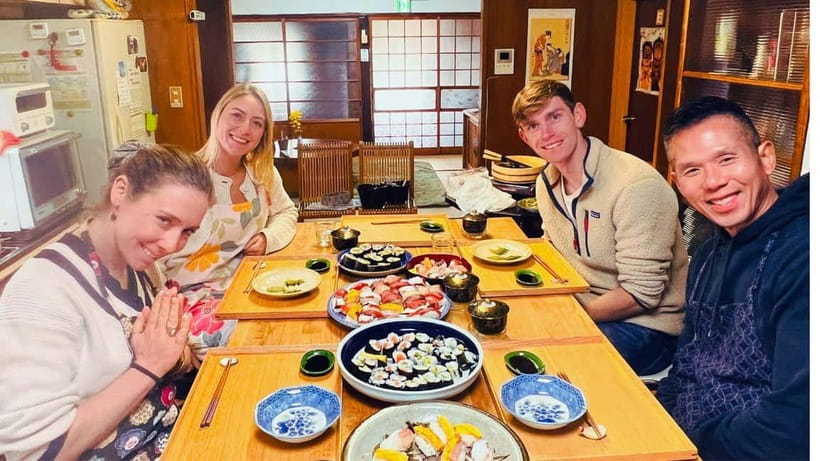
REVIEW · OSAKA SUSHI MAKING WORKSHOPS
Osaka Sushi Miso soup Adventure: A Journey of Exotic Flavors
Osaka sushi becomes doable in three hours. This class with Chef Yuki is a hands-on way to learn real technique in a small setting, not just watch and snack. Two things I really like: you practice sushi basics guided by a chef trained by a sushi master with 40+ years of experience, and you master tuna zuke plus kelp-cured salmon so you can bring those flavors home for days. One consideration is location, it is not in the thick of central Osaka, so you’ll want to plan for the train to Nukata Station and a short walk.
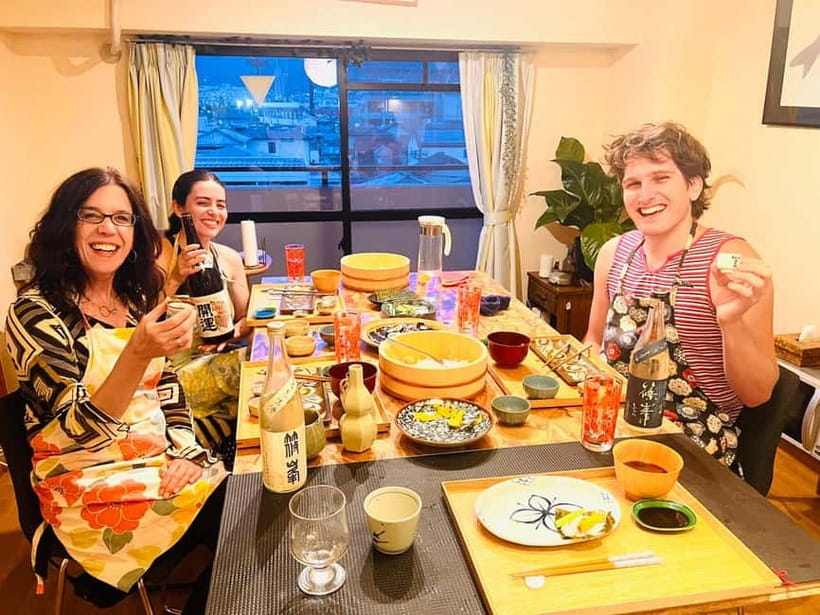
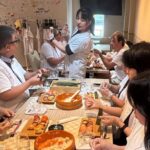
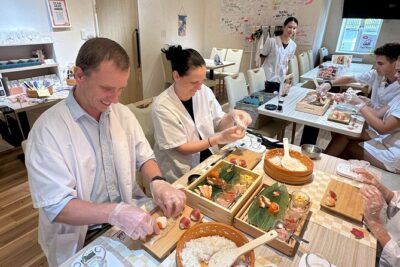
I also like how personal the class feels. With a max group size of 6, you get step-by-step help as you work rice, fish, and rolling skills. Reviews note a cozy setup, plenty of Q and A, and even support for families in the group.
The payoff is more than sushi rolls. You’ll make miso soup from scratch and learn the Japanese flavor logic behind it, then eat what you made together at the end.
Key highlights worth your time
- Chef Yuki’s sushi background (40+ years through her training)
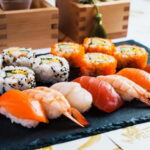
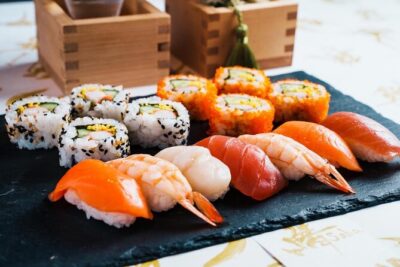
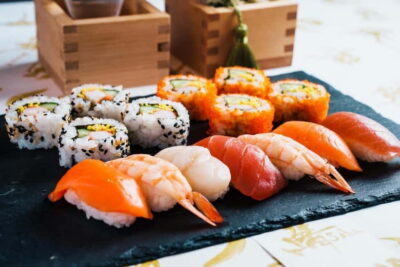
- Hands-on sushi work: nigiri, hosomaki, and tamagoyaki
- Tuna zuke and kombu-jime salmon you can use at home
- Miso soup made from scratch, with the broth logic behind it
- Small group size (6 max) for real coaching
Osaka Sushi With Chef Yuki: what you do in the 3 hours
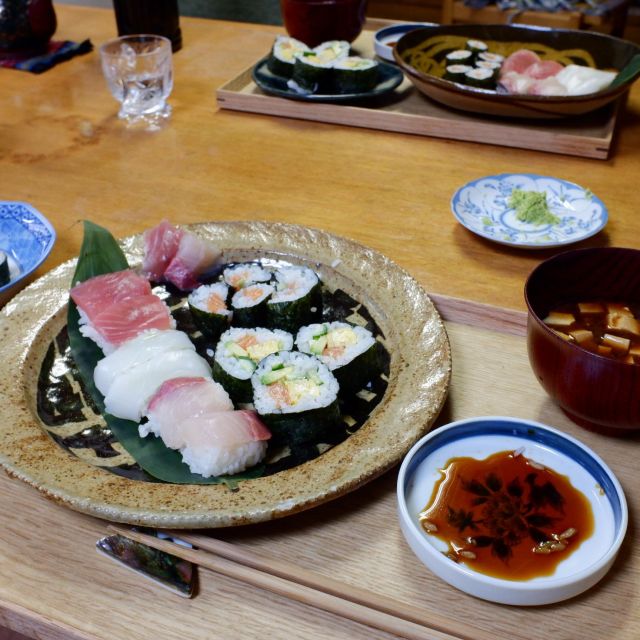
This is a practical cooking class built around technique. You do the work, not just the viewing, and that is the main reason it sticks after you get back home.
You’ll practice:
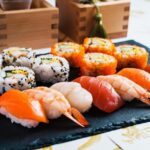
- Nigiri sushi, focusing on how seasoned rice and topping should feel together
- Hosomaki, thin rolls where control matters
- Tamagoyaki, the Japanese rolled omelet made with a square pan
- Miso soup, prepared from scratch as the finishing piece
Chef Yuki keeps the class approachable in English, so even if your sushi experience is mostly ordering from restaurants, you can follow along and still feel competent by the end.
You’ll also learn the “why” behind two fish preparations that show up often in Japanese homes: tuna zuke and kelp-cured salmon. Instead of treating sushi as a one-time luxury, the course teaches you methods that help you plan ahead.
More rice, more knife work
Meeting at 4-19 Nukata-cho: getting there without stress
The meeting point is at 4-19 Nukata-cho, Osaka, right at the cooking class location. You’ll look for a white building near Nukata Station, and it is about a 5-minute walk from the station.
If you’re starting from Namba, use this route:
- Take the Kintetsu Nara Line from Osaka Namba Station
- Get off at Nukata Station (about 30 minutes, about ¥430)
- Walk about 5 minutes to 4-19 Nukata-cho, heading northeast along Route 308
- Plan to arrive 10 minutes early so the class can start smoothly
One reason I like this setup is that it is easy to follow once you’re at Nukata Station. The only real “gotcha” is timing, so give yourself a little buffer to find the white building.
The sushi workflow: rice, nigiri, and rolling skills that actually matter
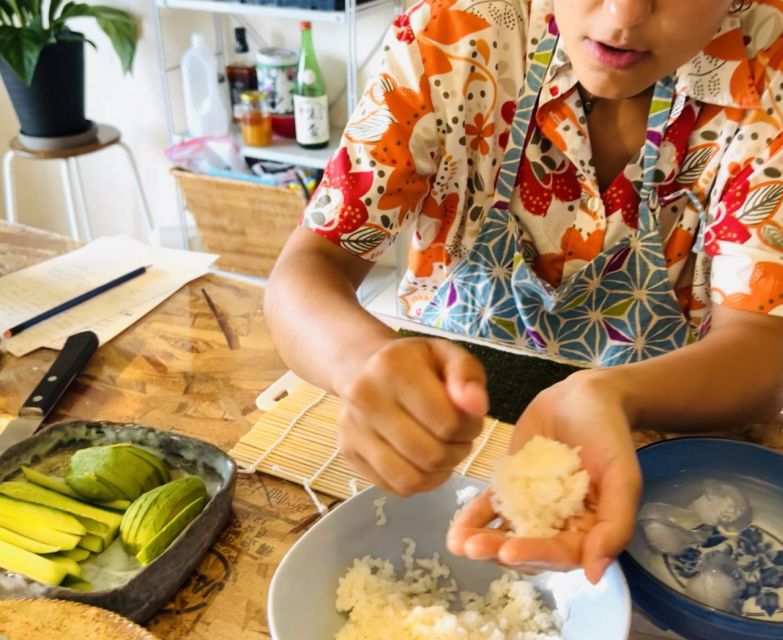
Sushi can feel intimidating because it looks precise. The class makes it manageable by breaking it into actions you can repeat.
Nigiri: balance, not just assembly
Nigiri is the heart of the experience here. You’ll learn how the rice should be handled, and how to top it with fish so it feels right in texture and shape. The most useful thing is that you are not guessing. You get hands-on guidance that turns the final result into something you can re-create.
Hosomaki: thin rolls where details show
For hosomaki, you’ll work with thin rolls, where too much filling or uneven shaping creates problems fast. This part is great value because it trains your control. You are learning a method you can apply whether you want cucumber rolls, simple fillings, or more adventurous combinations later.

Tamagoyaki: the square-pan skill
Tamagoyaki is usually a “I love it, but I can’t make it” dish for many people. Here, you get coached on using a square pan to roll the omelet properly. Even if you never become an omelet pro, you’ll leave understanding the basic rhythm and how the layers come together.
Tuna zuke and kombu-jime salmon: the practical sushi lesson for real home cooks
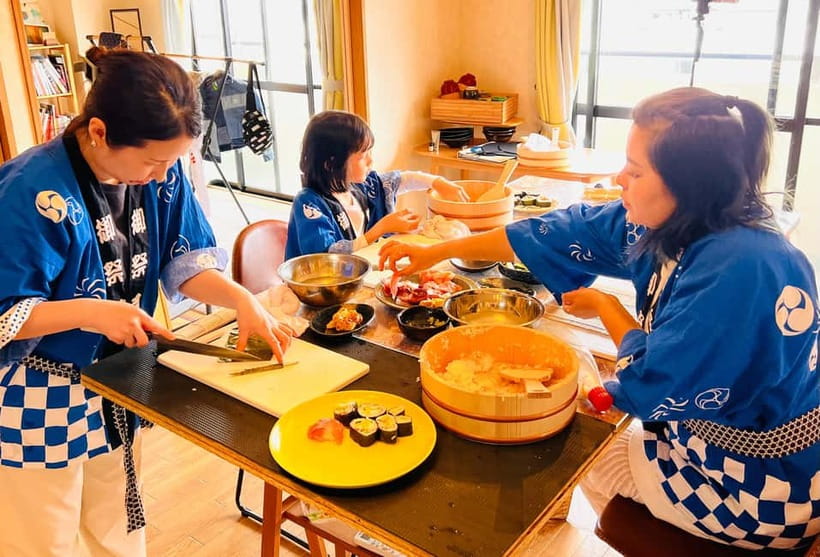
This class earns its name because it teaches two toppings that make sushi more doable outside Japan.
Tuna zuke (marinated tuna)
You’ll learn to create tuna zuke, marinated tuna using a traditional soy-based approach. The practical benefit is freshness planning. With proper curing, the fish can stay good for about 3 to 4 days, which matters if you do not have easy access to sushi-grade fish every day.
Kombu-jime salmon (kelp-cured)
Then comes kombu-jime salmon, cured with kelp. This is a centuries-old technique and it is taught for a reason: it improves the salmon in flavor and texture while helping it last longer than you might expect.
If your goal is to host a sushi night, this is the section you’ll thank yourself for later. You’re learning “prep once, enjoy several times” skills, not just how to roll at a single sitting.
Miso soup from scratch: the broth logic behind the whole meal
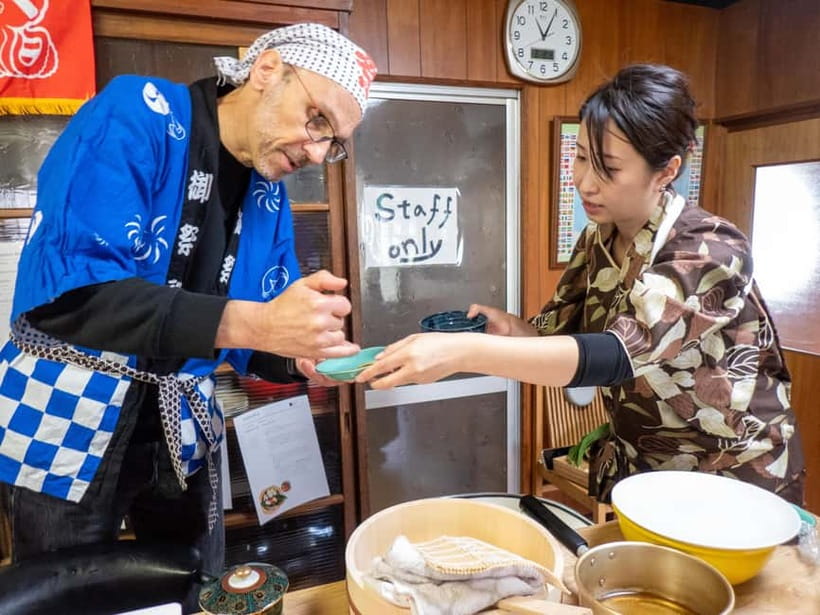
A lot of sushi classes skip the soup, and that is a shame. Here, you make miso soup from scratch, and it becomes the bridge between dishes.
In the class, you’ll learn the traditional approach to Japanese flavor, including broth basics. Reviews also point out time spent on dashi broth fundamentals and hands-on techniques like making wasabi paste and working with rice the traditional way. Even if you only remember one takeaway, it is this: good soup is not separate from sushi, it is part of the same food system.
For you, the value is immediate. When you go home, miso soup is one of the easiest Japanese dishes to repeat. It helps you understand seasoning, balance, and timing, and that knowledge carries over to everything else.
Small details that separate good sushi from okay sushi
If you want sushi that tastes right, you cannot skip the small stuff. This course leans into those details instead of treating them like trivia.
Here are a few examples you’ll likely work through during the class:
- Treating and preparing rice properly in a traditional pot
- Getting coached on the handling that keeps rice texture consistent
- Learning basics like wasabi preparation, plus dashi work that supports the miso soup
These are not flashy skills, but they are the difference between sushi that feels authentic and sushi that just looks similar. If you’re the type who likes learning “why it tastes right,” you’ll love this angle.
Who this class suits best in Osaka
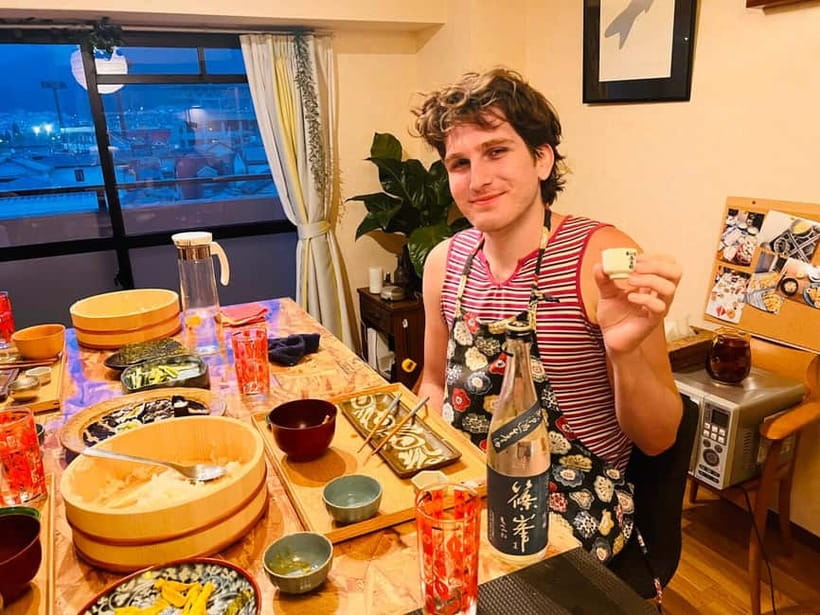
This is best for you if:
- You want a hands-on sushi skill set you can use again
- You like learning technique from a chef with deep training
- You want a small group experience, max 6, with room to ask questions
- You’re curious about Japanese home cooking beyond ordering sushi
It is also a nice reset after sightseeing. One of the strengths of the format is how relaxed it can feel once you are cooking and eating together.
If you are traveling with a baby, at least one family was able to bring a child and still have a good experience, with Yuki supporting in the best way possible. If that is your situation, message ahead so expectations are clear.
Price and value: what $96 buys you here
At $96 per person for about 3 hours, the price is not cheap on paper. But when I look at what is included, it starts to make sense.
You are paying for:
- Fresh ingredients and traditional seasonings
- Instruction from a chef with strong sushi training background
- A small group setting, where you get real guidance at the cutting board and rolling mat
- Multiple dishes you can actually eat, not just sample bites
- Practical home methods for tuna zuke and kombu-jime salmon that can last 3 to 4 days
- English instruction
Also, several people note that Yuki provides recipes after class, which turns the session into something you can replay at home. When a course gives you take-home instructions, the cost spreads out across future meals instead of ending when you leave the kitchen.
If you only want to taste Osaka sushi and move on, you might question the price. If you want skills, it is much easier to justify.
Practical tips so you leave confident
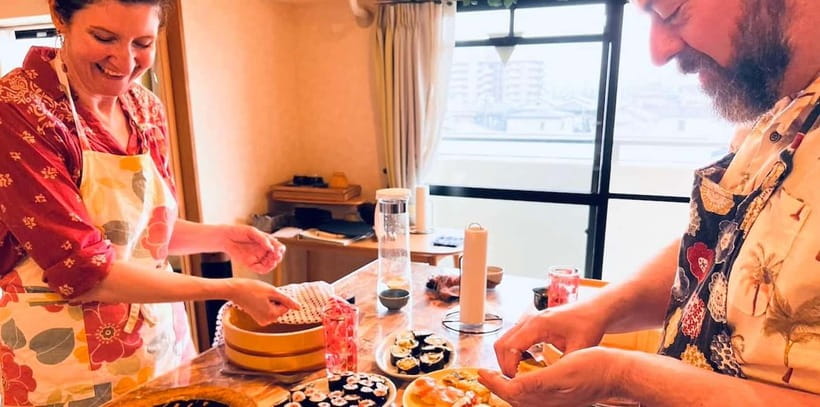
A few small choices will help you get the most out of your $96 class.
- Arrive 10 minutes early at 4-19 Nukata-cho, so you can start calmly.
- Bring your questions early. If you want help with rice handling, topping placement, or rolling pressure, ask.
- Think about what fish you can buy at home. The point of tuna zuke and kombu-jime salmon is planning, so decide what you will realistically try when you return.
- If you have dietary needs, you should communicate them ahead of time. One participant reported that being vegetarian was handled without trouble, which suggests flexibility, but you still want to confirm.
Should you book this Osaka sushi and miso soup class?
Book this if you want a real skill-building experience in Osaka, with small group coaching, and you care about technique more than rushing through a checklist of attractions. I especially think it fits you if you want to bring Japanese home cooking to your own table, because tuna zuke and kombu-jime salmon give you a plan for making sushi more than once.
Skip it if you mainly want a food tour or you dislike hands-on cooking. This is a cooking class, so you will spend your time making dishes, not just observing and wandering.
If you’re on the fence, look at your own travel style. If you want one thing you can repeat at home, and you like the idea of making miso soup plus sushi in one session, this is a strong choice.
FAQ
How long is the course in Osaka?
The course duration is 3 hours.
Where do I meet the instructor?
The meeting point is directly at the cooking class location: 4-19 Nukata-cho, Osaka. It is near Nukata Station, and the building is described as white.
How do I get from Namba to Nukata Station?
Take the Kintetsu Nara Line from Osaka Namba Station to Nukata Station (about 30 minutes, about ¥430), then walk about 5 minutes to 4-19 Nukata-cho.
What language is the instruction?
The class is taught in English.
How many people are in the group?
The group is small, limited to 6 participants.
What dishes will I make during the class?
You’ll make nigiri sushi, tuna zuke, kombu-jime salmon, hosomaki, tamagoyaki, and miso soup.
Is the class hands-on or do I just watch?
It is hands-on. You’ll create sushi yourself, including rolling hosomaki and making tamagoyaki.
Is there a take-home component like recipes?
Based on past experiences shared by participants, Yuki sends recipes after the course so you can cook at home.
Can I cancel for a full refund?
Yes. You can cancel up to 24 hours in advance for a full refund.
Does the booking offer pay later?
Yes. There is a reserve now, pay later option, so you can book and pay nothing today.
More Tour Reviews in Osaka

More Rice and Knife Work

Latest out of Osaka


Osaka Sushi Making Workshops, side by side.
 ★ 5.0Sushi Making Osaka Roll and Authentic Japanese Sushi ClassFrom $311,220 reviews
 ★ 5.0Osaka Sushi Making ExperienceFrom $29400 reviews
 ★ 5.0Osaka Sushi Making Class – Hands-On Nigiri & Rolls (Same-Day OK)From $33352 reviews
 ★ 4.9Osaka: Roll and Authentic Sushi Making Class in DotonboriFrom $45239 reviews
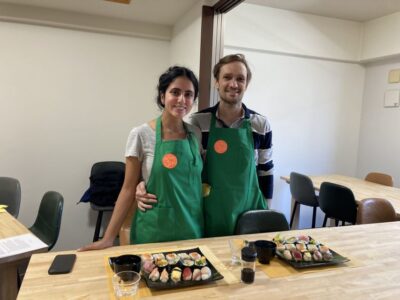 ★ 4.9Osaka: Sushi Class in DotonboriFrom $67160 reviews
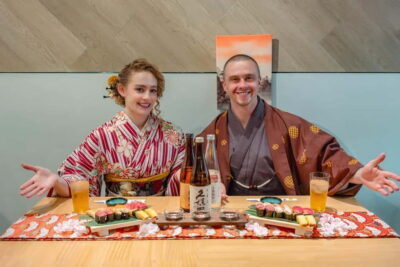 ★ 4.9Osaka Dotonbori: Sushi Making ExperienceFrom $45122 reviews
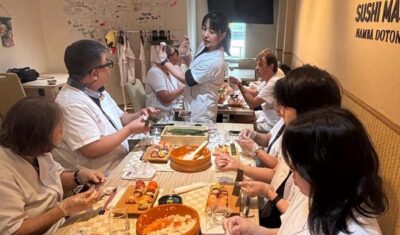 ★ 5.0Osaka: Sushi Making in Spacious Studio (SAME-DAY OK!)From $2575 reviews
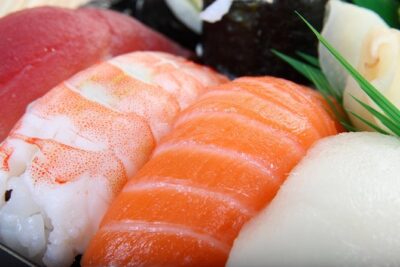 ★ 5.0Sushi and Japnese foods cooking class in OsakaFrom $16551 reviews
Also worth a look in