
REVIEW · DOTONBORI NEON & STREET FOOD WALKS
Osaka: Sushi Making Class and Dotonbori Food Tour
Stepping into sushi class changes how you read a menu. This one ties a hands-on sushi-making session to a guided walk through Dotonbori, Osaka’s street-food playground. I like that you get taught in a kitchen setting, then you test your instincts right outside with a local guide and smart suggestions. One thing to plan for: you pay for Dotonbori food and drinks yourself, so your final cost can creep up if you snack a lot.
The best part is the pacing. You spend about 90 minutes learning how sushi comes together, then you shift gears to walking and sampling along the way for the rest of the 150 minutes. In the reviews, a guide named Leo gets praised for being informative about local culture and keeping the whole experience friendly and easy to follow, especially during the walk.
If you want maximum comfort, wear good shoes and expect some walking. This is also not a fit for everyone, including people with mobility impairments, respiratory issues, or high blood pressure.
Key things to know before you go
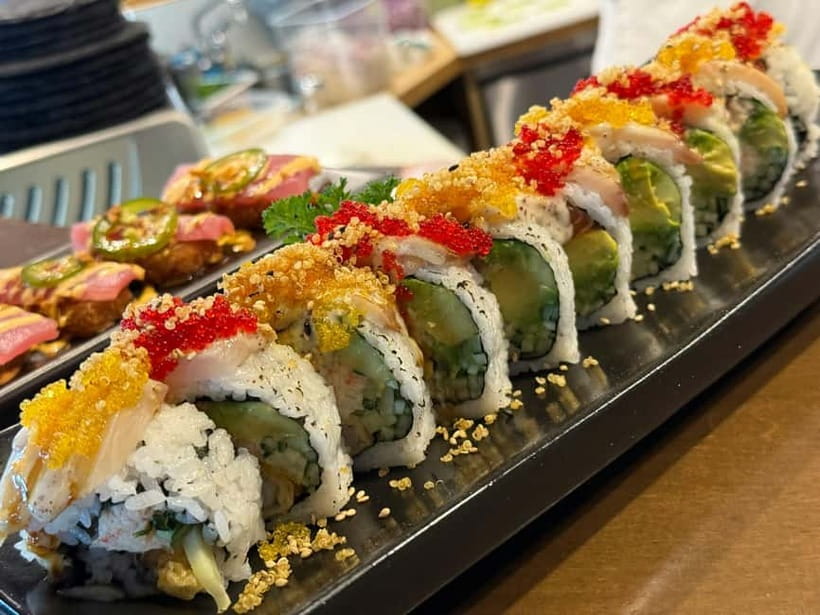
- Hands-on sushi-making in a local kitchen for about 90 minutes, including tasting
- Dotonbori food-stall walk with an English guide who helps you choose
- Private group feel, so you are not lost in a big crowd
- Bring cash for class and street-food spending needs
- Guides like Leo are noted for being friendly, clear, and helpful about local culture
Namba Station meeting point, and why it matters
Your tour starts at Metro Namba Station, Exit 24. This is a smart choice because you can connect easily from other parts of Osaka, and you do not waste time hunting for a far-out pickup.
When you arrive, look for a guide wearing a TripGuru shirt or holding a sign. That little detail matters, because Dotonbori and Namba areas can be busy, and you want to get started quickly.
Plan to start the day with practical shoes. The experience includes a guided walking portion, and you will feel it if you are in slippery sandals or worn-out sneakers. Bring a camera too, since you will be in a neon-sign photo zone for part of the walk.
More of the canal after dark
90-minute sushi class: what you actually learn
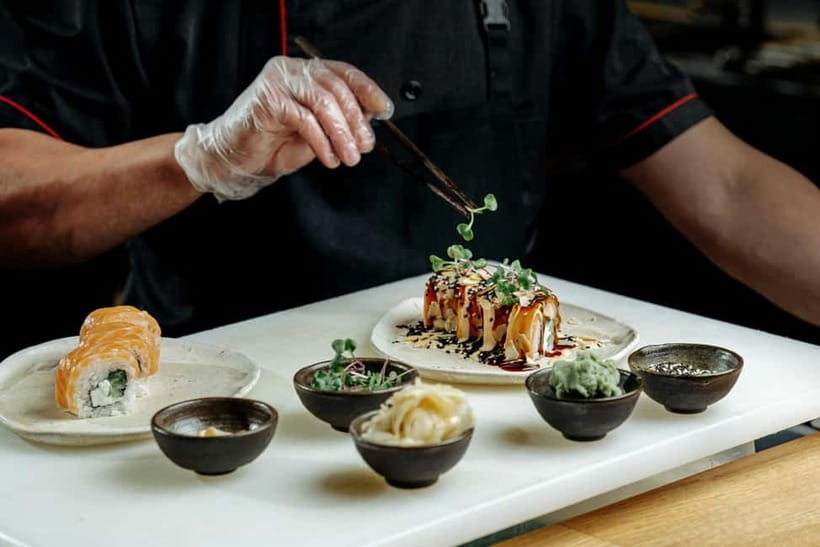
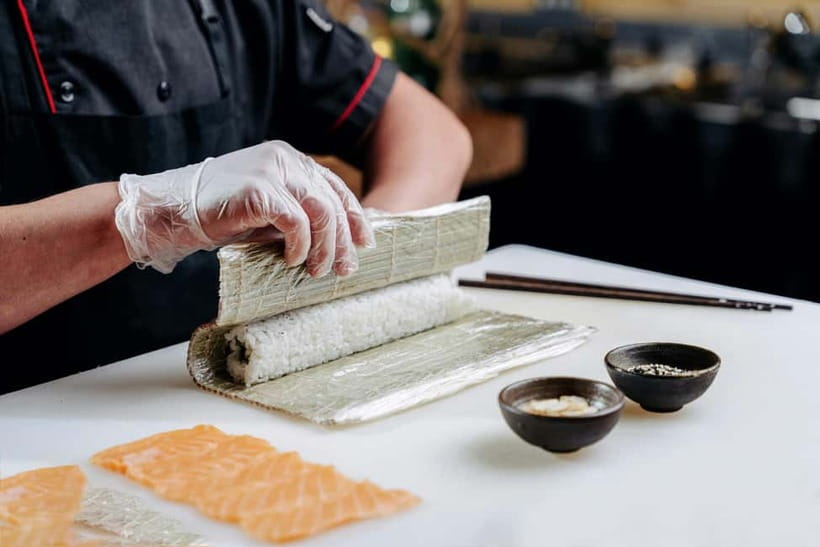
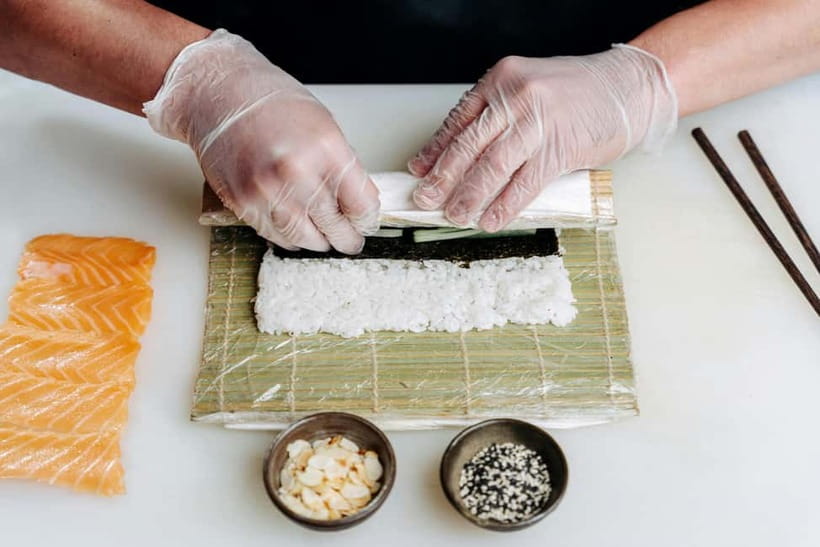
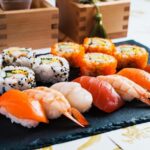
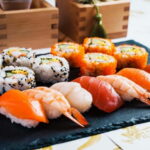
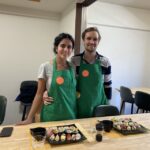
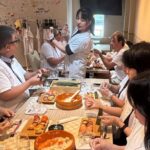
The core of the experience is a 90-minute sushi-making class where you learn from a local instructor in an actual kitchen setup. You will make sushi from scratch using fresh ingredients, and the class includes tasting of what you make.
This is valuable even if you think you already know sushi. Learning the steps helps you understand why certain flavors work together, and why chefs treat rice and seasoning like the main event. Sushi is not only about fish, it is about rice texture, temperature, and the way everything is balanced.
You also get an English-speaking guide for the class. In real terms, that means you can ask questions as you go, not just watch a demonstration. The reviews back up that the class feels friendly and straightforward, not like you need restaurant-level skills to participate.
The timing is also well chosen. Ninety minutes is enough to learn technique and still finish with your energy intact, then you can enjoy Dotonbori without feeling like you spent half the day trapped at a counter.
The sushi results: eating your creations without the stress
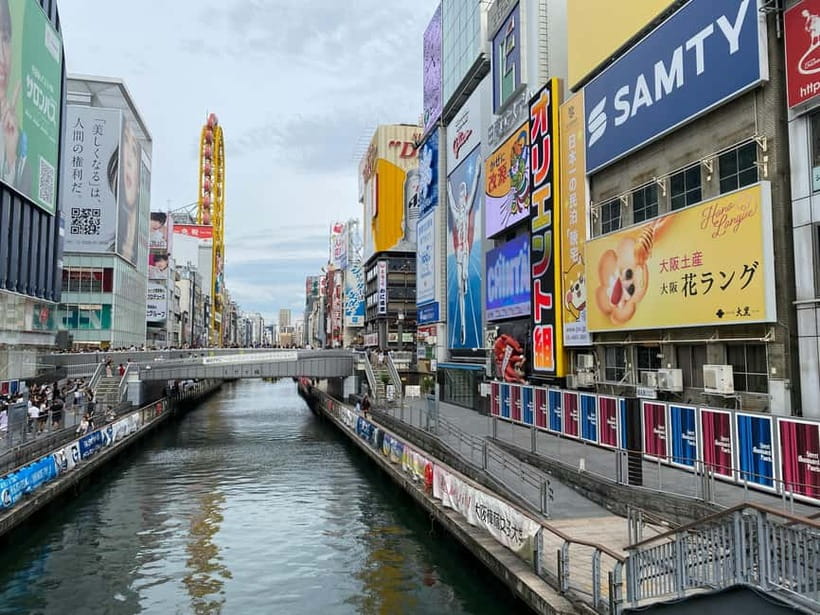
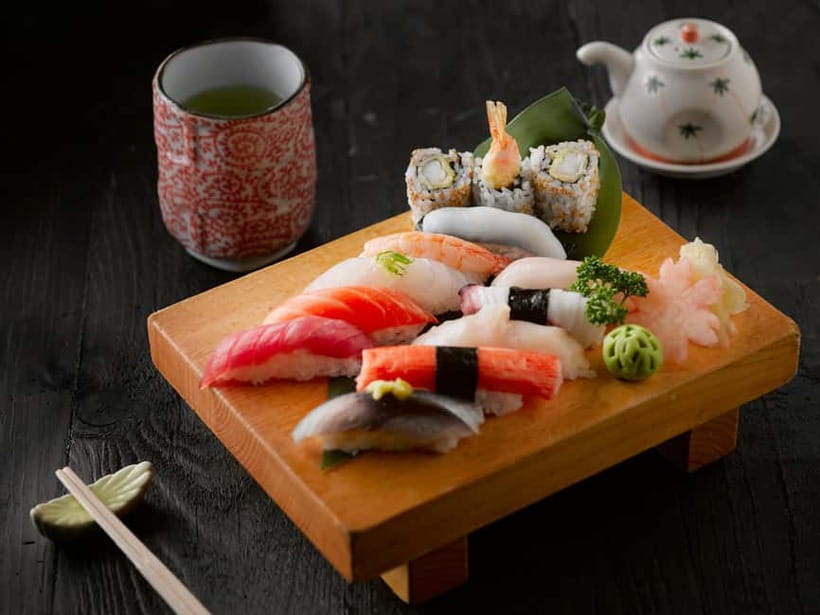
One of the best parts of this style of class is the built-in tasting. You are not left standing around wondering what you did wrong. You get to taste your own work as part of the experience.
That matters because sushi-making can feel intimidating from the outside. Here, you learn, then you taste, so the process clicks faster. You will probably notice small differences between how the rice feels, how bites hold together, and how flavors land when they are fresh from the process.
Do not worry if you are not confident with your hands. The activity is designed to be fun and interactive, so the focus is on learning steps and enjoying the food you make, not on speed or perfection.
Dotonbori walking tour: street food, stories, and choices
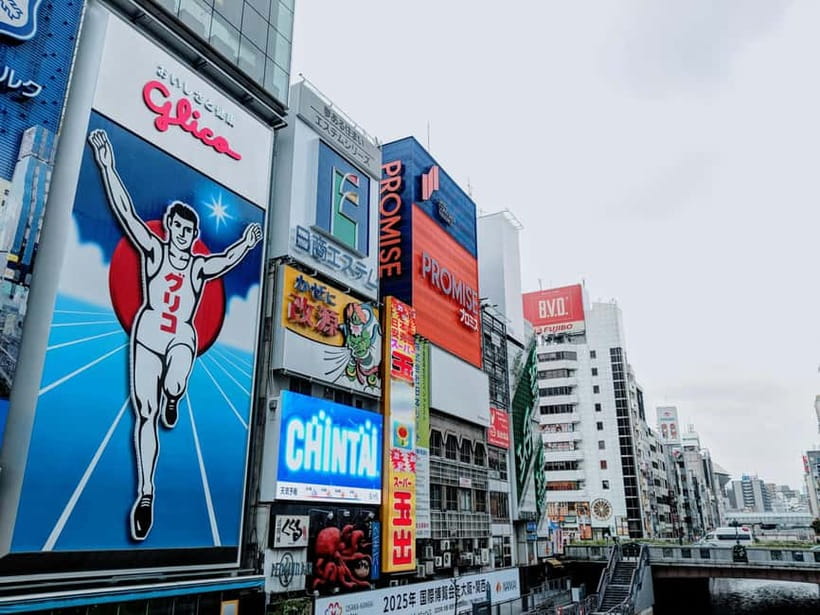
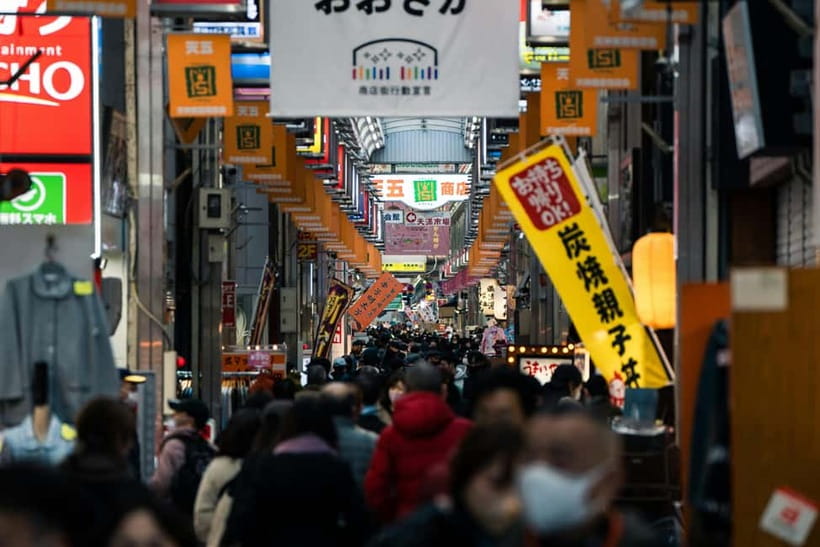
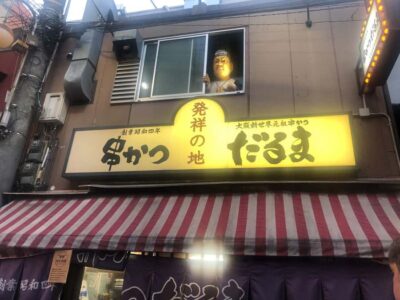
After the sushi session, you walk over to Dotonbori, and the rest of your time goes to exploring the area with your guide. This is Osaka’s best-known food and entertainment district, with glowing signage and a constant stream of snackers.
The guide’s job here is practical: help you find top food spots, explain what to look for, and keep you moving through the area in a way that makes it feel manageable. Instead of wandering and guessing, you get direction, plus you hear the little stories that turn a stop from just food into a memory.
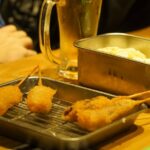
You will also sample a few must-try snacks during the walk. The key detail is what you pay for. The tour notes are clear that any foods and drinks in Dotonbori are at your own expense. So think of included sampling as guidance and taste testing, and then plan to add extra bites based on what you want.
This is actually a good setup for most people. You get local input up front, but you control the final snack list. If you love savory items, you can lean that way. If you want something lighter, you can make your own choices.
If you have never navigated Japanese street-food areas before, you will appreciate this structure. It helps you avoid common mistakes like over-ordering or picking something you cannot finish.
Timing and group style: a half-day that fits first-timers
The total duration is 150 minutes, which is basically an efficient half-day slot. You get a full sushi-making session, then a shorter guided walk, then you are free to continue on your own in Dotonbori if you want.
The group type is private group, which changes the feel. You tend to get more room to ask questions, and you are less likely to feel like you are waiting for a line of strangers. With street food, that matters, because people move at different speeds and you want your guide to adapt.
In the reviews, Leo is specifically called out for being informative about local culture and for making the walking part enjoyable. That points to the right kind of guide, one who can translate what you are seeing into something useful, not just point at food.
For the schedule itself, the main lesson is this: treat it like your first afternoon plan. It gives you a taste of Osaka through food, without locking up your whole day.
More plates on more streets
Price and value: is $112 fair for what you get?
At $112 per person, this is not the cheapest food activity in Osaka, but it is not overpriced for what is included. You are paying for two guided components: the sushi class (with ingredients and tasting) and the Dotonbori walking tour (with guided food discovery, even if street-food spending is on you).
Here is how I judge the value:
- You get real instruction for about 90 minutes, not just a brief demo.
- You get tasting as part of the class, so the experience has a payoff, right away.
- You get guided walking time in a dense food area, which saves you guesswork and time.
The one cost variable is that Dotonbori food and drinks are at your own expense. If you budget a set amount for snacks, you stay in control. If you go free-form, you might spend more than you planned, because Dotonbori makes snacking very easy to justify.
Also note that hotel pickup and drop-off are not included. That can slightly change convenience depending on where you stay, but it is offset by the clear meeting point at Namba Station, which is a strong hub.
Overall, for anyone who wants both a hands-on skill and a street-food tour in one afternoon, the price lines up with the structure.
What to bring, what to wear, and the small logistics that matter
The tour instructions are simple, and following them helps everything run smoothly.
Bring cash. The class and your street-food spending needs are part of the reality here, and cash is explicitly recommended.
Wear comfortable shoes. Dotonbori walking is part of the experience, so your feet will be the limiting factor, not your brain.
Bring a camera for photos. The experience includes walking through an area known for its glowing signs and street scenes, so it is the kind of place where photos feel worth it.
One more planning tip: start with some hydration and a light stomach if you are sensitive to smells or crowds. You will be in a food district, and it is sensory.
Who should book this tour, and who should skip it
This experience is a strong match if you want:
- a hands-on intro to sushi-making
- an English guide helping you make sense of where to eat in Dotonbori
- a structured plan that leaves time for exploring on your own afterward
It is also a good fit for first-timers who feel overwhelmed by big food districts. The guide reduces the decision fatigue.
It is not a fit for everyone. The tour is not suitable for pregnant women, people with mobility impairments, people with respiratory issues, or people with high blood pressure. If any of these apply, skip this and choose a less walking-heavy food experience.
How to get the most out of Dotonbori after the tour
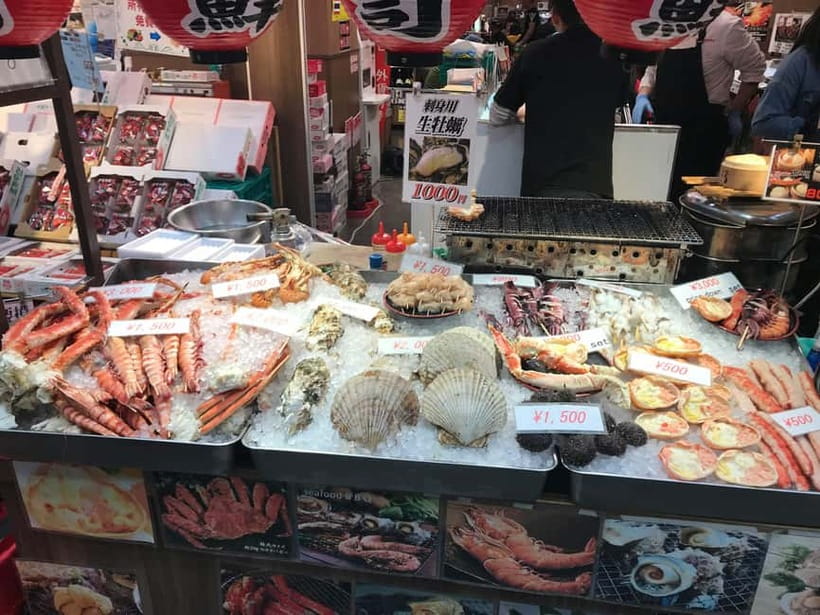
When the tour wraps up in Dotonbori, you are free to stick around. Use the guide’s first walk as your warm-up, then you can keep exploring based on what you liked.
A practical approach:
- If you loved the kind of flavors from the sampled snacks, order more in the same direction.
- If you want to try something new, pick one extra item and do not turn it into a marathon.
- Take photos while you have momentum, then slow down for eating.
Also, remember the tour gives you direction, not a full meal plan. Dotonbori rewards curiosity, but you still need to manage your time and stomach.
So, should you book this Osaka sushi and Dotonbori experience?
I think you should book it if you want an afternoon in Osaka that connects technique with street food. The combination of a guided sushi-making class plus a Dotonbori walk is a clean way to understand Japanese food culture beyond just ordering dishes.
Book it if you like learning by doing. You get taught in the class, then you taste what you make, then you keep the food conversation going outside.
Skip it if you do not want to pay extra for street snacks or if walking will be uncomfortable for you. Since Dotonbori food and drinks are at your own expense and the activity includes walking, plan your budget and energy level first.
If you do book, bring cash, wear comfy shoes, and give the guide your attention during the walk. That is where you will get the most practical payoff.
More Rice and Knife Work

Eat Your Way Round Osaka



The Canal After Dark, Continued
Latest out of Osaka


Dotonbori Neon & Street Food Walks, side by side.
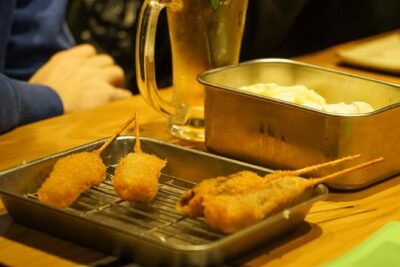 ★ 5.0Osaka Local Foodie Walking Tour in Dotonbori and ShinsekaiFrom $111985 reviews
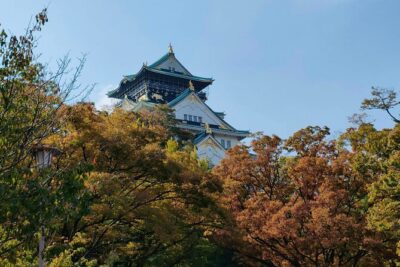 ★ 5.0Ultimate Osaka Walking Tour: Castle, Dotonbori & Hidden GemsFrom $73862 reviews
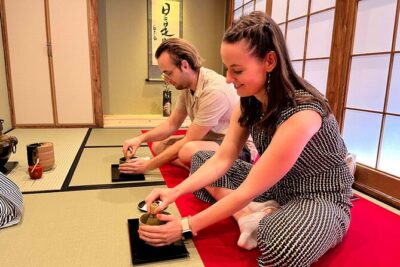 ★ 5.0Tea Ceremony Experience in Osaka DoutonboriFrom $20754 reviews
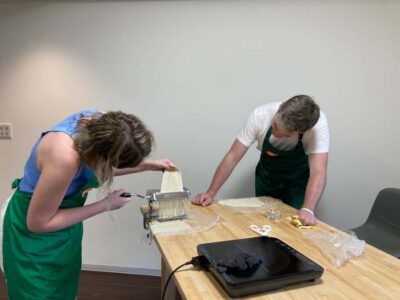 ★ 5.0Osaka: Ramen and Gyoza Cooking Class in DotonboriFrom $70378 reviews
Osaka: Dotonbori River Cruise with Glico Sign & Neon ViewsFrom $12376 reviews
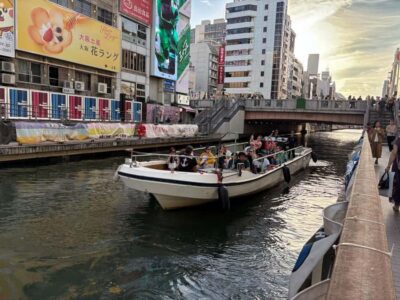 ★ 3.9Osaka: Dotonbori’s Bridges 20-Minute CruiseFrom $12303 reviews
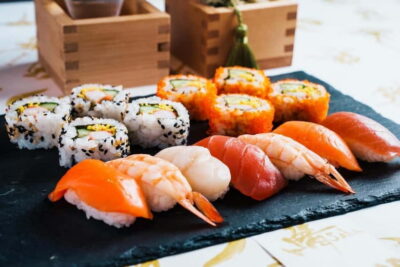 ★ 4.9Osaka: Roll and Authentic Sushi Making Class in DotonboriFrom $45239 reviews
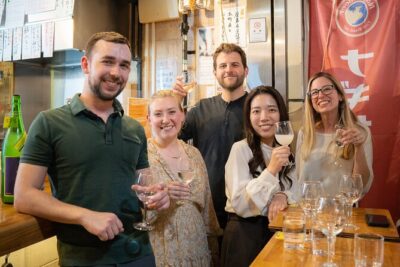 ★ 5.0Osaka Local Bar Crawl in Dotombori & Uranamba AreaFrom $26199 reviews