

REVIEW · OSAKA KIMONO & YUKATA DRESSING
Osaka Kimono Experience – Quick Traditional Dress & Photos
Wearing a kimono changes your whole rhythm. This Osaka experience is fast and photo-friendly, with staff support that gets you from outfit choice to city stroll near Dotonbori in about 90 minutes. I like the clear, structured timing, and I like that the rental includes the full base set: kimono, obi, sandals, and tabi socks. One thing to consider: the basic plan focuses on dressing and doesn’t include hair styling or accessories unless you add them.
The meeting point is practical, and the area around the shop makes the walk part easy. The store also has a souvenir shop, so you can grab small items without rushing back immediately. If you want the full styling look, plan your extras ahead so you do not feel like you are missing the finishing touches.
Key Points You Should Know Before You Go
- Quick dressing flow: choose your outfit in about 10 minutes, then try on for 15-20 minutes (20 minutes if hair styling is included).
- Photo-ready neighborhood: the shop is a short walk from Dotonbori and Namba, making it easy to shoot street-style photos.
- Full base rental set included: kimono, obi, sandals, underwear, and tabi socks.
- Small group size: capped at 10 people, so you usually get more time with staff.
- Optional upgrades matter: hair set and accessories are not included in the basic rental.
Why This Osaka Kimono Experience Works So Well for Photos
Osaka is a loud, fun city. But wearing traditional clothing lets you switch the mood for a while, and you get instant payoff in pictures, even if you only walk a couple of blocks. What I like about this setup is that it is designed for real visitors, not long, complicated rituals.
The “quick traditional dress” angle is the secret sauce. You are not committing to a half-day program just to get the experience and the photos. Instead, you get a tight schedule: pick, fit, stroll, then change back out. That makes it realistic alongside shopping, food stops, and temple visits.
I also appreciate that the experience is positioned as casual and approachable. The plan notes it is recommended if you want to wear a kimono casually, and it includes a full rental yukata set in the basic format. That means you can get the look without needing to know the right way to layer or tie anything.
The one practical drawback is also clear from the offer: the basic plan is mostly about the outfit itself. If you want hair that matches the style, or you want accessories to complete the look, you will need to pay attention to add-ons.
More fittings before the photos
Picking the Right Outfit at 1-9 Souemonchō
Your start is at 1-9 Souemonchō, in Osaka’s Chuo Ward, and it ends back at the same meeting point. That matters more than it sounds. You avoid the awkward timing problem of trying to meet a distant pickup spot while you are adjusting sleeves and boots.
The staff helps you choose from a large selection, and the experience mentions “over 100 types” of kimonos in various sizes. That is a big deal if you care about fit and comfort, because you want options that match your body type and your photo goals. The offer also explicitly includes kimonos for women, men, and children, so families are not forced into a one-size-fits-all situation.
The time is tight on purpose. You get around 10 minutes to choose your kimono, then you move into trying it on. If you want to optimize your choice, think about two things before you arrive:
- How you want your photos to look (simple and classic vs more dressed-up)
- How comfortable you will be walking in it for about an hour
If you are the type who freezes when there are too many choices, show up with a quick “plan A” in mind. Even a simple preference helps you decide in the 10-minute window.
Getting Dressed: Fast, Guided, and Built for Comfort
After choosing, the routine shifts to dressing. You get about 15-20 minutes to try on your kimono. If you add hair styling, the try-on window extends to about 20 minutes, which helps you schedule the rest of your walk.
You also get a clear “return and change” step later. After your stroll, you go back to the shop before the designated time, and you change back into your everyday clothes, which takes about 10 minutes. That’s important because many costume experiences forget the “getting out of it” part. Here, the end is planned.
What is included is a big value point. You are not just renting a garment and hoping it all comes together. The package includes:
- One kimono
- Obi
- Sandals
- Underwear
- Tabi socks
That covers the essentials people usually worry about: shoes that work with tabi socks and the base layer that keeps the fit comfortable. It also means you do not need to hunt down extra items on your own.
If you want a more polished look for photos, the offer mentions an add-on option for all-you-can-accessory. That can be the difference between wearing traditional clothing and looking fully styled. If your priority is pictures, it is worth thinking about this early rather than at the last minute.
Your Osaka Stroll: Dotonbori and Namba by Foot
This is one of those experiences where location does half the work. The plan recommends strolling around Dotonbori and Namba, and the shop is described as only about a 5-minute walk away from those areas.
Why that matters: you do not need to plan a long route in uncomfortable footwear. You can step out, take photos, and get your bearings without crossing the entire city. It also means you can stay flexible. If you see a perfect photo angle near a canal view or a street corner, you can linger.
I also like the “walk, don’t race” vibe. The schedule gives you time to enjoy the clothes rather than treating it like a quick photo booth. Your biggest job is to pace yourself, keep your hands free when possible, and be mindful of your hem while you take pictures.
If you are sensitive to heat or crowds, consider when you go. Dotonbori and Namba are busy areas by nature, and kimono fabric and layers can feel warmer than streetwear. Choose a time you can comfortably walk and stop for photos without feeling rushed.
Souvenir Shop Time and How to Use It Without Rushing
There is a souvenir shop inside the store. That means you can browse before you head out, or you can do a quick stop on the way back. For me, this is useful because you can avoid making another detour later.
The only caution is timing. You still need to return to change back into your everyday clothes by the designated time. If you plan to buy, keep your browsing short and focus on small, easy-to-pack items. Save the big shopping for after you are fully back in your normal clothes.
If you are someone who likes to “lock in” your outfit look first, you might also browse souvenirs before you choose your kimono. That way your choice can match what you buy, like a matching accessory or small keepsake.
More frames of your trip
What the Basic Rental Covers, and What It Does Not
The included items are the backbone of the experience. You should feel set once you arrive, because the rental includes the kimono itself, obi, sandals, underwear, and tabi socks.
What is not included in the basic plan is also spelled out clearly:
- Hair set
- Accessories
- Tour guide
- Pick up and drop off
- Mobility
That last point is worth attention. If you need help with mobility or require a specific setup, you should treat this as a self-managed walk experience with staff supporting dressing. The package does not promise mobility support.
The “no tour guide” element is another key consideration. This does not mean it is confusing. It just means you should not expect someone to lead you around with commentary. You are there to dress, stroll, and enjoy the look in your own way.
For some people, that freedom is perfect. For others, especially first-timers who want a route, you might feel better with an add-on that helps with styling and accessories.
Optional Hair Styling and Accessory Upgrades for a More Dramatic Look
The experience mentions a professional hair and makeup stylist as part of the program, and the timing suggests you can add hair styling so the trying-on window becomes about 20 minutes.
If you add hair styling, it can elevate the look fast. In photos, hair is half the “traditional vibe.” Even a beautiful kimono can look a little incomplete if your hair is in ordinary everyday mode.
Accessories are the other half. The plan specifically recommends adding the all-you-can-accessory option if you want something more glamorous. If you love the photo aspect and want variety in poses and angles, upgrades can turn your rental into a more “special occasion” moment.
One practical tip: if you add upgrades, plan what you want your final style to look like. If you are unsure, aim for something that feels cohesive with your chosen kimono. A mismatch is not a disaster, but it can make photos less satisfying.
Price and Value: What You Pay for in This 90-Minute Window
The price is listed at $47 for about 1 hour 30 minutes, and you get a mobile ticket. For Osaka, that can be a solid value because you are not paying for transportation or a multi-hour tour guide plan.
Here is how I think about value for this kind of experience:
- You are paying for staff assistance with dressing and outfit selection
- You are paying for a full rental set, not just the garment
- You are paying for time efficiency, with a clear return-and-change plan
If you were to replicate parts of this yourself, you would likely pay separately for rentals, shoes, and the base underlayers. Even if you do find rentals at a low cost, the convenience of being guided through choosing and wearing is usually what makes the difference between fun and frustration.
You do not get hair set and accessories in the basic price. Still, the package gives you the option to upgrade if you want. That means you can keep costs down if you only care about the kimono look, or spend a bit more to make it feel more complete for photos.
Also, the offer mentions a free kimono or haori for reservations with this package. That is the kind of perk that can tip the value even higher. If you are interested, double-check that you qualify when you book.
Who This Osaka Kimono Rental Is Best For
This experience is recommended for people who want to wear a kimono casually. That fits couples, solo travelers, and anyone who wants a memorable photo moment without turning it into a long production.
It is especially good if:
- You want something close to Dotonbori and Namba
- You care about photos and want the full outfit system included
- You appreciate a schedule that stays realistic inside a travel day
- You like the idea of getting help with dressing rather than figuring it out alone
It may be less ideal if:
- You expected a guided walking tour with route planning
- You want hair and accessories included automatically
- You need mobility support beyond normal participation
The small group size, up to 10 travelers, can help keep the experience feeling calm. You are not getting swallowed by a massive crowd of costume changes.
Booking Advice: How to Get the Best Photos and the Smoothest Day
Before you book, think about your priorities. If your goal is pictures in Dotonbori and Namba, the basic rental can be a great choice. You get everything you need for the outfit, and the location makes it easy to get photos quickly.
If you want the full “glam” effect, consider adding hair styling and the all-you-can-accessory option. The time windows hint that the experience is flexible enough to fit these upgrades without messing up the core flow.
On the day itself, wear clothing that is easy to remove and put back on later. Since you will change into everyday clothes at the shop in about 10 minutes, you do not want to fight your outfit when you are tired.
Finally, plan your walking pace. Kimono fabric looks dramatic in photos, but it needs a careful step. A calm pace beats rushing for a shot.
Should You Book This Osaka Kimono Experience?
Book it if you want a straightforward kimono or yukata rental with real support and a prime photo area nearby. At about $47 for around 90 minutes, you get a full base outfit set and a schedule that respects your time.
Skip it or adjust expectations if you need hair set and accessories included, or if you want a guided tour with a person leading your route. Also consider your mobility needs, since mobility support is not included.
My verdict: if you want the traditional look plus usable time to explore Dotonbori and Namba, this is a smart, low-stress way to add a memorable photo moment to your Osaka day.
FAQ
What is included in the Osaka kimono rental?
The package includes one kimono, obi, sandals, underwear, and tabi socks.
How long does the experience take?
It runs about 1 hour 30 minutes, with time for choosing and trying on the outfit, then returning to change back.
Is hair set included?
Hair set is not included in the basic plan, but hair styling is mentioned as available, which can extend the fitting time.
Where does the experience start?
It starts at 1-9 Souemonchō, Chuo Ward, Osaka, 542-0084, Japan, and it ends back at the meeting point.
Is there pickup or drop-off?
No, pickup and drop-off are not included.
Can I cancel for a full refund?
Yes, free cancellation is available. You can cancel up to 24 hours in advance for a full refund.
Better Photos of Your Trip





More Tour Reviews in Osaka


Dressed for the Photographs

Latest out of Osaka


Osaka Kimono & Yukata Dressing, side by side.
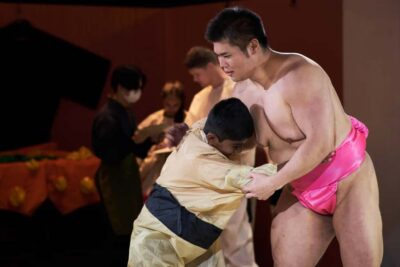 ★ 4.5Osaka: Sumo Show & Experience w/ Optional Kimono & Hot PotFrom $77609 reviews
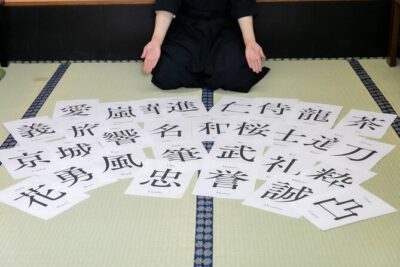 ★ 4.5Learning Zen of Japanese Calligraphy in kimono near Osaka CastleFrom $4353 reviews
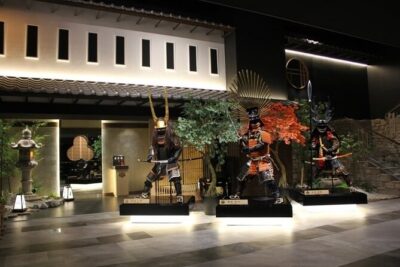 ★ 5.0Samurai dress-up and shows, plus Tea Ceremony & CalligraphyFrom $12327 reviews
 ★ 4.9Osaka: Kimono or Yukata Rental &Photos Service OptionsFrom $1825 reviews
 ★ 5.0Kimono photoshoot-Includes 100 photo dataFrom $9621 reviews
 ★ 5.0Premium Kimono Dressing, Tea Ceremony, Calligraphy, Samurai showFrom $12318 reviews
 ★ 5.0Japanese miniature kimono made with origami in OsakaFrom $6512 reviews
 ★ 4.8Osaka: Kimono Rental Traditional Experience at WARGOFrom $3410 reviews
Also worth a look in