

REVIEW · OSAKA KIMONO & YUKATA DRESSING
Osaka: Kimono Rental Traditional Experience at WARGO
Osaka in a kimono makes everyday streets feel ceremonial. What I like most is the personal kimono choosing and careful dressing, plus the fact you’re leaving with the basics handled (obi, shoes, socks, satchel) so you can walk out ready to go. The main thing to watch is the time slot reality: busy periods can mean a 30 to 90 minute wait before you’re fully ready.
If you care about photos, this is one of those experiences that turns your phone roll into something more interesting than yet another café shot. For most people, the dressing process is under an hour if things are running smoothly. If you’re hoping for a one-click, no-thought photo solution, plan to handle your own pictures or bring a friend, since on-site photography is not a guaranteed feature.
Key points at a glance
- Huge kimono selection, from classic patterns to modern designs
- Staff help for fit and styling, including obi tying and finishing details
- Photo-ready kit included: satchel, socks, and traditional sandal-like footwear
- Kanzashi hair set included, with more styling options in the Deluxe plan
- Return by 6:30 PM, with next-day return possible for an extra fee
- Slot-based waiting times, sometimes stretching up to 90 minutes in peak periods
Why a WARGO Kimono in Osaka Feels Like More Than a Costume

Renting a kimono in Osaka is one of those low-effort ways to change your entire travel rhythm. Instead of treating Japan like a set you visit, you get a chance to experience the look and feel of traditional dress for the length of your outing. It’s visual, yes, but it also changes how you move. You slow down. You stand straighter. You take more time with the streets around you.
The best part is that this is not a DIY rental. You’re not left with a pile of fabric and a vague diagram. You get hands-on help with your kimono selection and then the dressing itself, with staff attention to small details. One review even highlighted that the staff had meticulous care during dressing, and that included a proper hair setup afterward.
A practical consideration, though, is that the experience depends on how busy the shop is. Even though dressing can be less than an hour when things are smooth, you may face a waiting window of about 30 to 90 minutes in some time slots and seasons. Plan your Osaka route so you are not stressed about hitting a specific reservation right after your appointment.
Your Kimono Decision: Classic Style or Modern Patterns

You’ll start by choosing from a wide range of kimono styles. The options go beyond the stereotypical “one kind of kimono.” You can find traditional patterns and also more modern designs, which matters because your kimono should match your day. If you’re aiming for classic photos, go traditional. If you want something that feels more current while still unmistakably Japanese, modern designs can be a great compromise.
This is also where the staff help matters. They guide you through picking a kimono and matching the accessories, especially the obi (Japanese belt). That reduces guesswork. It also prevents that common traveler problem of choosing something pretty but hard to wear confidently.
One small upside from real-world experience: reviews mention that staff were kind and helpful when helping with selection and fitting, including a staff member named Luigi who assisted with choosing and dressing. That kind of support can make the whole thing feel more personal and less like a factory line.
More fittings before the photos
The Dressing Room Process: What Actually Happens
Here’s the core flow you can expect. You arrive at the shop, get checked in, then go into the dressing process. The goal is to get you from your street clothes into a properly worn kimono with everything positioned correctly.
Your included kit typically covers the whole basic setup:
- Kimono
- Obi (sash belt)
- Japanese satchel
- Traditional sandal-like footwear
- Socks
The dressing fee is included, and there’s also an insurance fee built into what you pay. If you’re the type who worries about “Is this fully covered?” it’s reassuring that insurance is part of the package.
If the shop is not packed, the whole dressing process is usually under an hour. If it is busy, your time can stretch. The practical trick is to avoid scheduling something tight right after your check-in. Treat the appointment like the first part of your outing, not a quick errand.
Kanzashi Hair and the Deluxe Styling Upgrade

You’ll also get help with your hair. The included option is a simple hairstyle with Kanzashi (an ornamental hairpin). It’s a small detail, but it’s exactly the kind of thing that makes the kimono look complete instead of “just clothes.”
There’s also the WARGO Deluxe Plan concept if you want something more styled. In that plan, you can upgrade the grade of the kimono and obi up to a certain level. For women, a standard hairstyle is included in the Deluxe plan. Also, available choices can vary by store, so you should confirm what upgrades are actually offered at the location you’re using.
If you’re visiting solo and you want the finished look to photograph well with minimal effort on your part, this hair component is a big win. If you’re already confident styling your hair to match the kimono look, you still may find that the included Kanzashi style looks more authentic than trying to replicate it yourself.
Osaka Streets in Kimono Mode: Build Your Own Route

Once you’re dressed, the experience shifts to you. The activity ends back at the meeting point, but during your rental time you’re free to stroll around Osaka in your kimono. The magic is that you’re not following a strict script. Instead, you’re letting your outfit add a new lens to whatever neighborhoods you choose.
This is where I’d plan your outing like this:
- Pick one or two areas you genuinely want to explore in Osaka.
- Then assume you’ll walk a bit slower than usual.
- Add time for photos, since you’ll want to stop and reset your posture and angle.
Since no specific itinerary stops are provided in the core experience, your best value comes from combining the kimono time with places you already want to visit. Think of it as a “style upgrade” to your normal Osaka day, not a guided tour of set landmarks.
If you want to keep the kimono going into the evening, there is an option to return the next day with an additional fee. That can be useful if you want your kimono photos to cover late-day light, or if your Osaka day runs long.
Timing and Waiting: Slots, Shop Hours, and the 6:30 Return

Timing is the one part that can make or break your mood. Operating hours are from 11:00 AM to 6:30 PM, and you need to return the kimono no later than 6:30 PM.
Also, plan around the reality of waiting. Depending on the time slot and season, expect a waiting time of roughly 30 to 90 minutes. If you reserve after 3 PM the day before, you may have to wait a bit at the store.
So what should you do?
- Choose a time slot that matches your patience level.
- If you hate waiting, go earlier in the day when you can.
- If you’re flexible, treat the wait as part of the experience and bring something to do, like downloading offline maps for your Osaka walking route.
This isn’t the kind of activity where you want a rushed start. The dressing is the point, and rushing can make it harder to get the fit and finishing details just right.

Shoes, Socks, and Walking Comfort (Without Breaking the Vibe)

The footwear matters. You’ll be given traditional sandal-like shoes and socks as part of the rental. This combination helps, but it won’t erase normal limits. Traditional-style footwear is not the same as sneakers.
Here’s how to make it work:
- Expect a slower walk. Your kimono adds fabric and can change how you move.
- Choose your route with practical breaks in mind. Plan to spend time where you can sit or step aside if your feet need relief.
- If you’re someone who needs max comfort, bring your expectations down. The goal is the look and the experience, not marathon distance.
The good news is that the sandals and socks are provided, so you’re not improvising footwear at the last minute. That alone is a big convenience win.
Also, the Japanese satchel is included. That helps you travel lighter because you have a bag that won’t fight with the kimono look. It’s a small thing, but it keeps your outfit from feeling like it was added over your normal bag situation.
Photos in Kimono: How to Get Results You’ll Actually Like
This is a photo-friendly experience by design. You’re getting the full kimono look, and you’ll want to use it. The catch is simple: you’re likely doing the photography yourself or with a companion.
One review even said it would be good if there was a photographer on site. That tells me you should not count on a built-in photographer. Plan to use:
- Your phone’s portrait mode for close shots
- A timer for full-length photos when you want clean compositions
- Steady locations with soft background clutter, so your outfit stays the star
If you want better photos, your best move is to plan where you’ll stop before you start walking. Once you’re dressed, you can’t always switch outfits quickly. So pick a couple of photo-friendly stretches and pace your stops.
The reason this matters is that a kimono changes your silhouette. In photos, that can look stunning. But only if your kimono is sitting correctly and your posture is comfortable. The staff dressing is important here, because it sets you up for photos that look intentional, not accidental.
Price and Value: What the $34 Covers, and What Can Change

The base price is listed at $34 per person, and the experience runs for one day, with starting times based on availability. But you should treat it as a starting price, because the final cost varies depending on the actual kimono selected.
That means your best value depends on the grade you choose. The price is not just the rental. It includes dressing, an insurance fee, and the included accessories plus the included hair set with Kanzashi. When you look at the whole package, the cost can make sense because you’re paying for staff labor and a complete styling setup, not just a clothing rack.
There are also optional extras to consider:
- Hairstyling can be available at an additional cost
- The WARGO Deluxe plan can upgrade the grade of kimono and obi up to certain levels
- Next-day return is possible with an additional fee
So is it worth it? For me, it comes down to your priorities. If you want the full kimono experience with staff dressing and you’re happy to explore at your own pace, it’s a good deal. If your main goal is photos and you also want everything done for you, like a photographer, you might feel like the value is missing that extra service layer.
One review summed it up as fun but not great value for money. That tells you to think about your personal expectations. If you want a guided experience with more structure, a simple rental-and-walk model may not feel enough. If you want styling plus freedom, this is a strong match.
Who This Experience Is For (and Who Should Skip It)

This experience is a great fit for travelers who want an authentic-looking kimono outing without the hassle of figuring out fit, obi tying, and accessories alone. If you enjoy trying on clothing that changes how you see a place, you’ll probably love it.
It also works well for couples or friends who can help with photos and enjoy strolling. Since the included kit gives you a satchel and shoes, you don’t need to plan a whole extra shopping list.
On the other hand, it’s not suitable for:
- Pregnant women
- Wheelchair users
- People with pre-existing medical conditions
Also, because the dressing happens in a shop and involves waiting at times, it’s best for people who can handle a bit of schedule flexibility.
If you’re the kind of traveler who likes control, you’ll appreciate the ability to build your own Osaka walk after you’re dressed. If you’re the kind who likes a strict itinerary, you might find the freedom a little too loose.
Where You Go to Start: The 2nd Floor Meeting Point
When you arrive at the building, go up to the 2nd floor to find the store. That’s your meeting point for the start, and the activity ends back at the meeting point after your rental time.
This detail sounds small, but it’s the kind of thing that can waste time when you’re arriving in a new area. I’d treat it like a checklist item: confirm you’re at the right floor before you start thinking about your Osaka route.
Should You Book WARGO Kimono Rental in Osaka?
Book it if you want a clean, structured dressing experience with the full look covered. The combination of kimono selection help, included obi, satchel, socks, traditional shoes, and a Kanzashi hair set is exactly what makes this feel complete. If you also want the option to keep the kimono going into the evening with next-day return, that’s a nice bonus.
Skip it or reconsider if you are trying to maximize value through additional services you’re expecting to be included, like photography help. Also reconsider if you know you cannot handle waiting. Slot timing and seasonal crowding can create 30 to 90 minutes of waiting.
If you do book, make it easy on yourself: give the shop time to do the dressing well, and then enjoy your kimono time by walking somewhere you already want to see in Osaka. That’s where the whole experience turns from a rental into a memory you’ll still smile about later.
FAQ
How much is the Osaka kimono rental at WARGO?
The price is listed starting at $34 per person. The final cost can vary based on the kimono you select, and any additional amount can be settled at the store with cash or card.
How long does the kimono dressing take?
If it is not too busy, the dressing process should take less than an hour. Depending on timing and season, you might wait about 30 to 90 minutes before dressing.
What does the package include?
It includes the kimono rental fee and dressing fee, an insurance fee, plus a hair set (simple hairstyle with Kanzashi). You also get the obi (sash belt), Japanese satchel, traditional sandal-like shoes, and socks.
Is next-day return available?
Yes. If you want to enjoy the kimono throughout the evening, next-day return is possible for an additional fee.
What are WARGO’s operating hours in Osaka?
Operating hours are 11:00 AM to 6:30 PM. You need to return the kimono no later than 6:30 PM.
Is hairstyling included?
A simple hair set with Kanzashi is included. Hairstyling is also available at an additional cost, and the WARGO Deluxe Plan includes a standard hairstyle for women.
Where is the meeting point?
When you arrive at the building, go up to the 2nd floor to find the store. The activity starts and ends back at that meeting point.
Who should not book this experience?
It is not suitable for pregnant women, wheelchair users, or people with pre-existing medical conditions.
What is the cancellation policy?
You can cancel up to 24 hours in advance for a full refund.
More Tour Reviews in Osaka


Dressed for the Photographs


Latest out of Osaka


Osaka Kimono & Yukata Dressing, side by side.
 ★ 4.5Osaka: Sumo Show & Experience w/ Optional Kimono & Hot PotFrom $77609 reviews
 ★ 4.5Learning Zen of Japanese Calligraphy in kimono near Osaka CastleFrom $4353 reviews
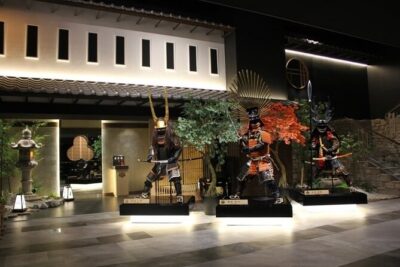 ★ 5.0Samurai dress-up and shows, plus Tea Ceremony & CalligraphyFrom $12327 reviews
 ★ 4.9Osaka: Kimono or Yukata Rental &Photos Service OptionsFrom $1825 reviews
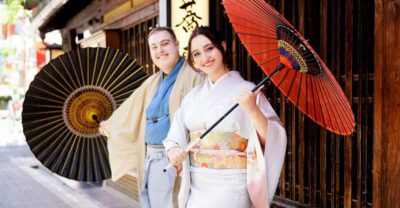 ★ 5.0Kimono photoshoot-Includes 100 photo dataFrom $9621 reviews
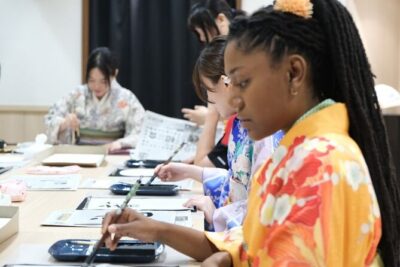 ★ 5.0Premium Kimono Dressing, Tea Ceremony, Calligraphy, Samurai showFrom $12318 reviews
 ★ 5.0Japanese miniature kimono made with origami in OsakaFrom $6512 reviews
 ★ 5.0Osaka Kimono Experience – Quick Traditional Dress & PhotosFrom $4711 reviews
Also worth a look in