
REVIEW · FOOD & DRINK
Osaka Food Walking Tour with Market Visit
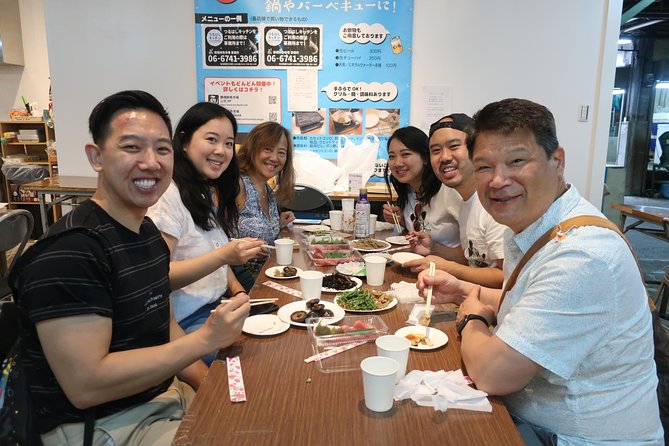
Your breakfast in Osaka starts with raw fish. This Osaka Food Walking Tour mixes a morning at Kizu Wholesale Market with a guided walk, then a subway ride to Shinsekai for lunch.
I love the hands-on food tastings, especially the fresh sashimi and seasonal fruit you sample right in the market. I also love the Shinsekai meal stop, where you get Osaka comfort food like okonomiyaki cabbage pancakes and a proper local sit-down lunch.
One possible drawback: the tour is built around seafood, including sashimi samples, so it is not a great fit if you avoid raw fish.
Key Highlights You Should Know
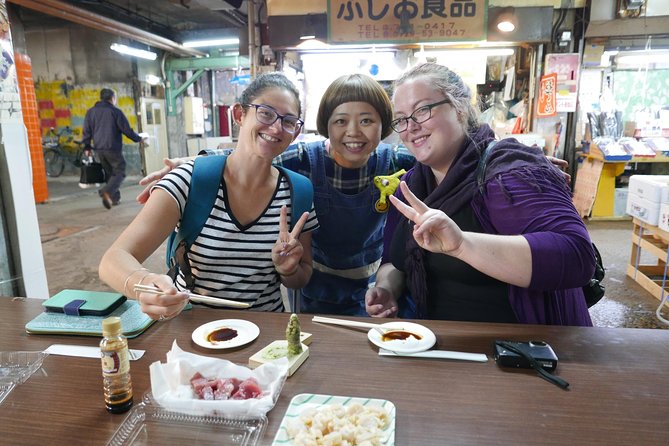
- Kizu Wholesale Market tastings: sashimi, seasonal fruit, and market-snack moments
- Small group size: maximum six people, so you can actually ask questions and keep a comfortable pace
- Shinsekai lunch with Osaka comfort food: including okonomiyaki cabbage pancakes
- Japanese tea comparison stop: you visit a tea shop and compare different types
- Local shop detour: a stop at a kitchen knife shop along the way
- Finish near Ebisu Bridge and Dotonbori: a fun place to keep eating after the tour
Why Kizu Market Makes This Osaka Food Tour Feel Real
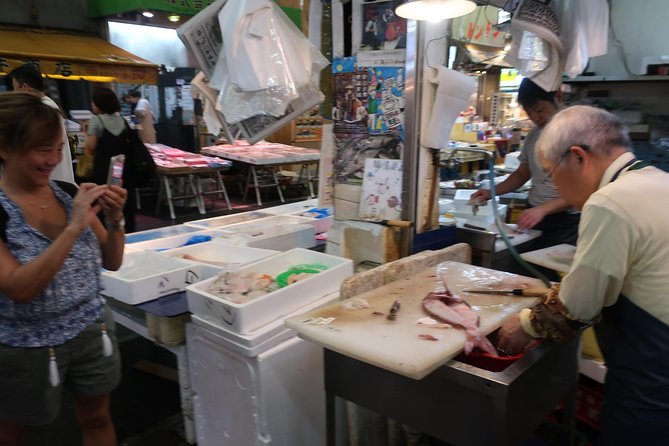
Most food tours in Osaka feel like eating your way through neighborhoods. This one starts somewhere you cannot really fake: the supply side. Osaka-Kizu Wholesale Market is where seafood quality gets decided long before it reaches restaurants.
The best part is you get context as you walk. You are not just collecting bites, you are learning why certain foods are prized, how market ingredients translate into what you later order at a diner or izakaya. That makes every taste after the market hit harder, because you understand what you are seeing and why it matters.
Also, the tour gives you a full half-day rhythm. You start near the Daikokucho Station meeting point at 9:00 am, then you settle into lunch mode in Shinsekai, and finally you roll into the nightlife zone by Ebisu Bridge and Dotonbori.
Osaka at walking pace, a few more
Small-Group Pace: Six People Is the Sweet Spot
This tour caps group size at six people per booking. That is a big deal in Japan, where crowded spaces can turn a food walk into a slow squeeze. With a small group, you typically move with less chaos and more clarity.
It is also described as a private tour/activity, meaning only your group participates. In practical terms, you are less likely to be lost in the shuffle, and the guide can adjust the pace if the market lines or crowds swell.
The total time is about 4 hours. You will do a good amount of walking, plus some subway time between areas. If you hate moving fast, do not fear. The schedule is built around food stops, so you get breathing room between tastings and meals.
Start at Daikokucho: The Best First Step to Eat Like a Local
The meeting point is Daikokucho Station (3-chōme-11-10 Shikitsuhigashi, Naniwa Ward), and the tour starts at 9:00 am. Starting in the morning matters because markets work on a different clock than most tourist sights.
If you want to get the most out of the day, show up a bit early and give yourself time to orient. Station entrances can be slightly confusing, and you do not want to start your food walk stressed.
From there, your guide takes you into Osaka-Kizu Wholesale Market for about an hour of food watching and sampling. The tour is not framed as a museum stop. It is a working market experience, the kind where the action matters as much as the final bite.
Stop 1: Osaka-Kizu Wholesale Market and the Sashimi Moment
Your first stop is the Osaka-Kizu Wholesale Market, where you explore with a local guide. The focus here is on quality ingredients, and you get tastings including fresh sashimi, plus seasonal Japanese fruit.
One thing I appreciate about market tours is they teach your senses. You learn to notice texture, freshness, and how different seafood styles show up in everyday meals later in the day. You also get a sense of what is “normal” for the people working there, not just what looks good on a postcard.
You may also get a peek at how professionals shop. One review highlighted seeing pros at work early, which fits the market vibe. Even if you are not a seafood expert, you will feel the seriousness of the place in a good way.
There is also mention of street food and lunch where locals love. In a market setting, that is often the real win: you taste smaller items in between guided moments, instead of waiting for a single big meal later.
Practical consideration here: markets can be busy, and seafood prep spaces can be close quarters. Wear comfortable shoes and keep your phone handy, not for selfies, but for quick note-taking about what you want to order later at lunch.
Stop 2: Shinsekai Lunch, Tea Comparisons, and a Knife Shop
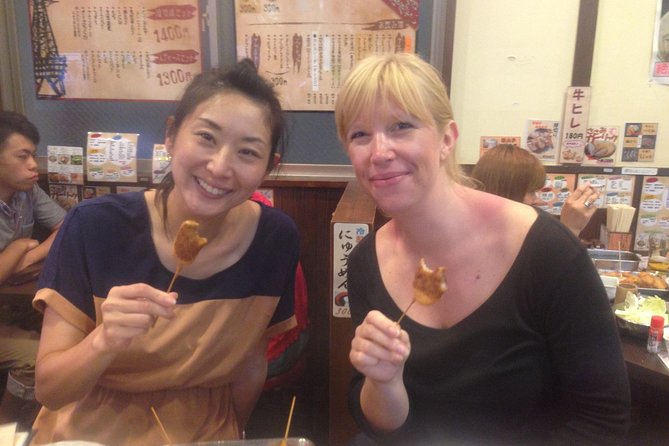
After the market, the tour travels by subway to Shinsekai, one of Osaka’s most famous food zones. The idea is simple: you see ingredients at the source, then you taste how those flavors become comfort food.
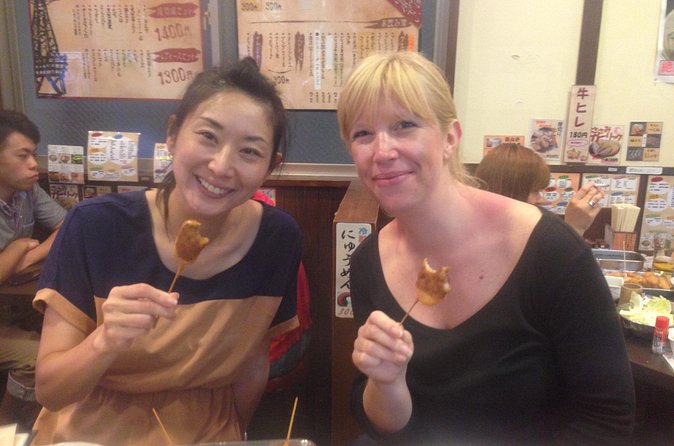
You spend about one hour here with your guide. The lunch stop is traditional in style and includes snacks as part of the tour, not just one heavy meal. This matters because you can pace your eating and still enjoy the flavors.
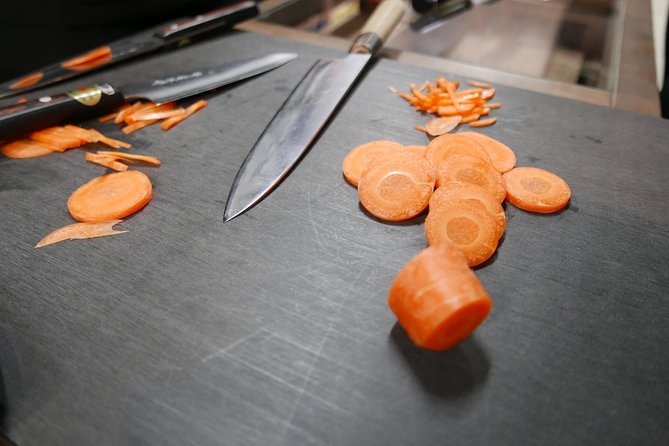
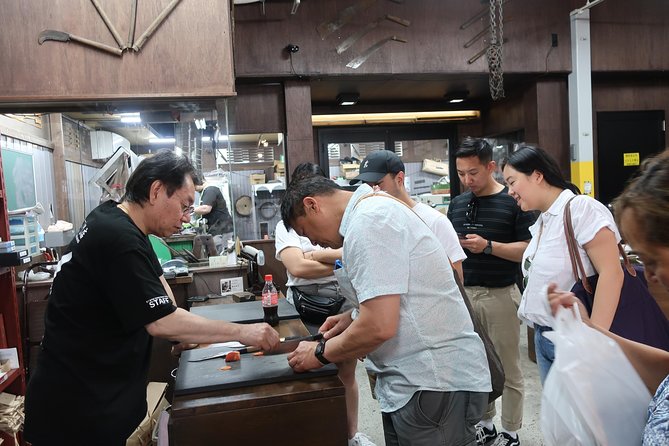
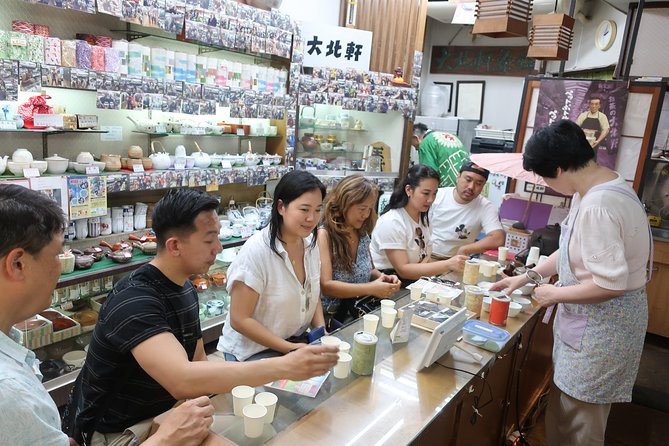
Two extra details make this more than a basic lunch. First, the guide takes you to a tea shop to compare different types of Japanese tea. Second, you stop by a kitchen knife shop. Those are small detours, but they connect food to tools and everyday culture.
Even if you do not buy anything, the tea stop helps you understand why certain teas pair well with different flavors. Japan’s tea culture is not one-size-fits-all, and being able to compare options makes the experience feel intentional.
And yes, the comfort food highlight is okonomiyaki cabbage pancakes. This is the kind of dish you eat with your hands, your chopsticks, and your curiosity. Osaka okonomiyaki is often about the mix, the texture, and the sauce, and a guided lunch helps you know what to look for while you eat.
One more small note: the itinerary suggests you also get chances to try local food and lunch where locals love. That signals you are not just stuck with a tourist menu. You are there to eat like a normal person would.
Plates worth crossing Osaka for
The Ebisu Bridge Finish: Dotonbori After You’re Full
The tour wraps after a short 10 minutes stop at Ebisu Bridge, with the option to end near Dotonbori and Namba, often described as Osaka’s Times Square. The goal is to finish you in the right place, right when you are ready to explore on your own.
This is a smart design. By the time you reach Dotonbori, you already have a morning market education and a Shinsekai lunch. Now you can wander with better food instincts, reading signs and spotting dishes you actually understand.
If you want an easy plan after the tour, keep it simple. Start with a sweet or a light snack instead of another big meal right away. You will be tempted by street vendors and neon signs, but your stomach will thank you for pacing.
Also, Dotonbori is easier to enjoy when you are not doing it while herded into a group schedule. The tour ends at a good point, so you can slow down, linger, and choose what looks best to you.
What You Actually Get for the Price
The price is $130.64 per person for about 4 hours, with a small group (up to six) and a guided market-to-lunch route. You also get food samples for lunch, lunch, and snacks. Admission tickets for the listed stops are shown as free.
So what are you paying for, besides food? You are paying for the guide, the route that connects supply to table, and the fact that the tastings happen at the right time of day. Market mornings are the hardest part to DIY. You might find the market, but you probably will not get the same direction and sampling flow.
What is not included is important for your budget. Alcoholic beverages are not included. Also, public transportation is not included and is listed as ¥410 per person. That is not a dealbreaker, but it is something to plan for if you are trying to keep a tight daily spending target.
One more practical value point: the tour offers a mobile ticket. In a day with subway rides and tight meeting points, that can save you time and confusion.
Finally, reviews average out to a 4.7 rating with 93% recommended, which usually means the experience lands well for most people who book it. The strongest praise centers on the guide quality and the quality of food tastings.
Guide Quality Is a Big Part of the Magic
When I see market and food tours done well, the guide is doing more than pointing. A top guide connects the dots between what you see and what you eat next.
One review mentioned a guide named Ichiro san, praised for explaining areas with a bit of history and great facts, and for being patient while leading the group. That kind of guiding style matters in markets, because you are often surrounded by activity and you need clarity to feel comfortable.
Even if you do not get the same guide name, the tour’s structure suggests you should expect this kind of active explanation. You are in Osaka’s food culture for a reason, and the guide is there to help you understand what you are tasting, not just where to stand.
Who This Osaka Food Walking Tour Is Best For
This tour is built for people who like food and also like learning why food works. If you are a first-timer in Osaka, you get a smart cross-section: market ingredients, Shinsekai comfort food, then Dotonbori energy at the end.
You will also enjoy it if you like guided structure. You are not left to wander and guess at the market, which can be overwhelming even when you have good photos and a translation app.
It may be less ideal if you do not want seafood, since the experience includes sashimi samples. If you are only okay with cooked foods, you will have to decide if that is a deal-breaker for you.
Should You Book This Osaka Food Walking Tour?
Book it if you want Osaka food with real context, not just a line of dishes. The market start plus Shinsekai lunch is a strong pairing, and the small group size is the kind of detail that often makes the difference between a fun morning and a stressful one.
Skip it or think twice if your food rules are strict on seafood, especially raw fish. Also, factor in that the tour does not include subway costs, and your day still needs a bit of budget for transit and any extras you want after lunch in Dotonbori.
If you are flexible and curious, this tour is a practical way to get a memorable Osaka day in about four hours, ending right where you likely want to keep exploring.
FAQ
How long is the Osaka Food Walking Tour with Market Visit?
It runs for about 4 hours.
What time does the tour start, and how long is it active each day?
The start time is 9:00 am.
What is included in the tour price?
The tour includes food samples for lunch, lunch, and snacks.
Is public transportation included?
No. Public transportation is not included, and it lists ¥410 per person.
Where do the tour start and end?
It starts at Daikokucho Station and ends near Ebisu Bridge in Dotonbori, with the tour finishing around Namba.
What is the cancellation policy for a full refund?
You can cancel for a full refund if you cancel at least 24 hours before the experience’s start time.
Osaka on Foot: More Walks

More Tours in Osaka

More Tour Reviews in Osaka
Latest out of Osaka


Food & Drink, side by side.
 ★ 4.8Osaka: Shinsekai Food Tour with 13-15 Dishes at 5 EateriesFrom $532,204 reviews
 ★ 5.0Osaka Food Tour: 13 Dishes at 5 Local EateriesFrom $732,149 reviews
 ★ 5.0Osaka Local Foodie Walking Tour in Dotonbori and ShinsekaiFrom $111985 reviews
 ★ 4.9Hungry Osaka Street Food Tour: 15 Dishes & 3 DrinksFrom $79694 reviews
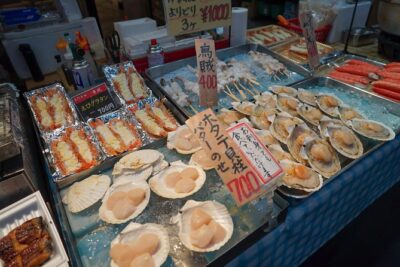 ★ 5.0Kuromon Market Food Walking Tour in Osaka (6 stops, 6 tastes)From $50550 reviews
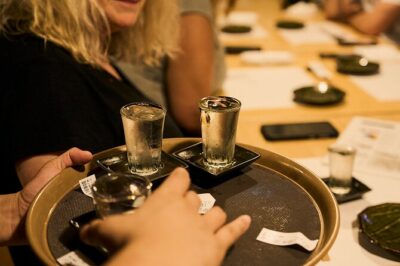 ★ 5.0Osaka: Guided Food Tour with 12 Dishes at 4 Local EateriesFrom $83533 reviews
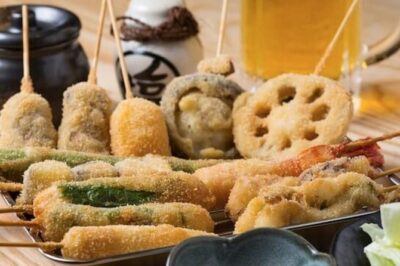 ★ 5.0Absolute Osaka Food TourFrom $231309 reviews
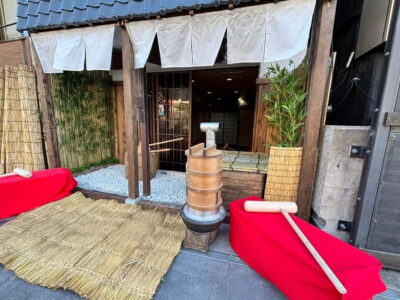 ★ 4.9Osaka: Traditional Mochi Pounding Experience with TastingFrom $31306 reviews
Also worth a look in