
REVIEW · WALKING TOURS
Osaka: Main Sights and Hidden Spots Guided Walking Tour
Osaka hits you fast, then explains itself. This 4-hour guided walk stitches together Osaka Castle Park history, Korean Town lanes, and the neon chaos of Dotonbori back streets, with a story-forward local guide. The biggest tradeoff is simple: it is a lot of walking plus public transport, and the tour is rain or shine.
What I like most is how the tour balances big landmarks with side streets you would probably miss solo. Guides such as Ferdinand and Kevin have a knack for turning each stop into a clear snapshot of Osaka culture, not just a photo lineup. One more consideration, there are no formal food stops, so if you expect a guided meal, you will need to grab snacks on your own along the way.
If you want an easy first-day orientation and you enjoy history with humor, this one fits. It is also a solid deal for $59 since you get the guide for the whole 4 hours and a route that uses efficient transit between districts. Just bring comfortable shoes, and plan your subway pass to match the meeting point.
Key things that make this tour worth your time
- Osaka Castle Park from the outside plus stories about what nearly happened to the castle centuries ago
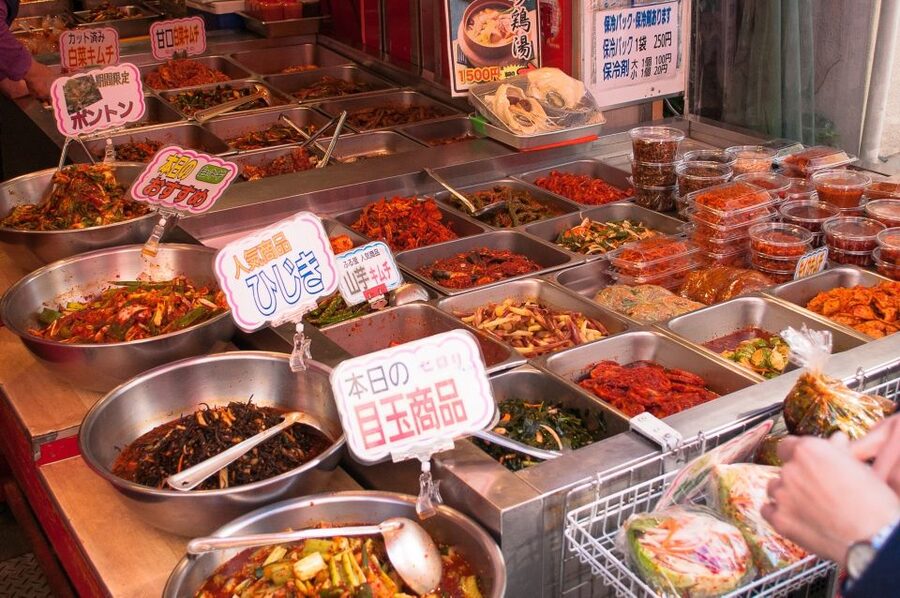
- Tsuruhashi’s Korean Town street maze, where older commercial lanes still feel like Osaka’s back stage
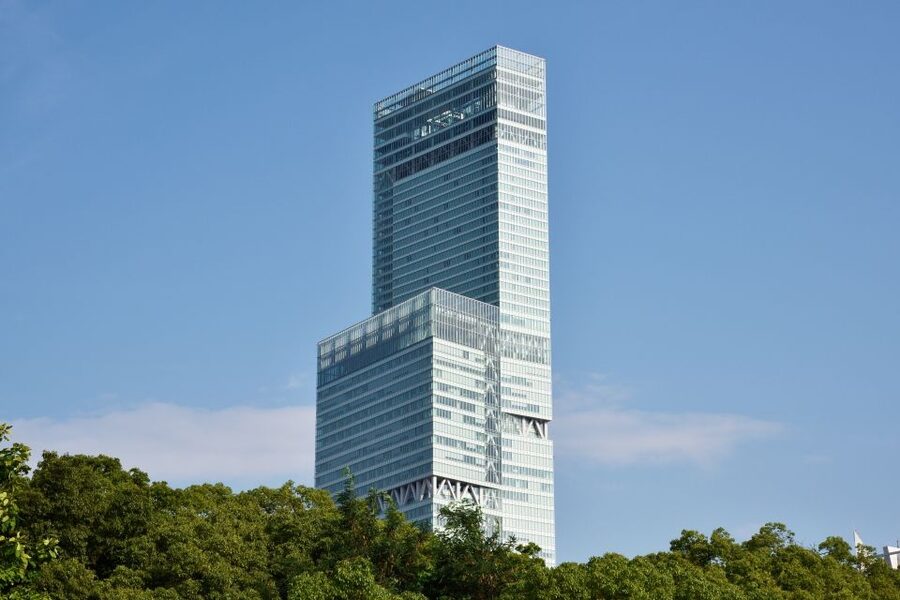
- Harukas 300 viewpoint paired with an underground department store food hall you can actually shop in
- Shinsekai and Namba as two different flavors of Osaka, old-school fun next to today’s shopping and nightlife
- Kuromon Ichiba and Doguyasuji for the market energy and the cooking district look, from noren curtains to wax food models
Osaka Castle Park first, so the rest makes sense
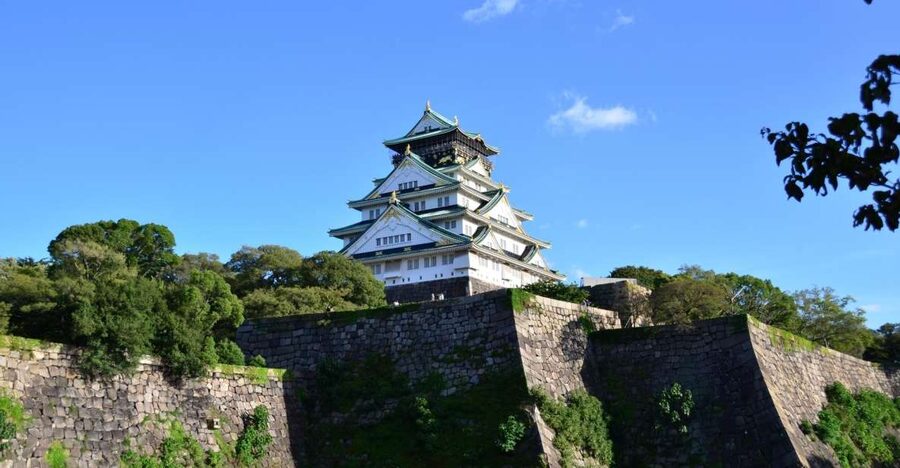
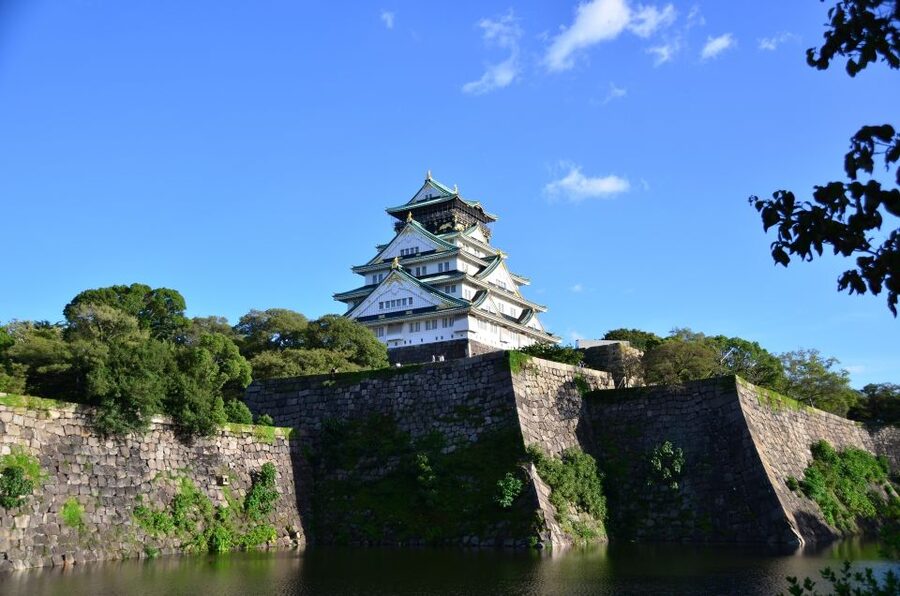
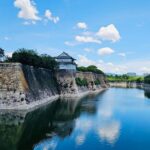
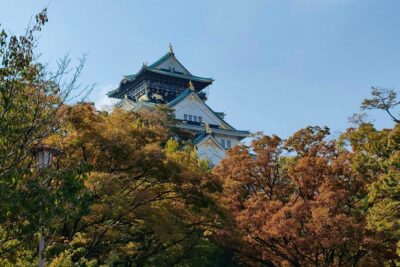
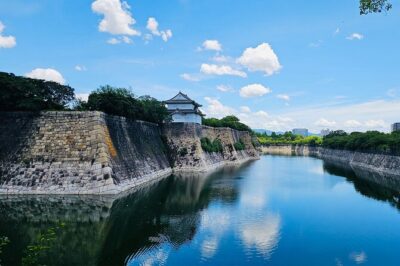
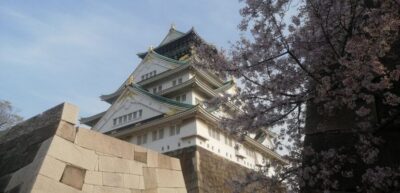
The tour starts in front of Tanimachiyonchome Station Exit 2, and that matters because it sets you up to understand Osaka as a living city, not a museum day. The first leg is Osaka Castle Park, where you do not go inside the castle. Instead, you admire the exterior and walk the park area at a guided pace.
This is a smart move. The castle grounds give you scale, and the guide can connect the skyline to the city’s political and cultural shifts without forcing you into a ticket line. The story element is a big reason people love this segment. You hear period storytelling that can include the Shogun era framing, plus a dramatic historical episode linked to the castle that happened about 400 years ago.
One practical note: because you are outside, you still get the castle atmosphere even if the weather is ugly. Still, Osaka weather can be stubborn, so if it looks questionable, pack a compact umbrella and dress for walking. You can easily end up with wet socks if you do not.
Osaka at walking pace, a few more
Tsuruhashi’s Korean Town, where old commercial streets feel real
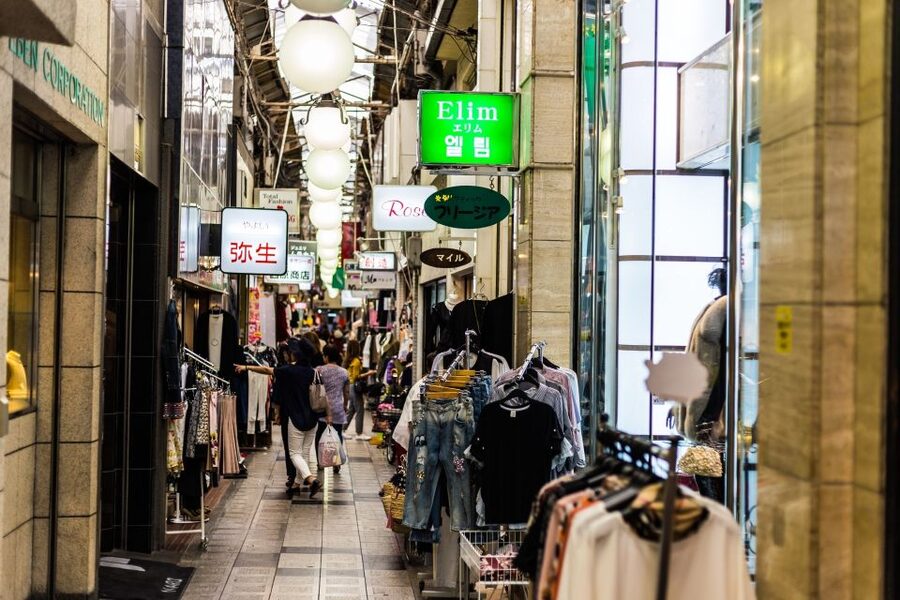
After the first landmark, you switch to Tsuruhashi, a neighborhood known for its Korean Town character. The guide leads you through narrow streets and alleyways, the kind of place where signage can help, but context makes it click.
What makes this stop valuable is how it shows Osaka’s layers. This is not only about food or shopping. The tour uses the neighborhood’s pre-war commercial vibe to explain how communities shaped day-to-day life. You get a maze-like stroll that feels different from the polished main tourist corridors.
The drawback is that alleyways and crowds can create bottlenecks. If you are traveling with someone who gets tired quickly, take your cue from the guide and pause when you need to. Most of the time, the pacing is relaxed, but it is still a walking tour, and you will be moving.
Harukas 300 for the view, then food hall shopping for the reality check
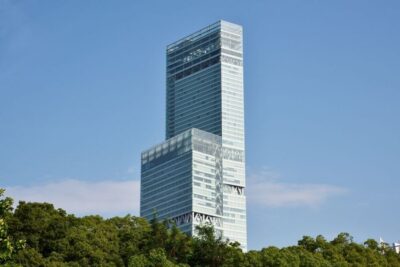
Next comes public transport to the Harukas 300 building. You get a viewpoint from high above, which is useful in a city like Osaka where districts can feel disconnected at ground level. From up there, you can spot how the city spreads and how your later stops fit together.
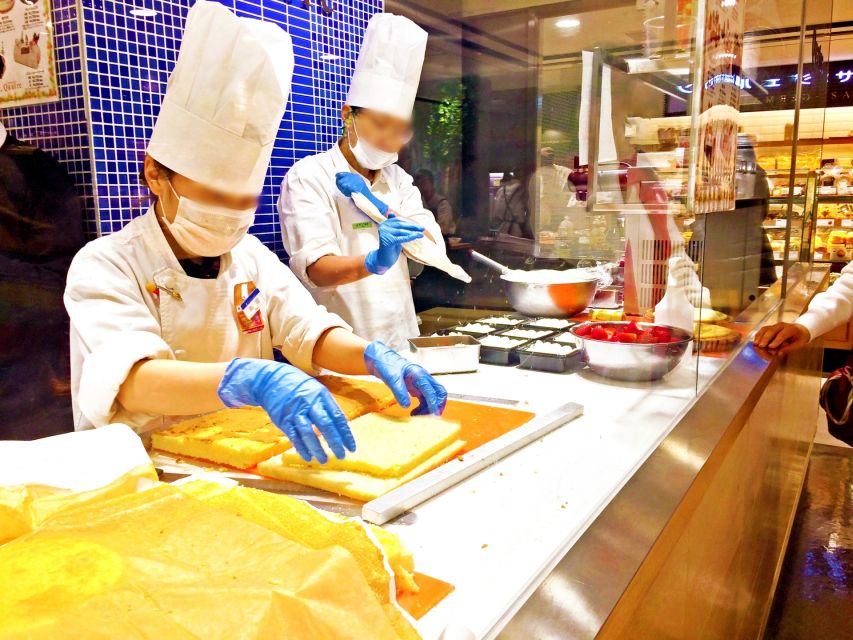
Then the tour heads underground to the department store food hall. This is where the experience becomes practical, because you are not just looking. You can browse high-quality products and see the kinds of items people actively buy, from seafood examples like puffer fish to luxury meat products like Kobe beef.
A quick reality check: the food hall is a shopping environment, not a tasting tour. Since food and drink are not included and there are no planned food stops, you might only snack if you choose. If your priority is a full sit-down meal, plan that separately after the tour.
What I like here is the contrast. The viewpoint satisfies the big picture craving, and the food hall gives you the local, everyday side of Osaka’s food obsession.
Shinsekai’s old fun meets Namba’s present-day energy
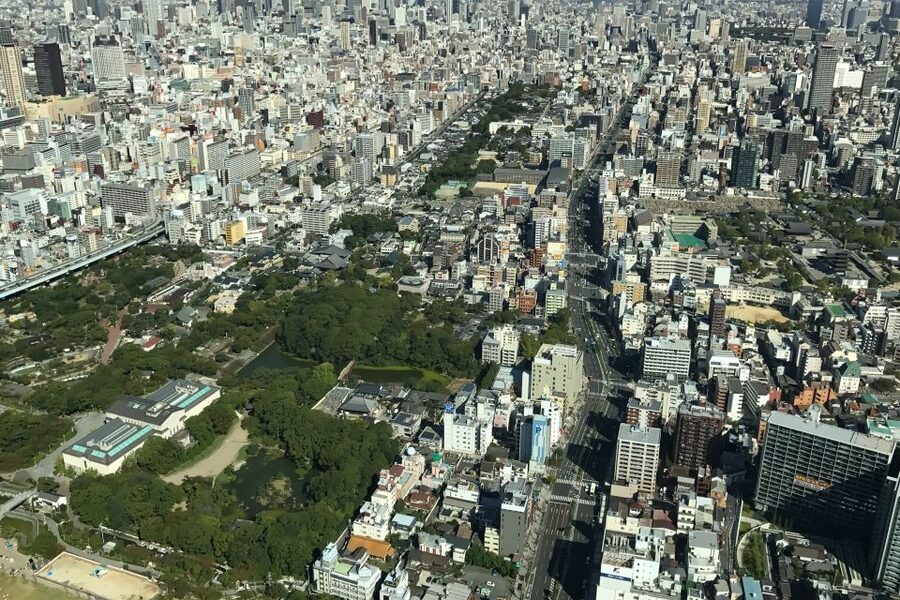
Shinsekai comes next, described as a traditional district with a slightly crumbling, time-frozen feel. This is one of those places where the visuals do half the work. Neon is present, but the vibe feels older and more local than the big-name entertainment zones.
From there, the route shifts toward Namba, the center of Osaka’s current shopping, dining, and entertainment culture. Namba is where Osaka leans into its reputation for bold street life. Expect guided time here that is shorter than the first districts, but still enough to feel the shift in energy.
Two differences matter for your planning. First, Shinsekai can feel more atmospheric and photo-friendly, while Namba is more activity-heavy. Second, Namba is a good area to orient yourself for the rest of your trip. Once you know where Namba sits in relation to Dotonbori and Kuromon, you can build the following days more easily.
Dotonbori, Kuromon Ichiba, and Doguyasuji: eat with your eyes
The tour’s late run is where Osaka turns into pure sensory overload, in a good way. You head into Dotonbori, often described as Osaka’s answer to Times Square. You walk the iconic corridor, then peel off into quirky back streets with their own surprises.
This is a strong finale because it shows the Osaka style of mixing spectacle and street-level personality. You are not just seeing famous spots. You are learning how Osaka communicates its identity through signage, crowd flow, and neighborhood layout.
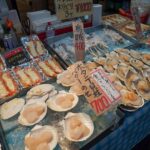
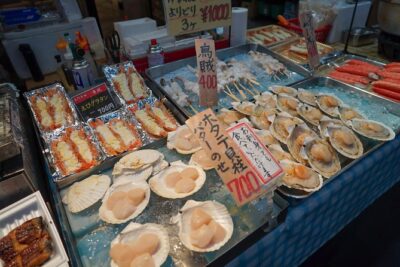
Then there is Kuromon Ichiba, a fresh fish market with a long role in the city, over 150 years. The guide helps you understand why this kind of market matters. Markets like this are not only for eating, they are for daily rhythm and local economy.
Finally, Doguyasuji brings you to the cooking and kitchen district. If you like details, this stop is a treat. You will see wax food models, noren curtains that hang at kitchen entrances, and large pottery pieces. It is a visual reminder that Osaka’s food culture is not only about restaurants, it is also about the tools, the textures, and the everyday craft of cooking.
The one drawback with this last stretch is simple: it can be crowded, especially around peak hours. Stay close to the group, and keep your phone secure. You will take photos, but you will also be dodging foot traffic.
More days made easy by a guide
How the guide changes the whole experience
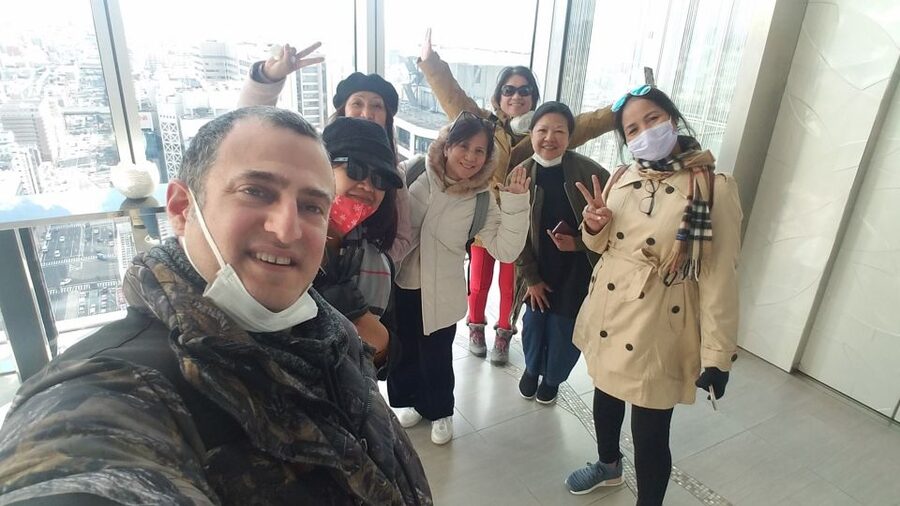
This tour lives or dies by the guide, and the ratings are high for a reason. Guides such as Oisin, Oshin, Brian, Jamie, Oisin again, and Hugo show a consistent pattern in how they teach: they give historical context, then connect it to what you see on the street today.
In practice, that means you will hear more than facts. You get connections like why certain districts became famous, what the city valued in different eras, and how those values still show up in shopping lanes and street life. People also highlight that the guide keeps conversation moving and answers questions without making you feel rushed.
I also like that the group experience is described as relaxed, even though you cover a lot of ground. One guest mentioned that their guide adjusted on the fly for slower walkers and heat energy dips. Another mentioned photo help, including guiding where to stand for better shots.
Just temper expectations: extras like photo coaching or an extended tip conversation depend on your guide and your pace. The core value stays the same. You leave with a clearer map of Osaka and a better sense of how the city thinks.
Price and logistics: what $59 really buys you
At $59 per person for 4 hours, the value is mostly in the guide time plus a smart route. You are not paying for museum tickets because Osaka Castle entrance is not included, and food is not included. What you are paying for is local storytelling, guided navigation, and the ability to move efficiently between districts.
Transportation is not included, so you will use public transit during the tour. The operator specifically asks you to buy a subway day pass and use it to reach the meeting point and during the tour. That tip matters because you will otherwise bounce between single fares and waste time planning.
Meeting is above ground at Tanimachiyonchome Station Exit 2. If you come by taxi, the intersection name is tanimachi 3-chome. The tour ends at 1-chōme-4-2 Nanba, Chūō-ku, Osaka, 542-0076, Japan. That ending location is convenient because it is in the exact zone where you would probably want to continue exploring anyway.
One more cost consideration: pickup is extra, 5000 yen, and can be paid cash to the guide in central Osaka or arranged through a secure payment link. If you are already close to the meeting point, you will likely skip pickup and just use the subway day pass.
If you are solo, there is a minimum group requirement. If the minimum of 2 guests is not met, the operator offers options such as an alternate date, a 4000 yen solo supplement, or a full refund.
Finally, pack for rain. The tour takes place rain or shine. It is not an indoor show.
Who this tour fits best, and who should skip it
This tour is ideal if you want a first-time Osaka orientation with history, food culture, and street-level neighborhoods in one half-day. It also works well for people who like walking routes that do not feel like a strict checklist, since the guide helps you connect the dots between older and newer Osaka.
It is less ideal if you strongly prefer indoor attractions or scheduled meal experiences. Since there are no food stops and Osaka Castle entry is not included, your eating plans will be DIY.
On mobility, the information is mixed. The tour is listed as wheelchair accessible, but it also notes it is not suitable for people with mobility impairments. If mobility is a concern for you, contact the provider before booking so you can confirm whether the route and surfaces match your needs.
Should you book this Osaka guided walk?
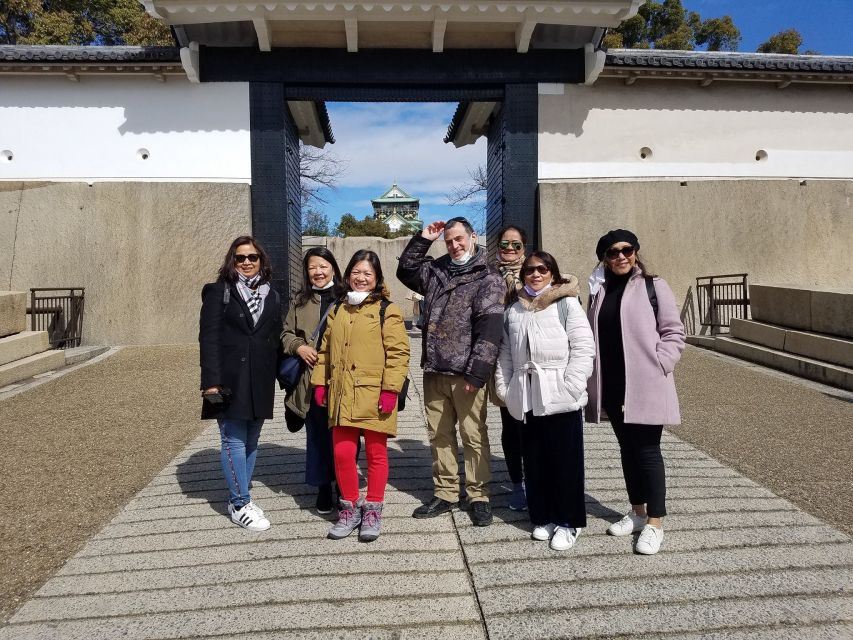
If you have 4 hours and you want the best chance of understanding Osaka fast, I think you should book this. The route covers the big anchors you will hear about, plus the neighborhoods and street details that make Osaka feel different from other Japanese cities. The best part is the guide storytelling, with names like Ferdinand and Kevin showing up repeatedly for a reason, clear explanations and strong pacing.
Skip it only if you want a ticketed castle interior, guaranteed guided meals, or a no-walking day. Otherwise, bring good shoes, grab a subway day pass, and let the guide do the hard work of turning a lot of streets into a coherent Osaka map. That is exactly what this tour is built to do.
FAQ
Does the tour go inside Osaka Castle?
No. You admire the grand exterior and stroll around Osaka Castle Park with the guide, but the tour does not go inside the castle.
What kind of food is included?
Food and drink are not included, and there are no food stops. You will have chances to buy snacks along the way if you get hungry.
How long is the tour?
The tour lasts 4 hours.
Where do I meet the guide?
Meet above ground at Tanimachiyonchome Station Exit 2. If arriving by taxi, the intersection is tanimachi 3-chome.
Does it run rain or shine?
Yes. The tour takes place rain or shine.
What languages are available?
The live guide is available in English, French, and Spanish.
Osaka on Foot: More Walks

More Tours in Osaka

More Tour Reviews in Osaka
Latest out of Osaka


Walking Tours, side by side.
 ★ 5.0Osaka Local Foodie Walking Tour in Dotonbori and ShinsekaiFrom $111985 reviews
 ★ 5.0Osaka Bar Hopping Night Walking Tour in Namba (3 bars, 6 tastes)From $98958 reviews
 ★ 4.9Osaka: Deep Backstreets Walking Tour with Dinner OptionFrom $40902 reviews
 ★ 5.0Ultimate Osaka Walking Tour: Castle, Dotonbori & Hidden GemsFrom $73862 reviews
 ★ 5.0Private Osaka Walking Tour: Highlights & Hidden GemsFrom $81569 reviews
 ★ 5.0Osaka Castle Walking Tour and Castle Tower AdmissionFrom $23561 reviews
 ★ 5.0Kuromon Market Food Walking Tour in Osaka (6 stops, 6 tastes)From $50550 reviews
 ★ 4.7Osaka: Five Must-See Highlights Walking Tour & Ramen LunchFrom $56411 reviews
Also worth a look in