
REVIEW · DOTONBORI NEON & STREET FOOD WALKS
Osaka Dotonbori: Hand Roll Sushi Experience
That first smell of real wasabi is a gut check.
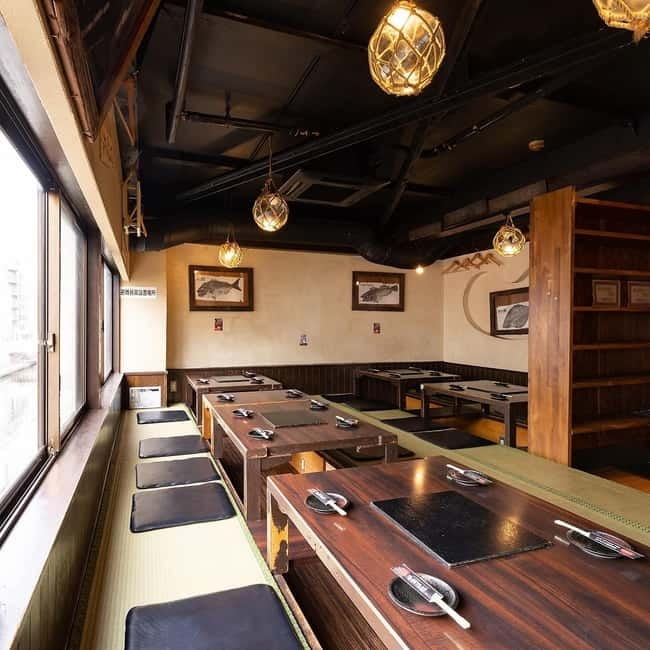
This Osaka hand-roll sushi class pairs hands-on technique with Dotonbori River views from a tatami room, plus a wasabi tasting that many people find surprisingly intense. I also love how the lesson moves in a clear order, starting with sushi basics and rice prep before you roll your own.
The second thing I really like is the practical feel of the cooking. You are not just watching, you are building hand-rolled sushi with fresh ingredients and then tasting what you make, all while the staff keeps things friendly and in plain English. One possible drawback to plan for: you may eat some of your sushi during the session, and ingredient options can be limited, so it may not match every strong fish preference.
Key things I’d mark on your Osaka plan
- Tatami room with Dotonbori River views, so your break from the street feels real
- Hands-on hand-roll sushi, not a demo class
- Sushi rice session, including vinegar mixing and what to pay attention to
- Wasabi tasting focused on the real aroma and spiciness, not the mild stuff
- English-led experience with a warm chef and helpful assistant vibe
- Value for the price, because you learn technique and you eat what you roll
Finding Kaisen Monogatari Dotonbori on Dotonbori’s main street
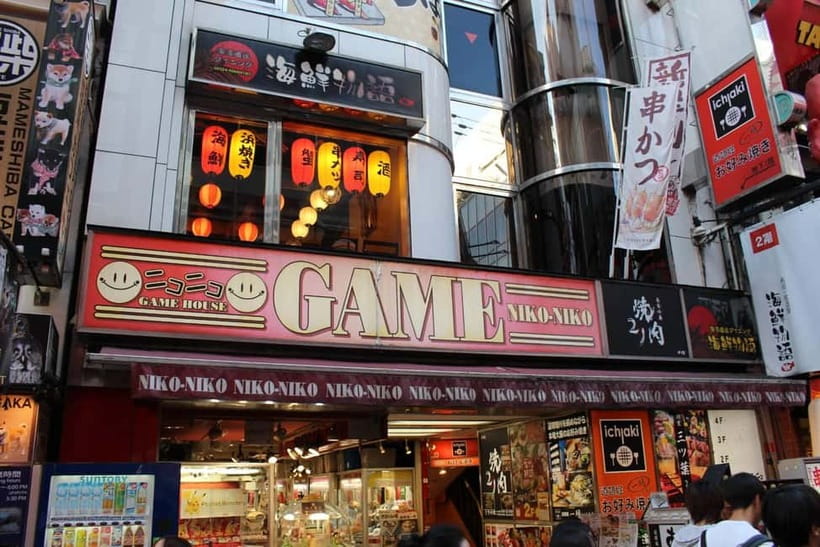
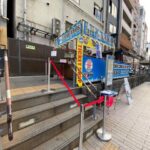
This class is in the Dotonbori area, but the moment you step inside, it shifts gears. The meeting point is simple: go to 海鮮物語道頓堀店にお越しください. The entrance is on the main street, and you are heading to the second floor of the Nico Building.
A small detail that matters: there is a game arcade on the first floor. So if you see bright lights and noise downstairs, don’t worry. You’re going up. Once you’re in, you get the quieter tatami room setup with the river view that makes the experience feel special without being fancy for the sake of fancy.
Because it runs twice a day, you’ll want to plan your Osaka browsing around it. Sessions are at 12:00 pm and 2:00 pm, and each one lasts two hours. If your day is already packed, the tight time window is good. It’s also a reminder to arrive on time so you do not lose any rolling practice.
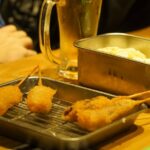
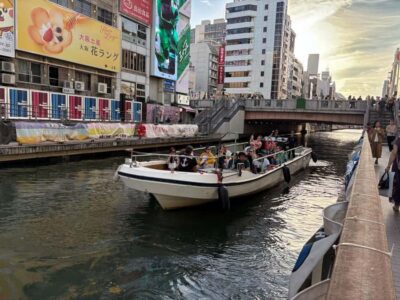
More of the canal after dark
The 2-hour flow, from sushi basics to your first hand roll
The program follows a logical rhythm, and that structure is part of the value. You start with an introduction to sushi, then move into the key skill, sushi rice. After that, you do a wasabi tasting, and finally you roll your own hand-rolled sushi with fresh ingredients.
Sushi introduction
This is not a long lecture. Think of it as setting expectations: what hand-rolled sushi is aiming for, and what makes sushi taste the way it does. If you are new to Japanese seafood flavors, this part helps you stop guessing and start paying attention.
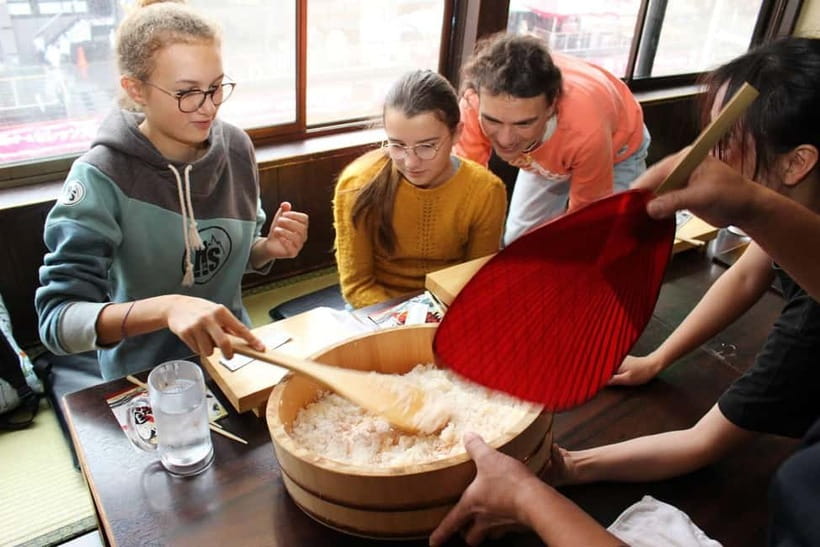
Making sushi rice
The rice is the foundation. You get a session on how Japanese rice works and how to mix vinegar into it properly. Even if you never plan to make sushi at home, the lesson helps you understand why great sushi tastes clean and balanced instead of just salty and fishy.
A practical tip, even if it is not framed like a tip: watch for texture cues. Sushi rice should feel right in the hand and it should behave when you shape it. This is one of those skills where the technique is hard to fake, and the class gives you a chance to learn the method, not just the idea.
Real wasabi tasting, the smell and the kick
The wasabi tasting is one of the most talked-about parts, and I get why. Most places serve a green paste that is more about color than the real thing. Here, the tasting is designed around the unique aroma and spiciness of real wasabi, so you can actually experience the difference.
What you should expect is a sharp sensory moment. Real wasabi tends to hit your nose and then your throat. It can feel intense if you are used to the mild versions. If you like a food challenge, this is fun.
If you are sensitive to heat, you can still enjoy the lesson. You are tasting as part of a guided session, not signing up for a chili contest. The key is to go in aware that the flavor profile is more like a strong root spice than a gentle condiment.
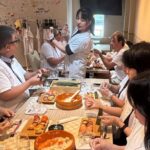
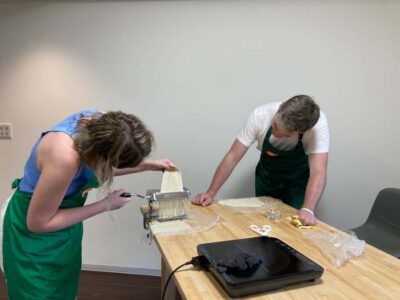
More rice, more knife work
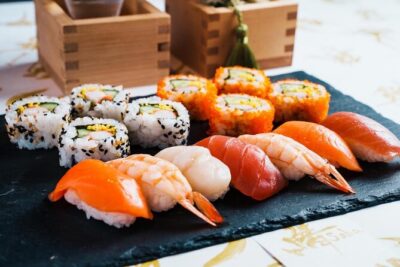
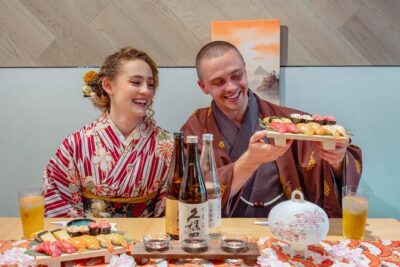
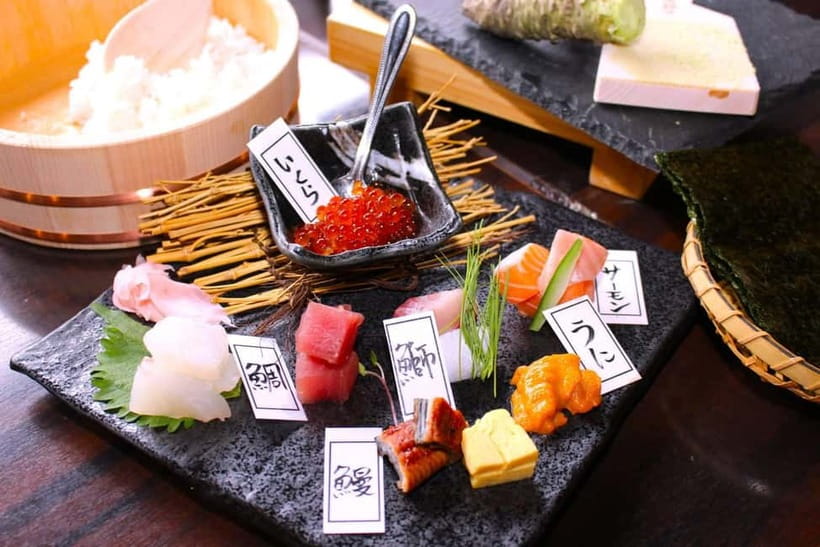
Rolling your own hand-rolled sushi, tools, choices, and technique
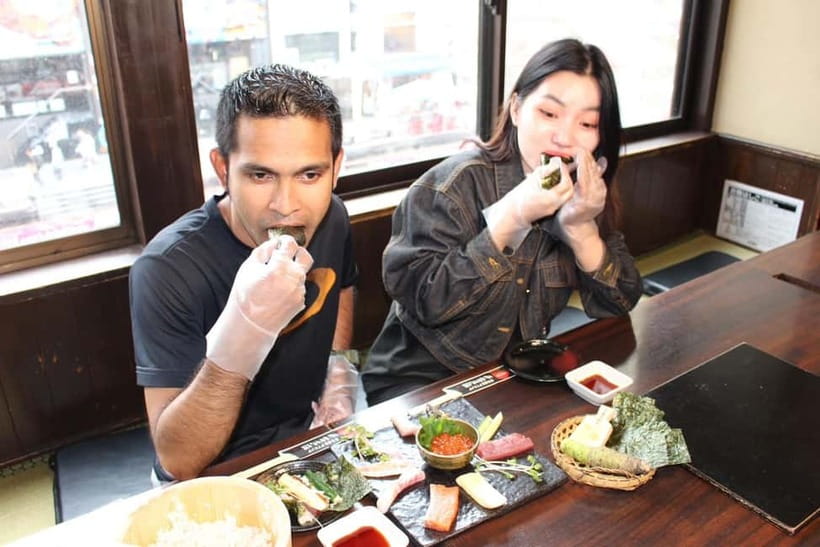
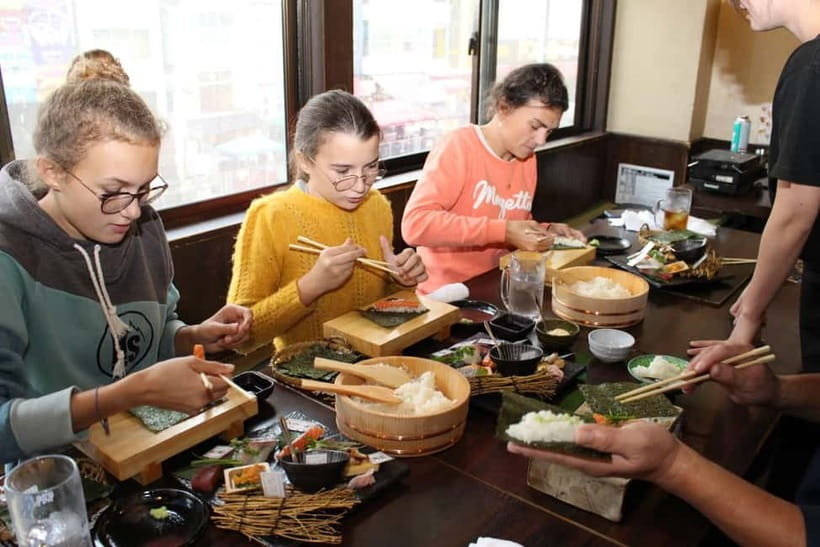
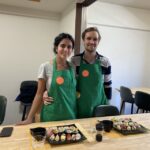
After rice and wasabi, you get the hands-on part: making your own hand-rolled sushi. This is where the experience turns from learning to doing.
You get all materials and tools, which matters. It means you do not spend your trip figuring out where to buy anything or worrying about having the right gear. You also get a 1 drink service, listed as a soft drink, which is a nice buffer when you are rolling and tasting back-to-back.
What makes the rolling lesson worth it
Hand-roll sushi is deceptively simple. The hand-shaping matters, the rice portion matters, and the way the topping sits matters. This class teaches you where people usually go wrong and what to aim for.
You’ll also notice the pairing approach. In practice, the chef shares a homemade soy sauce to match your rolls. That combo lesson is useful because it tells you how Japanese cooking thinks, balance first, then adjustment.
About ingredient options and fish preferences
Most of the experience feels structured and guided, but your ingredient options can vary. One common point to flag: you might not get total control over which fish is used in your rolls, and that can be disappointing if you have strong preferences. If you are picky, I would treat this as a hands-on seafood class, not a build-your-own menu where you choose every topping.
Also, be aware that the way food is served can affect your expectations. Some people like the idea of making a final set of rolls to be presented all at once. In this format, you may eat what you make during the session, which can shorten the suspense and shift it into snack mode.
Tatami comfort and the Dotonbori River view
This is one of the “Osaka gets under your skin” moments. The class takes place in a tatami room with views of the Dotonbori River. You can be in the middle of one of the city’s most recognizable districts, but still feel like you’ve stepped into a calmer pocket.
It also changes the way you experience food. Sushi is small bites. When you eat it with a view and a relaxed seated setup, it feels more like a slow moment than a rushed meal-between-things.
And it’s practical for your trip. If you’re doing Dotonbori for lights and street scenes earlier, this gives you a contrast. It’s not another photo stop. It’s a seat, a lesson, and then the taste.
Price and value: is 8,000 yen fair for what you get?
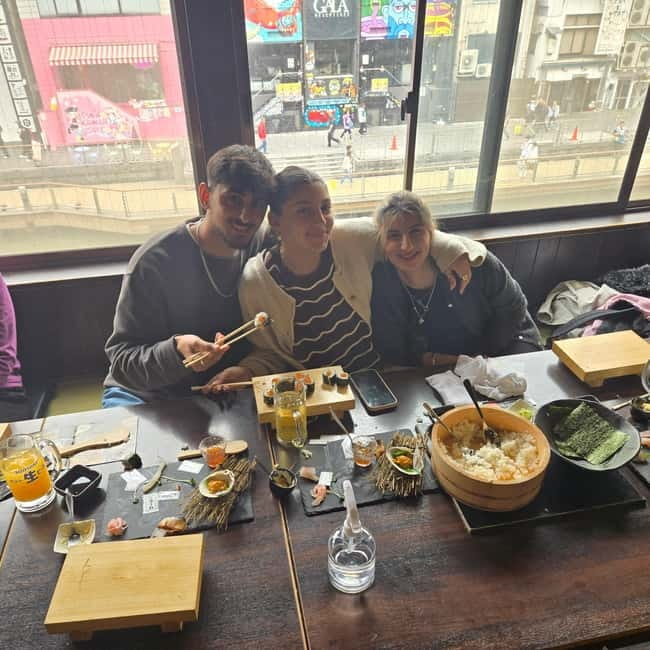
The cost is 8,000 yen per person (tax included). That sounds like a splurge until you map it to what’s included.
You’re getting:
- Introduction to sushi
- A sushi rice making session
- Wasabi tasting
- Hands-on hand-roll sushi making
- All materials and tools
- 1 soft drink
For a food class, the value is strongest because you do multiple technique steps, not just one. Rice prep and wasabi tasting are “why it tastes good” components. Rolling your own is the “I can do this” component. And since you taste what you make, you get both the learning and the payoff.
If you were going to eat a sit-down sushi meal anyway, this can feel like getting lunch with a lesson attached. It is not the cheapest way to eat in Osaka. But it can be one of the more memorable ways to learn Japanese food flavor basics in a short window.
Who this hand-roll class is best for
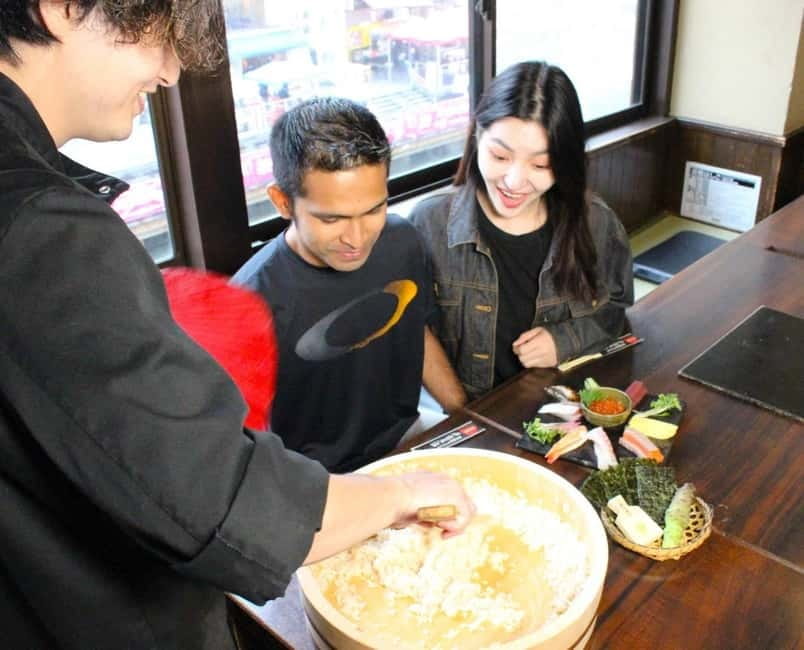
This experience fits best if you want an Osaka activity that is:
- Food-focused, not just a sightseeing checkmark
- Hands-on, with technique you can understand quickly
- Small, seated, and not overly formal
It is a great fit for couples and families because everyone participates in rolling. It also works well for solo travelers who want structure and a built-in way to interact with the chef and assistant in English.
If you are only interested in a quick snack, you might find the two hours a lot. If you are deeply into sushi at an advanced level, you may want more tasting depth or longer instruction time than this offers. But for most people, it hits the sweet spot.
What to bring, and how to prepare so it feels easy
The experience gives you tools and materials, so packing is mostly about comfort. Bring:
- A hat
- A camera
- Water
- Comfortable clothes
Water is smart because you’re tasting and learning. Comfortable clothes help too, because you’re seated in a tatami setting for part of the time.
Language is listed as English. That matters if you want to understand what you’re doing instead of only following motions. If you are the type who likes asking questions while you cook, this format gives you space to do that.
Should you book the Osaka hand-roll sushi experience?
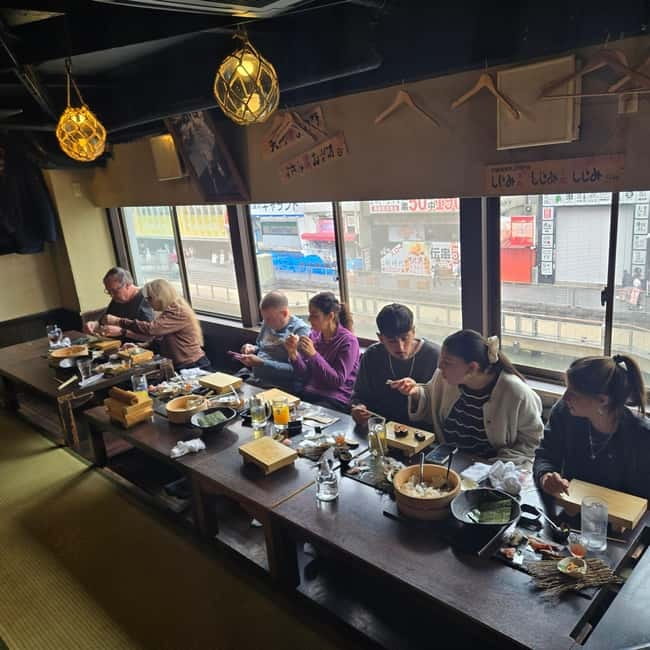
Book it if you want a short, focused class with a strong sensory highlight. The wasabi tasting and the sushi rice lesson are the two anchors that make this more than a “watch and eat” moment. You get hands-on rolling and a relaxed tatami setup with Dotonbori River views.
Skip it or choose carefully if you expect full ingredient control. Some formats can limit fish choice, and you might end up eating something you would not normally pick. Also, if you hate the idea of eating during the process, note that the flow can turn into tasting as you go rather than waiting for a final plate.
If you’re deciding between “just eat sushi” and “learn sushi basics,” I’d lean toward this class. It’s not only about filling your stomach. It’s about leaving with a clearer sense of how Japanese rice, wasabi intensity, and small-bite presentation all fit together in one roll.
FAQ
How long is the hand-roll sushi experience?
Each session lasts two hours.
What time does the experience run in Osaka?
It runs twice daily, at 12:00 pm and 2:00 pm.
Where exactly is the meeting point?
Start at 海鮮物語道頓堀店にお越しください.
Where is the activity located?
It is on the 2nd floor of the Nico Building, 1-6-12 Dotonbori, Chuo-ku, Osaka.
Is there an arcade nearby?
The game arcade is on the first floor.
What is included in the price?
You get an introduction to sushi, making sushi rice, a wasabi tasting, and a hands-on hand-rolled sushi experience. All materials and tools are included, plus 1 soft drink.
Do I need to bring anything?
Bring a hat, camera, water, and comfortable clothes.
How much does it cost?
The price is 8,000 yen per person (tax included).
Is the experience offered in English?
Yes, English is available.
What is the cancellation window?
You can cancel up to 24 hours in advance for a full refund.
More Tour Reviews in Osaka



More Rice and Knife Work


The Canal After Dark, Continued

Latest out of Osaka


Dotonbori Neon & Street Food Walks, side by side.
 ★ 5.0Osaka Local Foodie Walking Tour in Dotonbori and ShinsekaiFrom $111985 reviews
 ★ 5.0Ultimate Osaka Walking Tour: Castle, Dotonbori & Hidden GemsFrom $73862 reviews
 ★ 5.0Tea Ceremony Experience in Osaka DoutonboriFrom $20754 reviews
 ★ 5.0Osaka: Ramen and Gyoza Cooking Class in DotonboriFrom $70378 reviews
Osaka: Dotonbori River Cruise with Glico Sign & Neon ViewsFrom $12376 reviews
 ★ 3.9Osaka: Dotonbori’s Bridges 20-Minute CruiseFrom $12303 reviews
 ★ 4.9Osaka: Roll and Authentic Sushi Making Class in DotonboriFrom $45239 reviews
 ★ 5.0Osaka Local Bar Crawl in Dotombori & Uranamba AreaFrom $26199 reviews
Also worth a look in