
Sky views, a castle museum, and a river ride.
This full-day Osaka plan strings together three of the city’s biggest hits, starting at the Kuchu Teien Observatory (170 meters up) and ending with a photo-friendly cruise on the Aqua Liner. It is the kind of day that saves you mental effort, while still letting you see the real sights.
What I like most is the focus on great photo viewpoints with an English-speaking national government-licensed guide, plus the way the day connects iconic Osaka landmarks without feeling like a checklist. The Osaka Castle stop is also more than a quick exterior glance, with time in the museum-style interiors and exhibits tied to Toyotomi Hideyoshi and the Toyotomi family.
One drawback to plan for: it is a walking tour using public transport, with non-reserved seating and about 6 km of walking total. If you hate schlepping on someone else’s schedule, you may find it less fun than doing the route at your own pace.
Key things I’d bank on before you go
- Kuchu Teien Observatory open-air views with an open-air sky bridge, plus landmark spotting like Mt. Ikoma and Awaji Island
- Osaka Castle time with museum-style interiors and exhibits tied to the Toyotomi era
- Aqua Liner cruise around Nakanoshima with river views and camera-ready scenery
- Guide-led pacing with national government-licensed English interpretation, with past guides praised by name, including MoMo
- Flexible backup plan if the Aqua Liner is out of service, with the Osaka Museum of History as a substitute
Kuchu Teien Observatory at Umeda Sky Building: Osaka from 170 meters up
The day kicks off at the Umeda Sky Building area, then you head up to the Floating Garden Observatory, Kuchu Teien. This is a proper viewpoint, not just a window. You go up about 170 meters, and the observatory has an open-air sky bridge connecting the building’s two towers.
I like this first stop because it does two useful things for your brain. First, you immediately get your bearings in Osaka. Second, you can place the later sights into a mental map, especially the water and skyline patterns around the river.
Your guide will point out landmarks you can actually see from up there, including Mt. Ikoma and Awaji Island. They also give you time to look around. In practice, that matters because sunset light is different from midday haze, and the view is one of those things where you want a few minutes to settle your eyes.
The only thing to watch is that you’ll likely do a bit of stairs and standing as you move through the building and join the group flow. Comfortable shoes help, even though the stop is mostly viewpoint time rather than long hiking.
North of the river, and out to the bay
The Umeda walk and that Osaka Station lunch window
After the observatory, the itinerary shifts to Umeda proper. You get a stroll around the area, with about 30 minutes allocated here. The tour notes changes around Umeda, including Umekita Park’s opening in 2024, so this is partly about seeing a living city, not frozen-in-time Osaka.
This stop also sets up lunch. If you choose the without-lunch option (or if lunch time is not booked), you’ll get free time for lunch around Osaka Station. That is a practical move because Osaka Station is basically a food universe, and free time means you can choose your own vibe, from quick bites to sit-down meals.
If you choose the with-lunch option, lunch is handled at a later stop at Hotel Hankyu Respire Osaka, so Umeda time is more about walking, orientation, and keeping the day moving.
Two tips from how this day is structured:
- Expect to keep moving. The tour is designed as one long arc from viewpoint to castle to river.
- If you’re picky about food timing, decide early whether you want included lunch or prefer to hunt your own spot around Osaka Station.
Hotel Hankyu Respire Osaka lunch option: what you’re really paying for
Lunch is included only if you pick the with-lunch option. It is a Western-style set menu at Hotel Hankyu Respire Osaka, with about 50 minutes allocated.
This is one of those “value” moments in the tour. You are paying for convenience and simplicity, not gourmet fine dining. The upside is you are fed without having to negotiate menus, locations, and timing while also managing a group schedule.
Vegetarian meals are available, but you must request them at booking. If you do not request it ahead of time, the standard meal is served, and it is not possible to alter the meal plan on the tour day. Allergy-friendly meals and gluten-free meals are not available. For anyone with serious dietary needs, the safest approach is to choose the plan without lunch (a no-lunch plan is available from 2026, according to the tour info) so you can control what you eat.
Another practical note: the tour does not mention hotel pickup or drop-off, so lunch being included is a piece of the day’s puzzle, not an add-on luxury. It helps the itinerary stay on track.
Osaka Castle: Toyotomi era exhibits plus time to actually look
Next you take a train and then a short walk to Osaka Castle. This is one of Japan’s most recognizable castles, and the tour gives you real time inside, about 1 hour, plus extra time in the castle park area afterward.
The castle connects you to the Sengoku period through the story of Toyotomi Hideyoshi. The tour info notes the castle was built starting in 1583 with enormous stone blocks. You also get museum-style interiors with relics from old Osaka and displays related to the Toyotomi family.
This is where a guide can change your experience. A good explanation turns a building into a story you can follow. In fact, one of the strongest pieces in the feedback is praise for guides who shared historical and cultural context, with one guide named MoMo specifically called out as friendly, enthusiastic, and very knowledgeable.
After time in the castle interior, you also get about 30 minutes in Osaka Castle Park. That area includes remnants like stone walls and turrets from the Edo period (1603 to 1868). It also has seasonal flora, including cherry blossoms when they’re in season, and the park setting helps you stretch your legs after the concentrated museum time.
Two drawbacks to keep in mind:
- Osaka Castle can be crowded, and you may not move at full speed through every exhibit.
- Because this is a walking tour, your time inside depends on the group flow. If you love slow museum browsing, you may want a plan to return on your own later.
Aqua Liner cruise around Nakanoshima: the watery photo break that matters
Then it is down to the river for your Aqua Liner ride. This is one of the easiest parts of the day to enjoy because it shifts you from walking and standing on dry land to a moving viewpoint.
You board near the Osaka Castle Pier and cruise along the Ogawa River. The tour specifically calls out views around Nakanoshima, which is the classic river district where you can see Osaka’s water-city feel. The Aqua Liner also runs with seasonal scenery, which usually translates to nicer light on the water and better photo opportunities.
This stop is about relaxation, but also about perspective. From the water, you see a different Osaka than you do from towers or castle walls. It’s one of those moments where the city’s layout makes more sense.
There is a possible catch: the Aqua Liner may be out of service due to bad weather, temporary operational suspension, or other concerns. If that happens, the tour visits the Osaka Museum of History instead. And there is a special note for Tuesdays: if the Aqua Liner is unavailable on a Tuesday, Osaka Museum of History is closed, and the tour info says refunds of JPY 2,000 per adult and JPY 1,000 per child will be issued by the guide on tour day.
One more thing based on the mixed feedback: some people felt the cruise alone was not worth the added effort. If you are extremely cruise-averse, you might prefer using the included transport to go castle-focused. But for most first-time visitors, a river ride like this is a good change of pace after a full day of land walking.
Other Kyoto days, compared
Using public transit without stress: how the day flows
This tour uses public transportation with non-reserved seats, and seating is not guaranteed. That matters. You should be ready for standing, especially on busy rail segments and near transfer points.
The good part is that the tour removes decision-making from your day. You are not navigating connections while also trying to keep the group together. You follow your guide and the route is built to line up the observatory, Umeda, Osaka Castle, and the river.
You should also know the day is built for moderate physical fitness. The walking distance is approximately 6 km (3.7 miles). That is not a marathon, but it is enough that tired feet can make everything feel harder. The tour info is blunt about it: wear shoes and clothing suitable for walking.
Group size is capped at 25 travelers. That is a comfortable number. It’s big enough to feel social, but small enough that you can still hear your guide at key moments.
If you’re doing this from Kyoto, you should also pay attention to the train and guide accompaniment notes. For Kyoto departures, the tour information says:
- From Kyoto in 2025, there is an accompanying national government-licensed English guide interpreter on all sections.
- From Kyoto in 2026, the guide meets customers at Shin-Osaka Station, and an assistant leads customers until boarding the Shinkansen at Kyoto Station. There is no accompanying assistant or guide on board. On the return, customers are led by the guide until Osaka Station.
If you care about continuous guided commentary during the Shinkansen segment, that 2025 versus 2026 difference is worth noting.
Price and value: is $119.54 worth it for this Osaka day?
At about $119.54 per person, this is not a budget stroll. But it is also not just a vague guided walk. The value is in the bundled costs and guide coordination.
Included items are:
- The national government-licensed English guide interpreter fee
- Admission fees for key stops like Kuchu Teien Observatory and Osaka Castle
- Transportation costs as part of the tour
- Lunch only if you select the with-lunch option
- The tour uses a mobile ticket
One more value note: round-trip train transportation is included if you choose Kyoto departure options. If you’re staying in Osaka and choose the Osaka meeting point instead, you may not get that same broad round-trip rail coverage, so your value calculation should factor where you start.
So, who gets the best deal?
- First-time visitors who want a guided plan and don’t want to piece together transit plus ticket timing.
- People who like structured viewing with a guide explaining what they’re looking at.
- Anyone who values the viewpoint plus castle plus river in one day, with admissions handled for you.
Who might feel it is overpriced?
- People who are comfortable DIY-ing with Google Maps and already know how to reach Umeda, Osaka Castle, and the river areas.
- People who hate the walking portion or prefer private pacing.
The feedback is mixed, and that lines up with what you’d expect. Some people loved the guide and organization. Others said the core stops are simple enough to do on your own. I think the guide is the dividing line here. If you want interpretation and group planning, it is worth it. If you just want the route, you may find DIY easier on your wallet.
Should you book this Osaka day tour, or DIY it?
Book it if you want one day to cover three major Osaka experiences, with admissions and a licensed English guide doing the heavy lifting. I especially like it for the pairing of a high viewpoint early, then a grounded cultural stop at Osaka Castle, then the watery reset with the Aqua Liner cruise.
Consider skipping or DIY-ing if you know you will push back against walking, dislike non-reserved train seating, or you prefer total schedule control. Also, if the cruise is the only part you care about, double-check what day you are going, because Tuesday has special notes around the Aqua Liner and the museum backup closure.
If you do book, do two things that make a difference: wear proper walking shoes, and treat the observatory and cruise as photo sessions, not quick photo snapshots. The views are the point.
FAQ
Where is the meeting point if I start from Kyoto?
If you choose Kyoto as your meeting point, you meet at the JTB Sunrise Tours Desk in B1F of KYOTO AVANTI.
Where do I meet if I start from Osaka?
If you choose Osaka as the meeting point, you join the group at Hotel Hankyu Respire Osaka.
How long is the tour and how much walking is involved?
The tour runs about 9 hours. Walking distance is approximately 6 km (3.7 miles), and the tour expects a moderate physical fitness level.
What’s included in the tour price?
The tour includes a national government-licensed English guide interpreter fee, admission fees for the included sights, and transportation costs. Lunch is included only if you choose the with-lunch option.
Is lunch included, and can I get a vegetarian meal?
Lunch is included only on the with-lunch option. Vegetarian meals are available, but you must request them at booking. It is not possible to change the meal plan on the day of the tour.
Does the tour use public transportation?
Yes. The tour uses public transportation with non-reserved seats, and seating is not guaranteed.
What happens if the Aqua Liner cannot operate?
If the Aqua Liner is out of service due to bad weather or other operational concerns, the tour visits the Osaka Museum of History instead.
What if the Aqua Liner is unavailable on a Tuesday?
If the Aqua Liner is unavailable on a Tuesday and the Osaka Museum of History is closed, the tour info says refunds of JPY 2,000 per adult and JPY 1,000 per child are issued by the guide on the tour day.
Is there a mobile ticket?
Yes, the tour uses a mobile ticket.
Can children join, and is lunch provided?
Children up to 5 years old can join free of charge, but lunch is not provided. If lunch is required, you need to book using the child rate.
More Tour Reviews in Osaka



The Kyoto Shortlist: Other Days East

North of the River and Out to the Bay

Latest out of Osaka


Umeda, Nakanoshima & Osaka Bay Tours, side by side.
 ★ 4.6Osaka: Umeda Sky Building Official E-TicketFrom $121,131 reviews
Osaka: Dotonbori River Cruise with Glico Sign & Neon ViewsFrom $12376 reviews
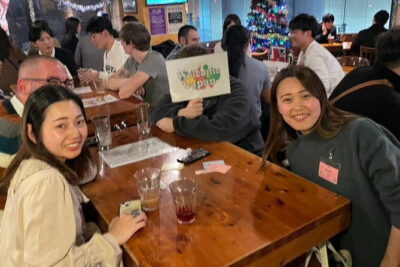 ★ 5.0Meet Osaka locals and Japanese speaking experience at Pub UmedaFrom $2858 reviews
 ★ 4.8Osaka Umeda: PICCADILLY DINNER SHOW & NIGHTCLUB with TastingFrom $3249 reviews
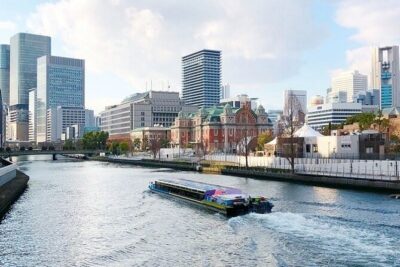 ★ 3.5Osaka Afternoon Walking Tour with Osaka River CruiseFrom $8642 reviews
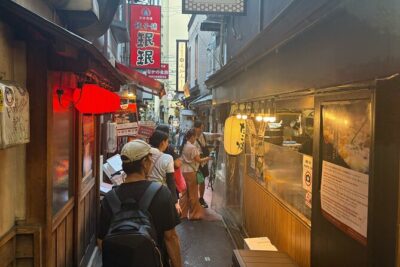 ★ 5.0Osaka Night Walk : Discover Umeda Food and PubFrom $11234 reviews
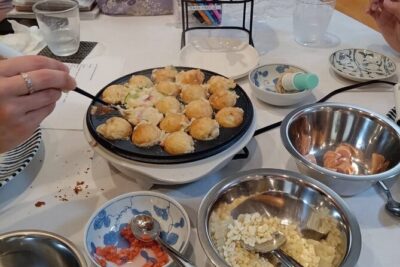 ★ 5.0Japanese home cooking class in Osaka UmedaFrom $5924 reviews
Osaka: HEP FIVE Ferris Wheel E-Ticket in UmedaFrom $519 reviews