
REVIEW · OSAKA SAMURAI, NINJA & KENDO EXPERIENCES
Learn The Katana ‘Sword’ Technique of Samurai and Ninja
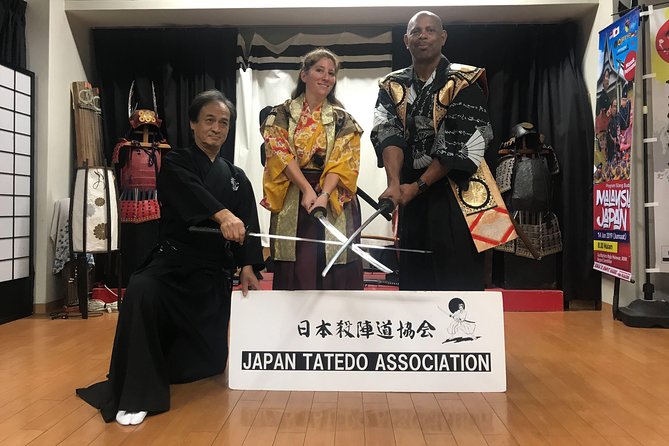
Sword skills, plus a full warrior makeover. This Osaka session at Japan Tatedo Association mixes a short performance with hands-on training, so you leave with both muscle memory and great photos. I like the costume changes (kimono, ninja outfit, or samurai armor) because they make the whole lesson feel celebratory, not stiff. I also like that you learn the tate katana technique, including eight katas and a way to take video during the training.
One possible drawback to know up front: this is performance-heavy training led by stage-focused instructors. If you’re hunting for a serious, dojo-style sparring class, you may find the pacing more theatrical than intense martial practice.
Key highlights before you go
- Small group size with a maximum of 10 travelers, which helps you get time with the instructor
- Costumes included plus kimono hakama and options to suit up as a ninja or samurai
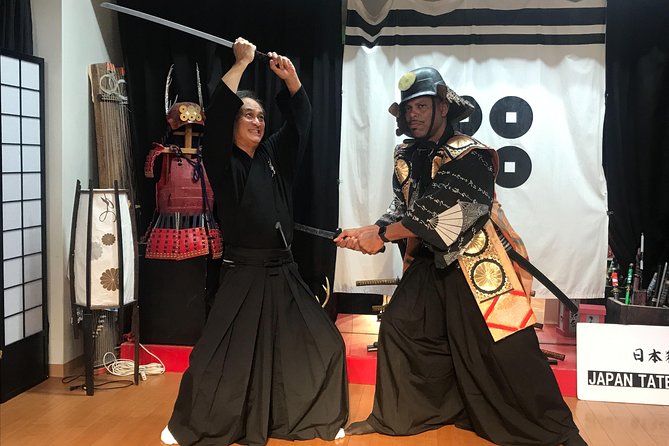
- Katana basics you can actually repeat, including how to hold the sword and practice eight katas
- A real tate battle experience, built around posture, balance, and mental focus
- Rubber shuriken practice plus a group scene where you play an active role
- A fighting performance first, featuring three Samurai and one Ninja to set the tone
Finding the meeting spot and knowing what the day feels like
You’ll start at the Imai Building, 1-chōme-1-27 Kitahorie, Nishi Ward, Osaka, and the experience ends back at the same meeting point. That matters because you can build this into your Osaka day without worrying about a confusing end location. It’s also near public transportation, so you’re not stuck with a long taxi bill just to get there.
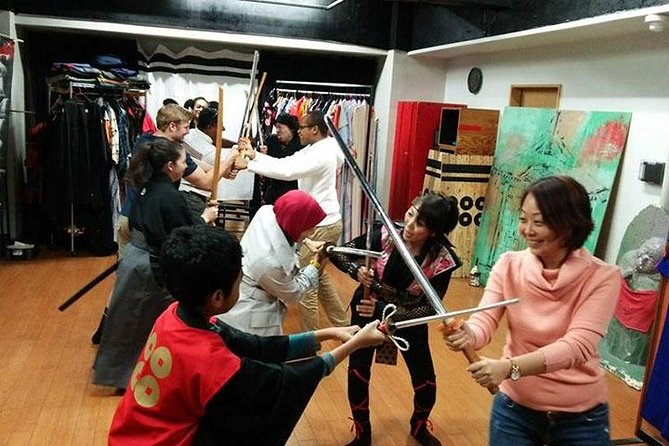
This isn’t a long museum visit. It’s a structured class that moves from watch to suit up to practice. Expect short bursts of instruction, then repeated chances to try the motions, pose, and reenact. If you like activities where you stay engaged the whole time, this fits.
The group stays small, which helps you feel seen. You’re not blending into a crowd while someone explains technique to one person at the front.
More time in the dojo
The Japan Tatedo Association stop: where the training vibe comes from
The session is centered at Japan Tatedo Association, which gives the class a dedicated setup for sword technique and roleplay. That matters because sword learning is about position and repeatability. Having a place built for practice means you spend less time figuring out where to stand and more time actually practicing.
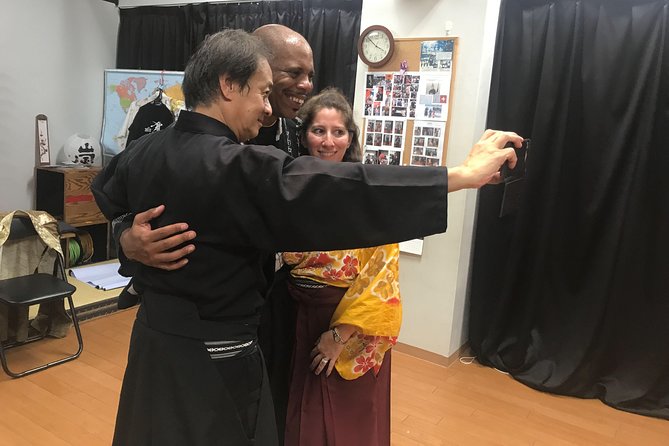
You’ll also get picture time as part of the flow. That isn’t just an afterthought. In this kind of class, costume and pose go hand-in-hand with learning basic stances, balance, and controlled movement. In other words, the photos are tied to the skill.
Also, remember the class includes a rental costume and a local instructor. That usually makes the experience smoother than DIY costume rental plus a random lesson. You show up, you get kitted out, and then you learn.
The pre-class fighting performance: why it’s more than just entertainment
Before you touch a katana, you’ll watch an inspired fighting performance from three Samurai and one Ninja. I love this approach because it sets expectations fast. You see how the movements look when they’re performed with confidence and timing, so your later attempts feel less like guessing.
It also helps you understand what the instructors are prioritizing. This isn’t about hiding technique behind a lecture. It’s about style, posture, balance, and the showmanship that makes the moves readable to an audience.
And if you’re traveling with friends or family, this performance tends to be the part that grabs everyone quickly. It’s a good entry point for people who worry they might be too new to enjoy a sword activity. Watching first gives them a mental template for what you’ll do next.
Dressing for the lesson: kimono hakama, ninja costume, and samurai armor
One of the biggest reasons this class is fun is the complete makeover. You can dress in a traditional kimono, ninja costume, and/or samurai armor depending on how the session runs for you. On top of that, you’ll learn how to wear kimono hakama as part of the training.
This is more than costume theater. Clothing like hakama and armor-style looks naturally push you into certain posture habits. When you’re moving in a fitted style, your stance, balance, and foot placement become part of the physical lesson. You also get a costume that makes your practicing feel like an actual role, not a physics exercise.
Photo time during the experience is a bonus, but it also encourages you to get the posture right. If you care about getting good photos, wear footwear you can walk in comfortably around the studio. You’ll be standing and posing, even if the movements are short.
Katana technique, tate battle experience, and eight katas you can record
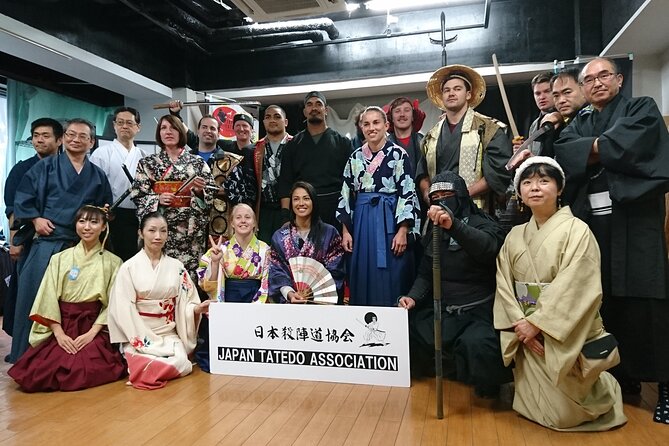
The training centers on Japanese sword technique using a katana. You’ll learn how to hold the katana and practice through eight katas, with the option to take video during the session.
That “how to hold it” step is important, because a katana grip is the foundation. If your hand position is off, everything after feels awkward. This class builds from grip into stance and motion so you’re not just mimicking movements you do not understand.
Then comes the core: the tate sword technique. The instruction focuses on posture, balance, and mental focus. That trio is the real takeaway. Sword technique in any tradition is about staying stable while your body makes controlled moves. The focus on balance keeps you from flailing, and mental focus turns practice into something you can repeat later.
You’ll also do a tate battle experience. The way this is described suggests a guided, scenario-style practice rather than free-form sparring. That’s a smart format for beginners. It gives you an objective, a rhythm, and a clear end point, without putting you in a situation where you need prior experience.
Practical tip: if you want to record video, decide early where you’ll place your phone so you can capture both your stance and your hand position. Most people forget to film the grip part, then regret it later when they try to remember the technique.

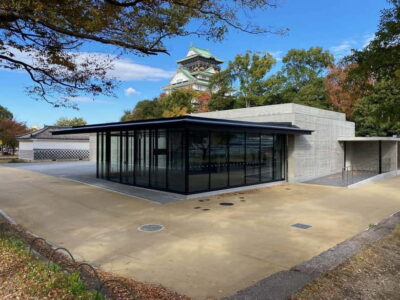

Shuriken throwing with rubber stars: the controlled thrill
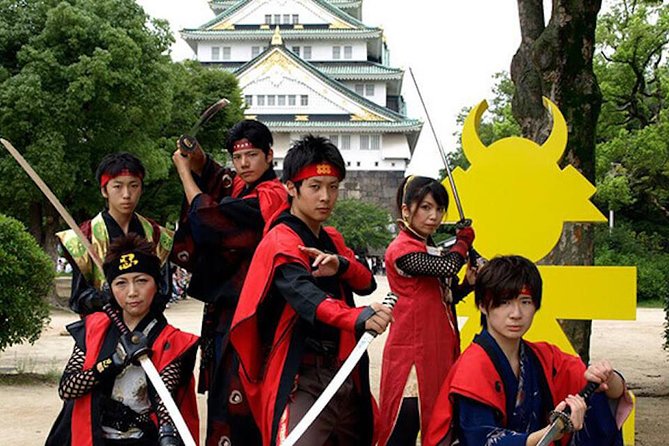
After sword practice, you’ll try throwing rubber shuriken, which are ninja-star shaped throwing weapons. Even though they’re rubber, the challenge is real because throwing depends on grip, wrist control, and a consistent release.
This is one of those activities that’s short, but memorable. It also complements the sword lesson. Sword work teaches posture and line control. Shuriken throwing asks you to translate that same body discipline into a quick action. You’ll feel the connection between controlled movement and accuracy.
The class frames this as part of finishing your training. That means it’s not a random add-on. It’s a structured experience that follows the same theme: learn, practice, perform, and then move on.
If you’re the type who likes measurable improvement, shuriken practice is great. Even within one lesson, you can tell if your throw is straighter, steadier, or more consistent after you get feedback.
The group scene at the end: you don’t just watch, you perform
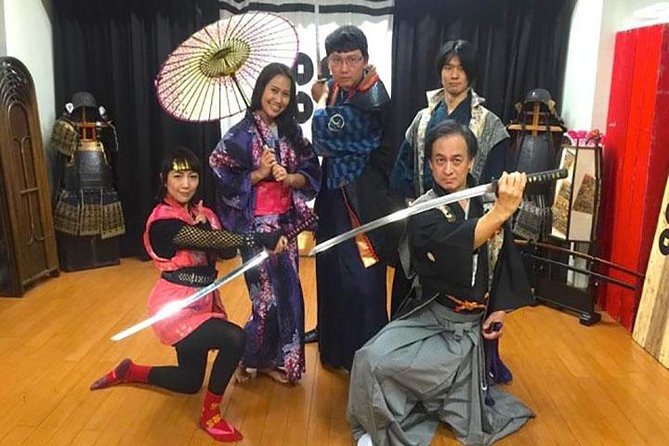
At the end, everyone becomes a leading actor in the show. You’ll take part in a scene together, which is different from many classes where you only learn movements privately. This element is why the experience tends to feel social and high-energy, especially with friends.
From a value standpoint, it’s also smart. Your brain learns faster when you use what you practiced in a timed performance. When the scene starts, it forces you to recall your stance and sequence under a bit of pressure, even if the pressure is friendly.
You’ll also get a sense of what the instructors are trying to recreate in an audience-friendly way. Stage-style choreography is not the same thing as hardcore sparring, but it is a legit way to learn structure, timing, and stage-safe technique.
Price and what you actually get for about $162.59
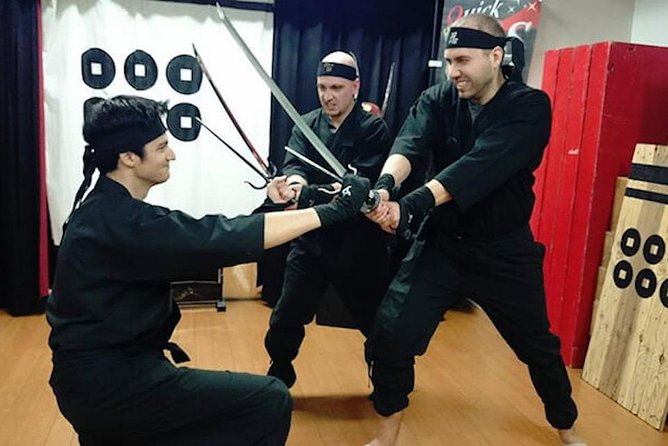
At about $162.59 per person, you’re paying for a lot of included value, not just instruction time. You get a rental costume, a local instructor, katana practice with eight katas, shuriken throwing practice, and picture time, plus the pre-class performance and a group scene.
It also helps that the group maxes at 10 travelers. Small groups usually make it easier to get corrections on posture and grip. If you’ve done bigger classes before, you know how different it feels when someone can adjust your position instead of rushing past you.
The listing mentions group discounts, which can make this a better deal if you’re traveling with a small crew. Also, mobile ticket is included, which saves time when you’re juggling Osaka transit and meal plans.
One more practical value point: this is an activity where the learning and the photos happen in the same session. You’re not paying for a separate costume rental or a separate photo tour.
Is this serious martial arts training? A realistic way to decide
Here’s the honest decision rule: if you want a serious martial arts class focused on combat training, sparring, and deep technical drills, this might not match your goal. The instruction is run by stage actors with a background in kendo, so the emphasis leans toward presentation, posture, and beginner-friendly technique.
That said, posture and balance are not fluff. They are the stuff that makes sword movement safer and more controlled. Learning how to hold a katana correctly and practicing structured katas can still be meaningful, even if the setting is theatrical.
Think of this class as performance-based skill coaching. You’ll have fun, you’ll learn basics you can remember, and you’ll get to do shuriken throwing and a group scene without needing prior experience.
Who should book this Osaka ninja and samurai class
You’ll likely love it if you want:
- a hands-on activity that includes costumes and practice, not just watching
- a beginner-friendly way to learn about katana stances and the tate technique
- a fun group experience with friends or family, where you’ll take part in a scene
- an Osaka activity that gives you good photos along with real instruction
You might skip it if:
- you’re specifically seeking advanced sword drills, sparring, or a dojo-style curriculum
- you hate performance elements or you prefer quiet, lecture-heavy training
Also, because most travelers can participate and it’s near public transportation, it’s a reasonable choice for visitors who want a contained activity rather than a half-day trek.
FAQ
FAQ
How long is the experience?
The duration is listed as about 1 hour. The lesson content includes about a 60 minute class plus additional parts like the performance and the ending scene.
Where does the class meet, and where does it end?
It starts at Imai Building, 1-chōme-1-27 Kitahorie, Nishi Ward, Osaka, 550-0014, Japan. It ends back at the meeting point.
What is included in the price?
Rental costume and a local instructor are included.
What is not included?
Transportation to and from the attraction is not included, and there is no hotel pickup or drop-off.
What will I learn with the katana?
You will learn how to hold and use a katana, including practicing eight katas. You’ll also learn the tate sword technique and do a tate battle experience.
Do I get to dress up?
Yes. You’ll be able to dress in a kimono, ninja costume, and/or samurai armor as part of the experience, and you also learn how to wear kimono hakama.
Do I practice shuriken throwing?
Yes. You’ll finish your training by performing a ninja scene and throwing rubber shuriken (ninja star).
Is there any performance during the experience?
Yes. You’ll be inspired by a fighting performance from three Samurai and a Ninja, and you’ll also participate in a shared scene at the end.
How large is the group?
The group maximum is 10 travelers.
Can I cancel for a refund?
You can cancel up to 6 days in advance for a full refund. For a 50 percent refund, cancel 2 to 6 days in advance. If you cancel less than 2 days before the start time, you will not receive a refund.
Should you book this Osaka ninja and samurai class?
If your idea of a great Osaka experience is trying something hands-on, dressing up, learning a real structured technique like the tate katana approach, and then finishing with shuriken throwing and a group scene, book it. The included costume, instructor, and training elements make it better value than piecemeal plans.
If you’re chasing only serious, hard-core martial arts training, adjust your expectations. This is stage-focused, beginner-friendly, and built for fun as much as skill. Choose it for the experience and the guided practice, not for advanced combat preparation.
More Tour Reviews in Osaka





More Hours in the Dojo


Latest out of Osaka


Osaka Samurai, Ninja & Kendo Experiences, side by side.
 ★ 5.0Samurai Training Experience KENDO in OsakaFrom $131515 reviews
 ★ 4.8OSAKA NIGHT FUSION Japanese Taiko Kabuki Samurai Dance ShowFrom $40155 reviews
 ★ 5.0Osaka: Samurai Training Experience KENDO in OsakaFrom $127111 reviews
 ★ 4.5Osaka: A Modern Samurai, Kabuki, Taiko, & Dance ShowFrom $1966 reviews
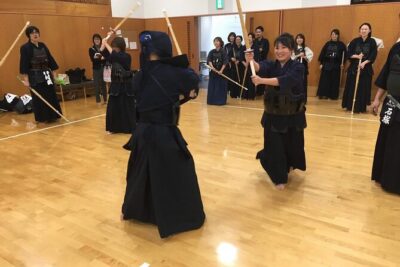 ★ 5.0Osaka 2-Hour Genuine Kendo / Samurai Experience In JapanFrom $11865 reviews
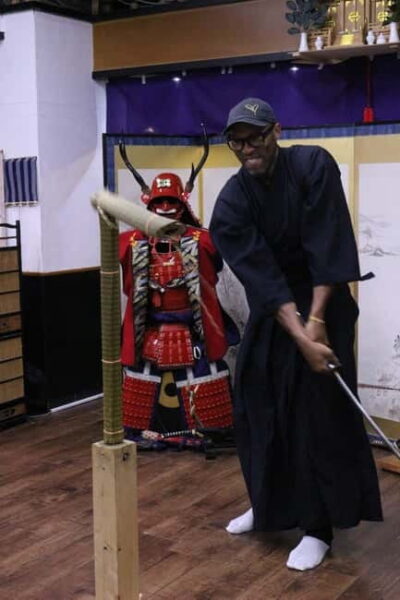 ★ 4.9Osaka: Learn Bushido – Trial Slashing with Samurai SwordFrom $9259 reviews
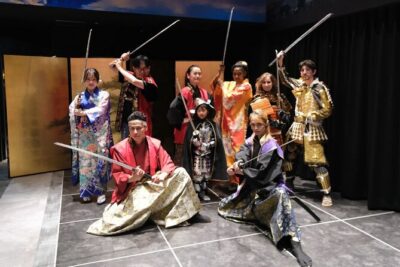 ★ 5.0Samurai Show, Tea Ceremony, Japanese Traditional ActivitiesFrom $4456 reviews
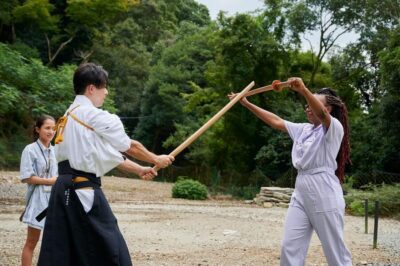 ★ 5.0Osaka: Private Samurai Experience – Train with Sword MasterFrom $15836 reviews
Also worth a look in