
REVIEW · OSAKA CASTLE PARK TOURS
Osaka: Castle History Walking Tour / Castle Tower Admission
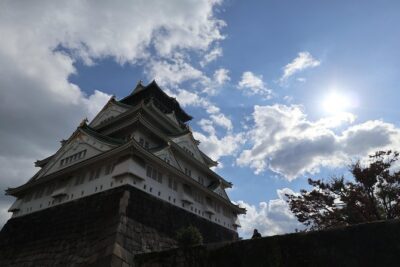
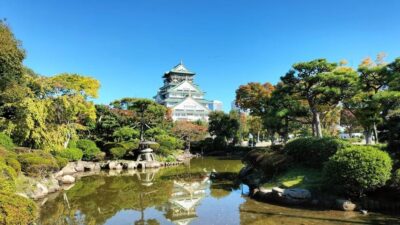
Osaka Castle is a fortress you can read with your eyes. This 90-minute history walking tour turns the grounds into a real-world strategy lesson, with skip-the-line tower admission so you reach the viewpoints faster. I especially liked how guides point out small defensive details most people miss, and how the walk is timed to keep the story moving. One consideration, it is mostly walking and you do not get a floor-by-floor museum lecture included.
You’ll start near a Lawson in Otemae, then work your way through outer defenses like moats, gates, and masugata entry traps. You also get a meaningful stop at Hokoku Shrine before finishing with the castle tower and command-post elements. If you want a guided tour of every museum floor, you’ll need to plan for self-guided time or add something else.
Key highlights that make this tour worth your feet

- Skip-the-line tower access via a separate entrance, so your time goes to the good parts
- Triple moats, layered gates, and masugata that explain how defenders delayed attackers
- Zigzag approach routes that were designed to slow invaders under fire
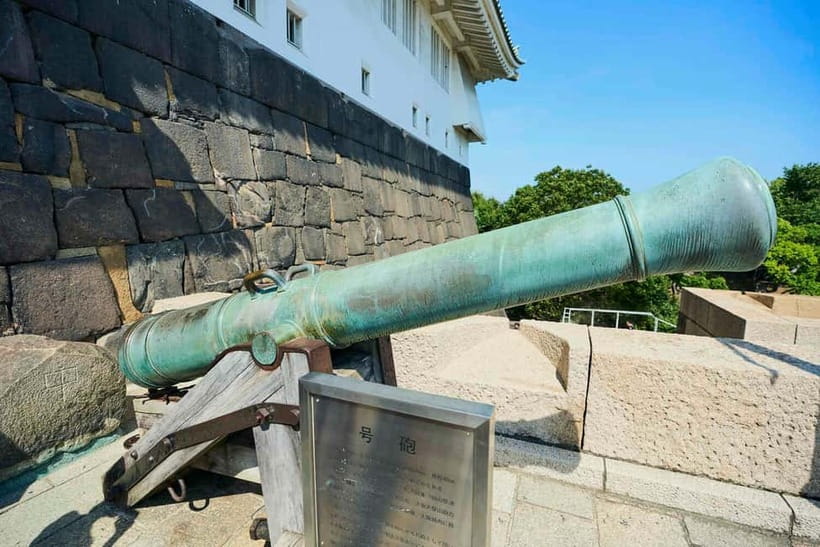
- The city view from the top, plus arrow slits, gun ports, and gold used for psychological effect
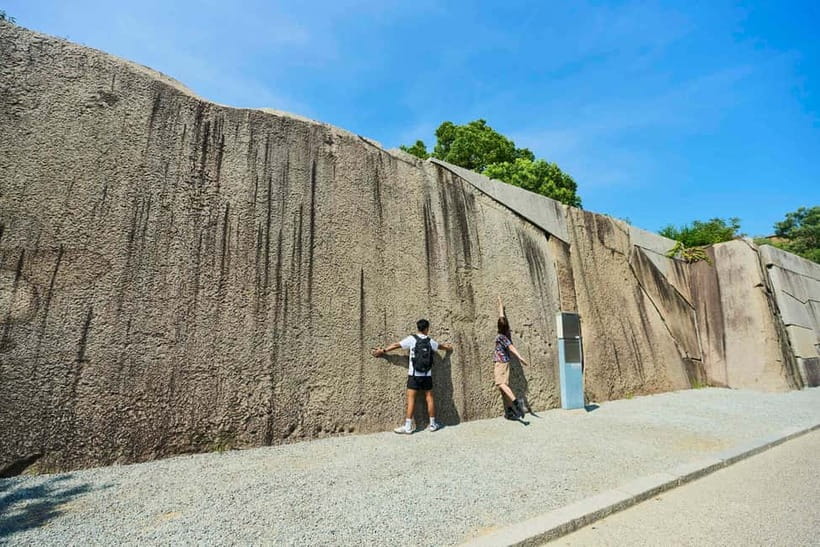
- The largest stone and how it was transported, plus hidden stone marks from master craftsmen
Why Osaka Castle’s defenses make this more than a photo stop
Osaka Castle is often sold as a landmark, but the smart reason to book this guided experience is that it teaches you how the castle functioned as a fighting machine. Once someone shows you the logic behind moats, gates, and wall angles, the grounds stop looking random. Instead, you see a plan meant to buy time, break momentum, and force attackers into predictable paths.
I like that the tour focuses on the castle’s military design and not just general “history facts.” You’ll learn how multiple defense layers were built to delay and divide invaders, and you’ll walk sections that explain what enemies once faced. The story even ties into the political rivalry that shaped the castle’s fate, ending with how the fortress fell in 1614 to 1615.
A practical note: this tour is best if you enjoy noticing details. If you mainly want a relaxed walk with no tactical talk, you might find the defensive explanations feel heavy, even though most guides keep it engaging and clear.
Other ways up the keep
Getting oriented at the Lawson meeting point
The meeting point is not vague, it’s specific: ローソン S大手前レストハウス店 (Lawson S Otemae Rest House Store). Because there are multiple Lawson locations nearby, use Google Maps to confirm you’re at the right one, then look for the Local Guide Stars sign.
This matters because Osaka Castle-area streets can feel similar, especially in busy seasons. Starting cleanly helps you avoid the “where are they?” stress and gives you a smoother start to the walk. You’ll also want comfortable shoes from the first step, since the tour rhythm is guided walking between key spots.
The tour runs about 90 minutes total, with guided time spent on the main historical route. That timing is part of the value, because you’re not stuck inside a museum waiting for someone to lead you through halls.
Following outer moats and gates, like attackers did
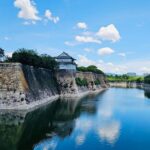
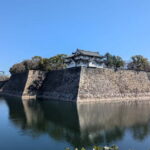
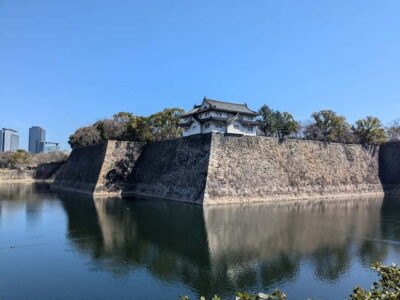
The heart of the experience is the defensive route. You’ll explore the outer moats and defense layers designed to slow and separate attackers. The tour highlights the triple moats, multi-layered gates, and masugata entrances, which are the kind of architectural features you’d normally walk past without understanding.
Here’s the mental shift you’re looking for: these weren’t just decorative features. The gate layouts and entrances were meant to trap invaders in awkward positions, so defenders could attack when the enemy was slow and confused. When your guide points out how approaches forced zigzag movement, the castle becomes less of a building and more of a controlled maze.
You’ll also see how defenders used wall angles and stonework to make climbing difficult. Guides often point out small construction cues, including stone placement and stone-wall markings tied to craftsmanship. It’s the difference between seeing a fortress and understanding why it worked.
If you’re the type who likes to take photos, this section gives you plenty of “pause and look” moments. Just keep your footing first, since you’ll be moving around uneven historical paths.
Hokoku Shrine stop, and why it fits the story
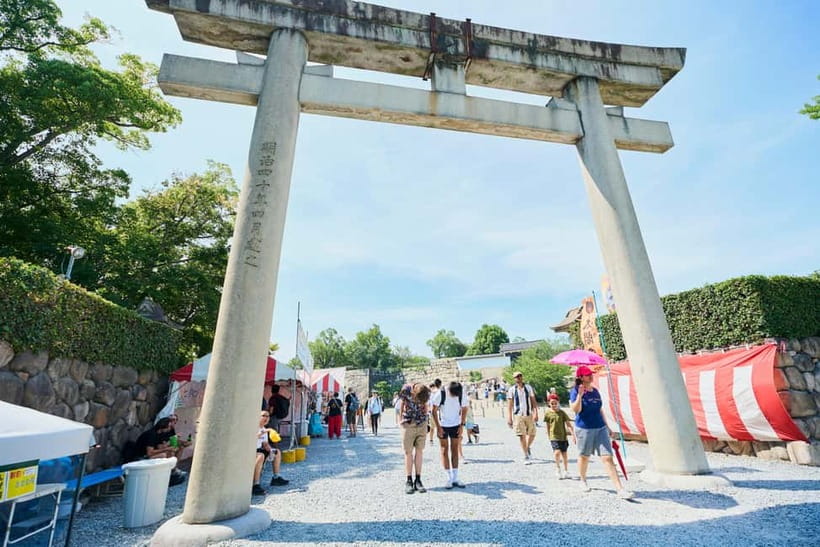
Midway through, you’ll visit Hokoku Shrine for a guided segment. This stop is shorter, but it gives the tour emotional and cultural context, linking the castle story to the broader Shinto landscape around the site.
The practical benefit is pacing. After walking through defensive structures and gritty military logic, the shrine break helps reset your attention. It also gives you a photo moment before the route climbs into the tower area.
One nice bonus is that you may catch ceremonial moments depending on the day. For example, a traditional wedding ceremony was happening during a shrine stop for one set of participants, which shows that the area can feel alive rather than staged.
Tower admission and the command post feel
This tour includes Osaka Castle Tower admission and uses a skip-the-line route through a separate entrance. That means less time in queues and more time learning what the tower was built to do.
In the tower, the guide frames the space like a command post and last defense. You’ll hear about arrow slits and gun ports, and you’ll learn why certain visual choices mattered, including the use of gold as psychological warfare. That psychological angle is what I found most memorable, because it explains how power was communicated visually, not just physically.
Once you reach the top, you get the reward: city views that make the effort feel worth it. Several guides also manage the timing so you still have room to explore afterward on your own. The tower museum time is partly self-guided, since the included ticket covers entry but the tour is not presented as a floor-by-floor lecture of every exhibit.
Possible drawback: if you expected a guided museum explanation for every floor, this format may feel too focused on the exterior defenses and key tower concepts. Still, the tower portion is where you’ll best connect those earlier defensive ideas to the castle’s “final stage” role.
Osaka at walking pace, a few more


The largest stone and the transport trick that changes everything
One of the most interesting tour moments is the focus on the castle’s largest stone. Your guide will point it out and explain how it was transported, using methods attributed to the 16th century. It’s a detail that turns the site from impressive to believable, because you start asking the right questions: How did they move something that heavy? How did they place it so it became part of a long-term wall system?
You’ll also hear about hidden stone marks from master craftsmen. That kind of specificity is valuable because it trains your eye. Instead of thinking of stone walls as uniform, you learn to recognize craft decisions and construction signatures that help historians understand labor and technique.
When your guide explains wall angles and why they were designed to resist climbing, the defense concept becomes practical. You stop imagining an enemy scaling a wall and start understanding the physical limits defenders created.
This section also tends to be where people ask the most questions, because it’s the point where engineering meets storytelling. If you want to get more value from your tour, this is the time to ask about the stonework you’re seeing around you.
How the castle’s “invincible” image cracked in 1614 to 1615
The tour doesn’t end at architecture. You’ll learn how Osaka Castle was eventually overcome, with the timeline focusing on 1614 to 1615. This is where the guide connects the fortress to the human rivalry behind it.
The key thread is the competition between Toyotomi Hideyoshi’s legacy and Tokugawa Ieyasu’s ambition. That conflict explains why a castle that looked built to last still faced a historical end shaped by politics, not just engineering. It’s also a helpful reminder that fortresses are only as strong as the power structure funding and commanding them.
This context matters because it makes your visit feel like a chapter, not a list of facts. You’ll leave with a clearer sense of how and why Osaka Castle mattered at that time, and what forces eventually redirected Japan’s future.
Who should book, and how to get the most out of 90 minutes
I think this tour is a great match if you’re one of these types:
- You like military architecture, defensive planning, and “how it worked” thinking
- You enjoy clear English narration and want someone to point out details you’d miss
- You want faster entry and a guided path so the day flows
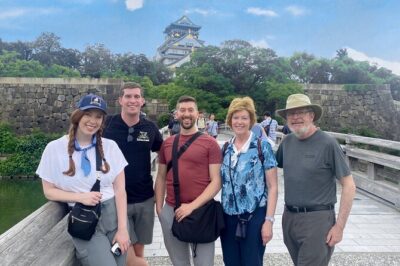
It’s also a strong pick for mixed-age groups when you choose the right pace. In reviews, guides were praised for staying patient and ensuring safety, even with older guests. One guide also kept even a very young child engaged, which tells me the approach tends to be lively and understandable.
Bring comfortable shoes and dress for the weather. The tour format includes outdoor walking between historic points, and you’ll appreciate not having to worry about blisters or discomfort when the guide is explaining key features.
For best value, go into this with one mindset: look for cause and effect. When you see a gate, ask how it slows someone. When you see a wall angle, ask how it frustrates attackers. Guides often do the heavy lifting, but your attention completes the lesson.
Price and value: is $33 fair for this format?
At about $33 per person for a 90-minute experience, the value comes from two things: guided interpretation and tower skip-the-line admission. The admission ticket is included, so you’re not paying extra just to get inside. You’re paying for someone to make the fortress make sense, which is the difference between sightseeing and real understanding.
If you’re visiting Osaka Castle during a busy time, skip-the-line access can feel like money well spent, because waiting around drains the energy you’d rather use for learning and photos. Reviews also mention the guide handling the right stops and keeping the group moving in an unhurried, organized way.
Could you visit alone? Sure. But Osaka Castle is big enough that without a map of what matters, you’ll likely miss the “why” behind key defensive design points. This tour packages that understanding into a short, well-timed walk.
Should you book this Osaka Castle history walking tour?
Book it if you want to understand Osaka Castle as a fortress, not just a pretty tower. The combination of guided defense logic, cultural context at Hokoku Shrine, and skip-the-line tower admission is a smart way to spend a limited amount of time.
Skip it or consider another option if you want a slow, purely scenic visit with minimal commentary, or if you specifically need a full guided lecture of every museum floor. In that case, you might end up paying for guidance you do not fully use.
If you do book, plan for comfortable shoes, give yourself a little buffer to enjoy the city views, and lean into the defensive details. That is where this tour earns its keep.
FAQ
Where is the meeting point for the tour?
Meet in front of Lawson S Otemae Rest House Store (ローソン S大手前レストハウス店). There are multiple Lawson stores in the area, so confirm the correct one on Google Maps, and look for the Local Guide Stars sign.
How long is the Osaka Castle history walking tour?
The total duration is 90 minutes.
Is Osaka Castle Tower admission included?
Yes. The tour includes the Osaka Castle Tower admission ticket.
Does this experience include skip-the-line entry?
Yes. It includes skip-the-line entry through a separate entrance.
What should I bring for the tour?
Bring comfortable shoes and weather-appropriate clothing.
Is there free cancellation?
Yes. You can cancel up to 24 hours in advance for a full refund.
More Tours in Osaka






More Tour Reviews in Osaka

Around the Moat: More Castle Days
Latest out of Osaka


Osaka Castle Park Tours, side by side.
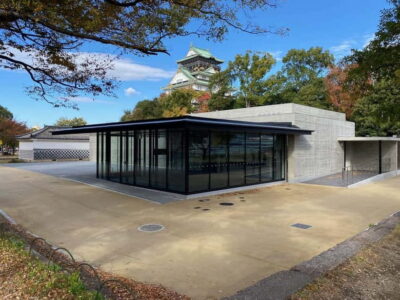 ★ 4.5Osaka Castle: Museum and Tower Entry TicketFrom $72,380 reviews
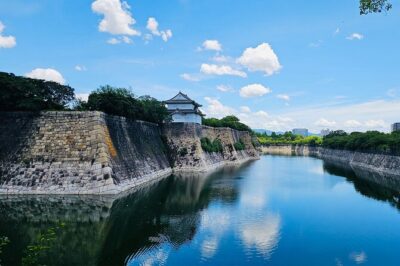 ★ 5.0Osaka Castle Walking Tour and Castle Tower AdmissionFrom $23561 reviews
 ★ 5.05-Hour Osaka Bike Tour to the Neighborhood of Osaka CastleFrom $87319 reviews
 ★ 4.7Osaka Castle Guided TourFrom $43249 reviews
 ★ 4.7Osaka: Osaka Castle Guided Tour with Local GuideFrom $4878 reviews
 ★ 5.0PRIVATE 6hr, Food tour from Osaka Castle, Kuromon, Dotonbori.From $15568 reviews
 ★ 4.5A Tour to Explore the Symbol of Osaka: Osaka CastleFrom $8356 reviews
 ★ 4.5Learning Zen of Japanese Calligraphy in kimono near Osaka CastleFrom $4353 reviews
Also worth a look in