
REVIEW · OSAKA HOME COOKING CLASSES
Well-balanced BENTO (lunch box) Cooking Class
Bento making is a hands-on culture lesson. At Sakura Cook in Osaka, you get real time with a chef and learn the why behind flavors like dashi. I like how the class stays focused on practical skills you can use again at home.
My favorite part is the full flow, cook first, then pack a bento that actually looks like a Japanese lunch. You’ll also end with the meal you made, paired with complimentary miso soup.
One consideration: it’s only about 2.5 hours, so you’ll move at a class pace. If you want deep, slow cooking for every dish, you might feel a bit rushed.
Key highlights you’ll feel right away
- Small group size (max 8) means you cook along with the instructor, not just watch.
- Dashi at the start gives you the flavor base used across many Japanese dishes.
- Up to seven classic dishes using ingredients like wagyu beef, shrimp, salmon, egg, squash, and mushroom.
- Triangle rice balls with molds helps you nail the shape quickly and neatly.
- Bento packing guidance turns leftovers and fresh veg into something presentation-friendly.
- Miso soup with your meal keeps the experience grounded in everyday Japanese eating.
From the door to the lunch box, start with the right setup
This class happens at Sakura Cook in Osaka, and it’s built around one simple idea: you’re not only learning recipes, you’re learning how a Japanese lunch gets assembled. You’ll meet at Banix北堀江Japan in Nishi Ward (Kitahorie), and the activity ends back at the same point.
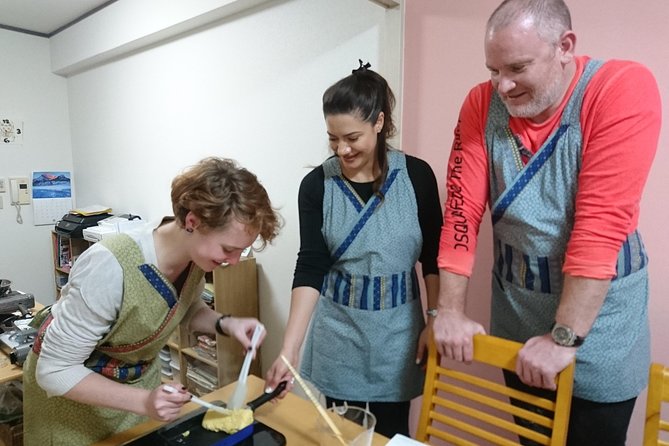
When you arrive, you start by choosing your favorite lunch box. Then you put on an apron and get hands-on with the day’s cooking. That early step matters, because bento is as much about the final arrangement as it is about taste.
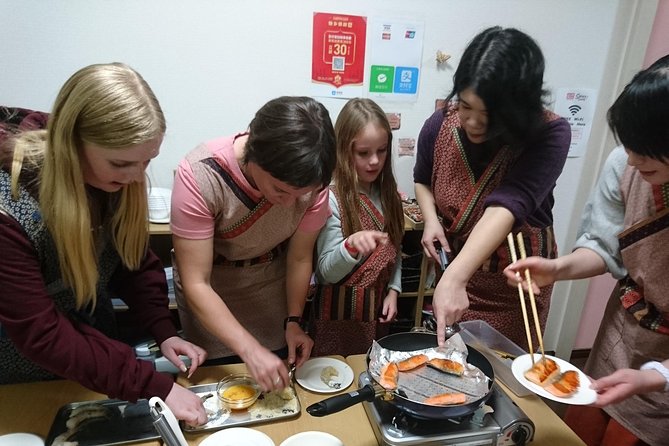
The group stays small, with a maximum of 8 travelers. That size is a big deal in Japan cooking classes, because it helps your instructor keep an eye on what you’re doing and keeps you from waiting forever.
More kitchen tables to sit at
Dashi first: the flavor foundation you’ll keep using
The class begins with making traditional Japanese broth called dashi. This is more than a starter recipe, it’s the backbone of a lot of Japanese home cooking. If you’ve ever tasted miso soup or simmered dishes and wondered what makes them so comforting, dashi is the answer to that itch.
In particular, I love that the instructor explains the history and the process behind dashi. For example, Yumi is called out for explaining how the soup stock works and why it matters for the dishes that follow. When you understand the base, the rest of the cooking feels more logical and less random.
You’ll then use what you made as you move into the rest of the bento items. You’re not just cooking ingredients in isolation, you’re building a meal that tastes like it belongs together.
Seven home-style dishes, taught with real cooking techniques
After dashi, you’ll make up to seven basic dishes that Japanese families often prepare at home. The ingredient list is classic and varied, including wagyu beef, shrimp, salmon, egg, squash, mushroom, and green vegetables.
The class also covers multiple techniques. You’ll practice things like frying, grilling, simmering, and marinating. That mix is useful even if you cook rarely, because it teaches you how Japanese flavor work shows up in different textures.
Here’s how that helps your finished bento. Dishes that are simmered tend to stay juicy and flavorful. Fried or grilled items add contrast through browning and firmer bites. Marinated elements help everything taste cohesive, so your lunch doesn’t feel like a random pile of sides.
If you’re someone who likes to eat balanced meals, this part delivers. The overall set of dishes is built for a lunch that feels satisfying without being heavy.
Wagyu, shrimp, salmon, and egg: why these combos work in a lunch box
One reason this bento class feels different from just cooking one dish is the way it builds around bento-friendly ingredients. Wagyu beef and shrimp are big, flavorful wins, and they don’t need a lot of fancy tricks to taste good. Salmon, egg, squash, and mushroom add different colors and textures, so the bento looks good even before you taste it.
You’ll be working with these items as part of multiple dishes, not just one centerpiece. That means you’ll walk out knowing how Japanese home bento planning works. Bento is often a mix of small portions that balance savory, soft, and slightly sweet notes.
I also like that the class doesn’t pretend lunch boxes are only about rice. There’s a whole side system at work here: vegetables, protein, and comforting broth elements all show up.
Triangle rice balls: the shape is the skill
A major bento signature is the triangular rice ball. In this class, you’ll practice using plastic molds to make them, then complete two rice balls yourself.
This is the kind of skill that looks simple until you try it. The mold helps you get consistent shape, and the guided method helps you avoid rice that’s too loose or too compressed. Even if your triangles aren’t perfect at first, you’ll have a method you can repeat.
Those rice balls also tie your lunch together visually. They give the bento that unmistakable, tidy look you see in Japanese lunches.
Set this against a few other Osaka bookings:

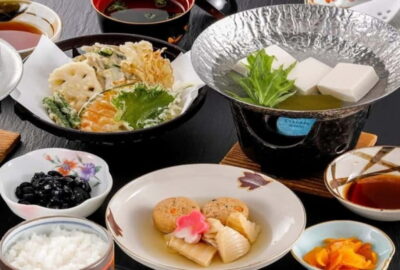

Packing is the real test: make it look appetizing
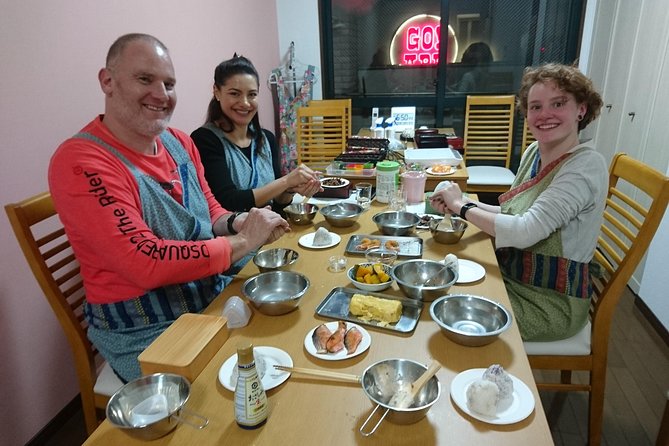
Once your dishes are ready, the class shifts into packing. This is where you learn how to pack the bento in an appealing way, including adding fresh vegetables.
You’ll practice arranging components inside your lunch box, and your instructor gives specific guidance on how to make it look balanced. That includes thinking about placement, spacing, and layers so each item has its own space instead of turning into a messy mix.
This is also where small-group size helps again. If you’re unsure where something should go, you can ask and adjust quickly. Presentation might sound shallow, but it changes how you eat, even if the food is delicious already.
If you like neat meals and you care about eating something that feels thoughtfully made, you’ll enjoy this portion a lot. It’s one of those skills that turns a normal lunch into something that feels special.
Timing and logistics that affect your comfort
The class runs about 2 hours 30 minutes. That’s long enough to cook multiple items and pack them, but short enough that you won’t spend hours on one single dish.
So come hungry, but also come mentally ready to multitask. You’ll be following an instructor’s pace through dashi, multiple dish techniques, rice ball molding, then packing and eating. If you enjoy structured classes with clear steps, this timing will feel just right.
You’ll also have a mobile ticket, and the meeting point is near public transportation. That’s handy in Osaka, because getting across the city can be time-sensitive. Bringing a little extra time around the meetup is smart, but you’re not stuck with a complicated arrival plan based on what’s provided.
Eating your work: chopsticks, miso soup, and itadakimasu
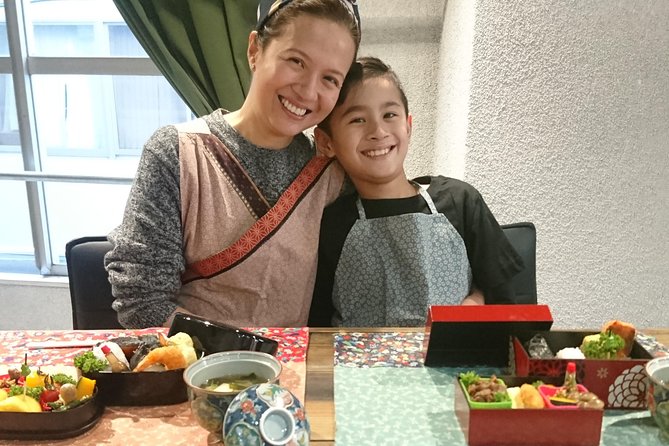
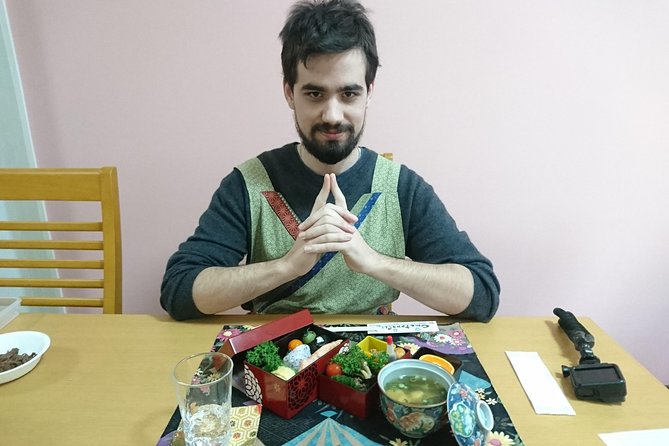
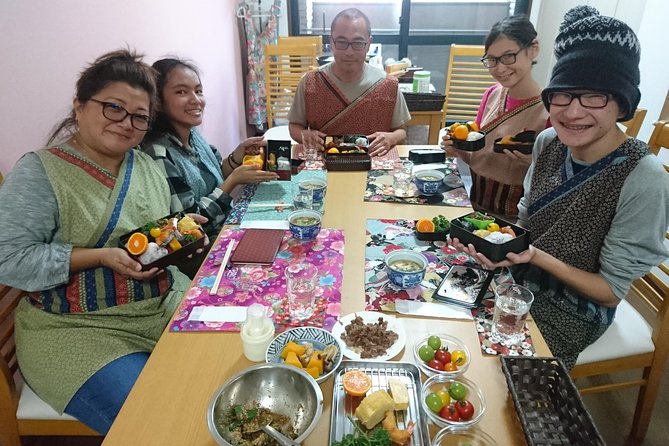
At the end, you eat the bento you made. You’ll place the dishes, along with chopsticks, and you’ll share the meal as a group with a simple start like Itadakimasu.
Complimentary miso soup is included, and it pairs naturally with the lunch you cooked. This matters because Japanese meals often balance flavors through broth and sides, not just one main course.
If you’ve ever cooked at home and then realized it tasted different than expected, this ending helps reset your expectations. You taste the full combination in the exact form it was assembled to be eaten.
It’s also a good reality check. If something is too salty, too sweet, or too dry, you’ll notice right away. That feedback is useful for anyone who wants to improve at home cooking later.
What the class feels like in real life (from the teaching style)
The tone from the instructors sounds consistently warm and direct. English instruction is described as warm and to the point, with teachers giving careful guidance so you can participate in every dish.
Yumi is specifically praised for explaining the history and process behind dashi. Fumi also comes up as a careful, graceful teacher who walks you through everything in a way that makes it easier to follow.
That teaching style matters for value. You’re paying for more than ingredients. You’re paying for clear instruction that helps you actually finish a full bento lunch, not just produce a few cooked bites.
For families, this setup can work well too. One review notes the class was easy enough for a 12-year-old to follow, and the instructor made sure everyone participated. Since children must be accompanied by an adult, plan on staying close during active steps.
Price and value: is $92.24 worth it?
At $92.24 per person, this class isn’t a bargain compared to grabbing lunch on the street. But it’s also not just a casual cooking demo.
You’re paying for a structured, hands-on lesson that includes:
- Multiple cooking techniques (frying, grilling, simmering, marinating)
- Up to seven classic dishes using a mix of proteins and vegetables
- Triangular rice ball shaping using molds
- Bento packing guidance and fresh vegetables
- The meal you cook, plus complimentary miso soup
In other words, you’re buying a complete lunch experience and the skills behind it. Bento lunch boxes are usually bought ready-made unless you’re willing to experiment, and experimenting costs time. Here, the time and the know-how are built in.
Also, the class max of 8 helps keep things practical. If it were a huge group, the price would feel less fair. With a smaller group, you’re more likely to participate fully, which boosts value.
If you’re planning Osaka around food, this is a smart anchor activity. It turns a lunch moment into a skill and a story you can repeat.
Who this bento class is best for
You’ll probably love this class if you:
- Want a hands-on food experience that still feels cultural, not just cooking
- Like structured instruction with clear steps and good pacing
- Want to learn dashi and Japanese techniques you can reuse later
- Care about presentation, especially how bento becomes neat, balanced, and appetizing
You might want to consider something else if you:
- Prefer to watch more than you cook
- Want a slow cooking experience with lots of extra downtime
- Are very sensitive to change in pace, since this runs on a class schedule
Simple booking advice for a popular Osaka class
This experience is on the small side, and it’s often booked about 53 days in advance on average. That’s a hint it can sell out around popular dates.
Once you book, you should receive confirmation within 48 hours based on availability. You’ll also want to advise any specific dietary requirements at the time of booking, so the instructors can plan appropriately.
If you’re traveling with children, remember children must be accompanied by an adult. Planning extra hands-on support from yourself is smart since the cooking steps require attention.
Should you book this Osaka bento cooking class?
Yes, if you want a practical, skill-focused lunch experience in Osaka. The combination of dashi, multiple dish techniques, triangular rice balls, and real bento packing guidance is exactly what makes this class feel like more than a single recipe.
I’d skip it only if your ideal class is long, unhurried, and very deep on one dish. Here, you get breadth, speed, and a complete lunch at the end. If that fits your style, this is a strong choice for your trip.
FAQ
How long is the well-balanced bento cooking class in Osaka?
The class lasts about 2 hours 30 minutes.
Where does the experience start?
It starts at Banix北堀江Japan, 550-0014 Osaka, Nishi Ward, Kitahorie, 3-chōme62 システマギャラリー, and it ends back at the same meeting point.
What is the group size limit?
The experience has a maximum of 8 travelers.
Is a mobile ticket provided?
Yes, the tour features a mobile ticket.
Do you make dashi during the class?
Yes, cooking starts with making traditional Japanese broth dashi.
What dishes and ingredients are included in the class?
You’ll make up to seven basic Japanese dishes often eaten at home, using ingredients such as wagyu beef, shrimp, salmon, egg, squash, mushrooms, and green vegetables.
Do you learn to make triangular rice balls?
Yes. You practice shaping rice balls using plastic molds and then complete two rice balls.
Is miso soup included with your meal?
Yes. You’ll eat your bento with complimentary miso soup.
Can I request dietary accommodations?
You should advise any specific dietary requirements at time of booking.
What is the cancellation policy?
You can cancel for free up to 24 hours in advance for a full refund. If you cancel less than 24 hours before the start time, you will not be refunded.
More Lunch Experiences in Osaka





More Tour Reviews in Osaka




More Kitchen Tables to Sit At


Latest out of Osaka


Osaka Home Cooking Classes, side by side.
 ★ 5.0Osaka: Ramen and Gyoza Cooking Class in DotonboriFrom $70378 reviews
 ★ 4.3Osaka: Sumo Stage Show with Bento or Snack + Fight & PhotoFrom $93364 reviews
 ★ 5.0Osaka Cooking Class: Okonomiyaki &Japanese cuisines experienceFrom $104261 reviews
 ★ 5.0Ramen and Gyoza Cooking Class in OsakaFrom $79202 reviews
 ★ 5.0Osaka Sake Tasting with Takoyaki CookingFrom $70156 reviews
 ★ 5.0Osaka Sake Tasting & Takoyaki Cooking ExperienceFrom $72149 reviews
 ★ 5.0Cooking Ramen&Gyoza/KatsuCurry/Bento/Okonomiyaki+Store Tour@OsakaFrom $85138 reviews
 ★ 5.0Three Types of Ramen Cooking Class in OsakaFrom $79119 reviews
Also worth a look in