

REVIEW · CYCLING TOURS
Urban Canvas: Osaka Street Art Bike Tour
Osaka street art hits different when you’re moving. This bike tour puts you in the city’s Tenma, Juso, and Nakazaki-cho neighborhoods, where murals, graffiti, and modern walls tell the story in real time. I like that you’re not just seeing art, you’re hearing how it fits into everyday Osaka life, from street-level details to local commentary.
My other favorite part is the way the tour combines street scenes with breaks that feel local, not touristy. You get photo time for the work of local and international artists, then you cycle across the Yodo River toward Juso and keep rolling through the grit and the style. The one drawback to consider is that you’ll be on a bike for a long stretch, so this is better if you’re comfortable with steady cycling (and it’s not suitable for wheelchair users or people with mobility impairments).
Key points to know before you pedal
- Tenma to Juso to Nakazaki-cho in one route, so you see multiple faces of Osaka street culture
- Street art commentary with a local voice, plus time to stop and photograph
- Crossing the Yodo River as part of the story, not just transport
- A real food break, including a pizza slice in a 100-year-old building
- Small group size (up to 6), so the guide can answer questions and keep your pace comfortable
Why Osaka’s Street Art Looks Better From Two Wheels

Most Osaka sightseeing is built around big landmarks, shiny malls, and train transfers. This tour flips that approach. You start in the Tenmabashi area and ride into neighborhoods that feel closer to how people actually live, work, and hang out. The result is a street art experience that feels streetsmart, not staged.
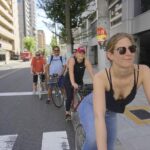
Cycling changes what you notice. On foot you can feel stuck at corners or swept along by crowds. By bike, you glide past long walls, side alleys, and the in-between spaces that usually get missed. That matters in Osaka, because the street art scene often shows up where you would not automatically look.
You also cover ground in a manageable way. The tour runs long enough to feel like a full outing, not a quick photo lap, and the group stays small. That combination is why the art lands, instead of turning into background noise.
More of Osaka on two wheels
Getting Your Bearings in Tenma, Osaka’s Hip and Gritty Start

Tenma is where the tone sets in fast. You ride through streets that feel lived-in, with the kind of mix you expect from Osaka: practical everyday storefronts right next to bold artwork and surprising details. This is the part that feels like you’re slipping behind the main tourist curtain.
What I like most about Tenma on this kind of tour is how it builds context. You’re not just told street art exists, you get the lay of the land first. As you roll along, you notice the city’s layers, train lines and bridges threading the background while murals and stickers grab your attention up close.
Another plus is pacing. The tour is designed so you can stop for photos without constantly hunting for the next location. In at least one tour I’ve seen described, the group covered around 23 km at a safe, steady tempo, which is exactly what you want for a long ride. If you’re coming from jet lag or you’re new to cycling in Japan, that matters.
The Street Art “Underground” Feeling in Osaka
The tour doesn’t treat street art as a single style. It frames it as part of Osaka’s underground life, the ideas and personalities people show when nobody is looking for a brochure shot. That’s why the commentary is a big deal.
A good guide makes you see the art as conversation. Some tours I’ve heard about include extra time for questions, and even a guide name like Ruben comes up in past groups, with a focus on explaining the street art plus broader questions about Osaka and Japan. You might get that same vibe: a guide who connects what you see on walls to how the city works.
You’ll also notice international touches alongside local works. The point isn’t to rank one over the other. It’s to show that Osaka’s street art scene is not isolated, it’s part of a wider urban network.
And yes, you’ll want your camera. You’ll be stopping often enough to justify it, and you’ll be moving often enough that you’ll appreciate quick framing and good settings before you reach each wall.
Crossing the Yodo River Into Juso’s Street Art Center
One of the smartest parts of the route is the crossing of the Yodo River. It’s not random geography. You’re literally moving between neighborhoods, and you can feel the shift as you head into Juso.
Juso is presented as a center for Osaka’s street art scene, and the tour leans into that. You’re close to the main city, but it’s described as a place tourists often skip. That’s exactly where street art tends to thrive, in areas where daily life keeps moving while artists paint and respond to what’s around them.
The vibe here is more intense and more character-filled. Expect more graffiti, more walls that look like they’ve collected layers over time, and more urban architecture that gives street art something to work against. The guide also includes commentary from a local resident, which helps you understand what these works mean on the ground, not just how they look in a feed.
Practically, you should be ready for a lot of visual input at once. Juso has that Osaka mix of infrastructure and street-level creativity, train lines, rivers, bridges, and modern skylines all in the same view. If you come expecting only mural walls, you might miss how the city itself is part of the artwork.
Nakazaki-cho for Style, Shops, and a Pizza Break in a 100-Year Building
After you’ve gotten your fill of Juso’s gritty energy, the route shifts again into Nakazaki-cho. This is where the tour description turns toward hipster enclave territory: boutique shops, galleries, and streets that feel more curated than the earlier parts.
I like this pacing because it prevents the tour from feeling one-note. Street art lovers often start strong and then get overloaded. Here, you get a change in texture. The art is still central, but the neighborhood vibe lets you breathe, slow down, and absorb the details.
Then comes the food stop, and it’s not an afterthought. You’ll visit a local institution serving pizza slices in a 100-year-old building. That is a very Osaka kind of detail, old structure plus everyday comfort food, served in a way that feels like part of the neighborhood rhythm.
In at least one group description, pauses also included specialty coffee and time at an old-school standing bar before the pizza. Even if the exact sequence is adjusted for the day, the structure stays the same: snack breaks that keep your energy up so you can actually enjoy the next stretch of art and streets.
Set this against a few other Osaka bookings:
How the Tour Works: Group Size, Pace, and What’s Included
This is a small group tour limited to 6 participants. That’s not just a comfort detail. It affects everything: your ability to hear the guide, your capacity to ask questions, and the guide’s ability to keep you safe while you stop for photos.
You’ll meet about 10 minutes on foot from Tenmabashi Station, using the Osaka Metro or Keihan Line. From there, you’ll use the bike as your main transport, with the guide leading you through the neighborhoods rather than asking you to navigate on your own.
The total duration is 270 minutes, so plan on a long outing that includes cycling, commentary, photo stops, and the food break. A past description mentions cycling about 23 km in roughly the same timeframe, which suggests you should expect a steady ride rather than constant stop-and-go.
Included items are refreshingly straightforward:
- bike and helmet
- bike tour and a local guide
- pizza slice and water
The tour does not include hotel pickup or drop-off. You’re expected to get yourself to the meeting point, which is common for neighborhood tours but still something to factor in if you’re staying far from Tenmabashi.
Value at $87: Does This Bike and Street Art Package Make Sense?
At $87 per person, the value comes from the combination, not one single highlight. You’re paying for a guided street art route across multiple neighborhoods, bike access with a helmet, and a meal component (the pizza slice) plus water. That bundle matters because street art tours can easily become expensive when they add guide time, transport, and snacks.
Also, the small group size is part of what you’re buying. With up to 6 people, you’re more likely to get specific explanations about the artwork and more time for questions, like the groups that highlighted guides such as Ruben and Eric taking time to respond and keep the group moving at a good tempo.
If you already planned to ride a bike independently or only wanted one neighborhood, the price could feel steep. But if your goal is specifically Tenma, Juso, and Nakazaki-cho street art as a connected experience, this is one of the more sensible ways to do it without spending hours piecing it together yourself.
Practical Tips for a Smooth Ride and Better Photos
Before you go, think about comfort and timing. Wear comfortable clothes and bring comfortable shoes, because you’ll likely stop, walk short distances around photo points, and spend time on your feet between breaks. A camera is a must if you care about street art details, the small tags, and the layers of paint.
You should also plan your hydration. Water is included, but a long ride plus Osaka weather can still add up. Bring an easy mindset: you’re not sprinting, you’re touring.
Smoking is not allowed during the experience, so keep that in mind if you’re planning around breaks.
Two extra prep items matter for the best experience:
- You’re asked to provide everyone’s heights so the setup can match the bikes.
- You should provide dietary restrictions ahead of time, since the tour includes a pizza slice.
Finally, if you love street art trivia but hate forgetting details, take a few notes during the stops. One practical takeaway from how these tours are described is that guides explain the artwork and the neighborhood story as you go, and it’s easy to forget facts later if you don’t capture them on the spot. A short phone note after each major wall can save your memory.
Who This Tour Suits Best (and Who Should Skip It)
This tour is a great fit if you want modern Osaka street life, not just classic sightseeing. You’ll especially enjoy it if:
- you like street art and want explanations tied to the neighborhoods
- you’re comfortable cycling for a long stretch
- you want a small-group guide who can answer questions and keep a safe pace
- you enjoy urban architecture and the city’s mix of bridges, rivers, train lines, and modern skylines
It’s not suitable for wheelchair users, and it’s not geared for people with mobility impairments. Also, children under 10 are not suitable, and kids under 13 are not recommended.
If you’re traveling with someone who isn’t comfortable on bikes, this may be a mismatch. The tour is built around riding and stopping frequently, so everyone in the group needs to be able to participate fully.
Should You Book the Urban Canvas Osaka Street Art Bike Tour?
Book it if you want an Osaka street art experience that feels like you’re inside the city’s rhythm. The route through Tenma, Juso, and Nakazaki-cho, the Yodo River crossing, the local-resident commentary, and the meal stop in a 100-year-old building all add up to a day that’s more than photos. It’s a guided story you can ride through.
Skip it if you need a low-activity tour. You’ll be cycling for 270 minutes, and the day is designed as a serious neighborhood loop. Also, if you’re not able to cycle comfortably, the tour constraints make it the wrong choice.
If the chance of rain is high, the tour can be canceled when the rain probability is above 60 percent during the tour window. That’s worth keeping in mind when you plan your Osaka days.
If you match the fitness level and you care about street art, this is one of the better ways to see Osaka’s underbelly with a guide who can explain what you’re looking at, while you actually get the freedom to stop and frame the art.
FAQ
Where is the meeting point for the tour?
You’ll meet about 10 minutes on foot from Tenmabashi station, on the Osaka Metro and Keihan Line.
How long is the Urban Canvas Osaka Street Art Bike Tour?
The tour duration is 270 minutes.
Is the tour guided in English?
Yes, the live tour guide speaks English.
How many people are in each group?
The group is limited to 6 participants.
What is included in the price?
The price includes the bike, helmet, bike tour, a local guide, a pizza slice, and water.
What should I bring with me?
Bring comfortable shoes, a camera, and comfortable clothes.
What happens if it rains?
If the chance of rain is higher than 60 percent during the time of the tour, the tour is canceled and you’ll be offered a different date or a full refund.
What information do I need to provide before the tour?
You’ll be asked to provide the heights of everyone in your group and info about any dietary restrictions.
Is the tour suitable for kids or for wheelchair users?
Children under 10 are not suitable, and children under 13 are not recommended. The tour is not suitable for people with mobility impairments, including wheelchair users.
Osaka on Two Wheels




More Tours in Osaka


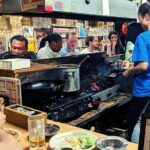

More Tour Reviews in Osaka
Latest out of Osaka


Cycling Tours, side by side.
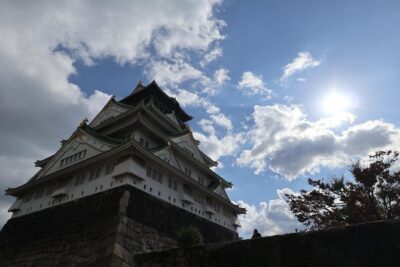 ★ 5.05-Hour Osaka Bike Tour to the Neighborhood of Osaka CastleFrom $87319 reviews
 ★ 5.0One-Day Osaka Bike Adventure: 5–6 HoursFrom $106246 reviews
 ★ 5.0Eat, Drink & Cycle: Osaka Foodie Bike TourFrom $99224 reviews
 ★ 5.0Osaka E-Bike Tour with a Local GuideFrom $59219 reviews
 ★ 4.85-Hour Osaka Highlights Bike Tour with LunchFrom $85146 reviews
 ★ 5.0Osaka in a Nutshell: Three hour bike tourFrom $72121 reviews
★ 4.7Osaka E-Bike Tour With A Local GuideFrom $5775 reviews
★ 5.0Urban Canvas: Osaka Street Art Bike TourFrom $8947 reviews
Also worth a look in