
REVIEW · OSAKA HOME COOKING CLASSES
Traditional Home cooking Experience in Osaka, Japan
Osaka can be loud, then wonderfully cozy. This small-group cooking class focuses on hands-on home cooking with seasonal ingredients and an instructor who keeps it fun. You also get a big focus on Koshihikari rice sourced from Minami-Uonuma, Niigata, which makes the whole meal feel special.
I especially like the way you cook side-by-side with staff, not just watch. And the menu options are clear, so you can pick what you’re craving: Course A leans sukiyaki and tempura, while Course B centers wagyu beef and chicken nanban. The main drawback to consider is that the class is only about two hours, so it’s not a long, slow cooking retreat.
Key Things I’d Remember Before You Go
- Small group size (max 8) helps you get real help while you cook.
- Two course choices make it easier to match the menu to your tastes.
- Seasonal ingredients across Japan’s four seasons keep the food feeling current, not generic.
- Minami-Uonuma Koshihikari rice is a real point of pride here, not a marketing afterthought.
- Friendly, English-capable instruction shows up in multiple experiences, which matters if your Japanese is limited.
Meeting in Nishishinsaibashi, Where Osaka Actually Feels Local
You start in the Nishishinsaibashi area, at 2 Chome-13 Nishishinsaibashi, Chuo Ward, Osaka, 542-0086. It’s in a part of Osaka that’s easy to recognize and convenient for short itineraries, which I like when I only have a small window for something special.
This is also a small class, with a maximum of 8 people. That small size changes the tone. You’re more likely to get personal guidance, quicker answers, and a smoother flow when you’re cooking and tasting in a shared space.
Because the tour ends back at the meeting point, you can plan it like a neat, contained activity. It’s the kind of plan that reduces stress. You won’t need a big hopscotch route across town right afterward.
More kitchen tables to sit at
The Rice Focus: Koshihikari From Minami-Uonuma, Niigata
One of the most distinctive parts of this experience is the rice. You’re using Koshihikari rice sourced directly from contracted farmers in Minami-Uonuma City, Niigata Prefecture, a leading rice-producing area. If you’ve ever eaten rice in Japan that tastes flat one day and magical the next, you already know why this detail matters.
When a class puts this much emphasis on rice, it usually means you’re not just adding it as a side. You’ll likely treat it as a foundation for flavor and texture during the meal.
The bigger value for you is practical. Even if you never cook professionally, rice habits matter at home too. You can walk away with a clearer sense of how ingredient quality changes everything, especially in Japanese food where simple components build the final taste.
Also, it’s a nice cultural touch. Niigata rice is a recognizable name in Japan, and knowing the origin makes the meal feel less like a “tour menu” and more like real food with a real supply chain behind it.
Course A Versus Course B: Picking the Menu That Fits Your Mood
You choose either Course A or Course B when you book. Both courses are designed around two dishes you make together, and both include extra elements related to the listed menu items. The clearest way to choose is to go by what sounds most satisfying to you tonight.
Course A: Suited for Comfort and Crunch
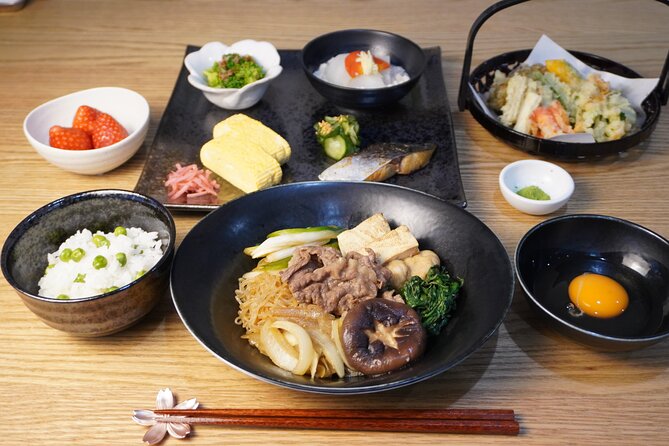
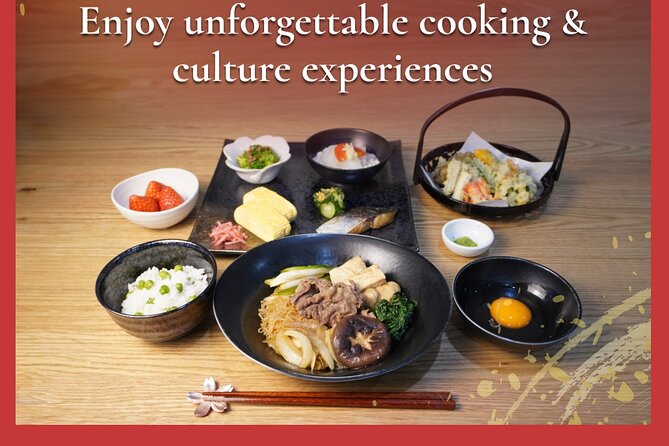
Course A is built around sukiyaki, tempura, and a rolled omelet. If you like food that feels warm, cozy, and a bit dramatic in texture, this option fits well.
Sukiyaki is the kind of dish that’s often associated with shared tables and easy comfort. Tempura adds the crisp, light contrast. And a rolled omelet rounds it out with an egg-forward bite that’s familiar to many people who like Japanese home cooking.
Course B: Built Around Wagyu and Japan’s Chicken Nanban Energy
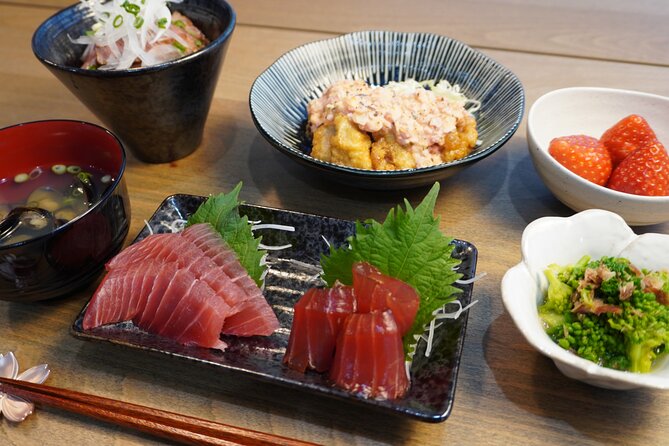
Course B features a wagyu roast beef bowl, chicken nanban, and sashimi. If you want a meal that feels a little more feast-like, this is the ticket.
In at least one experience, the made dishes specifically included a wagyu beef rice bowl and chicken nanban, with instruction led by a friendly chef. That combination tends to hit multiple cravings at once, rich beef flavor plus that popular crunchy, sauce-forward chicken style, plus the freshness from sashimi.

Which should you choose?
If you’re debating, I’d pick based on one simple question: Do you want warm and family-style (Course A), or bold and celebratory (Course B)? Either choice is designed for a group cooking format, so you’re not just paying for a finished plate. You’re making the food.
Inside the Class: Two Hours of Cooking, Tasting, and Real Guidance
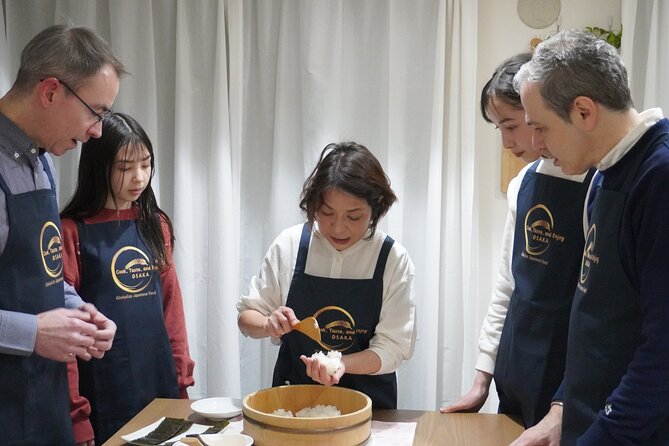
The class runs for about two hours. Some experiences run a bit longer depending on what’s included in the moment, but two hours is the core target. That timeframe is a huge part of the value, because it fits into an Osaka day without chewing up half your vacation.
You’ll cook using seasonal ingredients that change with Japan’s four seasons. Even if you’ve eaten Japanese food before, seasonal rotation helps the meal feel like it belongs in the current month and not a year-round tourist template.
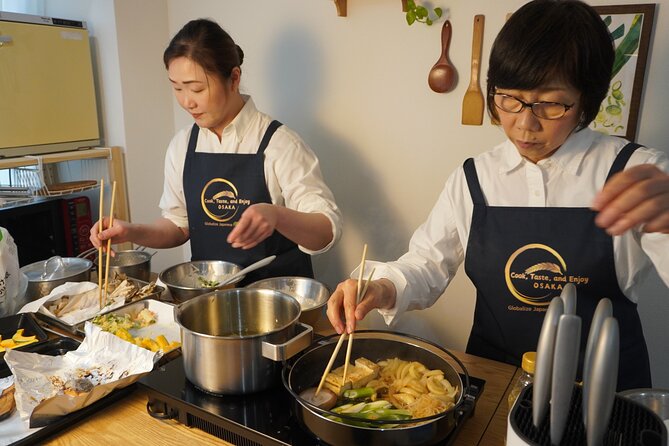
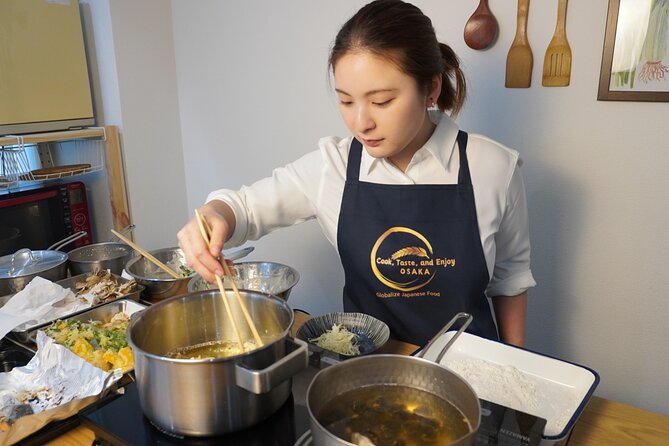
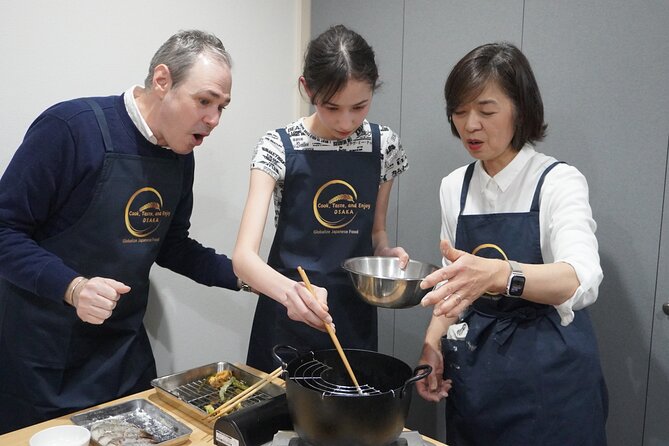
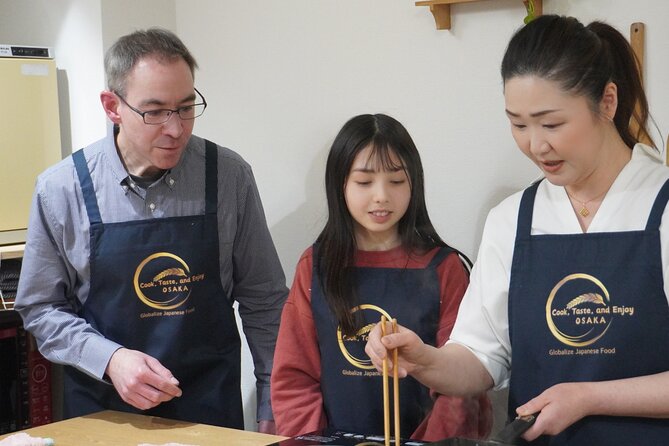
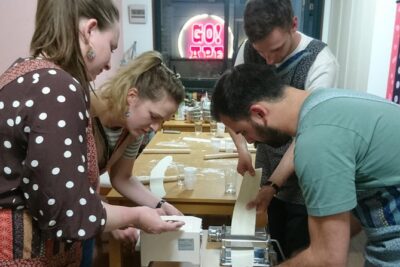
Staff cook alongside you, sharing their specialty dishes. This part matters more than people think. You’re not left alone with a cutting board and guesswork. Multiple experiences highlight that the instructor is skilled, helpful, and kind, with strong English. That reduces the most common cooking class frustration, not understanding what you’re supposed to do next.
The pacing also tends to work well for a short class. You cook, then you taste what you made, and the whole thing stays focused. It’s designed to help you leave with both full satisfaction and something you can remember later.
The Fun Factor: When Osaka Adds Music and Personality
One of the more memorable mentions from a recent experience includes songs and an instrument performance. The performer, Keiko, was right in front, and the vibe was described as part of why it felt like a highlight of an Osaka stay.
Now, don’t assume every session includes the same entertainment. The class description emphasizes cooking and fun, and the musical moment shows up as an added extra in at least one experience. Still, it tells you what kind of atmosphere you’re likely walking into. This is not a stiff lesson. The goal is cooking with personality.
That matters when you’re traveling solo or with a friend. You get food plus atmosphere, without needing extra tickets or a separate show.
What You’ll Eat and Why It Works as a Short Meal
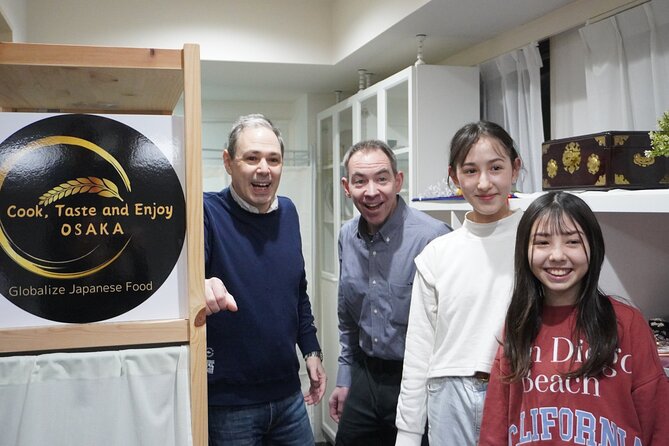
This isn’t a snack stop. It’s designed as a meal built around what you make together. Since both courses involve making two dishes together, you should expect a fuller plate than a one-dish cooking demo.
Your eating time is part of the experience, not just the payoff at the end. You’ll taste the food you prepared and learn how the pieces fit together as a Japanese home-cooking meal.
This is also where the rice focus pays off. When rice is handled with care, the rest of the meal usually feels more balanced. And because you’re using seasonal ingredients, the flavors tend to feel more intentional.
If you’re picky, it helps that you can choose the course ahead of time. Pick based on the dishes listed, not on hopes. For example, if wagyu and sashimi sound right for you, Course B is the clean choice. If you want sukiyaki comfort and a tempura crunch, go Course A.
Price and Value: What $104.51 Really Buys You
The price is $104.51 per person, and the class duration is about two hours. That puts it in the zone where you’re paying for more than food. You’re paying for the ingredient planning, instruction, and a guided meal experience that stays compact.
Inclusions are also clear. Water is free, but other drinks are charged separately. Alcoholic beverages are not included. That means your total cost can rise if you plan to drink, especially if you expect beer or sake with dinner. If you stick to water or non-alcoholic drinks, budgeting is easier.
The value comes from three practical things you actually get:
- You cook with staff guidance, which turns the activity into skills, not just eating.
- You work with quality rice from a specific production area.
- You get seasonal ingredients, which makes the food feel specific to Japan and the time of year.
And there’s an added trust signal: the class is rated 5 out of 5 with a 100% recommendation rate across available feedback. That’s not a guarantee, but it does suggest consistent satisfaction.
Location and Timing: How to Fit This Into Your Osaka Day
The meeting point is Nishishinsaibashi, a neighborhood that’s convenient for getting on with your evening. Since the class ends back at the meeting point, you can treat it like a planned dinner anchor.
Because it’s near public transportation, you can reach it without building a whole routing plan around one activity. That helps if you’re bouncing between shopping streets, food alleys, and viewpoints.
One more practical detail: confirmation is sent within 48 hours of booking, subject to availability. Booking a little earlier usually reduces the chance of missing your preferred course.
Also, the class uses a mobile ticket. Bring your phone or the device you’ll use for the ticket so you are not scrambling at the last minute.
Who This Class Is Best For
This experience is a strong match if you want a structured taste of Japanese home cooking without needing advanced cooking skills. It also works well if you’re traveling with a friend or partner who wants an interactive food moment rather than a passive meal.
I’d especially recommend it if you care about ingredient quality and want a clear story behind at least one major component, in this case the Koshihikari rice from Minami-Uonuma.
Course A is likely best for people who enjoy warm comfort dishes and crisp contrasts. Course B is likely best for people who want richer flavors like wagyu, plus the high-energy appeal of chicken nanban and the freshness of sashimi.
If you hate sharing space while you cook, or if you prefer a strictly quiet, one-on-one lesson, you might find the small-group format less ideal. But for most people, the group setting is part of the fun.
Should You Book Cook, Taste and Enjoy Osaka?
Yes, I think you should book it if you want a short, high-satisfaction food experience in Osaka that includes both cooking and a proper meal. The small group size, the hands-on instruction, and the ingredient focus on seasonal cooking and high-quality rice are the key reasons this works so well.
Book Course A if you’re in the mood for sukiyaki-style comfort plus tempura and a rolled omelet. Book Course B if you want wagyu-forward richness, chicken nanban energy, and sashimi freshness.
One final budgeting note: water is free, but other drinks cost extra, and alcohol is not included. If you plan to drink, factor that in before you decide.
FAQ
How long is the cooking class?
The class lasts about 2 hours.
Do I choose between different menu options?
Yes. You choose either Course A or Course B when making a reservation.
How many dishes will I cook?
Both courses involve making two dishes together.
Is water included?
Water is free. Other drinks are charged separately.
Are alcoholic beverages included?
No. Alcoholic beverages are not included.
How many people are in a group?
The activity has a maximum of 8 travelers.
Where does the class start?
It starts at 2 Chome-13 Nishishinsaibashi, Chuo Ward, Osaka, 542-0086, Japan, and ends back at the meeting point.
What is the cancellation policy?
Free cancellation is available. You can cancel up to 24 hours in advance for a full refund, based on local time.
More Tour Reviews in Osaka





More Kitchen Tables to Sit At

Latest out of Osaka


Osaka Home Cooking Classes, side by side.
 ★ 5.0Osaka: Ramen and Gyoza Cooking Class in DotonboriFrom $70378 reviews
 ★ 4.3Osaka: Sumo Stage Show with Bento or Snack + Fight & PhotoFrom $93364 reviews
 ★ 5.0Osaka Cooking Class: Okonomiyaki &Japanese cuisines experienceFrom $104261 reviews
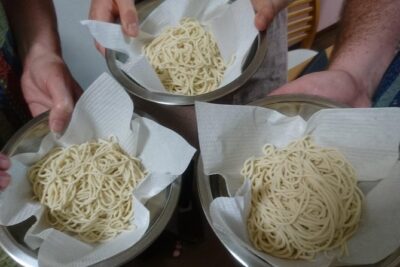 ★ 5.0Ramen and Gyoza Cooking Class in OsakaFrom $79202 reviews
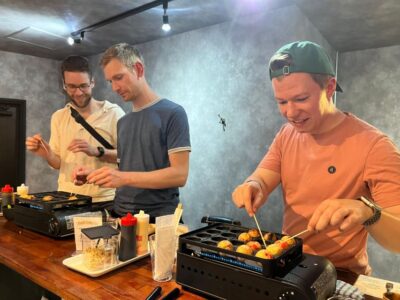 ★ 5.0Osaka Sake Tasting with Takoyaki CookingFrom $70156 reviews
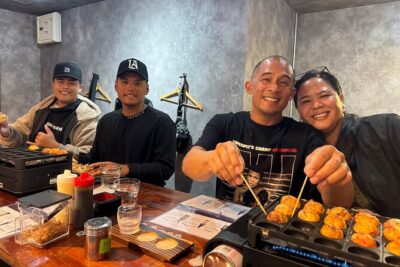 ★ 5.0Osaka Sake Tasting & Takoyaki Cooking ExperienceFrom $72149 reviews
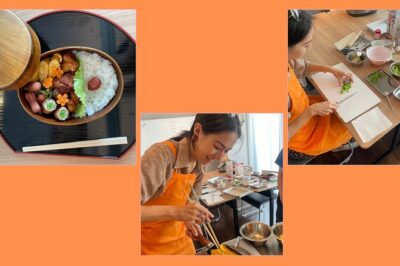 ★ 5.0Cooking Ramen&Gyoza/KatsuCurry/Bento/Okonomiyaki+Store Tour@OsakaFrom $85138 reviews
 ★ 5.0Three Types of Ramen Cooking Class in OsakaFrom $79119 reviews
Also worth a look in