
REVIEW · WALKING TOURS
Osaka Walking Tour
Osaka can feel like a maze, until you walk it with a plan. This 3-hour small-group tour strings together the city’s major “faces,” from Osaka Station-area architecture to the neon energy near Ebisu Bridge. You also get a real taste of local street food and the kind of practical context that helps you navigate later on your own.
I especially like the small-group size (max 10), because the pace stays friendly and you can actually ask questions. I also like that the tour includes a kushikatsu tasting plus one non-alcoholic drink, so you’re not spending the whole walk just looking at food.
One possible drawback: you’ll need to budget the subway fare separately (adult and youth 430 yen, child 220 yen), and this is more “orientation + one snack” than a full-on food crawl. If you’re expecting multiple tastings or lots of seated restaurant time, you may feel slightly shortchanged.
Key highlights worth knowing
- Max 10 travelers keeps the walking tour from turning into a slow moving crowd.
- Kushikatsu tasting included, along with 1 non-alcoholic drink.
- Osaka Station City first, which helps you build a mental map fast.
- Subway ride time, with the fare paid separately.
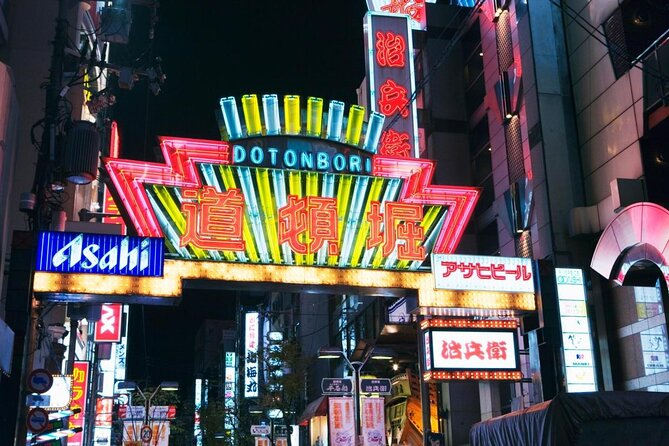
- Hozenji Temple + Dotonbori finish, ending at Ebisu Bridge for classic Osaka vibes.
- Meet at JR Osaka Station central concourse with a yellow flag, so you’re not guessing.
A smart first-day plan for first timers and short schedules
This is a good choice when you want Osaka context without locking yourself into a full day of planning. In just about 3 hours, you get a guided route through several distinct areas, including the business-and-transit world around Osaka Station and the entertainment atmosphere near Dotonbori.
The tour is also built for momentum. You’re walking, yes, but it’s not a grind through endless blocks. The stops are designed to give you anchor points, so when you return later, you’ll know what you’re looking at and where to go next.
If you’re the type who likes to get your bearings early, you’ll probably appreciate how the route sets up your future sightseeing. Even if you only do one guided experience in Osaka, this one tends to give you a base layer of understanding.
Osaka at walking pace, a few more
Where the tour starts, how it flows, and why it matters
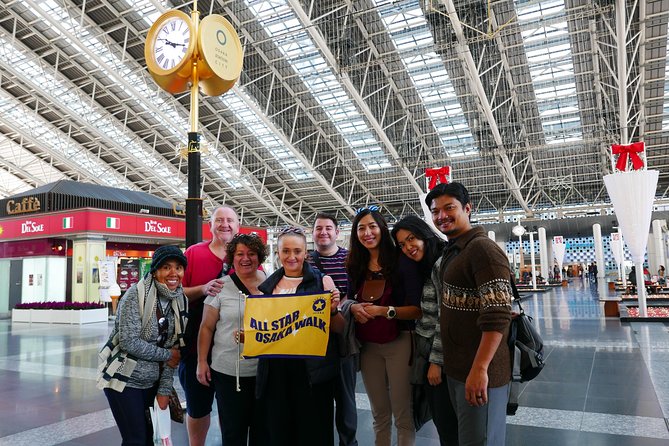
Meeting point matters in Osaka. The tour starts at the Osaka Tourist Information Center at JR Osaka Station, ground level, in front of the central gate, at 9:50 am. The guide holds a yellow All Star Osaka flag, and the walk starts exactly 10:00 am, so plan to arrive a few minutes early and orient yourself at the concourse.
The end point is equally important for your timing. The tour finishes on the bridge of Ebisu-bashi (Ebisu Bridge) in the Dotonbori area. That’s a convenient landing spot because it keeps you close to the main nightlife zone, shopping streets, and riverside views without dumping you in the middle of nowhere.
You should expect a moderate amount of walking, plus escalators and some steps. If you’re traveling with a stroller, the info notes you’ll use escalators and steps, so it’s worth bringing a stroller that’s easy to manage and being ready for occasional awkward moments.
Finally, the tour runs rain or shine. In practice, this means your guide may make sensible route choices depending on weather and crowds, so you’re not stuck with a sightseeing plan that ignores reality.
Osaka Station City: the practical kickoff before the fun stuff
The tour’s first big “anchor” is Osaka Station City, the modern complex inside and around JR Osaka Station. You get about 45 minutes here, and that time is valuable because you’re starting with the transit hub you’ll likely use again and again.
This part of the experience is about orientation, not just architecture. If you’ve ever wandered inside a huge Japanese train station and felt your brain go into survival mode, you’ll love having someone explain what’s what and help you connect the station complex to the rest of the city.
A common plus point in guide feedback is how clearly they explain directions. Guides like Rika and Harry are specifically mentioned for helping people find the meeting spot and for keeping things calm in a busy station environment. That kind of guidance is what turns Osaka Station from a headache into a tool.
One thing to keep your expectations balanced: some reviews mention that the station area can feel like a lot of time, especially if you were hoping to jump straight to neighborhoods. If you prefer street-level neighborhoods from the first minute, you might feel you want more immediate outside sightseeing.
The subway hop and why you pay the fare
A key element of this tour is learning how to move through the city. The overview includes riding the subway like a local, and that’s a real-life skill, not just sightseeing theater.
The important part for budgeting: subway fees are not included. The posted fare is 430 yen for adults and youth, and 220 yen for children. So even though the tour price is solid, you should plan for that extra transit cost so there are no surprises mid-walk.
If you’re someone who usually hesitates to use transit in a new country, the guide’s presence can make the subway feel far less intimidating. You’ll also likely get small tips on where you’re headed next and how to keep your group together.
Shinsekai and the kushikatsu stop, Osaka’s street-food identity
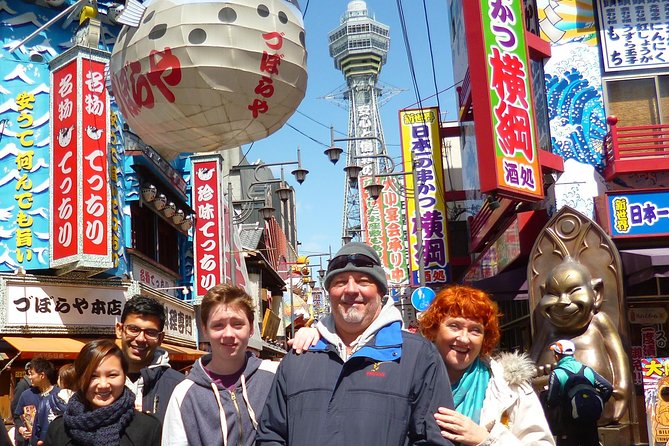
Shinsekai is one of Osaka’s most recognizable “characters.” It’s the kind of neighborhood where the food culture is part of the street scene, and it’s famous for kushikatsu, deep-fried skewered snacks.
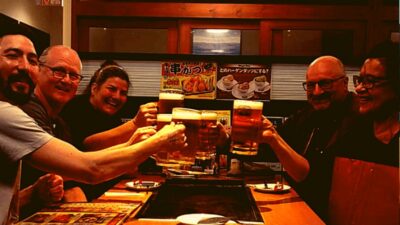
You’ll spend about 50 minutes in Shinsekai, and the tour includes a stop at a restaurant for a kushikatsu tasting. That included snack is one of the best value pieces of the tour because you get to try a signature Osaka food without doing the guesswork of where to go, what to order, and how ordering typically works.
Here’s how to approach the food tasting mindset: this is a tasting, not a full meal experience. You get 1 non-alcoholic drink and the kushikatsu sample, so if you’re hungry-hungry later, plan to eat again after the tour. That expectation lines up with how the route is structured, which is “sample and orient,” then move to the next area.
Also, Shinsekai includes lanes and restaurant-lined alleys, so you’re not only eating. You’re seeing how the neighborhood feels day to day, which is usually what people want when they book a walking tour.

Hozenji Temple, alleyways, and the walk toward neon Dotonbori
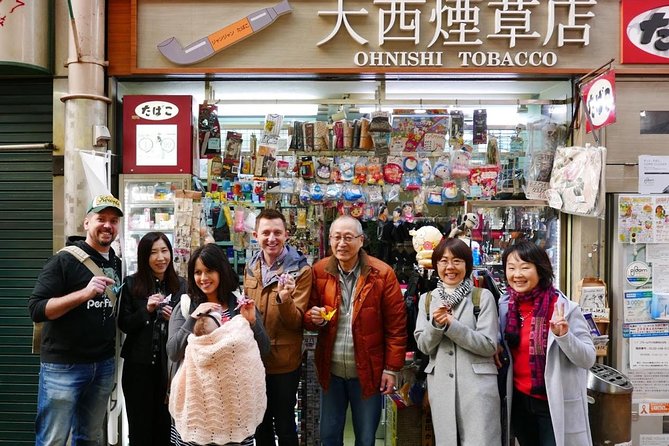
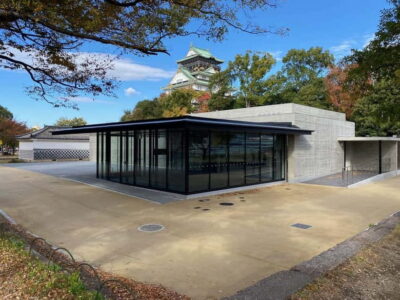
The tour route doesn’t stay locked to one neighborhood vibe. In addition to Shinsekai and the subway movement, it includes a stop at Hozenji Temple and then heads toward the Dotonbori area.
Expect more street-level scenery as the group moves along. The route includes passing small attractive alleys lined with restaurants, plus walking through a livelier commercial district with shops, theaters, and flashy billboards. This is where Osaka starts feeling like Osaka in the movies, not just a city of trains and station signage.
Then comes the endpoint: Ebisu Bridge. The tour gives you about 10 minutes here at the end, which is enough time to soak in the surroundings without turning it into a long detour.
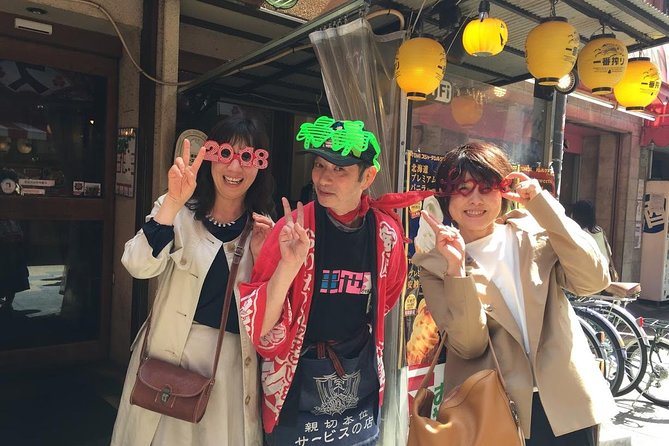
If you’re planning photos, do it at natural pauses, not while rushing. Some feedback mentions that guides may ask people to pose for tour photos for the company’s social pages, and one guest found it a bit obnoxious. If that kind of request makes you uncomfortable, keep your own comfort level in mind and communicate politely if you’d rather not.
Group size, pace, and what your guide style can change
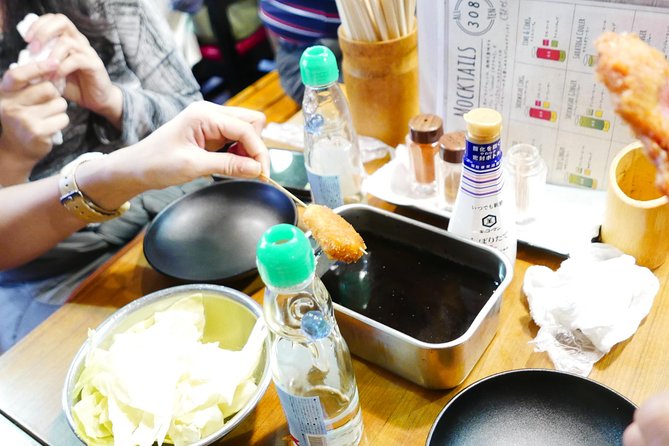
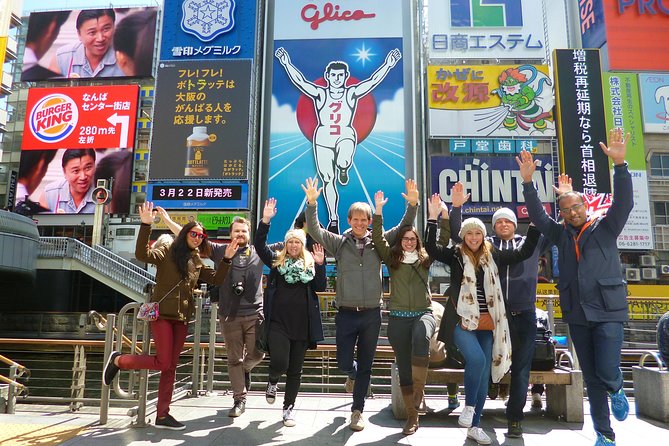
This tour caps at 10 travelers, and that’s not a small detail. A smaller group tends to mean fewer bottlenecks at narrow storefronts, more time for clarifying questions, and a pace that doesn’t leave people sprinting to catch up.
Guide quality shows up again and again in feedback. People highlight guides like Hideoki, Mikano, Yahiro, Kaori, Ichi, Keiko, Minako, and Ichiro for clear English, patient explanations, and being willing to help with practical advice. That matters because Osaka can be confusing even for experienced Japan travelers, especially in station complexes.
Pace is also repeatedly praised. Comments mention that the walk is not rushed and that timing feels right for a first-time visit. So if you’re traveling with jet lag or you don’t want to turn your vacation into a workout, this setup is usually a good fit.
The one thing I’d keep realistic: because it’s a walking tour with multiple street scenes, you still spend time in busy areas and you may cover some repetitive-looking commercial streets. If you’re only interested in one or two iconic “photo targets,” you might find the city texture takes some of your time.
Price and value check: what $53.06 buys, and what to budget
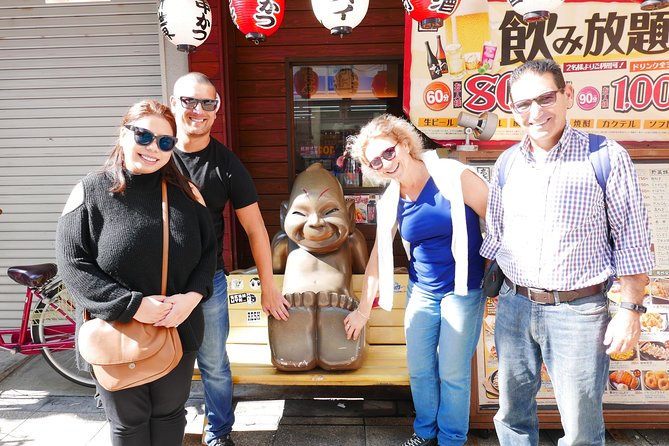
At $53.06 per person, you’re paying for a guided route plus the included tasting and drink. The most direct value is that you get a structured overview in about 3 hours, which is often hard to replicate if you’re self-guiding because you’d be spending time figuring routes instead of moving through them confidently.
Your included items are:
- A local guide
- Beverages: 1 non-alcoholic drink
- Food tasting: kushikatsu
And your big “not included” item is:
- Subway fee (adult and youth 430 yen, child 220 yen)
So the real value depends on your willingness to use transit and on your appetite expectations. If you’re happy with one included snack and one drink, this is priced like a smart orientation tour. If you expected a more food-heavy experience with multiple tastings, you might feel it’s not fully matching what you wanted.
One negative feedback theme points to this mismatch for at least one traveler, who felt the tour involved too much time in station and market streets for the price. That doesn’t mean the tour is bad, it means your expectations should match the format: it’s a city-walk introduction, with one main food tasting.
Comfort tips so you can enjoy Osaka instead of fighting logistics
Wear comfortable walking shoes. The info calls out a moderate amount of walking, and Osaka streets can include lots of uneven steps and fast-moving crowds near entertainment areas.
Also, Osaka Station is complicated. Even if you don’t get lost, it’s easy to waste time on wrong entrances. Arrive early enough to meet the guide without stress, and keep an eye out for the yellow All Star Osaka flag.
If you’re traveling with family, children must be accompanied by an adult. And again, stroller users should expect escalators and some steps, so bring a stroller that can handle that rhythm.
Finally, because the tour runs rain or shine, pack for weather. Even if your guide tries to adjust, you don’t want to be soaked and miserable while walking between districts.
Should you book the Osaka Walking Tour?
Book it if you want an easy first taste of Osaka with a guide who can explain what you’re seeing and help you move between neighborhoods. The small-group size, the kushikatsu tasting, and the route ending at Ebisu Bridge are strong reasons to choose this as a first-day experience.
I’d pass or look for something else if you’re expecting a long food crawl, multiple restaurant tastings, or minimal time around station and commercial streets. Also, if subway costs would feel like a hassle, remember the fare is separate, so factor that into your budget.
If you do book it, go in with the right mindset: think orientation plus one signature snack. That combination is exactly what tends to make this kind of tour worth it in a city like Osaka, where the details are often easier when someone local points them out.
FAQ
How long is the Osaka Walking Tour?
It runs for about 3 hours.
What is included in the tour price?
The tour includes 1 non-alcoholic drink, a kushikatsu food tasting, and a local guide.
Do I have to pay for the subway during the tour?
Yes. Subway fees are not included, and the listed fares are 430 yen for adults and youth, and 220 yen for children.
Where do I meet the guide?
Meet at the Osaka Tourist Information Center at JR Osaka Station, ground level, in front of the central gate, at 9:50 am. The guide will hold an All Star Osaka yellow flag.
Where does the tour end?
The tour ends at Ebisu Bridge (Ebisu-bashi) in the Dotonbori area.
Does the tour run in bad weather?
Yes, it runs rain or shine. If it is canceled due to poor weather, you’ll be offered a different date or a full refund.
Osaka on Foot: More Walks



More Tours in Osaka



More Tour Reviews in Osaka

Latest out of Osaka


Walking Tours, side by side.
 ★ 5.0Osaka Local Foodie Walking Tour in Dotonbori and ShinsekaiFrom $111985 reviews
 ★ 5.0Osaka Bar Hopping Night Walking Tour in Namba (3 bars, 6 tastes)From $98958 reviews
 ★ 4.9Osaka: Deep Backstreets Walking Tour with Dinner OptionFrom $40902 reviews
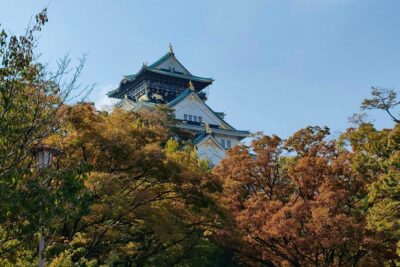 ★ 5.0Ultimate Osaka Walking Tour: Castle, Dotonbori & Hidden GemsFrom $73862 reviews
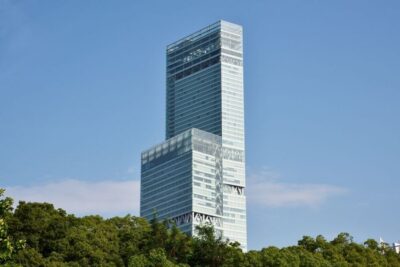 ★ 4.9Osaka: Main Sights and Hidden Spots Guided Walking TourFrom $59702 reviews
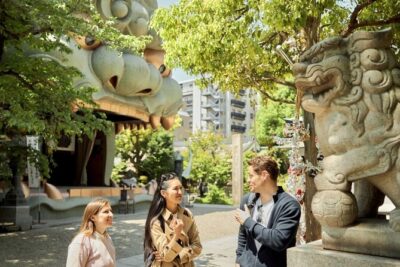 ★ 5.0Private Osaka Walking Tour: Highlights & Hidden GemsFrom $81569 reviews
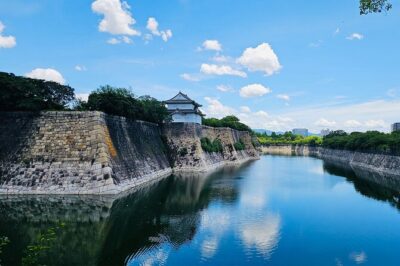 ★ 5.0Osaka Castle Walking Tour and Castle Tower AdmissionFrom $23561 reviews
 ★ 5.0Kuromon Market Food Walking Tour in Osaka (6 stops, 6 tastes)From $50550 reviews
Also worth a look in