
REVIEW · DOTONBORI NEON & STREET FOOD WALKS
Osaka Private Pop Culture Tour: Historic Tenma to Dotonbori
Osaka can be loud and confusing in the best way. This private walk turns Tenma into Dotonbori with a guide who steers you through backstreets, arcades, and neon.
Two things I really like: first, the day is fully customizable based on what you want to see (history, food, pop-culture, shopping, photo stops). Second, you get a true local flow, not a rush through checklist landmarks, with lots of chances to pause, snack, and look around. A possible drawback: it is a lot of walking, and the day’s quality depends heavily on clear communication with your specific host.
Key moments you will feel on this Osaka route
- Tenma starting point near Tenjinbashi, with an easy, practical meeting location to anchor your day
- Pop-culture energy in the Dotonbori approach, where neon signs and retro storefronts set the mood
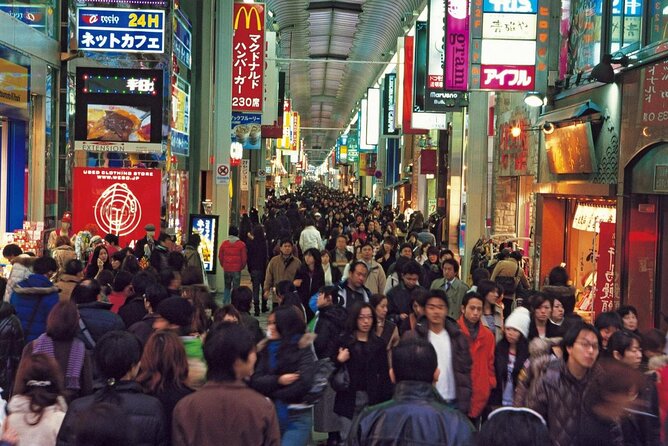
- Japan’s longest arcade style stretch, ideal for casual snacking and watching local rhythm
- Markets, shrine alleys, and small bars, a side of Osaka that feels lived-in, not staged
- A 600-meter shopping and character-goods strip, great for gifts and last-minute souvenirs
- Dotonbori canal icons and sizzling street food, where your guide helps you skip the tourist bottlenecks
Tenma to Dotonbori: a pop-culture walk with a real local host
This is a private full-day walking experience that goes from historic Tenma toward Dotonbori, Osaka’s street-culture powerhouse. The pitch is simple: one host, your pace, and a route built around your interests, whether that means ramen, shrines and alley life, arcades, or character goods.
The big value is that your guide is not just pointing. They plan the sequence so the day feels logical. You start in the Tenjinbashi area, move through older streets with shrine alleys and market pockets, then flow into the long arcade zone. After that, the route naturally shifts into retro neon, shopping stretches, and finally Dotonbori’s canal-side spectacle.
If you like Osaka the way it really works, this kind of route makes sense. It is not one huge photo stop. It is a chain of small moments where you learn how neighborhoods connect, why people eat where they eat, and how pop culture shows up on everyday streets.
More of the canal after dark
Price and what you really get for $243.73
At $243.73 per person, this is not a budget group tour. So you should ask: what part of that cost helps you more than booking a cheaper option?
Here’s what you’re paying for, based on what’s included:
- A private guide for your group, not shared commentary
- Customization via a questionnaire and direct message planning with your host
- Flexible start times (you choose your preferred time when booking)
- Hotel pickup can be arranged from centrally located hotels
- Mobile ticket for the experience
Then there’s what is not included, which matters for budgeting:
- Food, drinks, and attraction tickets are on you
- Transportation is not included, and the tour is primarily walking
So the value depends on how you travel. If you want a guided day because you care about food choices, local shortcuts, and how to structure a first visit, this can feel worth it. If you just want to wander freely and pick up snacks wherever, a self-guided route plus transit might beat the price.
One smart move: decide your priorities before you message your host. The day gets better when the guide has clear targets like street food, markets, arcades, or shrine alleys.
How customization works, and the one risk to watch
You answer a short questionnaire after booking. Then your guide reaches out to shape a route that matches your interests and must-sees. That sounds straightforward, but here’s the real-world part you should manage on your side.
To avoid the kind of disappointment that happens when a plan drifts, do this:
- Reply quickly to your guide’s questions.
- Send a simple list of your top 3 to 5 priorities (for example, best snack stops, arcade time, shopping for character goods, one temple or shrine focus).
- Confirm your walking comfort. A 7 to 8 hour walking day is fantastic if you are ready for it.
Also, note that the tour is private, so you are not stuck with the preferences of other people. That’s a plus. The flip side is you need good communication to lock in the day you want.
On the positive side, guides have been praised for strong support, including helping with metro and railway navigation and staying patient while people take photos. Names like Maria, Max, Loys, Marcelo, Mikiko, and Cijic show up as hosts, and the common theme is they tailor the experience and explain the what and why, not just the where.
Starting out in Tenjinbashi: where your Osaka day really begins
Your meeting point is at Naruto Taiyaki Honpo Tenjinbashi 3 Chome, at 3-chome-8-18 Tenjinbashi, Kita Ward, Osaka. The end brings you back to that same meeting point.
Why that matters: this part of Osaka is a strong base for walking. You are in an area where local life is close enough that your guide can build in quick stops. It also helps you mentally because you’re not meeting at some random landmark that feels disconnected from the rest of your day.
Even if your route shifts based on interests, you can expect the day to start with an orientation phase. Think of it as getting your bearings fast, learning which streets are worth lingering on, and figuring out how Osaka’s different zones connect.
And since this tour uses a mobile ticket, you can keep everything tidy on your phone. That’s not a small thing in Japan, where you’ll bounce between street-level scenes, cashless decisions, and quick snack runs.
Tenma backstreets: shrine alleys, markets, and small-bar mood
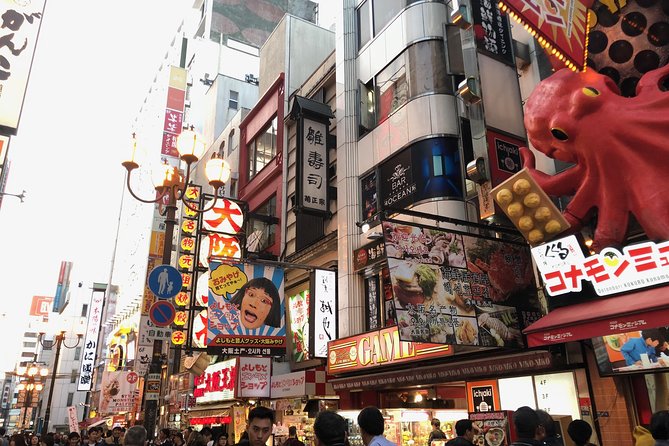
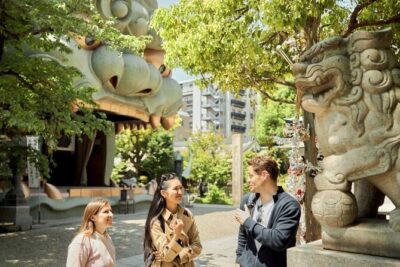
One of the stops is described as a neighborhood full of local flavor: shrine alleys, hidden bars, and markets where every street has a story. This is the portion of the day that helps Osaka feel like a place, not a stage.
What I like about this style of stop is that it gives you context before you hit the neon. You understand the everyday Osaka first: small side streets, older storefront rhythms, and the way people mix errands with casual eating.
If you are a foodie, this is where the guide’s taste matters. Even when you’re not buying food at every stop, you learn what to look for, what smells good, and how locals structure meals around the day.
If you are more into pop culture, this part still works because Osaka’s street identity is not only anime billboards. You see character goods culture, but also the older layer underneath it.
Just your group: more private options
The longest-arcade style stop: snack pace and people-watching
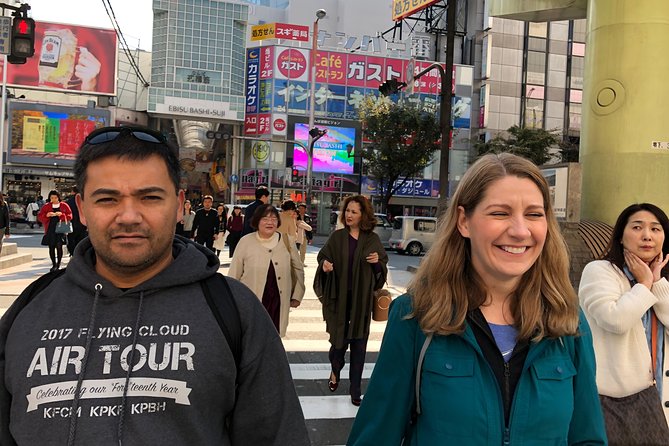
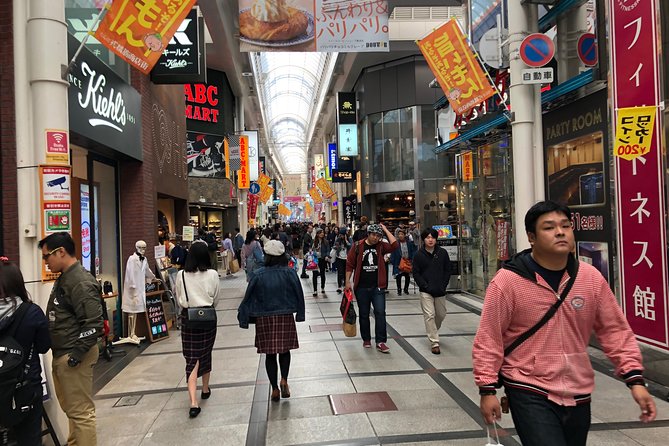
Next comes Japan’s longest arcade experience, where local life hums between snack stalls and old-school storefronts. Arcades in Japan are more than a shopping tunnel. They are social corridors.
Here’s what you can expect:
- Easy browsing without the pressure of long-distance outdoor walking
- Plenty of snack options, especially if you want something quick while you keep moving
- Strong people-watching, because the crowd flow is constant
This stop also helps with timing. When you’re halfway through a day, arcades are a natural break point. You can slow down, grab a bite, and regroup without feeling like you’re taking a “tour break” from the real thing.
A practical tip: since food and drinks are not included, treat this arcade as an opportunity to choose one or two snacks you genuinely want, not a “try everything” mission. Your energy will last longer, and you’ll enjoy the next neon stretch more.
Retro neon skewers and big signage: the Dotonbori warm-up
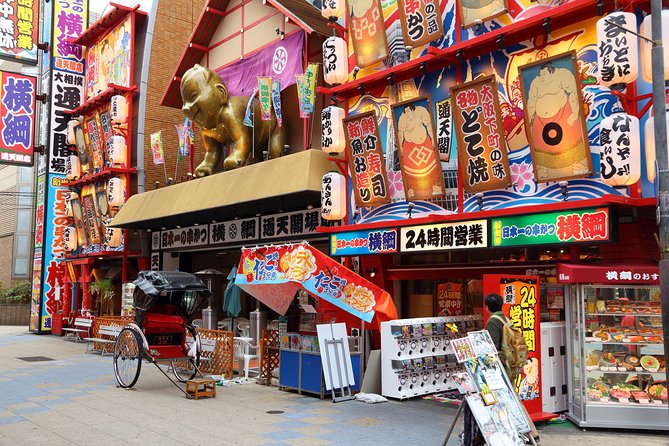
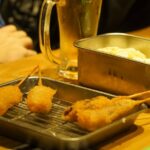
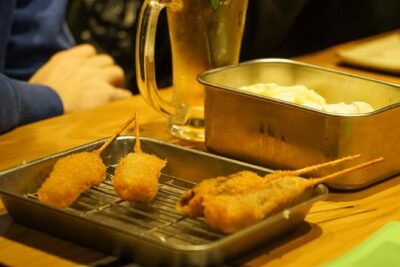
After the arcade area, the route shifts into a retro, neon-heavy zone with fried skewers, bold signage, and a kitschy edge that feels unmistakably Osaka. This is where the pop-culture theme becomes more obvious.
What makes this stop work in a guided format is the “order of operations.” Your guide can point out where the action is, then help you find the spots where the crowds are less chaotic. That can mean the difference between standing in line just to see a sign, and actually enjoying food and atmosphere.
Also, this is a good stretch for photos. You get classic Osaka visuals, but you are not stuck photographing from one angle the whole time. Your host can suggest where the best views line up with your walking pace.
The 600-meter shopping and character-goods stretch
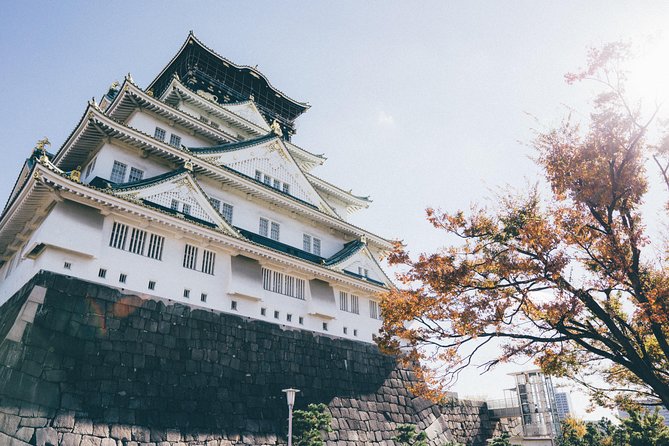
One stop is a 600-meter stretch of shops, cafés, and character goods. This is a key part of the day if you want souvenirs that feel fun and current, not generic tourist stuff.
Two reasons this works particularly well on a guided walking day:
- You’ll know how long it makes sense to spend there based on the rest of your route
- Your guide can steer you toward what fits your interests, whether that is snacks, casual shopping, or gifts
If you are shopping, I suggest setting a tiny budget before you enter this part. Character goods can spiral fast, especially if you love the details. Your guide can also help you prioritize what to buy so you’re not carrying too much weight during the final Dotonbori canal area.
Dotonbori canal icons: giant signs and street-food strategy
The final area is defined by giant signs, canal views, and sizzling street food. This is the Osaka postcard moment, but the guide’s role is to help you cut through the noise and find the places that feel worth your time.
A private guide matters here because Dotonbori can be intense. The goal is not just to see the big sign. The goal is to manage the experience:
- When to pause for photos
- Where to walk for the best canal views
- How to choose street food without losing your whole night to lines
If you’re hungry, this ending stretch is where you want to be practical. Decide what you want before you commit. Then take a few minutes to find a spot where you can eat and still enjoy the canal atmosphere.
Also, since the tour ends back at the meeting point, your host keeps you moving so you don’t feel stranded at the edge of the neighborhood.
Pickup, timing, and how to plan your day
The duration is 7 to 8 hours. That is a full day, and it’s long enough that your start time really matters. When booking, think about your energy and the weather.
Good planning moves:
- If you hate rushing, pick a later start so the neon finale isn’t just “survive the day.”
- If you love food, give yourself room at the front of the tour so you’re not starving when you reach the arcade and skewer stages.
- Book with enough buffer. On average, this tour is booked about 10 days in advance, so if your schedule is tight, earlier is safer.
Hotel pickup can be arranged from centrally located hotels. If you are staying a bit off the main areas, you may still use the meeting point, since the tour is near public transportation and the guide may use trains or local taxis between sites for extra cost.
And yes, service animals are allowed, and most travelers can participate, but it’s still a walking tour. If you have mobility limits, plan carefully.
Who should book this Osaka pop-culture tour
This fits best if you want:
- A private guide who can tailor the day to your interests
- A route that mixes street food, shopping, arcades, and pop-culture visuals
- A first-time Osaka plan that still feels local, especially from Tenma to Dotonbori
It also makes sense for solo travelers. People have been impressed by how quickly a guide can shape a tight one-day Osaka schedule, including making navigating public transport feel less stressful.
You might want to choose something else if:
- You prefer a fully independent day and hate structured itineraries.
- You do not enjoy walking for 7 to 8 hours.
- Your interests are extremely niche and you would rather do deep research independently than rely on a guide to translate your preferences into a walking route.
Should you book it?
I think you should book this if you want an Osaka day with structure but not stiffness. The mix of Tenma backstreets, an arcade-style stretch, retro neon scenes, character-goods shopping, and Dotonbori canal icons is a strong arc for first-time visitors and returning fans of Japanese street culture.
Just do one thing to protect your money: set clear priorities in your questionnaire and message your guide promptly so the day matches your idea of a perfect Osaka walk. If you do that, you’ll get exactly what private tours are best at, a smart route built around your taste, not a one-size itinerary.
FAQ
How long is the Osaka private pop-culture tour?
It runs about 7 to 8 hours.
Is this a private tour or a group tour?
This is a private tour/activity. Only your group participates.
Can I choose the start time and customize what we do?
Yes. You can choose your preferred time when booking, and you’ll fill out a questionnaire to share interests and must-sees. Your host then plans a customized route with you.
Is food, drinks, or attraction tickets included?
No. Food, drinks, and tickets are not included. Transportation also isn’t included, since the experience is primarily a walking tour.
Is hotel pickup available?
Hotel pickup can be arranged from centrally located hotels. You can also meet at the start point at Naruto Taiyaki Honpo Tenjinbashi 3 Chome.
Can I cancel for a full refund?
Yes, you can cancel for free up to 24 hours before the experience start time for a full refund. If you cancel less than 24 hours in advance, the amount paid is not refunded.
More Tours in Osaka


More Tour Reviews in Osaka
The Canal After Dark, Continued
Latest out of Osaka


Dotonbori Neon & Street Food Walks, side by side.
 ★ 5.0Osaka Local Foodie Walking Tour in Dotonbori and ShinsekaiFrom $111985 reviews
 ★ 5.0Ultimate Osaka Walking Tour: Castle, Dotonbori & Hidden GemsFrom $73862 reviews
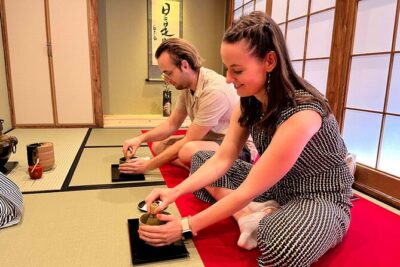 ★ 5.0Tea Ceremony Experience in Osaka DoutonboriFrom $20754 reviews
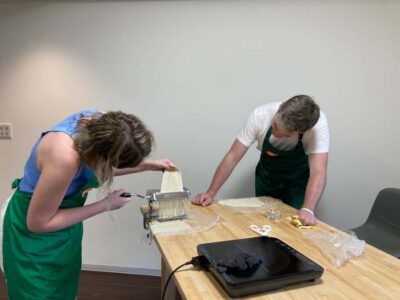 ★ 5.0Osaka: Ramen and Gyoza Cooking Class in DotonboriFrom $70378 reviews
Osaka: Dotonbori River Cruise with Glico Sign & Neon ViewsFrom $12376 reviews
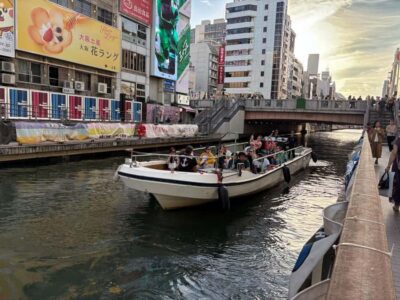 ★ 3.9Osaka: Dotonbori’s Bridges 20-Minute CruiseFrom $12303 reviews
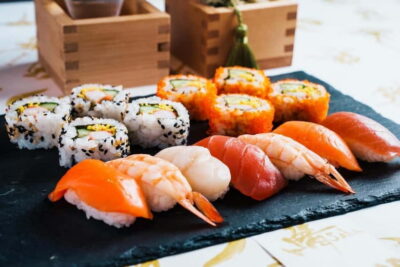 ★ 4.9Osaka: Roll and Authentic Sushi Making Class in DotonboriFrom $45239 reviews
 ★ 5.0Osaka Local Bar Crawl in Dotombori & Uranamba AreaFrom $26199 reviews
Also worth a look in