
REVIEW · WALKING TOURS
Osaka Private Custom Walking Tour
Choose your own Osaka route, guided your way. I like the custom itinerary that can be slow and temple-focused or more fast-paced for major sights, and I like the English-speaking guide who helps you make smart stops instead of wandering. The one thing to watch is that entrance fees are not included, so the final total depends on which paid viewpoints you choose.
This is a true private experience, meaning it’s only your group. You’ll start at Osaka Station Central Gate (JR Ticket Office area) and the tour ends back at that same meeting point, which is handy if you’ve got dinner plans.
Key things I’d plan around
- A fully customizable route lets you match the day to your interests and your walking pace.
- English-speaking guiding keeps temple rules, food choices, and directions easy.
- Major Osaka highlights are built in, from Osaka Castle to Dotonbori and big-city viewpoints.
- Entrance tickets vary by stop, so you can control cost by choosing fewer paid attractions.
- Guides are praised for adapting on the fly, including avoiding crowds and adjusting to limited time.
- Pickup is offered, which can make a half-day feel more efficient if you’re not starting at the station.
How a custom Osaka walking day really feels
This tour is designed around one simple idea: you shouldn’t have to force your day into someone else’s checklist. You tell the guide what you like, how much walking you want, and what mood you’re after, then the itinerary gets built around that. You can steer toward history-and-temples time, street-food time, or skyline views time, and the day stays your pace rather than a fixed script.
I also like that the experience is private, so you’re not stuck behind other people’s camera habits. Past guides named in tour feedback like Aquino, Benoit, Hina, and Kina are repeatedly described as friendly, kind, patient, and willing to adjust, including for travelers working with limited time in Osaka. That matters, because Osaka’s best areas can get crowded fast, especially around major photo spots and food streets.
One more practical point: it’s still a walking tour with a moderate physical fitness level requirement. If you plan to do multiple viewpoints and several dense shopping streets in one day, you’ll want to pace yourself and ask for breaks before your legs feel it.
Osaka at walking pace, a few more
Meeting at Osaka Station Central Gate, then back again
You start at Osaka Station Central Gate, at the JR Ticket Office Central Ticket Gate area in Umeda. The good part is that this is one of the easiest places in the city to orient yourself, especially if you’re using trains for other parts of your trip. The tour also ends back at the meeting point, so you’re not trying to solve transportation later with a tired body and limited energy.
If you’re the type who likes a clean plan, this setup is great. You can schedule other stuff around it because you know where you’ll land. And since the guide is English-speaking, you don’t have to do guesswork about meeting points or how long each stop will take.
The tour also uses a mobile ticket, which usually means less paper to track while you’re moving through station corridors and street crossings. Just make sure you keep your phone battery healthy, especially if you plan to take lots of photos on the way.
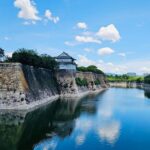
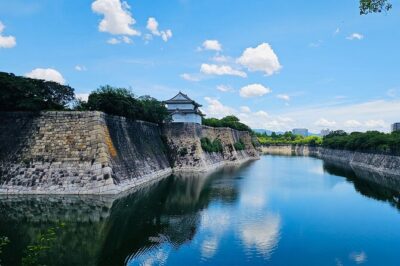
Osaka Castle and Osaka Castle Park: museum time plus big views
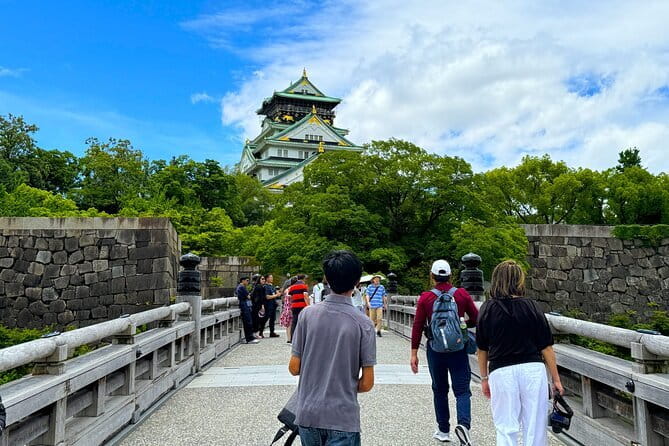
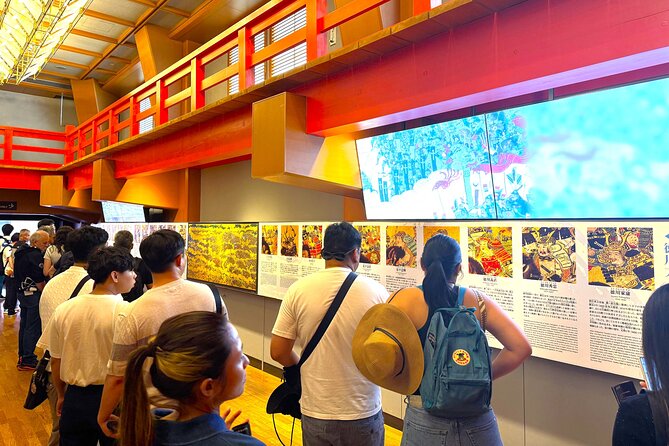
Osaka Castle is the kind of stop that works even if you’re not a dedicated history fan. It’s known for its role in Japan’s unification era, and it also gives you a structured visit option through the museum inside. The time window here is listed at about 30 minutes, and you should plan for some time to look around before your eyes find the best angles.
The paid part is the castle itself. Entrance tickets are not included, so decide ahead of time if you want the museum experience and whether you’ll climb for top-floor views. If you skip that, you can still enjoy the castle area around it.
Then you’ll move into Osaka Castle Park, which is listed with free admission and also around 30 minutes. This is where the day can slow down naturally. Gardens and open space give you a breather from street crowds, and it’s a good spot for photos that don’t feel rushed.
My take for value: If you’re paying for one major paid ticket on the day, Osaka Castle is a sensible pick because it’s a landmark plus a viewpoint plus a museum option. If you’re paying for multiple paid stops later, you can always reduce what you do at the castle and spend more time walking the park.
Namba and Dotonbori: neon energy, food choices, and street-level fun
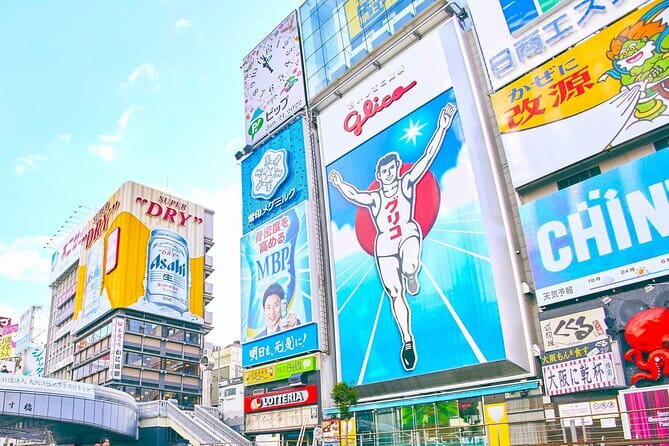
Namba is where Osaka’s public life shows up fast. The itinerary gives you about 30 minutes here, focused on the dense area around Dotonbori and Namba’s dining and shopping lanes. Dotonbori is the star of the entertainment-district vibe, with neon, giant signboards, and that classic Osaka feeling where food is the main event.
During these stops, the tour highlights local favorites like takoyaki and okonomiyaki. That’s useful because Osaka’s food streets can overwhelm you if you’re hungry and undecided. Having a guide help you pick where to go can save time and keep your meal aligned with what you actually want to eat.
The Dotonbori area also lists a river cruise as an option. The listing doesn’t specify whether that cruise ticket is included, so treat it as something that may be an extra cost depending on what you choose during your customized routing. Still, it’s a smart add if you want a break from walking while getting different perspectives of the area.
Heads-up: Both Namba and Dotonbori can draw big crowds, especially during peak hours. If you tell the guide you prefer fewer people and smoother photos, you’ll likely get a better-flow plan. The flexible routing is one of the reasons this kind of private tour can feel worth it.
Kuromon Market: “Osaka’s kitchen” in a 30-minute food sprint
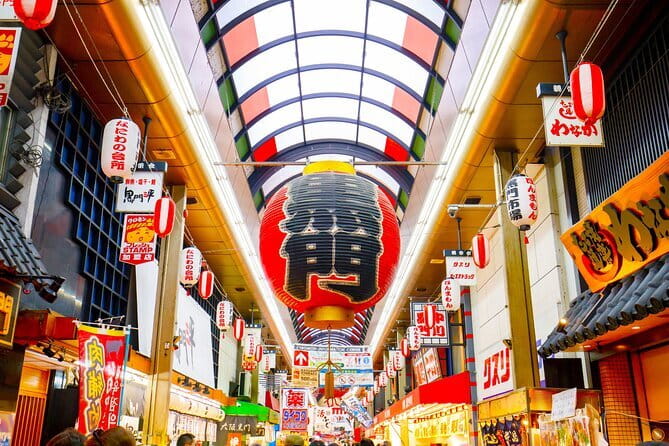
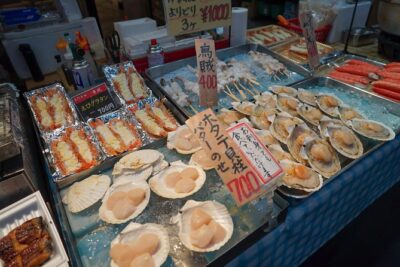
Kuromon Market is presented as Osaka’s kitchen for food lovers, and the structure here makes it practical. You get about 30 minutes, and the focus is on fresh seafood, premium wagyu beef, and classic street-food bites. Even if you don’t eat every stop, you’ll still come away understanding what locals actually show up for.
Because it’s a market setting, your guide’s role is less about facts and more about helping you choose. You can steer toward seafood if that’s your thing, toward meat if you want wagyu-style tastings, or toward smaller bites if you’re building your day around variety.
The admission at this stop is listed as free, which helps keep costs predictable. Your main spending will be food purchases, and those are optional based on your appetite and budget.
Practical advice: If you have a big paid viewpoint later, don’t turn Kuromon into a full meal unless you’re sure you won’t regret it. I’d treat it like a tasting stop, especially if your day includes more walking after.
Just your group: more private options
Sumiyoshi Taisha and Shitennoji: quieter stops for a reset
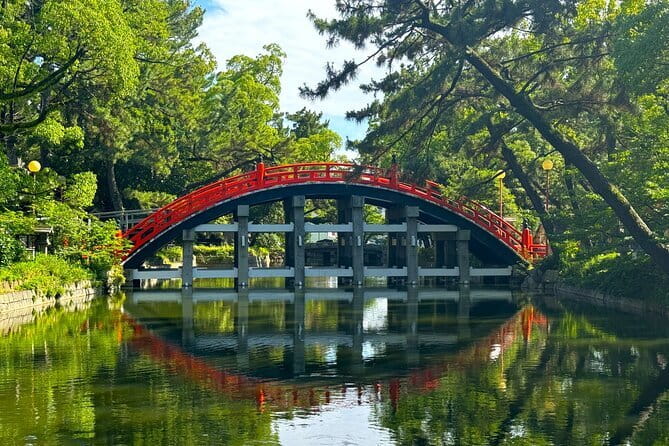
After the intensity of Namba and Dotonbori, two slower stops can make the whole day feel balanced: Sumiyoshi Taisha and Shitennoji. Sumiyoshi Taisha is a Shinto shrine described as one of the oldest and most important, with a distinctive Sumiyoshi-zukuri style. It’s listed as free admission and about 30 minutes, which is a comfortable length to walk the grounds without feeling like you’re being rushed.
Shitennoji is Japan’s oldest Buddhist temple, founded by Prince Shotoku, and it’s listed at about 30 minutes. Entrance tickets are not included here, so again, your total cost depends on whether you want to access the paid areas. The itinerary emphasizes traditional pagodas, gardens, and a calm stroll, which makes it a great counterweight to the louder neighborhoods.
This pair works well because they don’t compete with each other. A shrine visit gives you a different kind of space and rituals, and a temple visit changes the vibe again. If you’re the type who likes to understand how Osaka balances old beliefs with modern life, these two stops help connect the dots.
Simple strategy: If you’re tired, ask the guide to keep this portion light. You can still get the visual and spiritual “feel” without trying to do everything at once.
Shinsekai and Tsutenkaku: retro Osaka with a payoff view
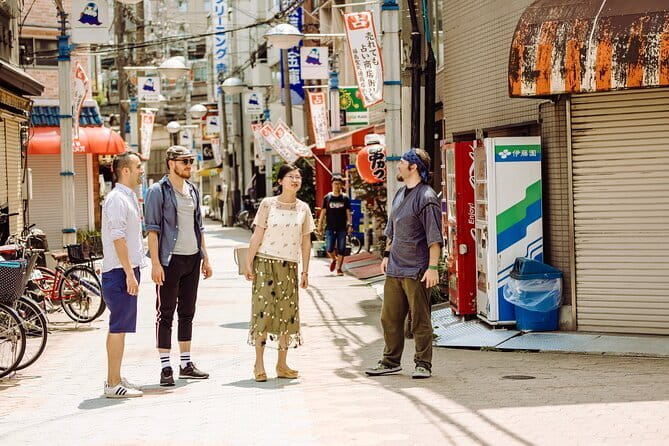
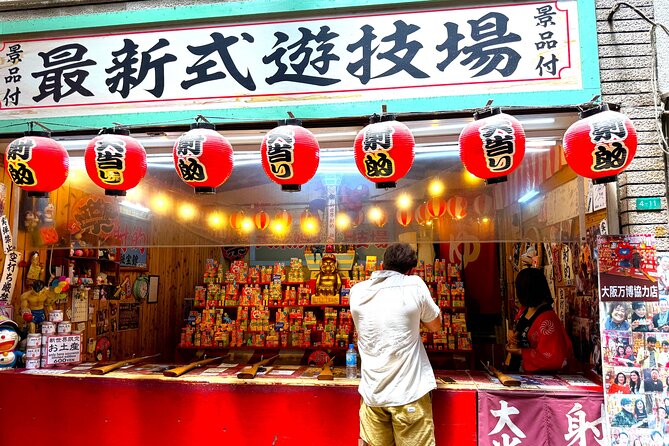
Shinsekai is all about nostalgia, with retro street character and a laid-back, old-Osaka vibe compared to the big neon scenes. You’ll get around 30 minutes in Shinsekai, where the focus includes the area around Tsutenkaku Tower and local street food like kushikatsu.
Tsutenkaku Tower itself is listed with about 30 minutes and does have paid admission not included. This is one of those choices that can justify a higher-cost afternoon. From the top, you get Osaka from above, which turns your walking day into something more memorable than just street scenes.
If you like retro details, Shinsekai is fun to slow down for photos and small bites. If you’re more of a “one view is enough” person, you can decide how much time you want for the tower versus the street-level experience.
Umeda Sky Building and Abeno Harukas: choosing your skyline moment

Osaka has more than one “big view” option, and this itinerary includes two major modern landmarks: Umeda Sky Building and Abeno Harukas. Each is listed around 30 minutes, and both have entrance tickets not included.
Umeda Sky Building offers views from the Floating Garden Observatory and is described as having a unique structure plus dining in style with the skyscraper experience. Abeno Harukas is presented as Japan’s tallest skyscraper, with an observation deck plus shopping, dining, and art exhibitions inside the building.
These stops are where you decide your priorities. If you want modern Osaka with architecture and a polished feel, add both and make it a full skyline afternoon. If you want to keep costs down, pick one, since paying for observation access twice can add up quickly.
My value lens: If you’re already paying for one paid ticket day, it usually makes sense to pick the skyline stop that matches your interests more closely. If you love modern architecture, Umeda can be the better match. If you want the “highest” brag with major city views, Abeno Harukas is an easy choice.
Tenjinbashi-suji: the 2.6 km shopping arcade walk
Tenjinbashi-suji Shopping Street is listed as Japan’s longest shopping arcade, stretching about 2.6 kilometers. Admission is free and the stop is about 30 minutes. This is a useful change of pace because it’s a “move and browse” environment, not just a single attraction.
In a private tour format, this kind of long arcade becomes easier to manage. Your guide can point you toward what fits your style, whether you’re after local snacks, simple souvenirs, or just the feel of an older commercial street.
The main thing to remember is that 30 minutes is not enough to cover 2.6 kilometers in full. You’re likely going to do a slice of it, guided by what the itinerary decides fits best with the rest of your day.
If you love wandering and hate being rushed, this stop can be a good one to keep. If you’re near walking fatigue, ask to shorten the arcade time and refocus on a nearby landmark or viewpoint.
Price and value: where the money goes, and what can add up
The price is listed at $270.38 per person for a 4 to 8 hour private custom walking tour. That might sound steep compared to a standard group bus tour, but private customization is often what you’re paying for. Instead of following a fixed route, you’re getting a guide who can adjust your order, your pace, and your choices based on your interests and the day’s conditions.
Your biggest cost variable is clear: entrance fees are not included, and they can vary depending on the sights included in your customized itinerary. Also, private transportation is not included, so if your route requires extra travel outside the walking area, there may be additional guide admission or transportation costs in some cases.
So the best way to think about value is this: you’re paying for flexibility plus human decision-making. If you plan to use that flexibility to focus on the paid viewpoints and “pay once for the best view” experiences, the tour can feel efficient. If you plan to skip many paid stops and mostly use free streets and parks, you might want to compare whether you still want a private guide for all that time.
A final practical note: the tour description says free cancellation is available up to 24 hours before the start time, which is helpful if you’re juggling train schedules or weather.
Who this tour fits best
I think this is a great fit if you want to see a wide range of Osaka without locking yourself into an hour-by-hour script. It’s especially useful if you’re interested in both food areas like Kuromon and Dotonbori and also want at least one calm cultural reset like Sumiyoshi Taisha or Shitennoji.
It’s also a smart pick when your time is limited. The guides tied to this experience are praised for customizing to limited time in Osaka, and that’s exactly what a custom itinerary should do.
Where it may not be ideal is if you only want a single neighborhood. Since this day includes options across multiple parts of the city, you’ll want to commit to using the guide’s routing skills instead of treating it like a single-area tour.
Because it’s a walking-focused format with a moderate fitness level, plan on comfortable shoes and pace-checking during the day. Ask for breaks before you hit the wall, not after.
Should you book this Osaka private custom walking tour?
Book it if you want a day that feels like Osaka is chosen for you, not just scheduled for you. The combination of custom routing, an English-speaking guide, and a lineup that can mix castle sights, food streets, temples, retro neighborhoods, and skyline viewpoints is a strong match for first-time Osaka visitors and repeat visitors who want a better plan.
Skip it or reduce paid add-ons if you’re determined to keep your spending very low. Since entrance fees are not included and observation decks can cost extra, the “final day cost” depends heavily on what you say yes to.
If you’re okay making a couple of paid choices and you like the idea of having your day adjusted on the spot, this private Osaka walk is one of the cleaner ways to get a lot done without feeling like you’re marching.
Osaka on Foot: More Walks


More Tours in Osaka


More Tour Reviews in Osaka
Latest out of Osaka


Walking Tours, side by side.
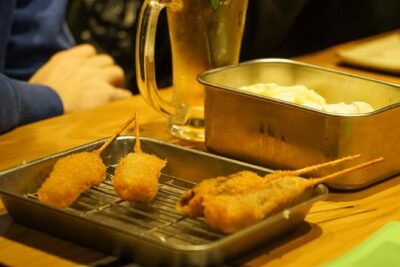 ★ 5.0Osaka Local Foodie Walking Tour in Dotonbori and ShinsekaiFrom $111985 reviews
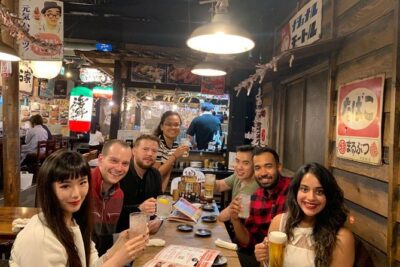 ★ 5.0Osaka Bar Hopping Night Walking Tour in Namba (3 bars, 6 tastes)From $98958 reviews
 ★ 4.9Osaka: Deep Backstreets Walking Tour with Dinner OptionFrom $40902 reviews
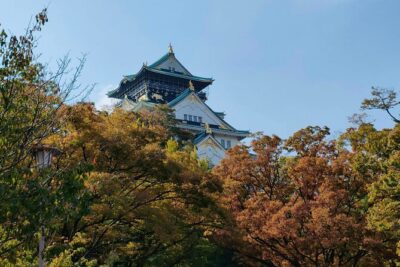 ★ 5.0Ultimate Osaka Walking Tour: Castle, Dotonbori & Hidden GemsFrom $73862 reviews
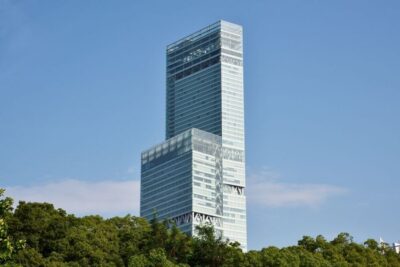 ★ 4.9Osaka: Main Sights and Hidden Spots Guided Walking TourFrom $59702 reviews
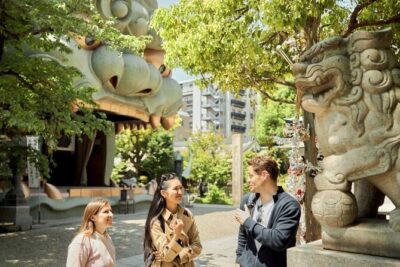 ★ 5.0Private Osaka Walking Tour: Highlights & Hidden GemsFrom $81569 reviews
 ★ 5.0Osaka Castle Walking Tour and Castle Tower AdmissionFrom $23561 reviews
 ★ 5.0Kuromon Market Food Walking Tour in Osaka (6 stops, 6 tastes)From $50550 reviews
Also worth a look in