
REVIEW · OSAKA BACKSTREETS & HIDDEN GEMS WALKS
Osaka : Must-see & Hidden Gems Walking Tour
Osaka makes sense on foot. This 3-hour walking tour from Namba mixes major sights with side streets and food culture stops, guided in English, Spanish, Italian, or French. I like how the route includes both headline locations like Osaka Castle and the in-between neighborhoods where the city feels less staged. One thing to plan for: food and drinks are not included, so you’ll want to treat tastings as extra budget.
What really changes the experience is the guide. You get a local perspective plus practical advice on what else to do after the tour, and you can ask questions as you walk. The tour is private or in a small group, so the pace and focus can work better than a big group shuffle.
You’ll start in Namba, hit Dotonbori and Namba’s shopping streets, then swing through Shin-sekai, take in the views from Harukas 300, and move toward Tsuruhashi Korea Town. Later you’ll spend time around Osaka Castle Park, and the tour finishes with market and kitchen district culture, including Kuromon Ichiba and Doguyasuji.
Key highlights that make this Osaka walk worth it
- Private or small group format, not a crowded march
- Guide advice beyond the route, including what to do next
- Harukas 300 panorama plus a department store food hall stop
- Korea Town at Tsuruhashi, with pre-war commercial district streets
- Kuromon Ichiba market energy and long-running food traditions
- Doguyasuji kitchen alley, with wax food models and noren at entrances
Starting in Namba, what this 3-hour walking route feels like
This tour is built for people who want structure without feeling trapped. You begin at 1-chōme-7-10 Namba (Chuo Ward), right in the center of Osaka’s shopping and dining scene, so you’re not spending your limited time commuting around the city.
The format combines walking with a couple of short public rides. That matters because Osaka distances can feel bigger than they look on a map, and the quick hops keep your energy for the neighborhoods that actually matter. It’s also wheelchair accessible, which is a major plus when you want a curated route but still need mobility-friendly planning.
In a short 3-hour window, you’ll see a lot of Osaka identity in small chunks: neon streets in one area, a classic landmark park in another, and market and kitchen culture near the end. The pace is active, so it’s best if you’re comfortable walking and stopping for photos along the way.
Further off the arcade
Dotonbori and Namba photo stops, street logic, and where to pause

Dotonbori is the Osaka postcard you already know, but the trick is knowing how to move through it without wasting time. This tour gives you that practical street logic, with photo stops and a guided walk through the area that’s often compared to New York’s Times Square energy.
Then it shifts to Namba more generally, which is useful because Dotonbori can be overwhelming at peak moments. Namba is where the shopping and nightlife rhythm keeps going, and the guide helps you connect the dots between what you see above street level and the patterns of daily life underneath it.
A big benefit here is context. Instead of only pointing at landmarks, the guide helps you understand what you’re looking at and why that look exists. That’s the difference between taking pictures and actually learning how the city “works.”
Shin-sekai at Magic Cafe and Bar, retro Osaka without the museum vibe
Next comes Shin-sekai, and you’ll feel the contrast fast. This area is described as time-frozen and slightly weathered in charm, which is exactly why it’s worth including. You get a stop at Magic Cafe and Bar SHINSEKAI, which helps anchor the vibe of the neighborhood instead of treating it like a quick photo corridor.
What I like about this stop is that it doesn’t try to replace real street life with indoor attractions. You’re walking through a district that looks like it has its own pace, and that gives you a “pause” from the flashier lights elsewhere in Osaka.
One consideration: Shin-sekai is part of the tour’s charm, but it’s also where you’ll notice the difference between showy and lived-in. If you only want polished, you might find some parts of the street scene a bit rough around the edges, and that can feel more real than Instagram-perfect.
Harukas 300 viewpoints plus the underground food hall payoff
Harukas 300 is the high point for skyline views, and your timing here makes sense. You’ll get to the Harukas building, enjoy panoramic views from elevated floors, and then head down into an underground department store food hall stop.
This combo is smart because it gives you two different kinds of Osaka food culture in one block. One minute you’re looking out at the city’s scale, and the next you’re faced with stalls and displays built around regional and luxury tastes.
In the food hall, you’ll encounter notable items like puffer fish and premium Kobe beef. Even if you don’t plan to eat, it’s a great way to understand what Osaka marketing, regional pride, and shopping culture look like in practice. And yes, it’s still a guided stop, so you’re not just wandering a mall without any direction.
If you have strong preferences about food, note that tasting isn’t included. You can still browse the hall and learn what’s special, but you’ll pay for anything you choose to try on your own.
Tsuruhashi Korea Town alleys, pre-war streets, and what to notice
Tsuruhashi is one of those Osaka districts that helps you move beyond the same few “big names.” After a short train ride, you’ll navigate labyrinthine alleys in Korea Town, described as having a pre-war commercial district feel.
This stop is valuable because it shows how Osaka is not one single style. You get a different cultural layer, different architecture, and a street layout that feels older and more practical than the flashy downtown areas.
I also like that the tour gives you walking time in the alleys rather than only a quick landmark moment. Small streets are where you can understand daily flow, even in a short tour window.
Practical note: alleys can be tight and crowded depending on the time of day. Comfortable footwear helps a lot, since you’ll be moving through narrow lanes while still stopping for guided explanations and photos.
Other one-day sweeps of the city
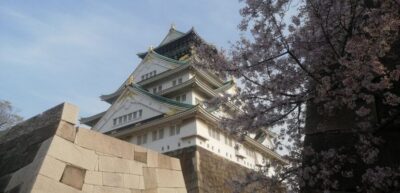
Osaka Castle Park, the near-robbery story, and the photo you’ll remember
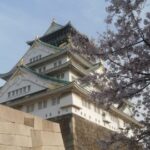
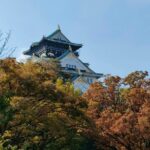
Osaka Castle is a must-see for a reason, but the tour adds a narrative layer that makes the visit stick. You’ll visit Osaka Castle Park, admire the majestic exterior of Osaka Castle, and hear history that includes a near robbery that happened about four centuries ago.
That specific story detail matters because it turns a famous monument into something you can picture as a dramatic moment in the city’s past. Even if you only catch parts of the story, it gives you a reason to slow down and look at the castle from a more story-driven angle.
You also get guided time, including a photo stop, so you’re not left guessing where to stand for the best views. In a short walking tour, that guidance is a real time-saver.
Possible drawback: castle parks can mean open space and sun exposure depending on the season. If weather matters to you, keep an eye on conditions and plan your comfort accordingly.
Kuromon Ichiba and Doguyasuji, from fish-market energy to kitchen craftsmanship
Near the end, you’ll shift to two very different but connected food-centered areas: Kuromon Ichiba and Doguyasuji.
Kuromon Ichiba is a fish market with a history of over 150 years. That long timeline is the point. This is not just a modern food stop, it’s a market identity that has been shaping what people eat and how they shop for a very long time.
Then the tour concludes in Doguyasuji, an enclave devoted to kitchens and culinary arts. You’ll see wax food models, traditional Japanese noren hanging at kitchen entrances, and oversized pottery pieces. This ending works because it’s not only about what you eat. It’s about how the city supports eating culture through tools, storefront details, and food presentation.
If you love details, Doguyasuji is where your camera gets real use. If you’re purely focused on scenery, you might not spend as much time here, but it’s still a strong way to understand Osaka from a craftsman perspective.
The guide experience, and why Tom’s cultural tips stand out
This tour doesn’t treat the guide like a moving GPS. It’s built around valuable advice beyond the walking route, including suggestions for other things to do in Osaka. That makes a short tour feel like it gives you leverage for the rest of your trip.
One guide name that comes up strongly is Tom. His standout value, based on what’s been shared, is that he explains cultural meaning and why small details matter in everyday Japanese life, not just what the site is.
Language options are also a real strength. You can travel with a live guide in English, Spanish, Italian, or French, which helps a lot when you want to understand stories quickly instead of translating them yourself while walking.
And since it’s private or small group, you’re more likely to get your questions answered as you go. That alone can make the tour feel more personal and less rushed, especially if you care about food, neighborhood differences, or local etiquette.
Price and group value at $45 per person
At $45 per person for a 3-hour tour, this can feel like a bargain or a splurge depending on your priorities. Here’s the honest way to judge the value: you’re paying for a guided route that hits major sights plus food culture zones, with extra guidance for what to do next.
It’s not a “sit and get” format. You’ll walk, stop for photos, and take short public rides, so you’re buying time and direction more than just “access.” For a first-time visit, that can save you from building a route that accidentally skips key neighborhood flavor.
It also helps that drinks and food are not included, which keeps the base price cleaner. But it means your final spending depends on whether you choose to taste items in places like the Harukas food hall or browse market stalls.
If you want a tour that matches a tight schedule, supports mobility with wheelchair accessibility, and works with your language preference, $45 is easier to justify.
Should you book this Osaka walking tour
Book it if you want an organized route that still feels like you’re seeing Osaka through local eyes, with stops that connect neon downtown, castle grounds, market culture, and kitchen craft. It’s also a strong pick if you care about learning context, not just collecting photos.
Consider skipping or swapping if you only want indoor attractions, you dislike walking in mixed weather, or you don’t want to make any extra food purchases since drinks and food aren’t included.
If your goal is a smart sampler in 3 hours, this tour is a solid bet, especially with the option for a private or small group format.
FAQ
Where is the meeting point for the tour?
The meeting point is at 1-chōme-7-10 Namba in Chuo Ward. It puts you in the heart of Osaka’s shopping, dining, and entertainment area.
How long is the Osaka walking tour?
The duration is 3 hours.
Is this tour private or shared?
It can be a private or small group walking tour.
What languages are available for the live guide?
The live tour guide offers English, Spanish, Italian, and French.
Is the tour wheelchair accessible?
Yes, the tour is wheelchair accessible.
Are food or drinks included?
No, drinks and food are not included.
What is included in the tour price?
The tour includes a private or small group format and the walking tour itself, with the guided route covering the listed stops.
Can I cancel for a full refund or pay later?
You can cancel up to 24 hours in advance for a full refund. You can also reserve now and pay later to keep your plans flexible.
More Tour Reviews in Osaka


The Whole City in a Day

Off the Arcade Again

Latest out of Osaka


Osaka Backstreets & Hidden Gems Walks, side by side.
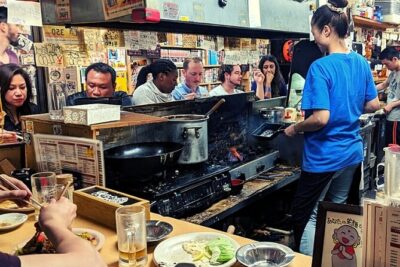 ★ 5.0Osaka Kickstart: Hotspots & Hidden Gems TourFrom $311,306 reviews
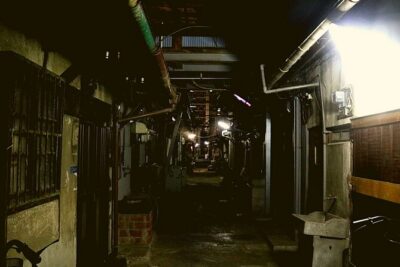 ★ 5.0Deep Backstreet Osaka Tours (Option to add Dinner)From $531,290 reviews
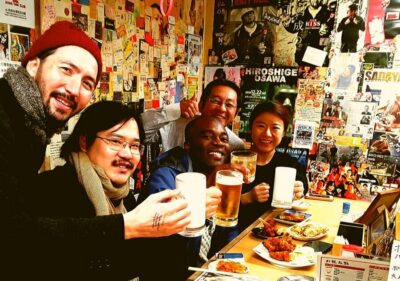 ★ 4.9Osaka: Deep Backstreets Walking Tour with Dinner OptionFrom $40902 reviews
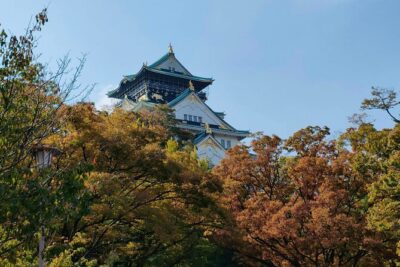 ★ 5.0Ultimate Osaka Walking Tour: Castle, Dotonbori & Hidden GemsFrom $73862 reviews
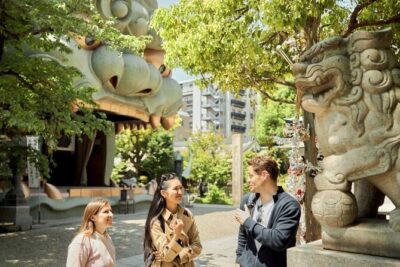 ★ 5.0Private Osaka Walking Tour: Highlights & Hidden GemsFrom $81569 reviews
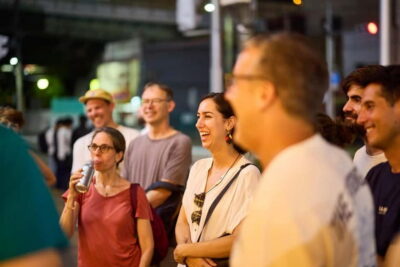 ★ 4.9Osaka: Dark Side of Osaka Night Walking TourFrom $2589 reviews
 ★ 4.5Retro Osaka Street Food Tour: ShinsekaiFrom $21777 reviews
 ★ 5.0The Dark Side of Osaka Walking TourFrom $2549 reviews