
REVIEW · OSAKA HOME COOKING CLASSES
Osaka: Japanese Cooking Class with Matcha Experience
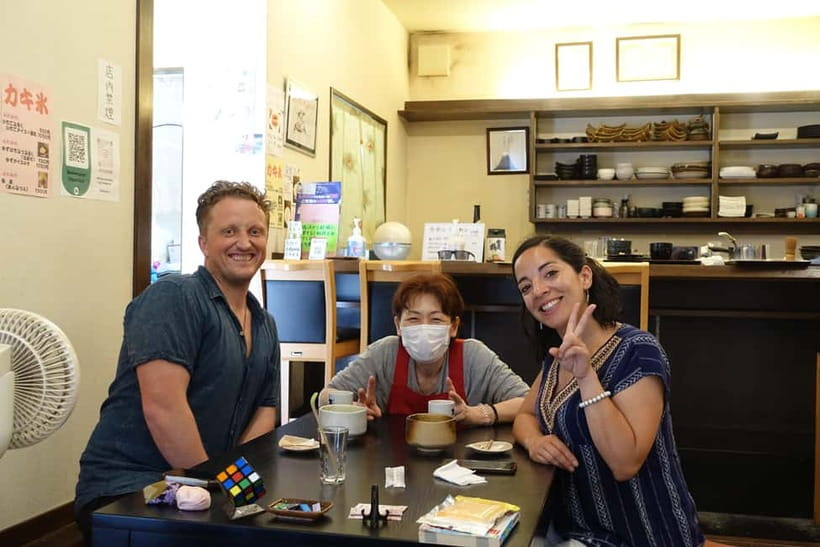
Cooking class plus matcha time sounds simple, then it turns into a real hands-on afternoon. I like that you learn matcha and a traditional Osaka-friendly dish from a chef, and I also like the small group setup. One consideration, it is noted as not suitable for wheelchair users.
You get to choose what you cook, either home-cooked dishes, okonomiyaki, or bento, so you can match the class to your tastes and your confidence in the kitchen. I also like the added support from an Osaka mom if you feel rusty with cooking terms or steps.
The location is a big plus, a 7-minute walk from Morinomiya Station, and it fits nicely between sightseeing stops around Shinsaibashi, Namba, or the Osaka Castle area. Just plan to meet at the sign at the start, wear comfy shoes, and come ready to cook for the full 2 hours.
Key Things I’d Circle Before Booking
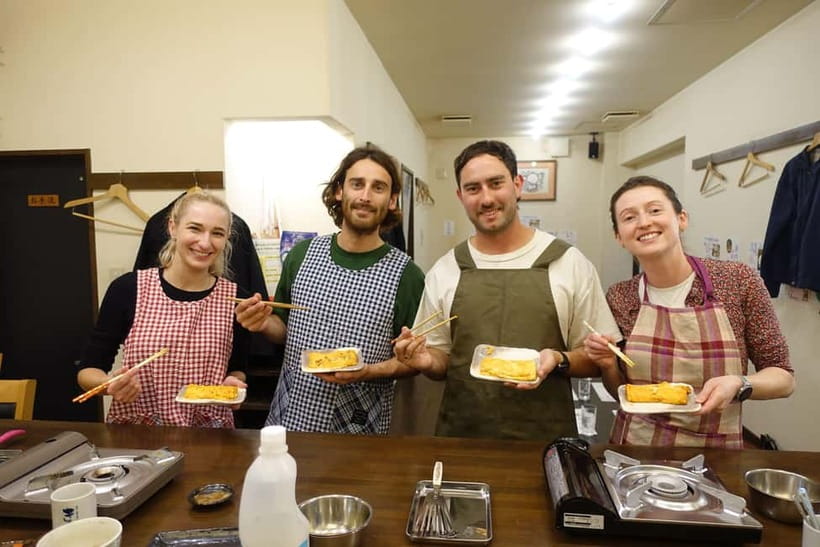
- Chef-led cooking plus matcha making so you do more than watch
- Pick one dish from home-cooked dishes, okonomiyaki, or bento
- Small group (up to 10 participants) keeps the pace friendly
- Osaka mom support helps if you are not confident in the kitchen
- Morinomiya Station is close for an easy plan before or after other Osaka sights
Osaka Cooking Class With Matcha: What This 2-Hour Session Actually Gives You
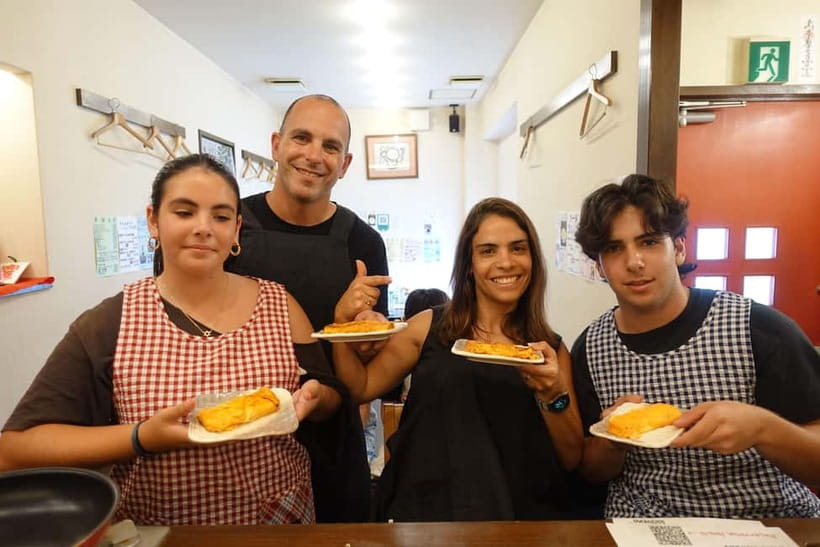
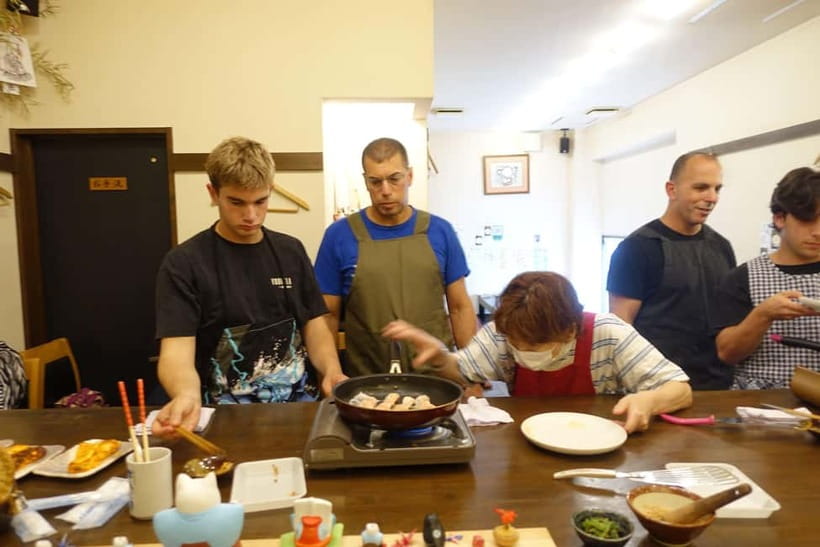
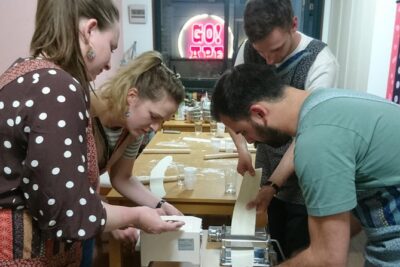
This class is built for people who want real technique, not just a photo-friendly demo. In two hours, you cook together and learn how matcha is made, with a chef guiding the process and all the key ingredients handled for your selected dish.
I like that it is structured around doing, not hovering. You are not just learning recipes in the abstract. You’re working with the foods and steps the way they’re typically handled at home and in everyday Japanese kitchens.
Another smart part is the option menu. Instead of forcing everyone into one dish, you choose what you’ll make. That makes it easier to match your food preferences, and it also helps if you travel with friends or family who have different comfort levels.
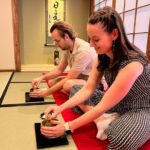
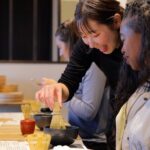
More kitchen tables to sit at
Choosing Your Dish: Home-Cooked, Okonomiyaki, or Bento
Your biggest decision is simple: pick one dish category from the options offered. The class lets you choose among home-cooked dishes, okonomiyaki, or bento. That choice matters more than it sounds.
If you choose a home-cooked dish, you’re likely aiming for something closer to everyday comfort food. It’s often the style that gives you the most reusable skills because it feels familiar enough to recreate later.
If you pick okonomiyaki, you’re signing up for the Osaka classic energy, the kind of dish tied to neighborhoods and street food culture. The upside here is that it’s a fun, collaborative food to make because everyone can contribute to mixing and building.
If you choose bento, you’re leaning toward a more organized meal style. Bento is great if you like the idea of learning how Japanese meals are assembled neatly, especially if you want a take-home memory that feels practical even after the class ends.
One practical note for your planning: you choose one dish, not multiple. So go with the option that you actually want to eat later in your trip, not the one that sounds best on paper.
Matcha Making Experience: Learn the Steps, Not Just the Flavor
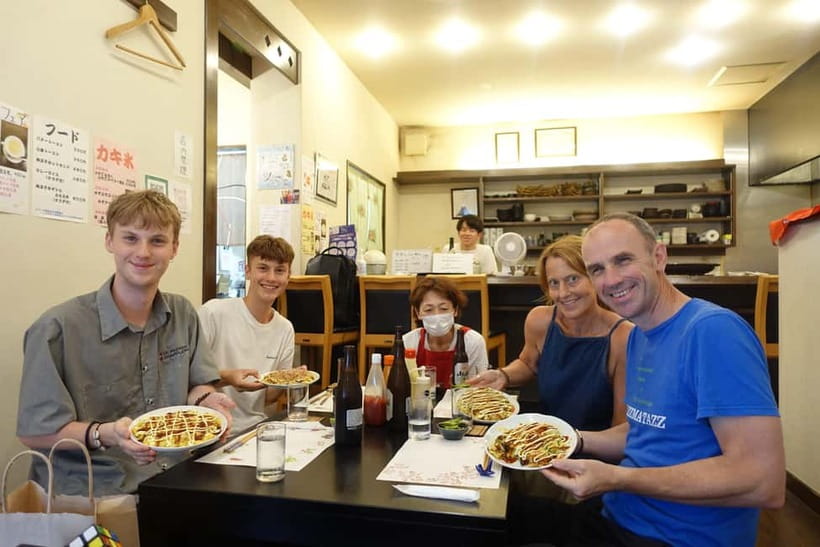
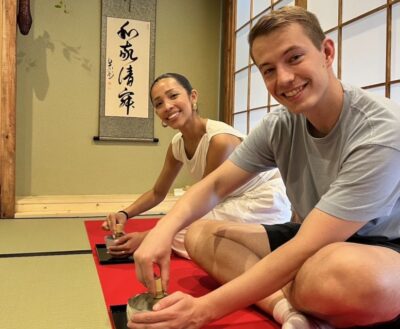
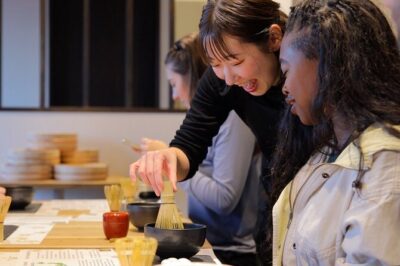
The class includes a dedicated matcha making experience, so it’s not an afterthought. You learn the process of preparing matcha directly as part of the program, guided by the chef and host support.
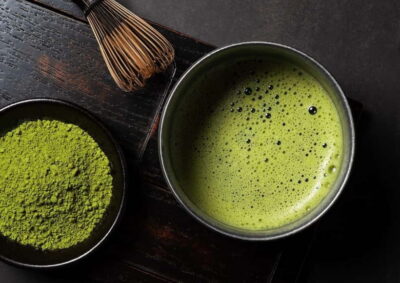
What makes matcha instruction valuable is that it’s mostly about method. You can buy great matcha back home, but if you whisk the wrong way or prepare it without care, it can come out flat or inconsistent. Here, you get a hands-on introduction to the steps, and that makes your cup at home more likely to taste like what you remember from Japan.
If you are traveling with people who do not drink matcha, this is still worth doing. Even if matcha isn’t your go-to, learning the process makes it feel more approachable and less like a ritual you have to guess at.
The Cooking Flow in a Small Group With English and Japanese Support
This is a small group class limited to 10 participants, and that size changes everything. You’re less likely to get lost in a crowd, and you’re more likely to get real help when something is unclear.
You also get language support. The host or greeter is listed as English and Japanese. That matters for food classes because cooking questions are practical. You might wonder what a technique is called, how thick something should be, or what the chef is looking for when you adjust your cooking.
And then there’s the standout support system: an Osaka mom. If you’re unfamiliar with cooking, an Osaka mom is there to help. In practice, this tends to mean you’ll have someone who can translate the steps into plain, calm guidance, especially for beginners who feel awkward asking questions.
From the teaching approach noted in feedback, the instructor style is energetic and encouraging. The vibe is that the chef genuinely enjoys teaching, not just delivering a script. You’ll feel that especially if you’re the type who learns better when someone explains with warmth and momentum.
Location Math: Getting There From Shinsaibashi, Namba, and Osaka Castle Area
The meeting point is simply a sign, so keep an eye out when you arrive. You’ll want to give yourself a little buffer so you’re not sprinting in with damp stress.
The big convenience is the 7-minute walk from Morinomiya Station. That’s close enough that you can plan around it without building your whole day around transit timing. It also positions the class well if you are already moving through central Osaka.
You can connect it nicely with other sightseeing. It’s also described as very accessible from Shinsaibashi and Namba, and it’s one station from Osaka Castle Station by JR. If you’re doing Osaka Castle in the morning, or you’re already downtown later, this class can fit without turning into a logistical headache.
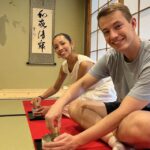
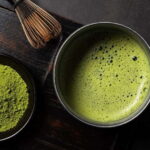
Quieter hours: more tea rooms
Price and Value: Is $64 Worth It for Cooking Plus Matcha?
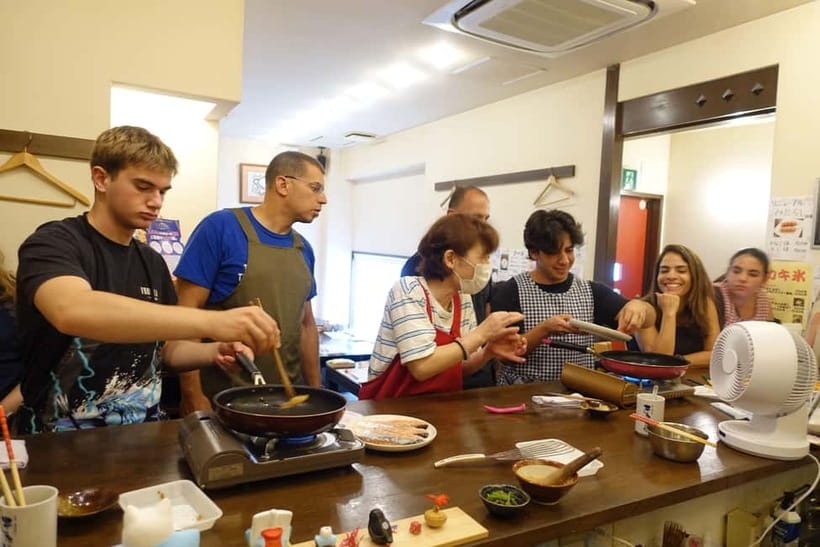
At $64 per person for a 2-hour experience, you’re paying for more than a meal. You’re paying for instruction, ingredient support, and a guided matcha session.
Here’s what makes the value logic work:
- The cooking class is with a local chef.
- Ingredients for your chosen dish are included.
- The matcha making experience is included.
What you should budget separately:
- Transportation to and from the activity location.
- Personal expenses.
When I think about value in classes like this, I care about whether you leave with skills, not just satisfaction. This one is built to help you recreate the techniques later, because you’re learning through doing. The more hands-on you are, the more you get back.
It is also a good price point if you are traveling as a group. Small group instruction is more personal than big bus-style activities, and the close station location saves money and time in the background.
What to Bring, What to Watch For, and Who Should Skip It
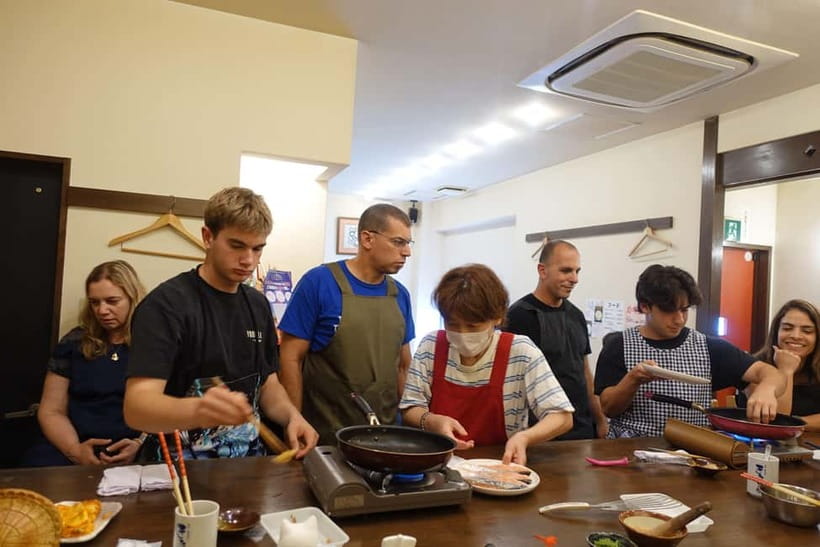
Plan for a comfortable setup. The guidance is straightforward: wear comfortable shoes and comfortable clothes. The class also lists ingredients in the what-to-bring notes, so follow whatever your booking specifically instructs for your session.
You should also think about food safety and comfort. The activity information notes it is not suitable for people with food allergies. It also says to inform them of any food allergies or dietary restrictions in advance. If you have allergies or a serious dietary requirement, do not treat this as a casual checkbox. Message them before you book so you understand what accommodations, if any, are possible.
Accessibility is also clear: it is not suitable for wheelchair users. If anyone in your party needs step-free access, this one may not work.
The good news is that this format is very beginner-friendly in attitude. Between the Osaka mom support and the English and Japanese host help, it’s designed for people who are not confident in the kitchen.
Who This Class Fits Best in Your Osaka Plan
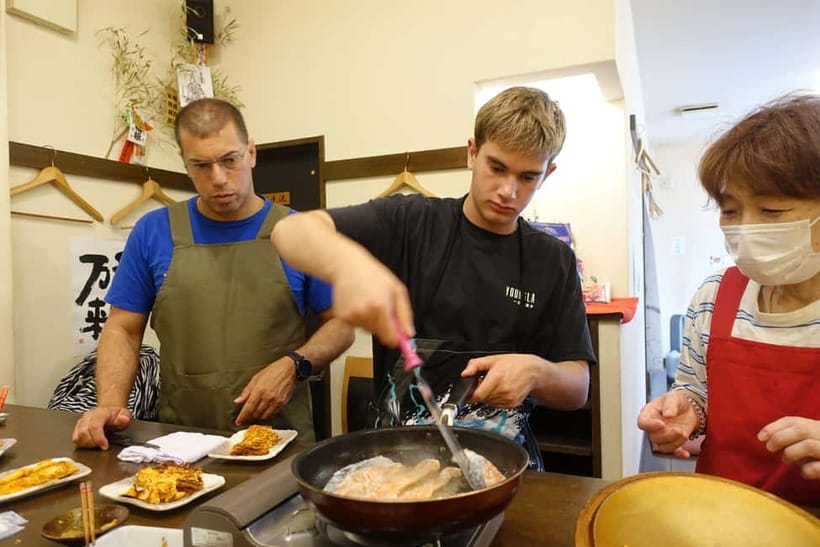
This experience is especially well suited for:
- Couples, friends, and families who want shared time that’s not just walking and shopping
- First-time visitors who want a practical Osaka food skill rather than another museum stop
- People who love the idea of matcha and want instruction beyond ordering a drink
- Travelers who prefer a small group where questions feel easy to ask
It may be less suited if:
- You need wheelchair access
- You have food allergies and cannot safely participate
- You want a class that is longer or includes multiple dishes, because this is one dish plus matcha within 2 hours
Should You Book It? My Practical Recommendation
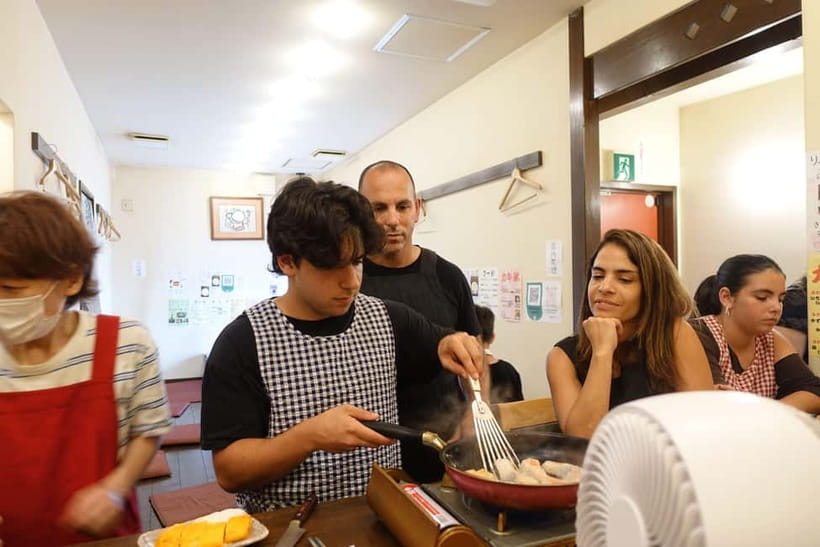
If your goal is an Osaka experience that feels personal and learnable, I’d book it. The mix of a chef-led cooking class with ingredients included, plus a matcha making experience, gives you a complete “do it yourself” souvenir that you can actually practice later at home.
I’d especially consider it if you like the idea of cooking something you can repeat, whether that’s a home-style dish, okonomiyaki, or bento. The small group limit helps, and the Osaka mom support is a real comfort if cooking is not your strong suit.
My final pick: book it if you’re okay with the mobility and allergy limits. If that part fits your group, this is a high-value way to spend 2 hours in Osaka that feels like more than a stop on a checklist.
FAQ
How long is the Osaka cooking class with matcha?
It lasts 2 hours.
Where is the meeting point?
The meeting point is at a sign.
How far is it from Morinomiya Station?
It is about a 7-minute walk from Morinomiya Station.
What dishes can I choose to cook?
You can choose one dish option from home-cooked dishes, okonomiyaki, or bento.
Is the matcha experience included?
Yes. Matcha making experience is included.
What is included in the price?
Included are the cooking class with a local chef, all ingredients for the selected dish, and the matcha making experience.
What is not included?
Transportation to and from the activity location and personal expenses are not included.
How big is the group?
It is a small group, limited to 10 participants.
Is it suitable for wheelchair users or people with food allergies?
It is noted as not suitable for wheelchair users, and it is also noted as not suitable for people with food allergies. The information also says to inform them of allergies or dietary restrictions in advance.
More Tour Reviews in Osaka



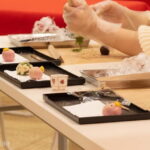
More Tea Rooms Worth Booking
More Kitchen Tables to Sit At

Latest out of Osaka


Osaka Home Cooking Classes, side by side.
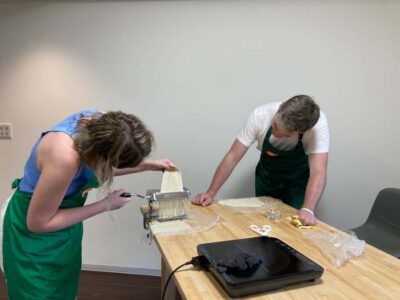 ★ 5.0Osaka: Ramen and Gyoza Cooking Class in DotonboriFrom $70378 reviews
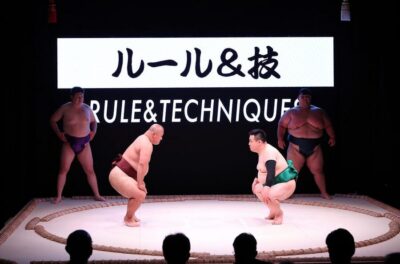 ★ 4.3Osaka: Sumo Stage Show with Bento or Snack + Fight & PhotoFrom $93364 reviews
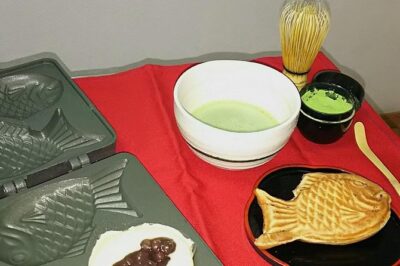 ★ 5.0Osaka Cooking Class: Okonomiyaki &Japanese cuisines experienceFrom $104261 reviews
 ★ 5.0Ramen and Gyoza Cooking Class in OsakaFrom $79202 reviews
 ★ 5.0Osaka Sake Tasting with Takoyaki CookingFrom $70156 reviews
 ★ 5.0Osaka Sake Tasting & Takoyaki Cooking ExperienceFrom $72149 reviews
 ★ 5.0Cooking Ramen&Gyoza/KatsuCurry/Bento/Okonomiyaki+Store Tour@OsakaFrom $85138 reviews
 ★ 5.0Three Types of Ramen Cooking Class in OsakaFrom $79119 reviews
Also worth a look in