
REVIEW · OSAKA STREET FOOD CRAWLS
Osaka: Guided Food Tour with 12 Dishes at 4 Local Eateries
Osaka tastes like a night out. In about 2.5 hours, you get pulled off the usual track and guided through Dotonbori for sake bars and 12 dishes you would not find on your own.
I like two things a lot. First, the route is built to skip tourist traps and steer you toward local-favorite spots. Second, you get a wide range, including street food that is the kind you see in the Michelin Guide.
One thing to keep in mind: you will be eating and drinking quite a bit, and any extra ordering needs to be cash-only, which can catch people off guard if they show up with just a card. If you are under 20, you can join but cannot consume alcohol, so plan accordingly.
Quick Hits Before You Go
- 12 dishes in 150 minutes: a fast, satisfying sampling menu, not a slow crawl.
- Local eateries plus sake bars: places locals actually choose for an evening meal and drinks.
- Street food included: the fun, casual Osaka-style snacks are part of the lineup.
- English live guide: you get explanations as you walk, not just a list of foods.
- Small-group vibe: reviews point to friendly groups, sometimes even just your party and the guide.
- Cash matters: included food and drinks are covered, but extras require cash.
Why This Osaka Food Tour Fits the City
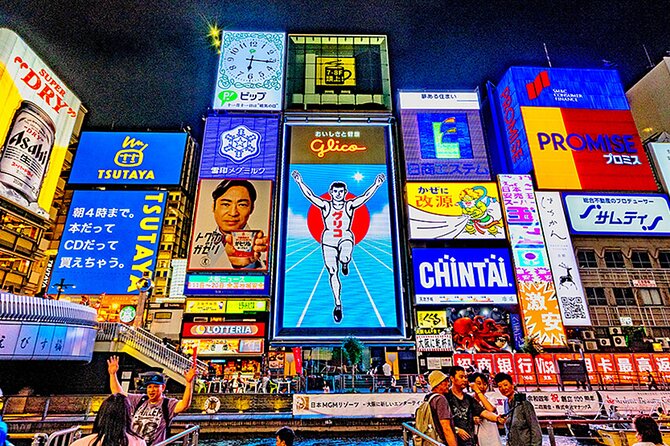
Osaka runs on food culture, and this tour is designed for that reality. You are not just eating, you are learning how the local rhythm works, how izakaya-style meals are built, and why certain snacks are ordered again and again.
I also like that it is not trying to impress you with the loudest places. Instead, it pushes you toward local-favorite restaurants and sake bars beloved by locals, which is where the real personality shows up. Reviews also highlight guide styles like Mao, Spike, Ukyo, Ken, Kenta, and Momo, with lots of humor and practical tips that help you order with confidence later.
The tour is good value because it stacks three things in one go: multiple food stops, guided ordering help, and time-saving logistics in a crowded area. For a first trip to Osaka, it is one of the easiest ways to turn the chaotic streets of Dotonbori into a coherent food plan.
More plates on more streets
Start at Don Quijote Dotonbori Midosuji, Then Head Into the Neon
Your meeting point is easy to find but still worth double-checking. Meet in front of Don Quijote Dotonbori Midosuji Store, and look for the Local Guide Stars sign.
This matters more than it sounds. Dotonbori can feel like sensory overload, so having a clear start point and a guide’s group check helps you relax right away. Plus, the tour duration is only 150 minutes, so you want to lose as little time as possible before the first food hit.
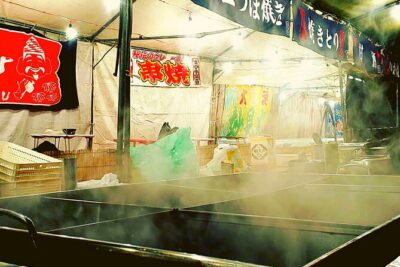
Bring comfortable shoes. You will be walking, and Osaka streets are not set up for long comfy strolls in anything less than supportive footwear. A camera also helps, because the signage and food stalls are half the show here.
Restaurant Stop One: Your First Bites, Plus Two Included Drinks
The first stop is a local restaurant meal setup, and it is where the tour usually grabs you by the taste buds. You get 12 recommended dishes across the whole tour, and the early part is structured to get you oriented quickly.
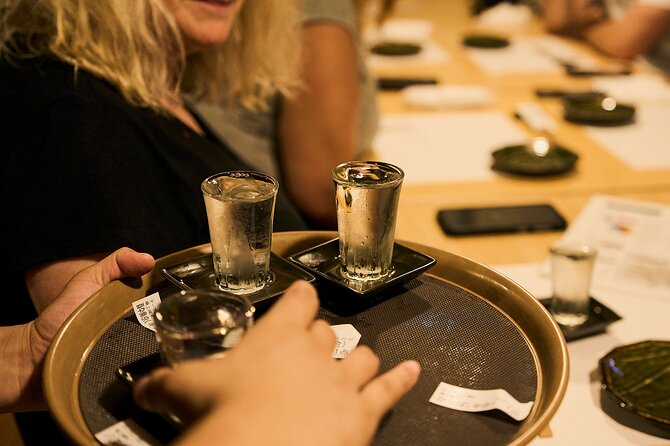
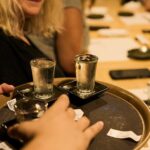
You also get two drinks included. The tour info points to drink options like beer, cocktails, spirits, tea, coffee, wine, and aperitifs, and your guide will help you choose what fits your mood. Reviews mention very positive moments around beer and sake, and at least one guest specifically praised how the guide handled the pacing and ordering.
What to expect here:
- A proper restaurant start, not just street snacking
- Guidance on what each dish is and how Osaka people tend to eat it
- The first wave of flavor, often seafood-forward or grilled, depending on the day
A practical note: the tour includes plenty of food, so try not to arrive starving and then over-order your own extras. The included plan is built to keep you comfortably full across three key stops.
Izakaya and Sake Bar Stop: Seafood, Skewers, and the Osaka Night Mode
This is the part of the tour that feels most like an actual Osaka evening. The route includes a local bar stop, and the focus is on stepping into sake-bar culture with a guide who knows what is worth trying.
From the reviews, you can expect dishes in the lane of:
- fresh fish dishes, including sashimi
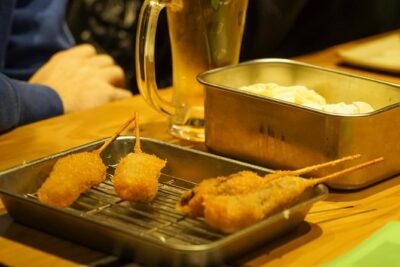
- grilled skewers and other hot bar bites
- fried chicken style snacks
- sake and other drink pairings
A big reason this works for first-timers is that you get help translating the local ordering logic. Instead of staring at a menu and hoping, you follow the plan and learn why those foods match the vibe of the place.
Also, you are not stuck in a single loud venue. The tour is built to move. That keeps energy up, and it helps you taste across different styles, rather than repeating the same theme at every stop.
The Final Walk and Dessert Moment: Sweet Osaka Flavor Before You Leave Dotonbori
The last stop is described as a hidden gem-style moment with dessert included, plus more casual eating. The format is designed so you finish with a sweet note, which is smart in Osaka, where many of the best snacks can be salty, savory, or fried.
You might also see classic Osaka street flavors along the way. One review highlights takoyaki, and another mentions Osaka-style okonomiyaki as a finale, which fits the city’s food identity perfectly. Since the tour swaps restaurants depending on the day, the exact dishes can differ, but the goal stays the same: end with comfort and a sense of payoff.
This is also where the guide often ties things together. Even in a short walk, you get small context bits about why Dotonbori looks the way it does, and how the food culture connects to what people do at night. If you have ever wondered how the city turns into a food playground after dark, this is where it clicks.
Plates worth crossing Osaka for
Your 12 Dishes: What You’re Really Getting (Beyond a Food List)
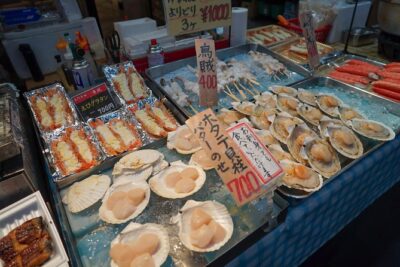
The headline is 12 unique dishes, but the real value is the spread of textures and categories. Osaka food has a lot of variety in a small area, and this tour is the easiest way to taste that variety without planning menus like a strategist.
Because restaurants and dishes may change depending on the day, think of the lineup as a set of “types” you will likely encounter:
- fresh fish bites like sashimi or other seafood-focused plates
- grilled skewers or other easy-to-eat bar foods
- street food snacks that show up in the Michelin Guide ecosystem
- traditional sweets as the wind-down
If you are brand new to Japanese cuisine, this is also a confidence builder. The guide explains what you are eating and how to tackle it, so the food becomes learnable instead of intimidating. One guest called out how the pace felt good and not rushed, and another emphasized that the tour helped them understand how to eat each dish, not just taste it.
If you have dietary restrictions, it is worth asking before you go. One review specifically praised gluten-free accommodation. That does not mean every plan will be identical, but it signals the guides understand the importance of adjustments.
Sake Bar Etiquette and Alcohol Rules If You’re Under 20
You are going into a sake-friendly environment, so it helps to know the basic rules ahead of time. The tour includes sake-bar stops, and the drink options can include spirits, beer, wine, cocktails, and of course sake.
Two important points from the tour info:
- Participants under 20 can join, but they are not permitted to consume alcohol.
- The included drinks are part of the plan, while extras ordered beyond the package require cash.
So if you are traveling with teenagers, you can still do the experience. Just confirm how the guide handles drink choices for non-alcohol participants when you arrive.
Even if you are not drinking alcohol, you can still enjoy the food culture element fully. The guide focus stays on dishes and local eating habits, not just alcohol consumption.
How the Guide Makes It Worth It (Mao, Spike, Ukyo, Ken, Kenta, and More)
Food tours live or die by the guide, and the standout theme in the feedback is how personal and fun the explanations are. Names that came up include Mao, Spike, Ukyo, Ken, Kenta, Nao, Diego, Nammi, Mary, Nako, and Momo.
What that tells you: the tour uses different guides, and each one brings their own humor and local storytelling style. Many comments praised guides for being thorough, thoughtful, and willing to answer questions. A few also mention the guide taking time to learn preferences and offering recommendations for other Osaka food and sights after the tour.
You should expect:
- English explanations as you eat
- guidance on what to try and how to try it
- extra bits about Dotonbori and Osaka food culture as you walk
One very practical detail that shows up in reviews: the guide helps people feel comfortable, especially when ordering unfamiliar dishes. If you worry you will freeze in a menu situation, this tour is built to remove that stress.
Pacing: 150 Minutes That Feel Full Without Feeling Chaotic
150 minutes sounds short, but the structure works because it is broken into three main eating moments plus a walk. Reviews repeatedly call out good pacing and not being rushed.
That pacing matters because Dotonbori can be chaotic on a Friday or Saturday night. With a guide, you can enjoy the crowd energy without getting lost in it. You also move at a human walking speed, with stops timed so you can recover between bites.
A small downside can be simple math: it is a lot of food in a short time. If you are the type who snacks slowly, go easy at each stop and treat the included dishes as a tasting menu, not a second dinner.
If rain hits, it probably will not ruin your evening. At least one review notes heavy rain on the way to the last place, with the group waiting undercover before continuing. Osaka weather can turn fast, so plan for it with a light layer if you travel in cooler months.
Price and Value: Is $73 Actually a Good Deal?
At $73 per person, you are paying for more than food. You are paying for:
- access to multiple local places close together
- guided ordering help (which saves time and confusion)
- two included drinks
- explanations that make the dishes feel meaningful instead of random
If you try to build this yourself, you would likely spend time hunting for restaurants that match your taste, translating menus, and figuring out what is worth your money. That planning time is the hidden cost.
The tour also handles a key Osaka problem: where to go when everything looks tempting. The route is built to help you choose smartly, especially around sake bars and the street-level snack culture.
One more value point: you get variety in 2.5 hours. That is the best use of limited time in a city where great food is everywhere.
Just remember: extras beyond the included plan need cash, so budget a little pocket money for any add-ons you decide you cannot resist.
Tips for Enjoying Osaka on This Tour (So You Don’t Miss Anything)
Here’s how to make the night smoother.
- Arrive on time at Don Quijote and look for the Local Guide Stars sign. It prevents group delays.
- Wear comfortable shoes. You will be walking more than you think.
- Bring cash for any extra ordering. The tour covers the included plan, but add-ons are on you.
- Keep your camera ready, especially in the Dotonbori stretch where sights and snacks are part of the experience.
- If you have dietary needs, ask your guide. A gluten-free guest report was positive, so it seems like adjustments can be possible.
If you want to get the most from the explanations, pause your phone scrolling during each stop. Listen for what the guide says about how to eat the dish. That little habit makes the tasting far more fun.
Who Should Book This Tour, and Who Might Want to Skip It
This is a great fit if:
- You are in Osaka for the first time and want the food culture quick and well organized
- You want local eateries and sake bars, not just mainstream photo stops
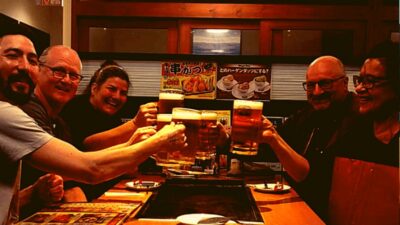
- You like meeting other people while you eat, since many reviews highlight friendly group energy
You might want to skip or choose a different style if:
- You do not eat much or you are very sensitive to being full
- You hate walking at night in a busy area
- You do not want to carry cash for extras
It is also a strong pick for solo travelers. One review mentioned enjoying the tour while traveling alone, and the small-group format helps you feel included instead of awkward.
FAQ
Where do I meet for the Osaka guided food tour?
Meet in front of Don Quijote Dotonbori Midosuji Store. Look for the Local Guide Stars sign.
How long is the tour?
The duration is 150 minutes.
What does the tour cost?
The price is $73 per person.
How many dishes and drinks are included?
You get 12 recommended Japanese dishes and 2 drinks included.
Do the restaurants and dishes stay the same every day?
No. The tour visits different restaurants depending on the day, so dishes may differ as well.
What should I bring?
Bring comfortable shoes and a camera.
Are under-20 participants allowed?
Yes, participants under 20 are welcome, but they are not permitted to consume alcohol.
Is there a cash requirement during the tour?
Yes. The tour includes plenty of food and drinks, but any extras must be paid in cash.
What language is the guide?
The live tour guide is English.
Is the tour wheelchair accessible?
Yes, the tour is wheelchair accessible.
Final Thought: Should You Book This Osaka Food Tour?
If you want an easy, high-reward way to taste Osaka in one night, I think this tour is a strong booking choice. You get variety across 12 dishes, help navigating menus and ordering, and you spend your time at local-favorite spots plus a sake-bar style stop in Dotonbori, rather than wandering randomly.
Just show up prepared for a full meal, bring cash for extras, and wear good walking shoes. Do that, and you will leave with a much clearer picture of how Osaka eats after dark.
More Tours in Osaka

More Tour Reviews in Osaka
Eat Your Way Round Osaka
Latest out of Osaka


Osaka Street Food Crawls, side by side.
 ★ 4.8Osaka: Shinsekai Food Tour with 13-15 Dishes at 5 EateriesFrom $532,204 reviews
 ★ 5.0Osaka Food Tour: 13 Dishes at 5 Local EateriesFrom $732,149 reviews
 ★ 5.0Osaka Local Foodie Walking Tour in Dotonbori and ShinsekaiFrom $111985 reviews
 ★ 4.9Hungry Osaka Street Food Tour: 15 Dishes & 3 DrinksFrom $79694 reviews
 ★ 5.0Osaka: Guided Food Tour with 12 Dishes at 4 Local EateriesFrom $83533 reviews
 ★ 5.0Absolute Osaka Food TourFrom $231309 reviews
 ★ 4.5Osaka After Dark: Small-Group Night Food Tour (Max 6)From $116245 reviews
 ★ 5.0Eat, Drink & Cycle: Osaka Foodie Bike TourFrom $99224 reviews
Also worth a look in