

REVIEW · OSAKA BACKSTREETS & HIDDEN GEMS WALKS
Osaka 4-Hour Walking Tour: Hotspots and Hidden Gems
Osaka can be fun and meaningful at once. This 4-hour walk threads together famous landmarks and offbeat local rituals, guided with humor and myth-busting context. I love that it starts in the backstreets around Namba Yasaka Shrine and then pivots into the pop-culture maze of Den-Den Town.
What I like most is the way the guide explains what you are seeing, not just where to stand for a picture. With Ai leading the way, you get the practical stuff like how people pray at a shrine, plus the playful Osaka flavor that shows up in alleyway jokes and quick dialect lessons. You also get real food-market time at Kuromon Market, where you can taste Osaka without turning your trip into an endless hunt.
One thing to plan for: lines and crowds can happen, especially around the shrine during busy holiday periods. Also, I saw one report of a no-show, so it is smart to arrive a little early and double-check your meeting point before the start.
Key things to know before you go
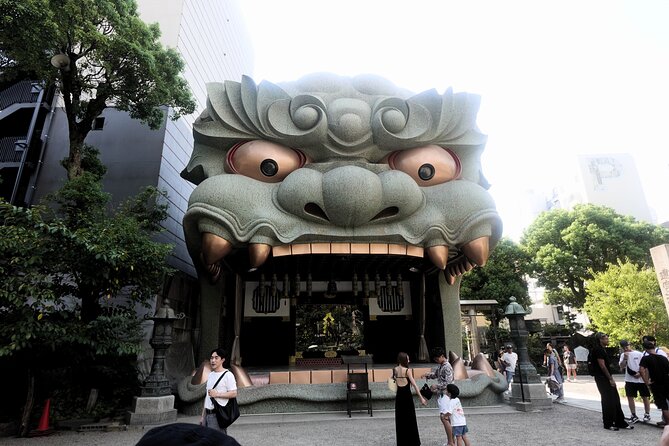
- Namba Yasaka Shrine lion head stage: A huge 12-meter face tied to the idea of swallowing evil spirits and bringing good fortune.
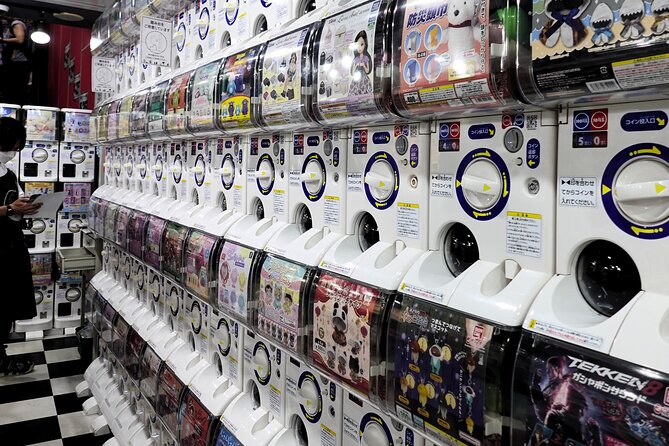
- Den-Den Town pop-culture corridors: Anime, manga, retro games, and quirky collectibles, plus a chance to try a gachapon capsule moment.
- Kuromon Market snack walk: Walk the covered arcade and past stall calls, with a strong local-food vibe.
- Dotonbori neon and the Glico running man: Iconic canal views and photo-friendly lights timed for afternoon wandering.
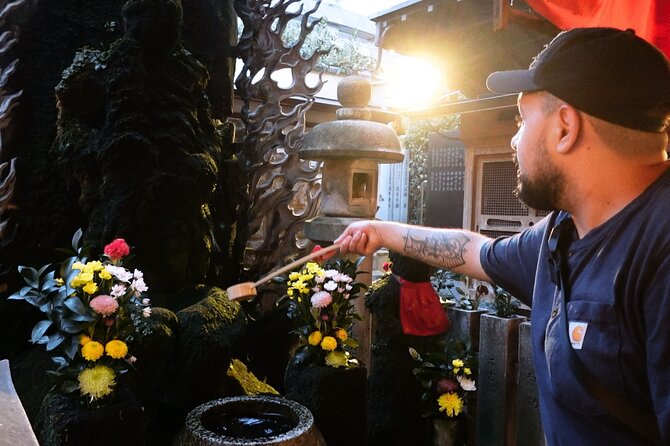
- Hozenji Temple lantern lanes: A moss-covered statue and older-style lanes that cool the pace after the neon.
- Small group feel: Limited to 10 travelers, which makes questions and quick detours easier.
Entering Osaka through Namba Yasaka Shrine
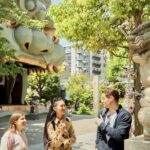
Start your afternoon in the Namba backstreets, where Osaka does not shout at you right away. Then you turn a corner and get hit with the main attraction, the Namba Yasaka Shrine’s giant lion head stage, listed at about 12 meters tall. The story tied to it is the point: it is said to swallow evil spirits and bring good fortune. That is why it is such a memorable photo stop. It is not just big, it is symbolic.
What matters for you on this stop is the guidance. You do not just walk up to a landmark. Ai helps you understand how people approach the shrine, and that makes your visit feel respectful instead of like sightseeing with blinders on. I also like that the tour keeps the mood between myth and daily practice, including moments that feel like locals doing their regular routines, not a staged performance.
Timing is solid here too. The tour gives you about 40 minutes at the shrine area, which is enough to take photos, read the vibe, and still have time if there is a bit of waiting. Crowds can build around holidays, so if you are traveling around major seasons, show up calmly and plan to move slower.
Further off the arcade
A practical tip
Wear shoes you can stand in. Shrine steps and backstreet sidewalks are fine, but this is not a sit-and-watch tour.
Den-Den Town, the Akihabara-style side of Osaka
After the shrine’s mythy atmosphere, the tour heads into Nipponbashi, also called Den-Den Town, a pop-culture hub that feels like Osaka’s version of a shop-heavy theme district. This is where you see the things that make your Japan photos feel different: anime goods, manga, retro games, and collectible oddities that you only spot once you are walking down the right streets.
This stop is also where the tour turns playful. You get a chance to do a gachapon capsule machine moment. The ritual is simple, drop in a coin, twist the knob, then wait for whatever toy pops out. For kids, it is instant fun. For adults, it is a stress-free break from seriousness. Either way, it is one of those Osaka moments where the city’s personality shows up through small habits.
Ai also adds context so it is not just browsing. She connects the pop-culture energy to broader Japanese traditions of play, collectibles, and everyday curiosity. That is part of why this is a walking tour and not a bus route. You are learning while you are in motion.
The schedule here is about 30 minutes, and that is a good length. You will get a feel for the streets without burning your entire tour budget on shopping you did not plan for.
What you should expect
- Lots of storefronts, bright signage, and window displays.
- People browsing, comparing, and pulling out small items on impulse.
- Easy opportunities to pause for photos, especially around the more colorful lanes.
Kuromon Market: how to snack without chaos
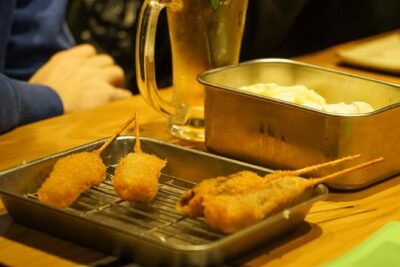
Next comes Kuromon Market, often described as Osaka’s Kitchen. Think covered arcades, seafood and produce in display cases, and vendors calling out as you pass. Even if you do not buy anything, it is a sensory experience. The air smells like food. The stalls feel close. Everything makes you hungry in a very practical way.
This is one of the places where the guide’s presence helps you. The tour does not turn into a food tour with a strict set menu. Instead, it helps you navigate the market vibe so you can choose what you want. That flexibility is valuable when you have dietary limits or when you simply do not want to overeat too fast.
From what I learned about Ai’s style, she actively helps you try something you might not attempt on your own. One example from the experience is help trying a first takoyaki. That matters because takoyaki is easy to find, but hard to order confidently if you are not sure what to ask for or how quickly to eat it.
So the win at Kuromon is not only food. It is learning how to move through a busy market without getting stuck in the crowds. It is also a lesson in everyday Osaka life: people popping in for ingredients and snacks, treating the market like part of their day, not a special event.
Osaka at walking pace, a few more
A couple of smart moves
- Keep your expectations flexible. Markets are crowded and noisy by nature.
- Bring cash if you can. The tour description does not list payment methods, and stalls vary.
Dotonbori neon and the Glico sign photo moment
Then you hit the big visual payoff: Dōtonbori. This is the heart of Osaka’s entertainment district, and the tour makes sure you see why it is famous. You get photo time at the Glico running man sign, plus views over the neon canal that keep flashing into your frame from every direction.
This portion runs about 50 minutes, which is the right amount of time. Dotonbori can swallow you if you let it. With a guided stop, you stay oriented. You also get a sense of the rhythm of the streets, how the crowds shift, and where the best angles are without wasting your whole afternoon circling.
Ai keeps the pace friendly and story-driven. The vibe here can be loud and fast, so having someone translate the meaning behind symbols helps. The guide also brings light humor and local flavor, which makes it easier to enjoy the neon without feeling like you are standing in a theme park.
When the neon gets overwhelming
If you start to feel sensory overload, focus on the details the tour nudges you toward, the sign shapes, the canal views, and the small temple-like pauses the itinerary builds in next.
Hozenji Temple lantern lanes after the lights
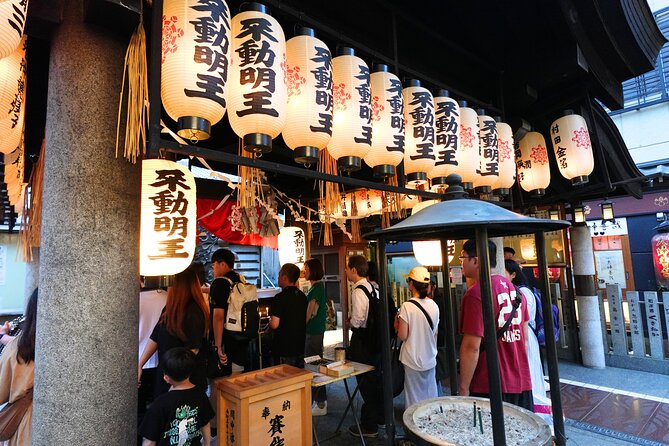
Just after Dotonbori, you step into Hōzenji Temple. This is where Osaka slows down in your mind. The tour description calls out a moss-covered statue, and you can feel the temperature shift mentally as you enter the older-style space.
What I really appreciate here is the contrast. Dotonbori is all brightness and noise. Hozenji gives you lantern-lit lanes that feel nostalgic, and it reads like a pocket of older Osaka tucked into the modern city grid. The tour does not rush it. It sets up a calmer finish so your photos end up with variety, not just more neon.
Even if you are tired from walking, Hozenji is a good reset. You get a slower moment to breathe, take in the mossy texture, and look at small details. This stop turns the day from a list of sights into a story about Osaka’s mix: myth and play, street food energy and quiet lanes.
Price, group size, and what you actually get for $40
The price is $40.00 per person for about 4 hours, and it is booked around 5 days in advance on average. For that kind of money, you are not paying for admission tickets, you are paying for guidance, pacing, and meaning. That is a smart way to spend when your time is limited.
A big value signal is the small group size. The tour caps at 10 travelers, which means the guide can actually look at the group and adjust. It is also less chaotic at busy places like markets and shrine approaches. In practice, that improves your experience because you are not just being marched from one point to the next.
Admission notes in the tour details show free admission for Namba Yasaka Shrine and Den-Den Town, so your cost stays focused on the guide service. Other parts of the day are mostly walking and observation, which helps keep the day affordable.
And the reviews highlight the same theme: people like the balance of quiet cultural moments and the energy of the streets. That balance is what makes a 4-hour walk worth it, instead of feeling like random wandering.
Logistics that matter for a smooth afternoon
This tour starts at 2:00 pm and runs roughly 4 hours. The meeting point is listed at Japan, 556-0015 Osaka, Naniwa Ward, Shikitsunishi, 2-chōme 1, South Hills Namba Sanban-kan. The tour ends at Ebisubashi in Dotonbori, and the end area is also connected with Shinsaibashisuji.
If you like planning your day, this timing works well. It gives you the chance to see Dotonbori with afternoon energy, and it sets you up for dinner afterward since you will finish in one of Osaka’s best food zones.
It is also a mobile ticket experience, and it is described as near public transportation. That is practical. You are not stuck with complicated transfers to get to the start.
My advice on shoes and pacing
This is a walking tour. Bring comfortable shoes and expect sidewalk traffic and market crowding.
The guide makes or breaks it, and Ai is a big part
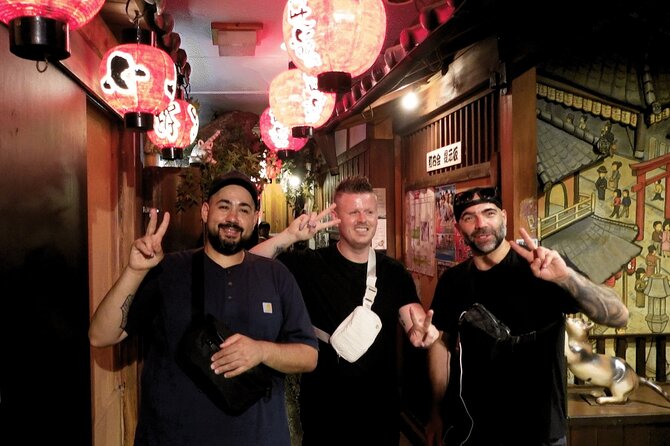
A lot of walking tours can feel like, go here, look at that, next. This one does better because Ai’s approach connects explanations to what you are about to do.
From the experience details you shared, Ai:
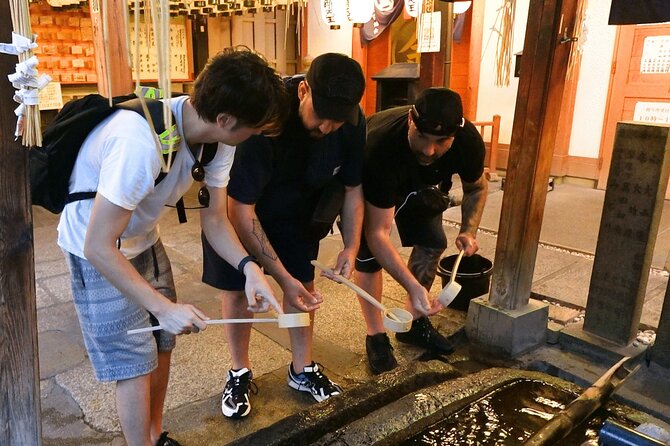
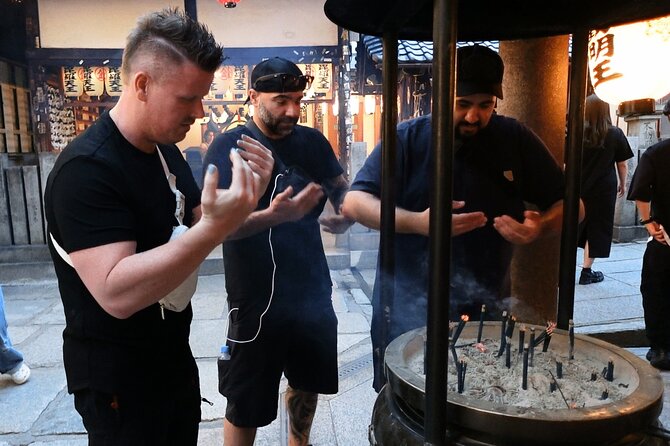
- teaches how to pray at a shrine
- explains the story behind the lion swallowing evil spirits
- shares a few Osaka dialect words
- uses humor to keep the group relaxed
- helps people try a first takoyaki
- points out small moments like fortune papers fluttering or locals praying
That is the difference between a tour that checks boxes and a tour that helps you read the city.
You will also feel the guide’s pacing. Some stops are quick and to-the-point, like Den-Den Town. Others are slower and reflective, like Hōzenji Temple. If you like your sightseeing to include both energy and quiet, that balance is a real win.
Who this Osaka 4-hour walk is best for
This fits best if you:
- want a fast overview of Osaka with real variety
- like myths and cultural context, not only landmarks
- enjoy pop-culture shopping streets but still want a narrative guide
- want to end near Dotonbori so dinner is easy
It is also a good match if you are traveling with kids or teens, because the gachapon moment breaks up the walk. The tour description says most travelers can participate, and the maximum group size helps keep it manageable.
If you hate crowds, focus on timing. Dotonbori and Kuromon can get busy. This tour does not promise emptiness, it promises a guided way through the busy parts.
Should you book this Osaka 4-hour walking tour?
Yes, book it if you want Osaka with context and a mix of old and new. The biggest strengths are the story-first shrine stop, the pop-culture energy of Den-Den Town, and the way Ai blends humor with practical guidance. It is also good value for a four-hour plan that keeps you moving smartly and ending in a prime food area.
Think twice if you are very sensitive to crowds or if you are traveling during a period when the shrine area is likely to queue. And if you prefer totally free-form exploring with no structure at all, you might find some street time less compelling. For most people, though, this tour is a clean, fun, and genuinely useful way to experience Osaka in one afternoon.
FAQ
How long is the Osaka walking tour?
It lasts about 4 hours.
What is the tour price per person?
The price is $40.00 per person.
What time does the tour start, and where does it meet?
It starts at 2:00 pm. You meet at Japan, 556-0015 Osaka, Naniwa Ward, Shikitsunishi, 2-chōme 1 South Hills Namba Sanban-kan.
Where does the tour end?
The tour ends at Ebisubashi in Dotonbori, Osaka.
How big is the group?
The maximum group size is 10 travelers.
Is admission included for the main stops?
The details note free admission for Namba Yasaka Shrine and Den-Den Town.
Can I cancel and get a refund?
Yes. You can cancel for a full refund up to 24 hours in advance of the experience start time.
More Tours in Osaka






More Tour Reviews in Osaka

Off the Arcade Again


Latest out of Osaka


Osaka Backstreets & Hidden Gems Walks, side by side.
 ★ 5.0Osaka Kickstart: Hotspots & Hidden Gems TourFrom $311,306 reviews
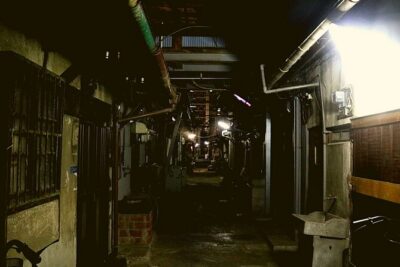 ★ 5.0Deep Backstreet Osaka Tours (Option to add Dinner)From $531,290 reviews
 ★ 4.9Osaka: Deep Backstreets Walking Tour with Dinner OptionFrom $40902 reviews
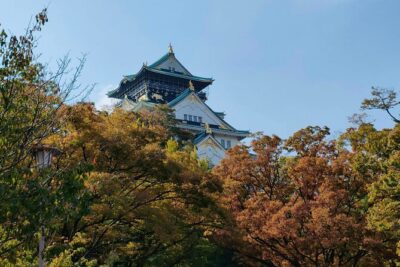 ★ 5.0Ultimate Osaka Walking Tour: Castle, Dotonbori & Hidden GemsFrom $73862 reviews
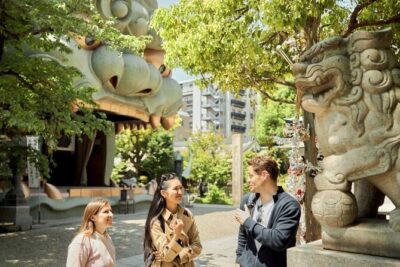 ★ 5.0Private Osaka Walking Tour: Highlights & Hidden GemsFrom $81569 reviews
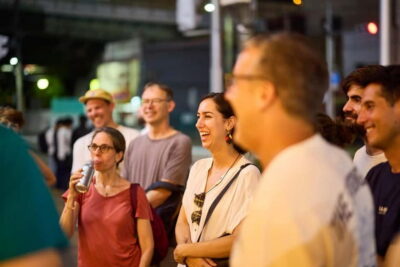 ★ 4.9Osaka: Dark Side of Osaka Night Walking TourFrom $2589 reviews
 ★ 4.5Retro Osaka Street Food Tour: ShinsekaiFrom $21777 reviews
 ★ 5.0The Dark Side of Osaka Walking TourFrom $2549 reviews
Also worth a look in