
REVIEW · OKONOMIYAKI & TAKOYAKI EXPERIENCES
Okonomiyaki or Ramen&Gyoza Class with Local Shop Tour
Cooking in Osaka beats cooking at home.
This local shop tour and hands-on class pairs Japanese ingredients with real technique, starting at Osaka Tenmangu Shrine and moving into a kitchen session where you learn what makes the flavors work. I especially like the cultural Q and A side, since guides such as Yuki and Yumi often weave in product stories and practical eating tips around Osaka, Kyoto, and Nara.
I love the market-to-pan flow here, because you see ingredients before you cook them. You’ll also get step-by-step instruction that aims to leave you with recipes and confidence you can repeat later, not just a one-time meal.
One consideration: you’ll cook one main option during the class, so if you’re hoping for multiple Osaka-style dishes in the same sitting, you may want to pick the option that matches your cravings. Also, at 2.5 hours, it’s focused rather than slow and sprawling, so come hungry and ready to work.
Key highlights you’ll actually use
- Tenmangu Shrine main-gate meetup, so you start with clear orientation in the neighborhood
- Small group (max 8), which makes questions and conversation feel natural
- Local shop stops where you learn the purpose of ingredients and cultural context
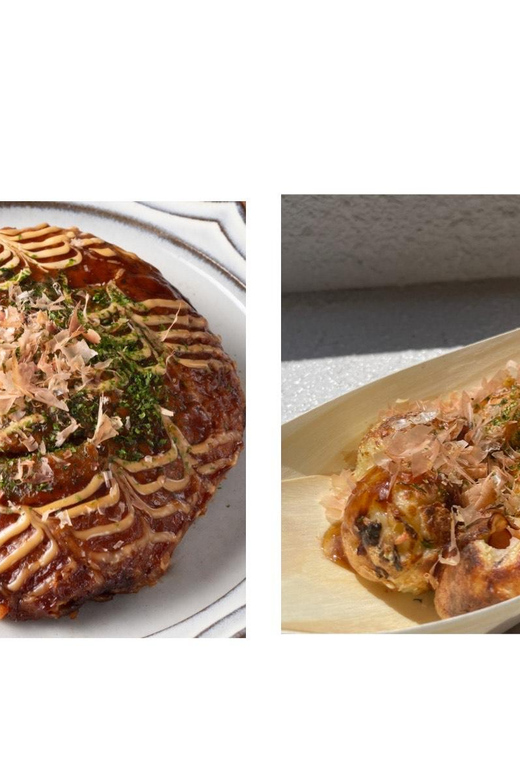
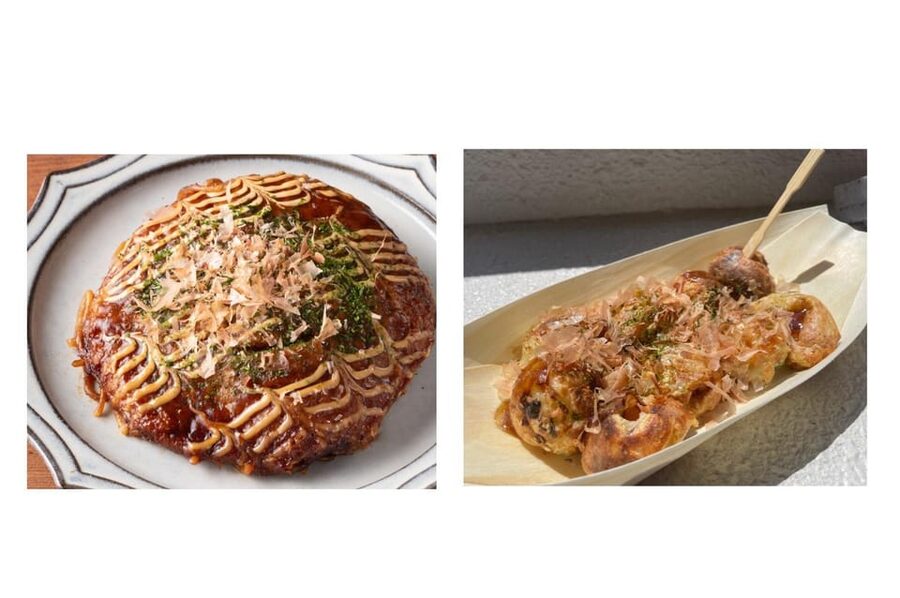
- Two cooking paths: Okonomiyaki with Yakisoba or Takoyaki, taught step by step
- English instruction with translation support, so the food lesson stays understandable
- Home-recipe focus, built around techniques you can recreate after you get back
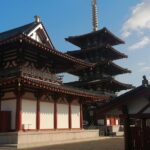
Starting at Osaka Tenmangu Shrine, right at the main gate
The experience begins at Osaka Tenmangu Shrine, and the meetup point matters. You’ll meet in front of the large main gate, not the smaller back gate, so take a minute to confirm you’re at the right entrance before your group gathers. If you’re prone to wandering two minutes in the wrong direction, this is the kind of small detail that saves time later.
From the start, the tone feels local. Instead of jumping straight into a restaurant, you start near a historic shrine and then move into the surrounding everyday food world. That early shift is part of why the day works: it connects Osaka’s food culture to real streets, not a staged performance.
This also sets up what you’ll do next. Once you’re with your English-speaking guide and translation support is ready, the local shop tour feels less like sightseeing and more like a guided hunt for the ingredients you’ll later cook with.
More time at the hot plate
Local shop tour: ingredients, context, and why translation helps
After you meet, you’ll head into a few local shops with guidance that goes beyond what something is. You learn about unique Japanese ingredients and, just as important, the cultural significance behind them. That means you’re not memorizing a grocery list, you’re understanding why certain items show up in these dishes and how people think about them.
A big plus from the reviews is how seriously guides handle product explanations. People praised Yumi for knowing the specific products of the Osaka region, and for showing the shops that sell them so you can actually try what you’re hearing about. That combination is powerful: tasting makes the lesson stick.
Translation assistance is also a practical win. Even if you’re comfortable with basic Japanese, the details behind sauces, seasoning, and the way items are used can get lost. Here, you get help to make sense of what you’re seeing, so you can ask questions in real time.
You should expect lively conversation during these stops. Guides like Yuki and Yumi are described as welcoming and quick to answer questions, including practical guidance about where to eat in Osaka, Kyoto, and Nara. It’s a small touch, but it can save you time later when you’re building your own itinerary.
The kitchen session: okonomiyaki and yakisoba, or takoyaki
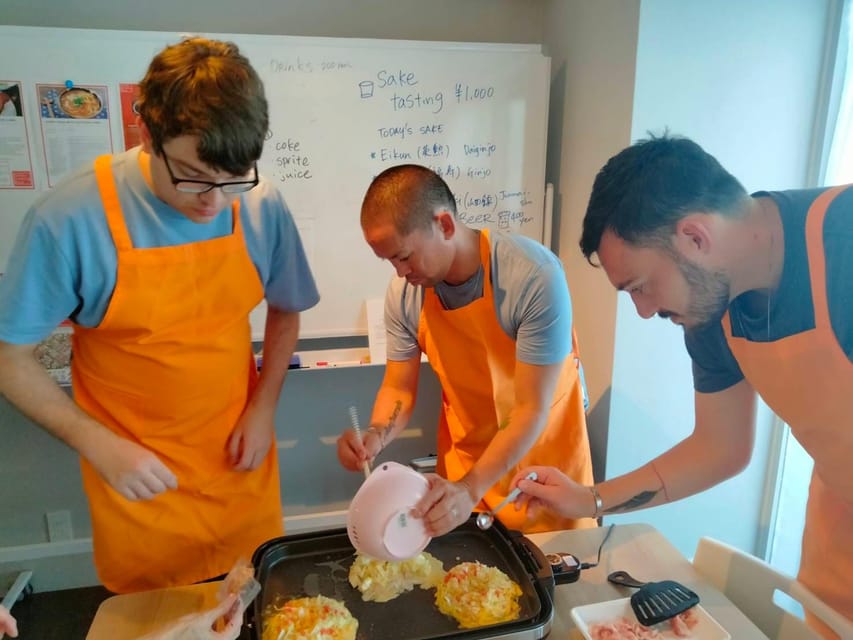
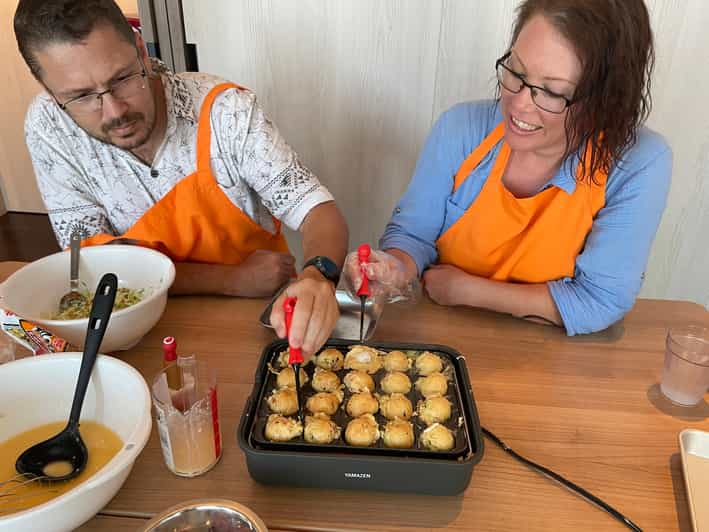
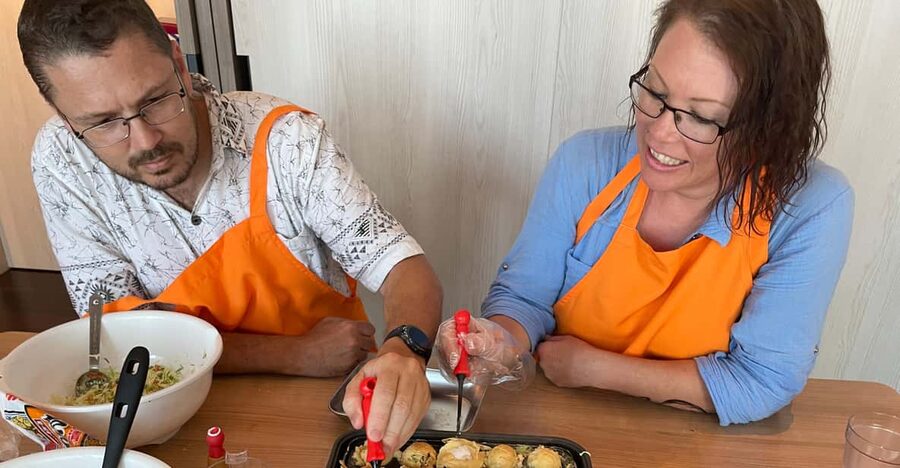
Once you’re in the kitchen, the class switches from street-level learning to hands-on technique. You’ll follow step-by-step guidance to prepare either Okonomiyaki with Yakisoba or Takoyaki (your choice depends on what you book). The important part is that the instruction is broken down clearly, so you’re not guessing how batter or toppings should behave.
What I like most is that the class is built to be doable. The reviews point out that the food tastes excellent, but also that the process feels manageable, with cooking tips that make the differences click. If you’ve ever watched Japanese cooking online and thought, I could never do that, this is designed to counter that feeling.
For Okonomiyaki and Yakisoba, you’ll be working with the core steps that make the dish recognizable. Your guide will explain the technique behind each stage so you understand what you’re doing, not just when to flip, layer, or season. For Takoyaki, the same logic applies: you learn the process step by step, so you can replicate the result rather than chasing a one-off lucky batch.
One more detail from the reviews that matters: guides also share helpful eating context and cooking nuance as they teach. That can mean tips on how to adjust to your preferences, or how different elements contribute to flavor balance. It turns the session into something closer to a lesson you can carry home, not just a meal you consume on the spot.
Learning techniques you can recreate, not just a one-night meal
The strongest reason to book a class like this is the goal stated in the experience design: you should leave with a dish you can realistically make again at home. The difference is in how you’re taught. You’re not handed a finished recipe and told to watch. You’re guided through the work so you learn the steps and the logic behind them.
The shop tour feeds into that. When you’ve seen the ingredients and learned what they represent, you’re more likely to buy the right substitutes later, or at least understand what matters most. That’s where home cooking classes often fail, they teach the “how” but not the “why.” Here, you get both, at least in plain, practical terms.
The reviews reinforce this home-skill angle. Multiple people said they were looking forward to trying the dish at home, and one review specifically described the okonomiyaki class as exactly what expected. That might sound small, but it’s usually the difference between a fun activity and a real takeaway.
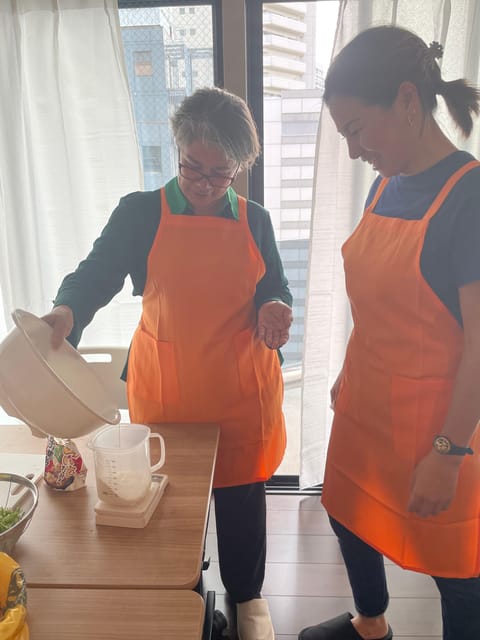
Also, group size helps the teaching style. With a small group capped at 8, your guide can slow down when needed and answer questions while everyone is working. The reviews describe hosts who answered questions during the cooking process, including culture nuances and cooking tips. That makes a real difference when you’re learning technique you can mess up easily, like consistency and timing.
Osaka hospitality, conversation-friendly teaching, and all-ages energy
This is one of those tours where the food is the headline, but the hosting style is what makes it feel memorable. The group is small, and the vibe is friendly and question-friendly. Reviews repeatedly call out guides who were welcoming, professional, and full of cultural insight.
Yuki and Yumi show up in the feedback as particularly strong communicators. One review notes that the guide shared culture nuances and cooking tips while answering questions. Another review highlights lively exploration and extra Japanese culture, not just a cook-and-leave event.
That matters because Japanese hospitality is often about pace and care, not flash. A class like this gives you time to ask what you’re curious about, from how people eat in Osaka to how ingredients are chosen. When the guide is comfortable answering, you learn faster. You also leave feeling like you understand more of Japan than you would from menus and maps alone.
The experience is also described as suitable for all ages, from young children to seniors. You can take that as a sign that the pace and structure are designed to be understandable for different skill levels. If you’re traveling with family, it’s a safer bet than highly technical classes where some people might feel left behind.
More broth and more pleats


Price and time: does $83 feel fair?
At $83 per person for a one-day experience that includes a local shop tour and a hands-on cooking session, the key question is value. Here, you’re paying for three things: guided sourcing, guided cooking instruction, and the meal outcome.
Many cooking classes only give you the kitchen part. This one adds the shop visits first, which helps you understand ingredients and how Osaka food culture works in real life. You’re also not just learning one abstract concept, you’re actively cooking dishes like Okonomiyaki with Yakisoba or Takoyaki, and you eat what you make.
The duration is also important. The class is described as a 2.5-hour session, which is a good length for beginners. You get time to ask questions and actually cook, but it’s not so long that you lose focus or end up rushing through the process.
So for your money, the value depends on what you want. If you only want a quick snack, you could do that cheaper on your own. If you want a structured way to learn Japanese home-cooking technique, plus a cultural guide to explain ingredients, this price starts to look reasonable.
And the small group size helps justify it. When you’re capped at 8 participants, you’re not just buying the lesson, you’re buying the attention.
Who should book this cooking class in Osaka?
You’ll love this experience if you want food learning with real context. It’s a great match if you’re the kind of traveler who likes understanding how things work, not just taking photos.
It’s also a strong pick if:
- you’re traveling with mixed ages and want an activity that isn’t too intense
- you prefer small-group instruction where questions are welcome
- you want to cook one Osaka-style dish and actually reproduce it later at home
If you’re the type who already cooks well and hates structured steps, you might find parts of the lesson feel beginner-friendly. But even then, many of the guides’ ingredient explanations and cultural notes can still be useful.
If you’re short on time in Osaka, the focused 2.5-hour structure can fit without swallowing your whole day. Just plan to arrive on time, especially because the meetup point is very specific, the shrine main gate.
Should you book Osaka Cooking Base?
If you want an experience that teaches cooking technique with cultural meaning, I’d book it. The best sign is the repeat praise for both the hosts and the actual food results, especially okonomiyaki described as delicious and the teaching described as fun, clear, and easy to follow.
Book this if you like the idea of combining local shop visits, ingredient explanations with translation support, and a hands-on kitchen session that ends with you eating what you made. And if you care about home-recipe confidence, this class is explicitly built for that.
Skip it only if you’re mainly chasing variety. Since you cook one main option during the session, you won’t leave with a buffet of different dishes. Also, if you dislike structured instruction and prefer free-form wandering, you may find the guided format less your style.
FAQ
Where is the meeting point?
You meet in front of the large main gate of Osaka Tenmangu Shrine. Be careful not to go to the small back gate.
What dishes do you cook?
The class focuses on one of these options: Okonomiyaki and Yakisoba, or Takoyaki.
How long is the experience?
It is a 1-day experience with a 2.5-hour class session.
What language is used?
The instructor is English, and translation support is provided to help you understand what you encounter.
What is the group size?
It’s a small group limited to 8 participants.
What should I bring or plan for?
Bring your curiosity. You’ll have plenty of chances to ask questions during both the shop tour and cooking session. For reservations, you need to book at least 24 hours in advance.
More Tour Reviews in Osaka

Broth, Pleats and Second Helpings

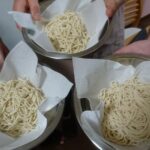
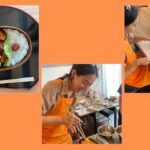
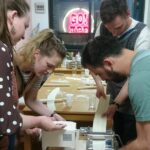
More Time at the Hot Plate

Latest out of Osaka


Okonomiyaki & Takoyaki Experiences, side by side.
 ★ 5.0Osaka Cooking Class: Okonomiyaki &Japanese cuisines experienceFrom $104261 reviews
 ★ 5.0Osaka Sake Tasting with Takoyaki CookingFrom $70156 reviews
 ★ 5.0Osaka Sake Tasting & Takoyaki Cooking ExperienceFrom $72149 reviews
 ★ 5.0Cooking Ramen&Gyoza/KatsuCurry/Bento/Okonomiyaki+Store Tour@OsakaFrom $85138 reviews
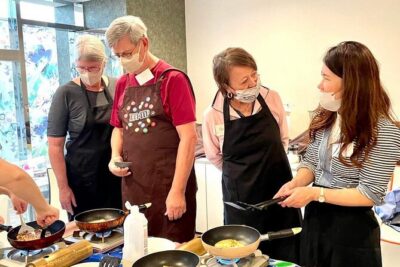 ★ 5.0Osaka Okonomiyaki Cooking Experience!From $4979 reviews
 ★ 4.2Osaka:SUMO BEATS SHOWCASE: Taiko Drum and Wagyu burger!From $6737 reviews
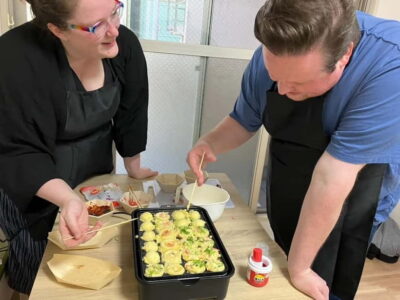 ★ 4.9Osaka : Cooking Class Okonomiyaki & Takoyaki course in NanbaFrom $7025 reviews
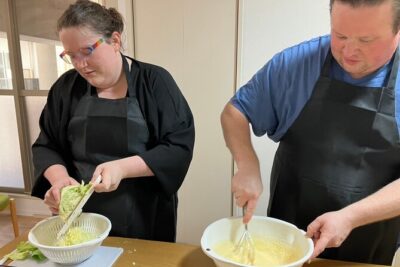 ★ 5.0Osaka Okonomiyaki Cooking Class “Learn here and make it at home”From $7020 reviews
Also worth a look in