
REVIEW · OSAKA HOME COOKING CLASSES
Master Washoku: 5 Core Techniques for Authentic Cooking
Five Japanese skills in three hours. This Osaka class is a practical way to learn washoku beyond sushi, with a Michelin-trained chef guiding you through classic flavors like soy sauce, mirin, and sake.
You also get a hands-on, small-group setup, so you are not standing on the edge watching.
I especially like the structure: you practice five core techniques through five real snacks, not vague demos. I also like the optional sake part, where you compare chilled Junmai and Junmai Ginjo from the same brand and then try a warm pour to feel how temperature changes the taste.
One thing to plan for: transportation to the venue is not included, and the meeting point can vary by option, so you will want to map your route ahead of time.
Key highlights worth planning for
- Chef Yuki’s Michelin background with English and Japanese instruction, in a relaxed, attentive small group.
- Small group size (up to 4 participants) that makes it easier to ask questions while you cook.
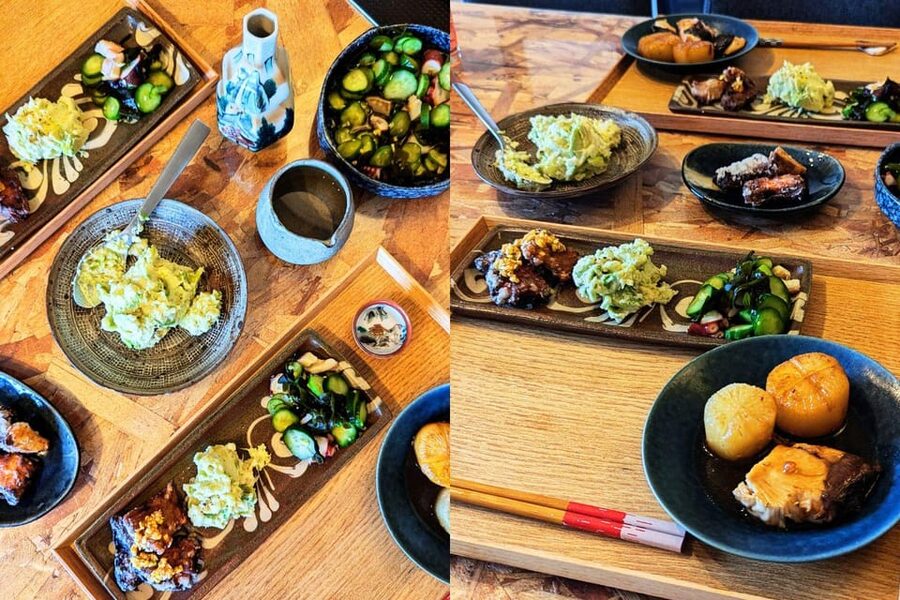
- Five snack menu that teaches real izakaya-style balance, from vinegar salads to simmered fish.
- Technique focus that covers grilling, simmering, marinating, pickling, and frying through the actual dishes.
- Optional premium sake tasting with a clear chilled vs warm comparison (Junmai, Junmai Ginjo, plus warm sake).
- Practical inclusions like ingredients, equipment, aprons, water and tea, and digital photos.
Five washoku techniques you can actually use at home
If you like Japanese food, this class makes the flavors make sense. You are not just eating, you are learning how to build seasoning, balance sweet, salty, and tangy notes, and use methods that show up everywhere in washoku.
The course is set up for travelers who want more than the usual sushi and tempura basics. In three hours, you cover core approaches that Japanese kitchens use daily, then you apply them immediately as you cook a full set of snacks.
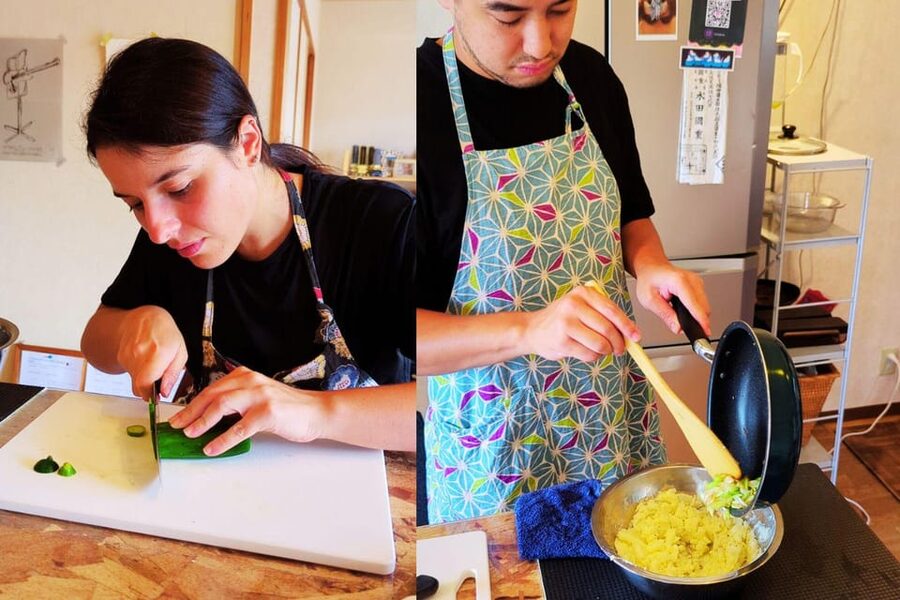
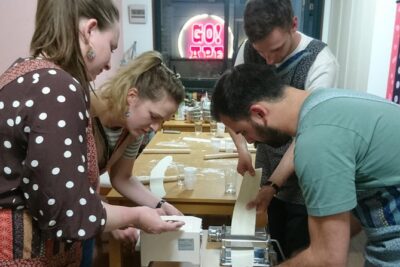
The format is also friendly. You cook in a small group limited to 4 participants, which matters because sauce ratios, heat control, and timing all benefit from close guidance.
More kitchen tables to sit at
The Michelin-trained chef approach, without the stiff vibe
This is chef-led learning with a Michelin-trained teacher from Osaka. Based on how Chef Yuki is described in past sessions, the vibe is relaxed and attentive, and you get lots of tips while you work.
That matters because the techniques here are not just theoretical. When you are marinating fish, assembling a vinegar salad, or simmering yellowtail with daikon, small adjustments change the result fast. In a bigger group, those tweaks often get missed.
You also get support in English and Japanese. That is a big deal if your Japanese is basic. If you are comfortable with cooking terms, you can follow along easily, and if you are not, the chef can still guide you step-by-step.
Your five-dish menu, built to teach technique and flavor balance
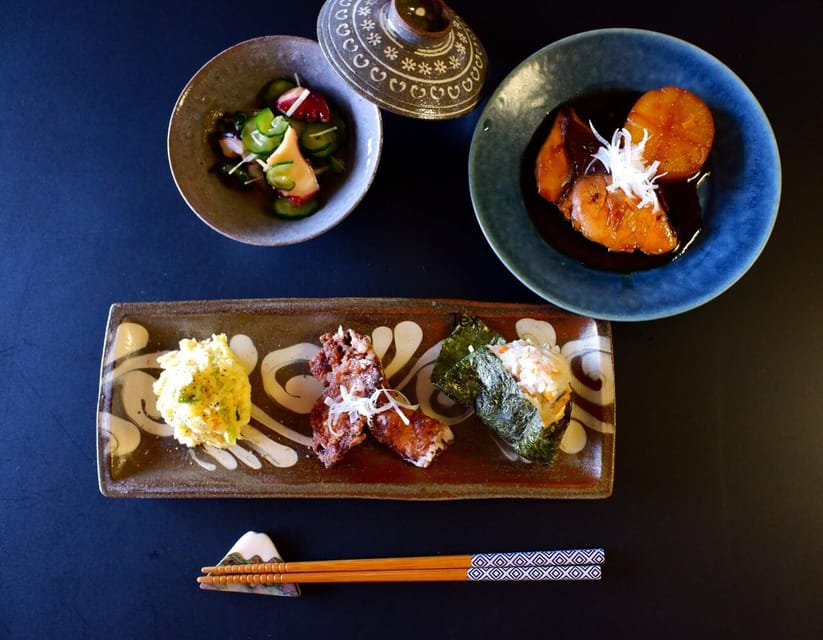
The class is organized around five authentic snacks that each train a different skill. You will cook and taste everything, so by the end you know what the dish should taste like and why.
Here is what you will make, and what each dish is really teaching you about washoku.
Wasabi Garlic Potato Salad, the izakaya shortcut to punchy flavor
You start with Wasabi Garlic Potato Salad, a spicy twist on a common izakaya favorite. Potato salad can sound simple, but Japanese versions often hinge on how the seasoning is balanced, not just what goes in.
You will practice turning wasabi and garlic into flavor without making it harsh. It is the kind of starter that sets you up for the rest of the menu, because it familiarizes you with how Japanese snacks build intensity in small bites.
If you like bold flavors with a clean finish, you will get it right away. This is also a good dish to remember when you want a quick side at home that still feels Japanese.
Octopus and cucumber vinegar salad, crisp texture plus tang
Next is Octopus and Cucumber Vinegar Salad. Vinegar salads are a real staple in Japanese home cooking, and the goal is balance: tangy enough to wake up your palate, mild enough that you still taste the ingredients.
The octopus component brings chew and sweetness, while the cucumber gives crunch. The chef’s guidance here helps you understand how vinegar seasoning works, especially how to keep it from tasting one-note.
Based on past feedback, this is one of the dishes that people remember most. It is also a smart pick for a first-timer class because it feels light, but it still teaches technique.

Fish Tatsuta-age with scallion sauce, marinate, coat, and fry
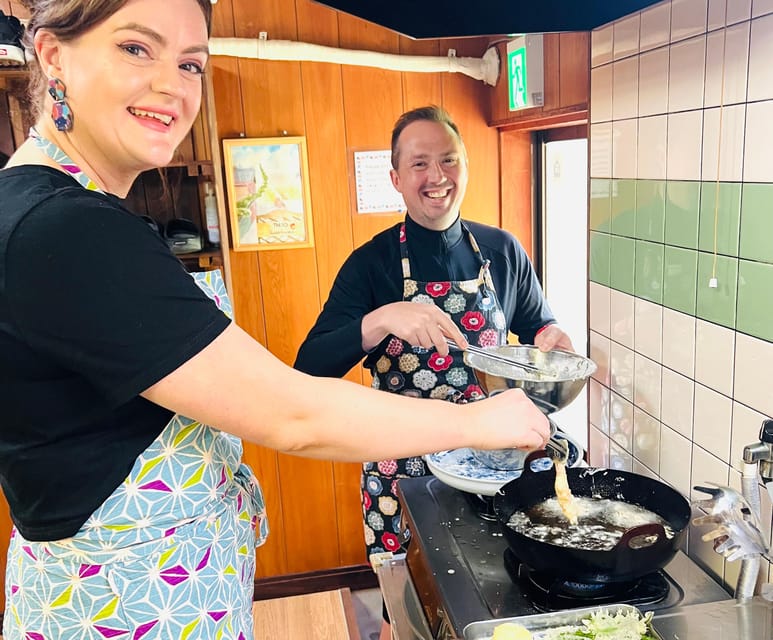
Then you move into Fish Tatsuta-age with Scallion Sauce. Tatsuta-age is a style of marinated, then fried fish, and the scallion sauce gives you a fresh finish.
This part is where the class becomes clearly hands-on. You learn how to marinate so the flavor penetrates, then how to fry so you get crisp outside texture without turning the fish dry.
The scallion sauce is your follow-up lesson in seasoning. You get to see how a simple mix can lift a fried dish, which is very common in Japanese eating culture.
If you want a dish that pairs well with sake, this one is designed for it. It is also a practical takeaway for home cooking when you want that crisp, savory snack feel.
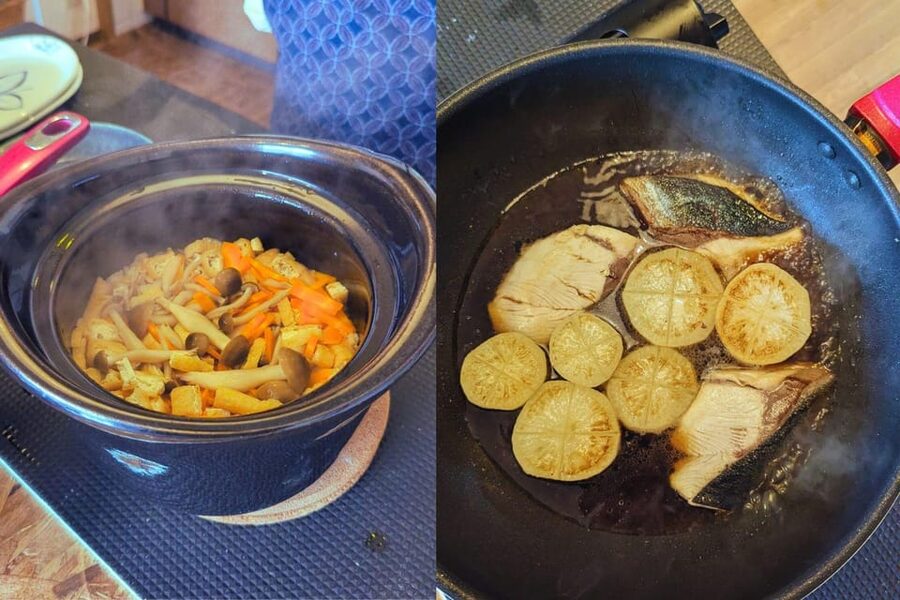
Simmered yellowtail with daikon, gentle heat and timing
For Simmered Yellowtail with Daikon, you switch gears to simmering. This is classic Japanese comfort cooking, and the technique teaches patience and control.
Daikon needs time to become tender while still holding structure. Yellowtail also benefits from careful heat so it stays delicate rather than tough or overcooked.
This dish is a great example of washoku’s style: flavors develop through simmering in seasoned liquid. You also learn why ingredients like soy sauce and mirin matter beyond taste, they shape sweetness, color, and aroma.
Mixed rice onigiri, the finishing skill that makes it whole
You close with Mixed Rice Onigiri. Onigiri is simple, but it is not just about shaping. The real work is in seasoning the rice and getting the right feel so it holds together.
This final step ties the meal together. After vinegar salad, fried fish, and simmered fish, the onigiri gives comfort and makes the snack set feel complete.
If you ever struggled to get rice seasoning right, this is where you will get clarity fast. You also leave with a dish you can repeat easily at home, even when you do not want to cook an entire Japanese meal.
Optional premium sake tasting: chilled vs warm, and why it matters
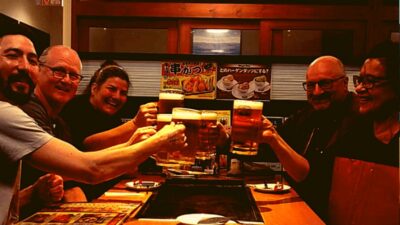
Sake tasting is offered as an option, and it is structured to teach you how tasting temperature changes the experience. You will taste three types: two chilled sakes and one warm sake.
The two chilled pours are from the same brand, with one being a Junmai and the other a Junmai Ginjo. That comparison is smart because it reduces variables. Instead of guessing what differences come from, you focus on style.
Then you try one warm sake to feel how aroma and flavor come through differently. Warm sake often tastes rounder and more aromatic, while chilled pours can feel cleaner and more focused.
Even if you do not drink much alcohol, this is still worth considering because it is educational and paired with the foods you cooked. You get a clear sense of how sake can work like a seasoning at the table.
Central Osaka apartment cooking, small group comfort included
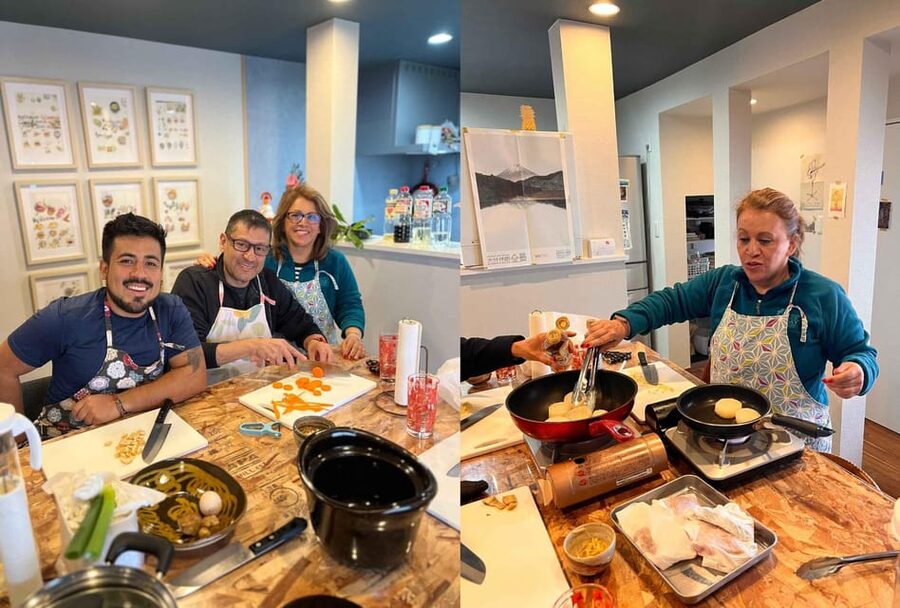
The class takes place in a comfortable apartment near central Osaka. That setting helps you relax, and it also makes the experience feel closer to real everyday cooking than a formal demonstration kitchen.
You cook with all necessary ingredients and equipment included, and you are provided with aprons. Water and tea come along during the class, which sounds minor until you are hungry and working with hot stoves.
The small group size, limited to 4 participants, also means the chef can correct your technique in real time. That is how you go from following steps to understanding what makes the dish work.
Another practical touch: you get digital photos of your experience. It is not required for the cooking, but it is a nice way to remember what you made and how it looked when it came together.
Price and value: is $109 fair for 3 hours of cooking?
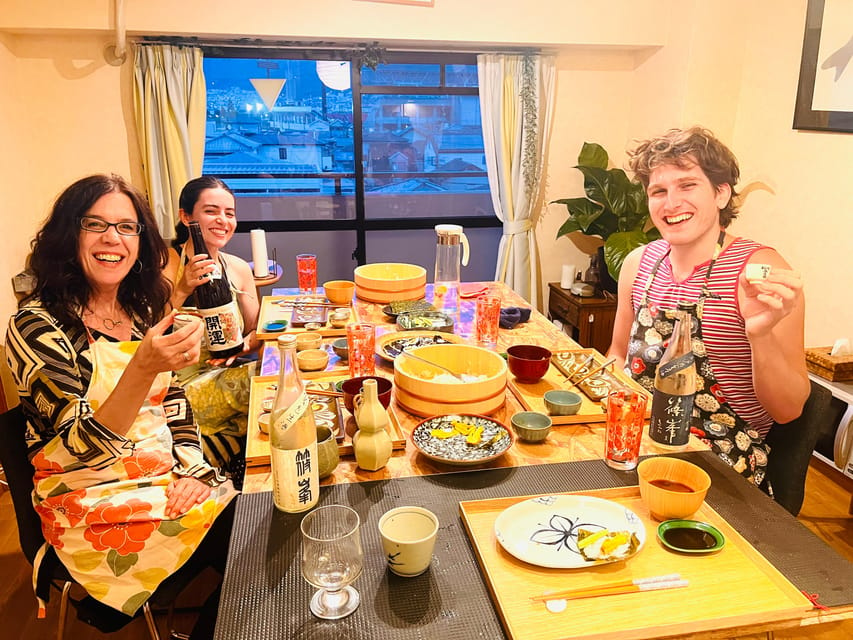
At $109 per person for a 3-hour session, the value depends on what you want out of the trip.
If you like cooking classes that leave you with usable skills, this price starts to look fair. You get expert instruction from a Michelin-trained chef, hands-on practice making five dishes, and an optional sake tasting. You also do not have to buy ingredients or bring gear, because they are included.
For food-focused travelers, the best part is that you are not paying for a meal alone. You are paying for technique coaching: grilling, simmering, marinating, pickling, and frying taught through a menu you can repeat at home.
The only “hidden” cost risk is you will need to get yourself to the venue, since transportation is not included. If you are already planning to be in central Osaka, that is usually manageable.
Who this Osaka washoku class suits best
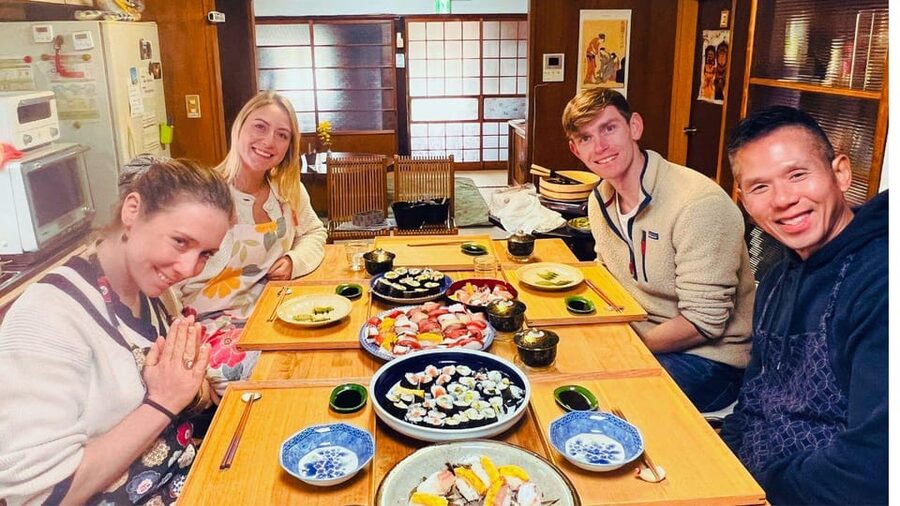
This class fits best if you fall into one of these categories:
- You want to learn Japanese cooking techniques you can use beyond restaurants.
- You like hands-on classes where you actively make food, not just watch.
- You enjoy izakaya-style snacks and want to understand the flavor logic behind them.
- You are curious about sake, especially tasting temperature differences.
It is also a solid choice if you travel with basic Japanese ability and want English support. Chef Yuki teaching in English and Japanese makes a difference for confidence, especially when you are learning sauce work and timing.
If you are only looking for a quick bite tour, you might find the cooking focus more time than you want. This is a cooking class first, so plan to get your hands involved.
What to watch for before you book
Food allergies matter here. If you have any, you should let the instructor know so preferences can be adjusted as much as possible.
Also, keep your expectations aligned with the time. Three hours is enough to cook and taste five snacks, but it is not a slow workshop where everything gets repeated multiple times. You will learn a lot, but you will also move at a class pace.
Finally, plan your schedule for the meeting point. It may vary depending on the option you book, and transportation to the venue is not included.
Should you book Master Washoku in Osaka?
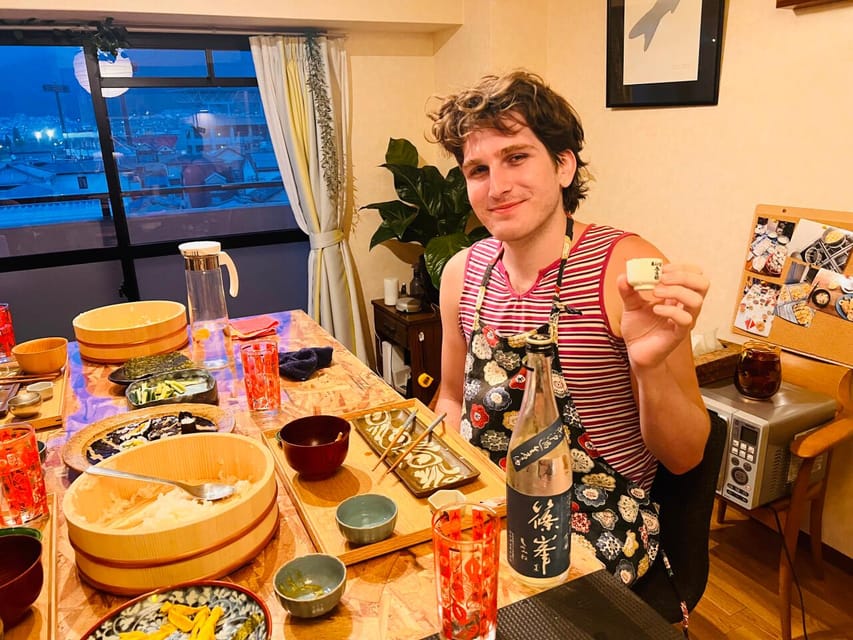
I think you should book this class if you want a real washoku skills lesson in central Osaka. The menu is built to teach technique through flavor: vinegar balance, simmer timing, marinate and fry, and rice seasoning plus shaping.
Chef Yuki’s teaching style is described as relaxed and attentive, and past participants also highlight the fun, educational pacing and the fact that the food comes out well. That combination is what makes a cooking class worth your time.
If you are already comfortable with basic Japanese ingredients and want a practical way to improve, this gives you structured methods you can repeat. If you want the added sake comparison, the optional tasting makes the meal feel even more connected.
If the idea of cooking five snacks in a small group sounds like your kind of day, this one is an easy yes.
FAQ
What dishes are included in the Master Washoku class?
You will hands-on cook five Japanese snacks: Wasabi Garlic Potato Salad, Octopus and Cucumber Vinegar Salad, Fish Tatsuta-age with Scallion Sauce, Simmered Yellowtail with Daikon, and Mixed Rice Onigiri.
Is the sake tasting included?
The premium sake tasting is optional. If you choose it, you will taste three sakes: two chilled sakes (a Junmai and a Junmai Ginjo from the same brand) and one warm sake.
How long is the experience?
The class duration is 3 hours.
How large is the group?
The class is a small group limited to 4 participants.
What languages does the instructor use?
The instructor teaches in English and Japanese.
Is transportation to the meeting point included?
Transportation to the venue is not included, and the meeting point may vary depending on the option booked. The class is held in a comfortable apartment near central Osaka.
More Tour Reviews in Osaka




More Kitchen Tables to Sit At

Latest out of Osaka


Osaka Home Cooking Classes, side by side.
 ★ 5.0Osaka: Ramen and Gyoza Cooking Class in DotonboriFrom $70378 reviews
 ★ 4.3Osaka: Sumo Stage Show with Bento or Snack + Fight & PhotoFrom $93364 reviews
 ★ 5.0Osaka Cooking Class: Okonomiyaki &Japanese cuisines experienceFrom $104261 reviews
 ★ 5.0Ramen and Gyoza Cooking Class in OsakaFrom $79202 reviews
 ★ 5.0Osaka Sake Tasting with Takoyaki CookingFrom $70156 reviews
 ★ 5.0Osaka Sake Tasting & Takoyaki Cooking ExperienceFrom $72149 reviews
 ★ 5.0Cooking Ramen&Gyoza/KatsuCurry/Bento/Okonomiyaki+Store Tour@OsakaFrom $85138 reviews
 ★ 5.0Three Types of Ramen Cooking Class in OsakaFrom $79119 reviews
Also worth a look in