
REVIEW · OSAKA TEMPLE & SHRINE VISITS
Making Soba noodles at Temple
Making soba in a temple changes everything. I love the peaceful temple calm and the hands-on soba you make yourself. The one thing to watch is the buckwheat ingredient, since allergies can be a dealbreaker.
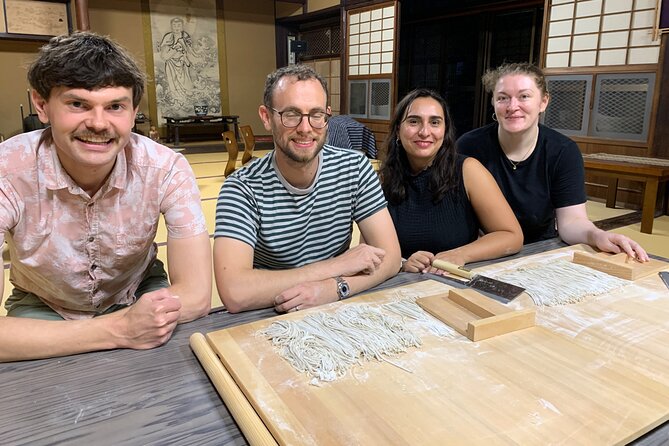
This is a small-team, private-group class in Osaka where you learn soba basics, then taste the noodles you made. You also get time inside the main hall and to see the Buddha statue, so it feels like more than a cooking workshop. It tends to be booked about 47 days in advance, so if this is on your must-do list, plan ahead.
Key Highlights Worth Booking For
- A calm temple setting makes the whole class feel slower and more personal than a typical food tour
- Private soba instruction with Hiro, who teaches in a friendly, focused way
- You eat what you make right after, not just a demo and goodbye
- Temple visits included with time at the main hall and the Buddha statue
- Photos sent at the end (one review notes Hiro took pictures and AirDropped them)
- Soba is buckwheat-based, so allergies matter before you commit
Why Osaka Soba-Making in a Temple Feels Different
Osaka has plenty of food experiences, but this one has a rare ingredient beyond buckwheat, quiet. Instead of a busy classroom vibe, you’re doing this inside a historic temple environment. That changes the pace. Your attention goes to small steps, the sound of dough, and the satisfaction of turning it into noodles you can actually eat.
I also like that it’s not treated like a drive-by culture stop. You get a proper hands-on session, and then you still have time to look around the temple grounds, including the main hall and a Buddha statue. For me, that balance matters: you leave with both a skill and a place.
The price, at $68.29 per person for about 2 hours, makes sense when you remember it’s private for your group and includes soba snacks you make. This is not just about the meal. It’s about the teaching moment, the calm setting, and the personal feel.
Quieter courtyards nearby
The 2-Hour Class Flow, Starting at Shitaderamachi
Your experience runs about 2 hours and uses a mobile ticket. The format is straightforward: you meet at 1-chōme-3-68 Shitaderamachi, Tennoji Ward, Osaka 543-0076, Japan, and the activity ends back at the meeting point.
Because it’s private, you’re not waiting for a big group shuffle. That matters more than you might think in a noodle workshop, where timing and attention help. You can ask questions, move at a comfortable pace, and get guidance without feeling rushed.
Here’s what the session centers on:
- making Japanese soba noodles using buckwheat flour
- tasting and sampling the soba you make yourself
- spending time in the temple, including the main hall and a Buddha statue
One small but practical perk comes through in the reviews: the guide Hiro takes pictures during the class. In at least one review, those photos were AirDropped at the end. So if you’re the type who hates fumbling with your camera mid-activity, this is a good sign. Just make sure your phone has enough battery.
Also note the class requires good weather. If conditions are poor, it can be canceled and you’ll be offered a different date or a full refund.
Hiro and the Calm, Private Way You Learn Soba
The teacher matters in a cooking class, and this experience leans hard into that. Reviews point to Hiro as an amazing guide who makes the whole thing feel like a private lesson. That shows up in two ways: clear instruction, and a relaxed atmosphere where you can focus on getting it right.
I like the small-team setup too. You’re not lost in a crowd. It’s the kind of group size where you can actually hear what’s being explained, and where you can take your time with the steps.
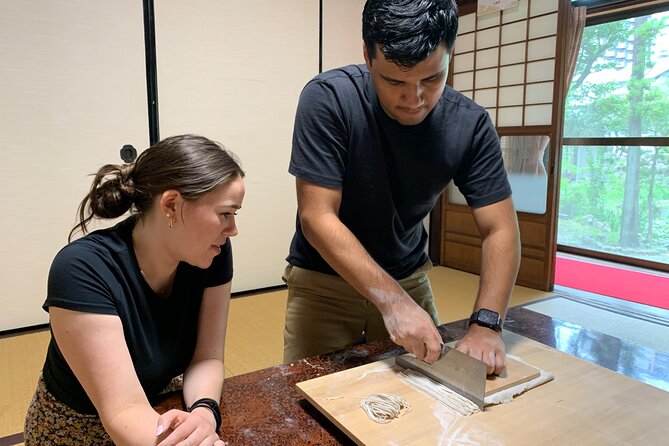
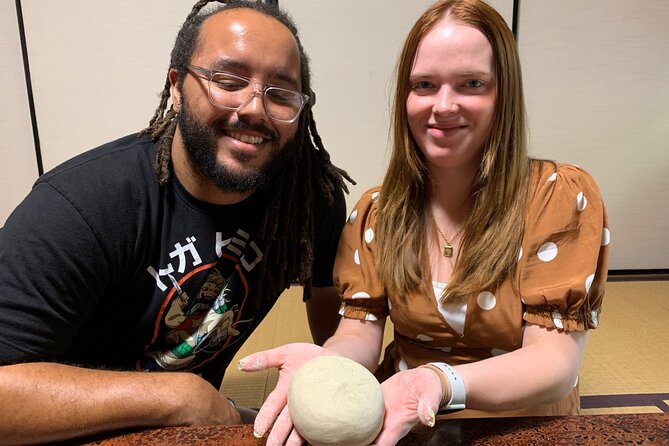
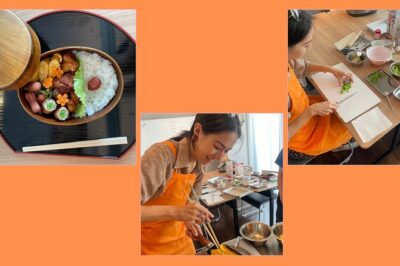
What you’ll likely do during the hands-on portion is work with buckwheat flour noodle dough, learn how to shape it into noodles, and then taste what you produced. The key advantage is simple: you get the satisfaction of making soba yourself, not just watching someone else do it. And because you sample what you made, you can judge flavor and texture immediately. That instant feedback is how you learn faster.
If you’re thinking, I can just make soba at home, you might be right later. But doing it here has a different value. You’re pairing technique with a cultural setting, and you get to see how the process feels when taught with care.
Temple Time: Main Hall and Buddha Statue Stops
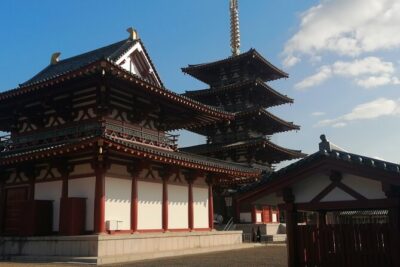
One reason this experience earns its spot on a Japan list is that it includes temple sightseeing in a way that doesn’t hijack your day. You’re not spending hours on a checklist. You get temple time as part of the experience.
You can expect:
- a visit to the main hall
- time to see the Buddha statue
This is the part that makes the workshop feel grounded in place. Soba is food, sure, but in a temple context it’s also about calm routine and attention. You’re stepping into a space that encourages quiet focus, which is exactly what you want while learning something hands-on like noodle making.
There’s also a subtle emotional payoff. One review describes the experience as warm and private, like returning to parents’ house time. That’s not a description you can fake. It comes from the tone of the class and the way the group stays small and respectful.
If you want to keep expectations realistic, know that this isn’t presented as a lengthy temple tour. The temple stops are included, but the core is still soba making.
What You Eat, and Why You’ll Notice the Difference
The included part is simple and honest: snacks of the soba noodles. And the experience description also emphasizes you can sample the soba you made yourself.
That is the biggest “real-world value” detail. Many cooking classes end with a take-a-photo and a quick exit. Here, you actually get to taste the result. That means you can tell whether the flavor works for you and what texture you achieved, even if you’re new to noodle work.
Soba is buckwheat-based, and buckwheat flour is the key ingredient mentioned in the notes. That matters for two reasons:
- it explains the flavor and character of the noodles
- it explains why allergy considerations are serious
So if buckwheat affects you, you’ll want to plan carefully. The experience notes directly mention that people may not be able to eat it due to allergies.
A practical tip, even if you’re not allergic: if you’re sensitive to strong flavors or unusual textures, you might want to start slow and focus on the taste profile. Soba isn’t like white wheat noodles, and that contrast is part of what makes it memorable.
More broth and more pleats
Price and Value: Is $68.29 Worth It?
At $68.29 per person for about 2 hours, this isn’t a bargain-basement activity. But it also doesn’t feel inflated once you look at what you’re buying.
You’re paying for:
- a private-group experience
- hands-on soba making instruction
- the chance to eat the soba you make
- temple time, including the main hall and Buddha statue
- a small-team class setup
- and likely a photo capture moment with Hiro, based on reviews
Also, private transportation is not included. That means the value is concentrated in the teaching and the experience itself. If you’re staying near a public transit route, you’ll keep your total cost down. The listing notes it’s near public transportation, which helps.
Where this price feels especially fair is if you would otherwise spend money on multiple small things. Here, you get skill practice, a meal snack, and cultural viewing in one block of time.
If your priority is only food and you don’t care about the temple atmosphere, you might find cheaper cooking options. But if you want a calmer cultural activity that ends with food you made, this is a strong match for the money.
Practical Tips So Your 2 Hours Go Smoothly
This is a short class, so preparation helps. Here are the most practical things based on what’s clearly stated.
Plan around the weather. The experience requires good weather. If your trip dates are tight, build in a little flexibility and keep your phone ready for schedule changes.
Bring your phone for photos. One review notes Hiro took pictures and AirDropped them afterward. If you want those memories, make sure your battery is not at risk.
Confirm your allergy situation before booking. Buckwheat allergies are the big one mentioned. Don’t assume you can eat a little. If you’re unsure, treat it seriously and ask questions before you go.
Wear comfortable clothes. You’ll be doing hands-on work with dough and noodles. Even if the experience stays calm and respectful, you’re still using your hands and moving a bit.
Expect the experience to be private and focused. Because only your group participates, there’s less waiting time and fewer distractions. That’s a big quality-of-life perk for families and small friend groups.
Who Should Book This Soba Class, and Who Might Skip It
This experience fits best if you want:
- a calm cultural activity in Osaka, not a loud food market sprint
- hands-on cooking with real instruction
- to taste what you make, not just watch
- a small private group atmosphere with a guide named Hiro
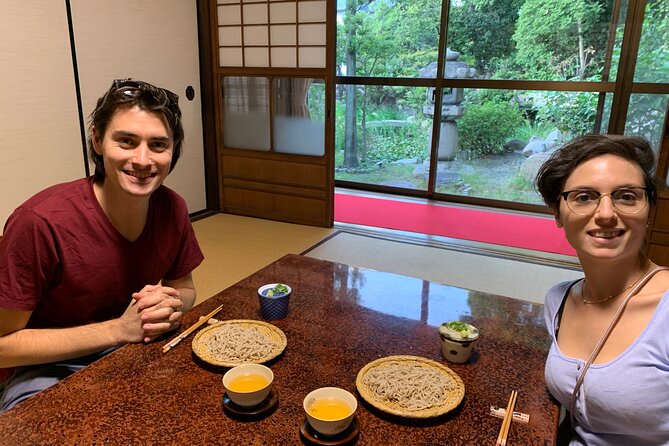
It also suits families or groups who like structured experiences. Reviews describe it as peaceful and fun, with a warm private feel.
You should think twice or choose another option if:
- buckwheat causes allergy problems for anyone in your group
- you’re only interested in eating, not learning or making something
If you’re a foodie who already ate your way through Osaka’s big hits, this is a refreshing change. It’s slower. It’s hands-on. It’s memorable in a way a restaurant meal rarely is, because you create something you can replicate later.
Should You Book Making Soba Noodles at a Temple in Osaka?
I’d book it if you want a hands-on cultural experience that feels quiet and personal, with a guide who teaches well and even helps capture the moment. The combination of soba making, tasting your own noodles, and visiting the main hall and Buddha statue gives you more than one type of reward.
Skip it only if buckwheat is a problem for you or your group, since the ingredient is central. If you’re not dealing with allergies, and you can match the schedule window in good weather, this is a strong value for a private 2-hour class.
FAQ
How long is the soba-making experience?
It lasts about 2 hours.
Is this a private experience?
Yes. It is private, so only your group participates.
What’s included in the price?
Snacks are included, and you can sample the soba noodles you make.
What about buckwheat allergies?
Buckwheat is made from buckwheat flour, and the notes warn that some people may not be able to eat it due to allergies.
What happens if the weather is bad?
The experience requires good weather. If it’s canceled due to poor weather, you’ll be offered a different date or a full refund.
What is the cancellation policy?
You can cancel for a full refund up to 24 hours before the experience’s start time. If you cancel less than 24 hours before, the paid amount is not refunded.
More Tour Reviews in Osaka

Broth, Pleats and Second Helpings
Quieter Courtyards in Osaka
Latest out of Osaka


Osaka Temple & Shrine Visits, side by side.
 ★ 4.9Osaka: Minoh, Katsuoji Temple, & Minoh Falls Full-day TourFrom $135172 reviews
Full Day Kyoto Tour : Bamboo Forest, Golden Temple, Fushimi InariFrom $10584 reviews
 ★ 4.9Osaka Temple Cool Foot Bath & Matcha Experience〈45min〉From $3482 reviews
 ★ 5.0Osaka: Mind & Spirit Balance Temple Reiki HealingFrom $16141 reviews
 ★ 4.0Katsuo-ji Temple, Arashiyama Forest, & Nara ParkFrom $9137 reviews
 ★ 4.7Osaka: Minoh Waterfall & Katsuo-ji Temple Half-Day TourFrom $4727 reviews
 ★ 5.0Osaka Half-day E-bike Adventure: Minoh Falls & Katsuoji TempleFrom $3425 reviews
 ★ 5.0Osaka Temple Head Spa &Matcha Facial – Refresh & Glow〈90min〉From $14124 reviews
Also worth a look in