
Zen relaxation in Osaka starts quietly. This temple setting turns a full-body Japanese massage and matcha facial into something calmer than a standard spa visit. I especially like how the session mixes hands-on bodywork with small culture moments like a tea ritual.
Two things I’d call out right away: the bamboo stick fascia release is a distinctive touch (made to ease deep tightness), and the matcha-based facial plus head spa leaves you feeling noticeably reset. One thing to consider: this experience is mostly about treatments and ritual time, not a long, sightseeing-style temple tour, so plan other Osaka sights separately.
Key highlights
- Temple calm in Osaka, with staff welcoming you in traditional kimonos
- Yukata option plus a complimentary photo (and you may also get small videos)
- Foot bath, oil massage, and bamboo fascia release for full-body tension relief
- Matcha facial and a head spa focused on stress melting and skin nourishment
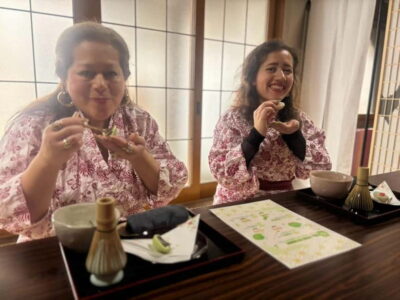
- Tea ceremony with traditional Japanese sweets, including a hands-on matcha moment
A temple-based reset in Osaka, not a rushed spa stop
If you want a break from Osaka’s speed and noise, this is a smart choice. You’re stepping into a calm, temple-like environment for a structured 180-minute course that feels like a ritual, not a checklist. The vibe is quiet, the pace is slow, and the focus is on how your body feels after each step.
What makes it especially appealing is that the relaxation builds in layers. You start grounded with a foot bath, then your body gets full attention with an oil massage and fascia release. After that, the experience shifts upward to the head and face, finishing with a tea ceremony that gives your nervous system one more signal to wind down.
The group stays small, with a maximum of 3 travelers. That matters. It usually means you get more personal handling and smoother transitions between parts, instead of feeling like a product in a lineup.
Quieter courtyards nearby
Kimonos, yukata, and the welcome ritual you can actually feel
You arrive to a warm greeting from staff dressed in traditional kimonos. From the start, the experience leans into Japanese etiquette, which helps you relax faster. If you like little details that make a moment feel real, this place delivers.
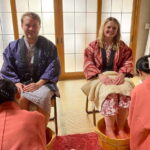
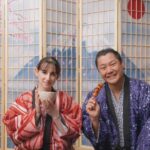
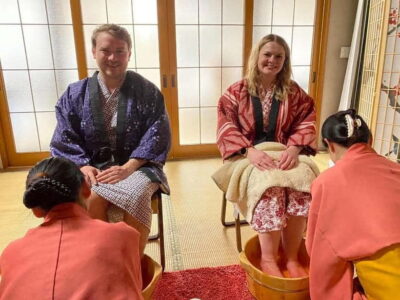
You also get the option to wear a yukata. In many spa settings, you stay in your own clothes the whole time. Here, changing into a yukata makes the whole session feel like part of the temple experience, not just an appointment. You’ll also receive a complimentary photo to capture the moment, so you leave with more than just sore muscles releasing tension.
Another thoughtful touch is how you’re oriented. Staff explain the temple’s history and origins and cover basics of worship, using guidebooks. Even if you’re not chasing deep religious knowledge, it helps to know what you’re seeing and how to behave, which makes the setting feel respectful rather than confusing.
Foot bath, aroma oil massage, and bamboo fascia release
The first body step is the foot bath. It’s not filler. Warming up your feet helps you settle in, and it also makes the rest of the session feel more comfortable right away. If you’ve been walking around Osaka, this is a nice reset before anyone touches your back or shoulders.
Next comes the oil massage. You can choose from your preferred essential oil, which is a practical way to control the mood. Aroma matters during relaxation. When the scent fits you, the massage feels more calming and less clinical. It’s also one of those small choices that makes you feel taken care of.
Then you get the fascia release using a bamboo stick. This is one of the most distinctive parts of the course. The goal is to ease deep tightness by working into the connective tissue. If you’ve never had fascia-style work, keep expectations realistic: it should feel targeted, not random. If you prefer gentler pressure, you can still enjoy the technique, but you should communicate your comfort level early.
One more reason this segment works well for real life: it’s full-body. You’re not just getting a shoulder-and-back fix. The program is built to loosen tension throughout, which often helps headaches, stiff neck feelings, and that travel-worn body feeling that builds after trains, stairs, and long days.
Matcha facial and head spa: stress relief with a visible payoff
After the bodywork, the experience moves into the face and scalp zone, which is a smart sequence. Your neck and head hold a lot of stress, especially if you’ve been sightseeing and reading menus in a second language. The massage and fascia release do the groundwork, then the facial and head spa help you finish the job.
The facial uses high-quality matcha. Matcha is often associated with tea and wellness, but in this session it’s specifically for skin nourishment. You get a facial pack treatment alongside the rest of the routine, so it’s not only a quick cleanse-and-go. Your skin should feel more comfortable after, especially if you’re dealing with dryness from air-conditioning or changing weather.
Then comes the head spa. This is where a lot of people feel the biggest immediate drop in stress. The attention shifts to your scalp, which can ease the tight, boxed-in feeling that shows up from long days of walking and screens. When your head feels looser, everything else tends to follow.
One of the best parts is how these steps complement each other. The oil massage relaxes larger muscle groups, the fascia release helps with deeper tension patterns, and then the head and facial work gives you that finishing touch. It’s a full-body to face-to-head flow that feels intentional.
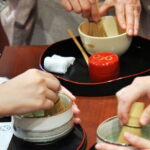
Tea ceremony and sweets, plus the matcha learning moment
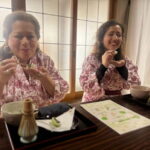
Finishing with tea makes the whole experience feel complete. Instead of leaving right after the massage, you slow down again with a traditional tea ceremony and traditional Japanese sweets. Tea ceremonies are often treated like a cultural add-on. Here, it works as a cooldown, helping you transition from relaxed to ready to re-enter the city.
You also get a matcha-focused experience. Some versions include a matcha making moment as part of learning about matcha, and you’ll get education through the session itself. Even if you already like matcha, it’s fun to connect the drink to what you experienced earlier in the facial routine.
The practical value is big. When you finish with tea, you’re not rushing to eat immediately, and you don’t feel like you’ve been “worked on and dumped back out on the street.” It’s a graceful ending, and it helps the relaxation last longer into the evening.
Longer soaks and slower mornings

The yukata photo souvenir and why it feels worth it
Yes, you get a complimentary photo in your yukata. That alone is nice, but the better point is the quality of memory. Many Osaka experiences give you a ticket and a stamp. This one gives you a visual reminder tied directly to the experience, which makes it easier to relive later.
In particular, the staff handle the photo moment thoughtfully. Some participants also mention small videos being captured as part of the experience. You’re not stuck trying to pose awkwardly while still relaxed. Someone guides the moment, then you can focus on enjoying it.
If you’re traveling solo, this is especially valuable. One of the hardest parts of solo travel is getting decent photos without turning your trip into a selfie exercise. This takes that pressure off you.
How I’d judge the value of $260.61 for a half-day reset
At about $260.61 per person, this isn’t a budget massage. But it’s not just a 60-minute rubdown either. You’re paying for a multi-part experience that includes a foot bath, full-body oil massage with aroma selection, fascia release with a bamboo stick, a matcha facial pack, a head spa, and a tea ceremony with sweets, plus a yukata photo.
That lineup matters because you’re getting continuity. The same staff team typically carries you through the sequence, which keeps the experience smooth. With massages that only cover the body, you often leave before your head and face feel fully reset. Here, the facial and head spa help you feel whole at the end.
The small group size also boosts value. A maximum of 3 travelers can mean more attention and a calmer pace, and that affects how relaxing the experience feels. The fact that it’s often booked around 49 days in advance also suggests demand, meaning you’ll want to plan rather than hope for last-minute availability.
If you compare it to piecing together separate activities, the price starts to make more sense. You’re effectively buying a curated half-day of relaxation plus cultural ritual in one package, rather than juggling multiple bookings.
Who should book this temple massage experience
This is a great match if you want relaxation with a Japanese flavor, not just generic spa services. You’ll enjoy it most if you like:
- Full-body massage and hands-on tension release
- Matcha-based skincare and a head spa focus
- Calm settings where you can slow down after busy days
It’s also a good fit for travelers who value organization. You know what’s coming next, and the pace stays steady from foot bath to bodywork to tea. If you tend to get overwhelmed by too many options in a new country, this kind of structured experience can feel comforting.
Where it might not fit is if you want a long, sightseeing-heavy temple day. This is not positioned as a big walking tour. The temple orientation happens through brief explanations and guidebook-style worship guidance, then the focus returns to massage, facial care, and tea.
Practical tips so you enjoy it even more
A few small habits can make your experience smoother.
First, come a bit prepared to relax. If you’ve been racing around Osaka, give yourself time to settle before the appointment. The foot bath starts the calm process, but your body also needs a moment to stop bracing.
Second, be ready to choose your essential oil. If you have strong fragrance preferences, think ahead. Some scents feel comforting, others can be distracting, and you’ll get the most from the aroma massage if it suits you.
Third, on fascia release with the bamboo stick, communicate your comfort level. Since the technique targets deep tightness, pressure preferences matter. You do not need to force through discomfort to get results.
Finally, wear comfortable clothing around it. You’ll be changing into a yukata, and you want to feel comfortable before and after. Plan to stay relaxed after the tea ceremony, so you can actually enjoy the afterglow.
Should you book this Osaka temple massage experience?
If you want a true relaxation-focused experience that also feels culturally grounded, I’d book it. The combination of bamboo fascia release, a matcha facial, a head spa, and a tea ceremony with sweets is a rare mix in one half-day, and the small group size helps it feel personal and quiet.
I’d skip it only if your priority is temple sightseeing and history walking. This is more about body reset and ritual calm than about checking off viewpoints. If your goal is stress relief with Japanese care, this is one of the more satisfying ways to spend a few hours in Osaka.
FAQ
How long is the Zen Japanese Massage, Head Spa & Facial experience?
The experience runs about 3 hours 30 minutes, with an included 180-minute course that covers the full sequence of treatments and the tea ceremony.
What’s included during the session?
You’ll get a welcome, an option to wear a yukata and a complimentary photo, a foot bath, an aroma oil massage, bamboo stick fascia release, a matcha facial treatment, a head spa, and a traditional tea ceremony with sweets.
Will I wear a yukata?
Yes. You have the opportunity to wear a yukata during the experience.
Is there a tea ceremony at the end?
Yes. The program includes a traditional tea ceremony, along with traditional Japanese sweets.
What massage techniques are used?
The bodywork includes an oil massage with your preferred essential oil, followed by fascia release using a bamboo stick. The course also includes a soothing head spa.
How many people are in a group?
The maximum group size is 3 travelers.
What is the cancellation policy?
Free cancellation is available up to 24 hours in advance for a full refund. If you cancel less than 24 hours before the start time, the amount paid is not refunded.
More Tour Reviews in Osaka

Slower Mornings in Osaka
Quieter Courtyards in Osaka
Latest out of Osaka


Osaka Temple & Shrine Visits, side by side.
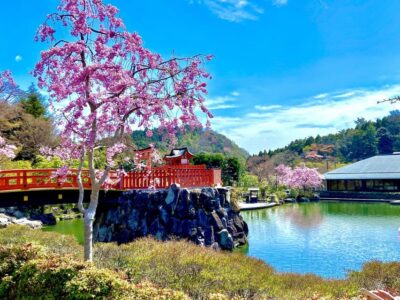 ★ 4.9Osaka: Minoh, Katsuoji Temple, & Minoh Falls Full-day TourFrom $135172 reviews
Full Day Kyoto Tour : Bamboo Forest, Golden Temple, Fushimi InariFrom $10584 reviews
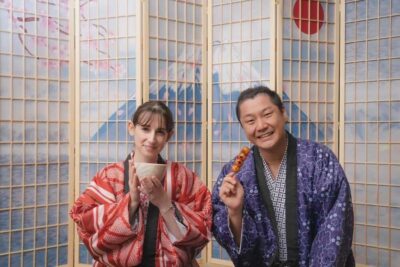 ★ 4.9Osaka Temple Cool Foot Bath & Matcha Experience〈45min〉From $3482 reviews
 ★ 5.0Osaka: Mind & Spirit Balance Temple Reiki HealingFrom $16141 reviews
 ★ 4.0Katsuo-ji Temple, Arashiyama Forest, & Nara ParkFrom $9137 reviews
 ★ 4.7Osaka: Minoh Waterfall & Katsuo-ji Temple Half-Day TourFrom $4727 reviews
 ★ 5.0Osaka Half-day E-bike Adventure: Minoh Falls & Katsuoji TempleFrom $3425 reviews
 ★ 5.0Osaka Temple Head Spa &Matcha Facial – Refresh & Glow〈90min〉From $14124 reviews