
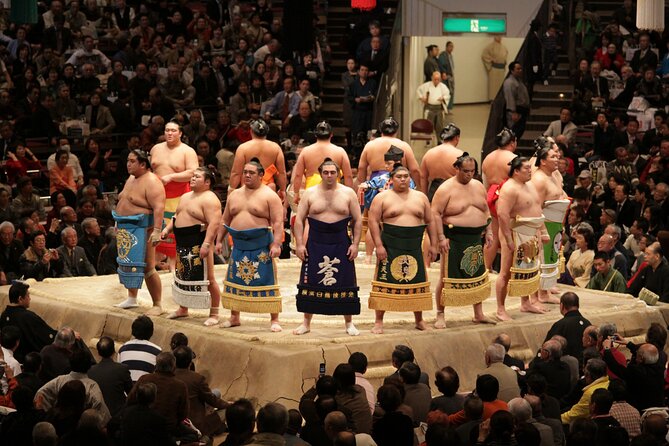
REVIEW · OSAKA SUMO & TAIKO DRUMMING SHOWS
Sumo Wrestling Tournament Chair Seats & Expert Guide | Osaka Mar
Sumo is loud, ritual-heavy, and surprisingly logical once it is explained. This 4-hour Osaka experience pairs A-Class front 1 to 2 row chair seats with a professional guide in a small group of up to 5, so you are not just watching, you are understanding what you are seeing.
I like two things most. First, the seating setup is chair-based, so you do not have to sit in seiza, which makes a big difference for comfort. Second, the guide experience is the real value, since a guide gives exclusive context on sumo history and rules while you stay seated close to the action.
The main drawback to consider is timing. The session runs on a fixed schedule from 14:00 to about 18:00, and the tour time cannot be changed, so you are planning your day around the tournament program.
Key Points You Should Know
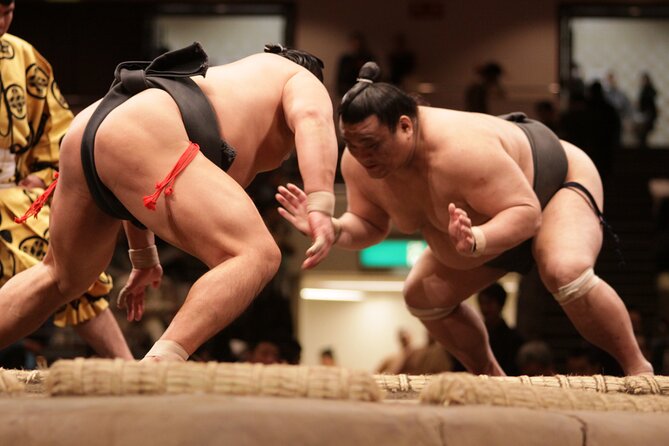
- Front 1 to 2 row A-Class chair seats in Edion Arena Osaka, built for easier viewing without seiza
- Small-group setup (up to 5 guests), with the guide sitting with you so you can ask questions
- Nakabi ceremony viewing around 15:40, seen from your seats before the strongest bouts
- Highlight window from 16:00 to around 18:00, when TV broadcasts begin and major matches ramp up
- Eating and drinking are allowed at your seat, so you can watch without constantly changing locations
- Included extras: original sumo guidebook and tour photos, to help you remember what you learned
Front-Row Views at Edion Arena Osaka, Without the Leg Pain
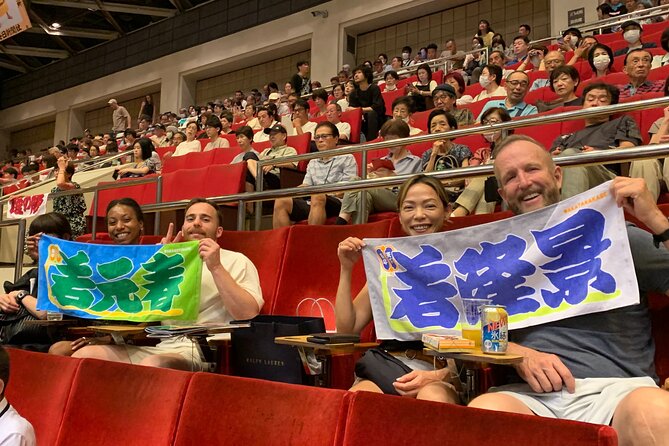
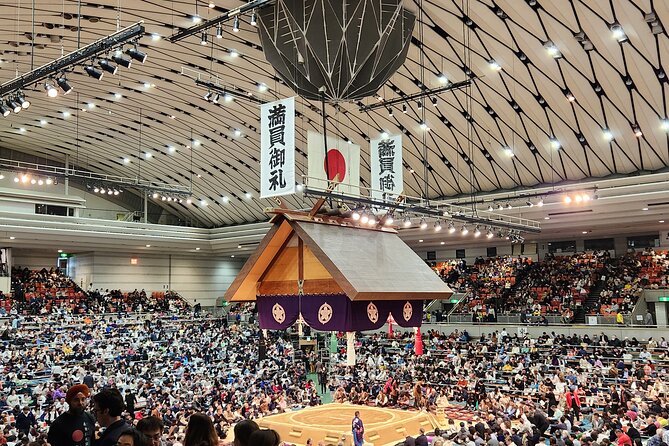
Edion Arena Osaka is the kind of place where the scale hits you fast. You are looking over a wide arena, and the tour is designed so you spend your time watching instead of figuring out where to stand. The big win is the seat category. You get A-Class seats, front 1 to 2 rows, which means you are close enough to read the energy in each bout, not just the result.
The chairs are described as S-seat chairs on the second floor, with a panoramic view across the venue. That second-floor perspective can be ideal for sumo, because you see the full ring, the movement, and the body language of the wrestlers as they reset between bouts. You also get one practical comfort point that many first-timers will care about: no seiza. It is one less physical hurdle, especially if you are not used to kneeling for long periods.
Another smart detail is that the seating area cannot be specified. This is worth noting, because it means you should not expect to pick a corner or a specific side. Still, the front-row A-Class placement is the priority, and that is what you are paying for. If you want a simple, comfortable way to watch sumo well, this setup fits.
More days handed over to a local
How the 14:00 to 18:00 Program Hits Its Best Moments
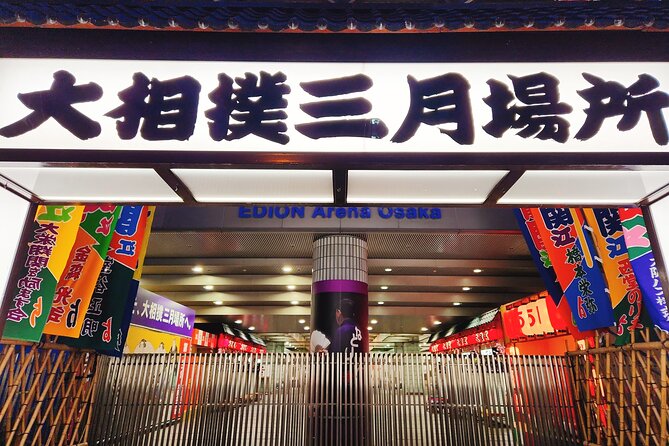
This is a half-day tour in a tight window: you meet at 14:00 and the experience runs until around 18:00, approximately 4 hours. You gather at the front of Edion Arena Osaka, and the meeting point details are provided a couple of days ahead, so you can go in prepared and not wander around the venue.
Once you enter, you go to your seats and then you are free to move around. That freedom matters. Even with great seats, sometimes you want a quick look at the venue spaces, or you want to use the time before the main run of bouts to get your bearings.
The program timing is built around the tournament’s rhythm. The most important viewing starts in the mid-to-late portion of the session. The major matches are described as running from about 15:40 to 18:00, which lines up neatly with what you will likely feel in the arena: the early pacing gives way to the big-name bouts.
Also note the fixed format. This is a guided group session, so it cannot be reshuffled. If you are traveling with someone on a strict schedule, plan their day so the whole 14:00 to 18:00 window is protected. It is the difference between a smooth experience and a rushed one.
The Nakabi Ceremony Around 15:40, and Why You Should Care
Around 15:40, you will watch the nakabi, a ceremony that happens before particularly strong sumo wrestlers begin competing. Even if you only know sumo from highlight clips, this part changes your understanding. Nakabi is not just a warm-up. It is part of the formal flow that surrounds the bouts, and it helps you see how much sumo is about order, presentation, and tradition.
Watching it from your seats means you do not have to guess where the action will be. You are already positioned for the main matches, so the ceremony becomes a focused moment rather than an awkward scramble. From the front rows, you can also pay attention to how the atmosphere shifts as the strongest wrestlers are set to start.
If you are a first-timer, this ceremony is a great bridge between spectacle and meaning. You learn why people treat these events with such seriousness, and why the arena has its own tempo. If you already know sumo basics, it is still a useful checkpoint that makes the later bouts feel more connected to the ritual around them.
Your Guide Makes Rules and Culture Understandable
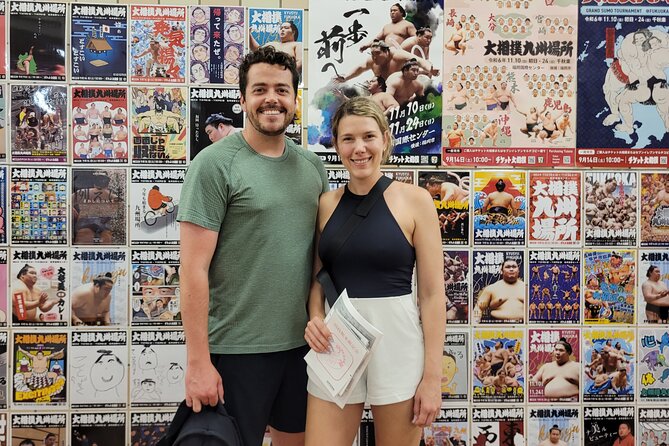
A good sumo seat gets you close. A great guide gets you oriented. This experience leans hard into the guide part. A professional guide sits with you, and you can ask anything if you have questions or concerns. That matters because sumo has rules and customs that are not obvious at first glance, especially if you are hearing commentary in Japanese and trying to map it to what you are seeing.
The guide focus is described as “exclusive insights” into sumo’s history and rules. That sounds broad, but it is exactly what you want. You do not need a 30-page lecture while the wrestlers are warming up. You need the key pieces that let you interpret what happens between bouts: why rituals happen, how matchups work in the tournament structure, and what certain moments mean.
The most praised element in feedback is that guides personalize the experience and make the nuances click. Guides named Yuki and Mai-san were highlighted for being friendly and for explaining the sport in a way that felt clear while you watched. If you are the kind of person who likes to understand the why, you are going to appreciate that approach.
One more practical plus: your guide is not just talking. There is time in the experience for venue exploration, and in at least some sessions the guide helped guests fit in the museum and gift store areas. If that is your thing, it is a simple way to deepen your visit without turning your day into a self-guided scavenger hunt.
What You Get for $182: Seats, Guidebook, and Photos
At $182 for about 4 hours, the price may look steep until you break down what you are buying. Here you are not paying for a vague “cultural show.” You are paying for a specific seat placement in the front 1 to 2 rows in the A-Class category, plus the guide and included materials.
Here is what is included:
- A-Class ticket (front 1 to 2 row)
- Original sumo guidebook
- Professional guide
- Tour photos
And here is what is not listed as included:
- Snacks
- Private transportation
The guidebook and photos might seem small, but they add up. Sumo matches move fast and you see a lot in a short time. Having photos helps you review moments later, and a guidebook can turn what you saw into something you can remember accurately, instead of a blur of belt grips and smoke-like drama.
Value-wise, the biggest reason this feels worth it is the combination: front-row access plus explanation in real time. If you only got the ticket, you might still enjoy the show, but you would likely miss a chunk of meaning. If you only got a guide, you would still want better seating. This pairs both, and that is the pricing logic.
If you are on a budget, you can still make this work by comparing it to self-booking tickets and then adding the cost of being confused in a big venue. The guide removes the guesswork, which saves time, frustration, and second-guessing.
More drums, more ring
Logistics That Matter: Seats, Timing, and One-Day Re-Entry
This tour is built around a single venue stop, Edion Arena Osaka. You meet at the venue and return there at the end. Re-entry is described as possible once per day. If you need to leave the venue, you should inform the guide.
That last point is important. In practice, it means you should not treat this like an open-ended walk-around. The tour’s value comes from staying together and staying on schedule through the ceremony and into the highlight matches.
Also pay attention to seat selection constraints. The seating area cannot be specified, so you should expect the tour operator to place you appropriately based on ticket category and availability. For most people, that is fine because the category is what you are buying, but it is good to know that you are not customizing your view.
Finally, the session time is fixed. The tour description is clear that the session time cannot be changed. If your day already has other commitments, I suggest blocking off enough time beforehand to arrive calmly. Getting stressed and rushing at the start is the easiest way to ruin a great sports experience.
Should You Book This Osaka Sumo Chair Seat Tour?
I think this is a strong booking if you fit one of these profiles:
- You want front-row sumo viewing without seiza and without spending time figuring things out in the arena
- You are a first-time sumo viewer who wants rules and context while you watch
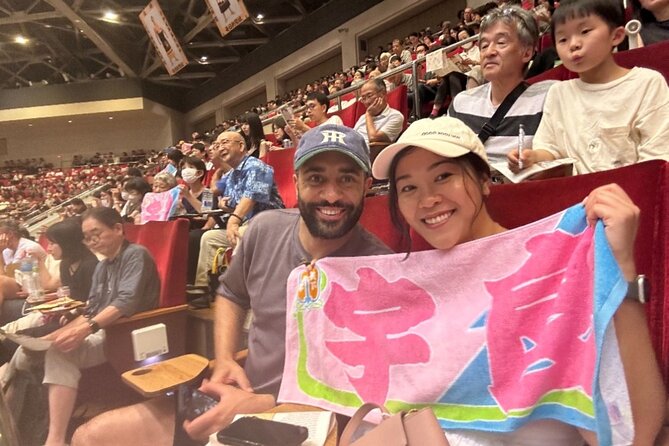
- You like small group tours, where you can ask questions and get answers in the moment
I would skip it if:
- You hate fixed schedules and need flexibility
- You are mainly interested in self-exploration and do not want a structured guided session
- You are sensitive to the idea that seating area cannot be chosen, even if the category is front-row
If you want the most “I get it now” experience with the least hassle, this is one of the better ways to see sumo in Osaka. The combination of A-Class front seating and a guide who explains the sport is the whole point, and it is what makes the day feel like more than just a ticket.
FAQ
What time does the sumo experience start and end?
The tour session runs from 14:00 to about 18:00 (approximately 4 hours).
Where is the meeting point?
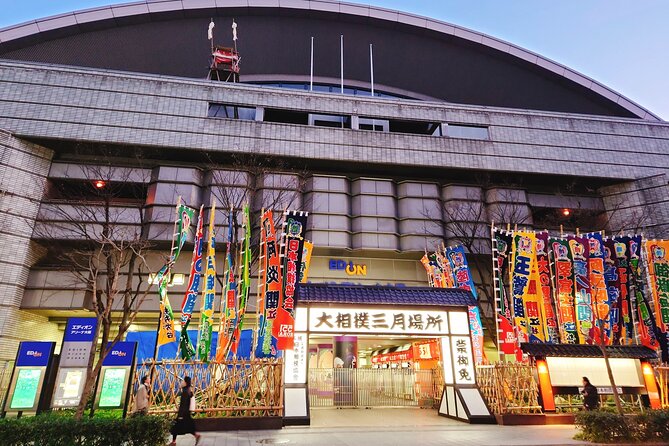
You meet at Edion Arena Osaka, located inside Osaka Prefectural Gymnasium in Naniwa Ward.
What seats will I have in the arena?
You get an A-Class ticket with front 1 to 2 row seating. The seats are described as S-seat chairs on the second floor, with a panoramic view. The seating area cannot be specified.
Do I need to sit in seiza?
No. The experience uses chair seats, so there is no need to sit in seiza (kneeling position).
Are snacks included?
Snacks are not listed as included. Eating and drinking at your seat is allowed.
Is it free to cancel?
Yes, free cancellation is available. You must cancel at least 24 hours before the experience start time for a full refund. If you cancel less than 24 hours before, there is no refund.
More Tour Reviews in Osaka




A Night at a Osaka Show



Hand the Day to a Local




Latest out of Osaka


Osaka Sumo & Taiko Drumming Shows, side by side.
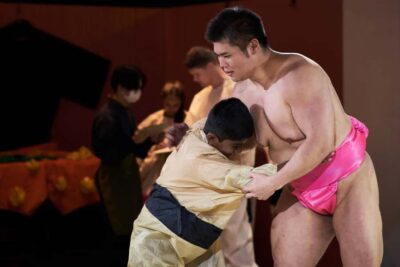 ★ 4.5Osaka: Sumo Show & Experience w/ Optional Kimono & Hot PotFrom $77609 reviews
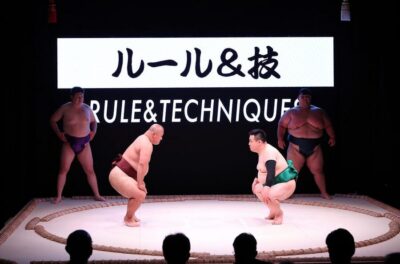 ★ 4.3Osaka: Sumo Stage Show with Bento or Snack + Fight & PhotoFrom $93364 reviews
 ★ 4.9Osaka: UTAGE Japanese Taiko Live ShowFrom $40167 reviews
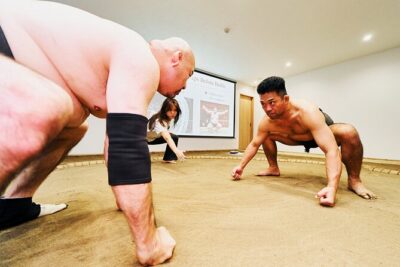 ★ 5.0Osaka Sumo Experience with Live Show and Audience ChallengeFrom $55162 reviews
 ★ 4.8OSAKA NIGHT FUSION Japanese Taiko Kabuki Samurai Dance ShowFrom $40155 reviews
 ★ 5.0Osaka: UTAGE Modern Japanese Taiko Live ShowFrom $1981 reviews
 ★ 4.5Osaka: A Modern Samurai, Kabuki, Taiko, & Dance ShowFrom $1966 reviews
 ★ 4.2Osaka:SUMO BEATS SHOWCASE: Taiko Drum and Wagyu burger!From $6737 reviews
Also worth a look in