
REVIEW · OSAKA SUMO & TAIKO DRUMMING SHOWS
Sumo Tournament Experience in Osaka
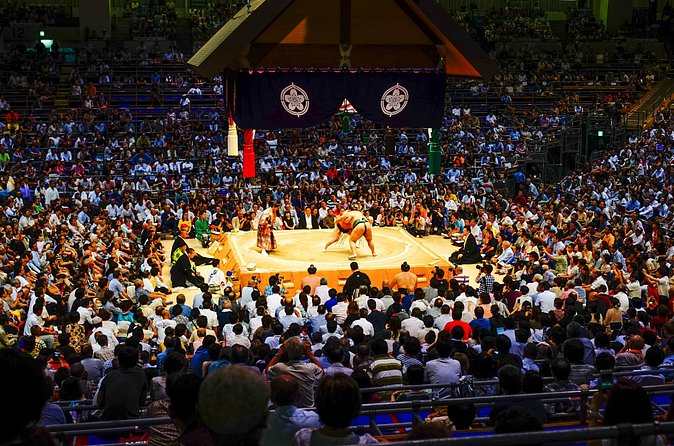
Sumo is louder up close. I love that this Osaka tour combines English explanations with reserved seating at the March Grand Sumo Tournament, so the rules make sense while you watch. I also like that you get a banzuke-hyo (rankings table) and a local sumo guide who brings the traditions to life, from ritual salt to how wrestlers enter and compete.
One thing to plan for: you may face a wait before you can sit, because the group enters after the matches end, and the area around the Sumo Museum can get crowded.
Key things to know before you go
- March-only Osaka basho: This experience runs for the Osaka tournament held once a year, in March.
- Reserved seats with chair seating: Standard B- or C-class seats usually balance view and price, and binoculars are recommended.
- Audio headset included: You hear the guide clearly, not strained through stadium noise.
- Rituals and ranks are part of the show: Expect explanations around purification rituals like salt and the included banzuke-hyo rankings table.
- Optional chanko dinner: You can add a chanko hot pot dinner, with sukiyaki or vegetarian options by request.
- Group size stays manageable: Up to 24 people, with a minimum of 15 needed to operate the tour.
Osaka’s March Grand Sumo: what you’re really buying
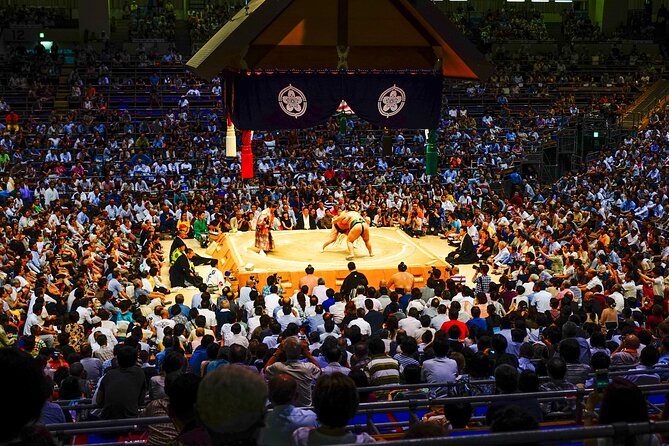
If you’re thinking sumo is just watching big guys shove each other, this tour helps you see the sport’s structure. Sumo is a Japanese martial art with centuries of strict rules and traditions, and that discipline is the heart of why matches are so compelling. Even if you’ve never watched a bout, you’ll get context fast.
The timing matters too. In Japan, the official tournaments run six times a year, and the Osaka one happens in March. So this experience is for that specific window, at EDION Arena Osaka, during the official basho days.
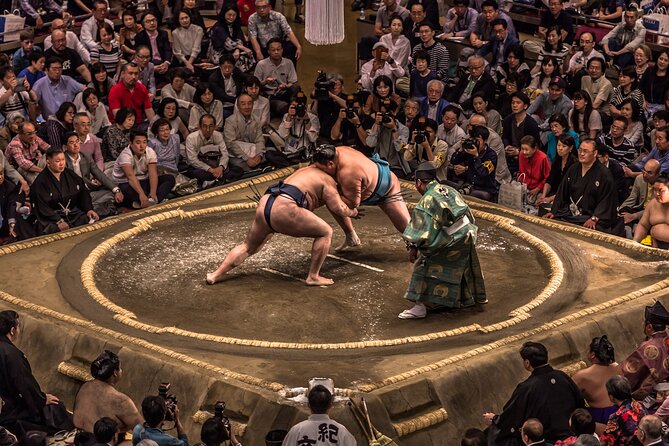
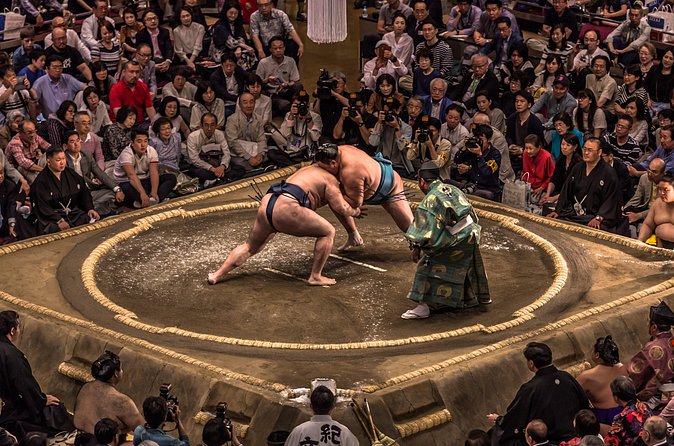
I also like the way this tour frames sumo culture beyond the ring. You’re not just shown where to sit. You learn the meaning behind traditions, including ritual purification with salt, and how wrestlers live and train in communal heya settings where daily life is tightly structured.
More drums, more ring
Pricing and seat value at EDION Arena Osaka
The listed price is $142.40 per person for a group tour that lasts about 4 to 5 hours total. That’s not a bargain ticket from the budget bin. You’re paying for reserved seating, an admission ticket handled through the operator, and the services that make it enjoyable in English: a local sumo expert plus an audio headset.
Here’s how the seat levels translate into real viewing value:
- Basic: D-class seats in the upper corners, full view of the ring but farther away. Binoculars are recommended.
- Standard: B- or C-class seats in the main arena area with chair seating. Binoculars are still recommended for the best experience.
- Premium: A- or S-class seats closest to the ring for the most immersive view.
If you’re going to spend your time at a sumo tournament, I’d treat seat class like buying better sound for a concert. Your eyes do most of the work. Standard seats tend to be the sweet spot when you want atmosphere plus a strong view without paying for the very front.
One more value note: the tour includes practical extras many DIY visitors miss. You get a pamphlet, a banzuke-hyo rankings table, and an audio headset so you can focus on the guide’s commentary instead of constantly asking your group what was said.
The 2:00 pm meeting and what happens before you sit
The experience starts at 2:00 pm, near public transportation. The tour is designed for a group of up to 24 people, and the operator sets everything up around getting the ticketing and seating process done smoothly.
But plan your attitude for this part of the day: you can expect a wait prior to seating. The group needs to enter the arena only after sumo matches end. That means you might be standing around for a bit, watching the day unfold from the waiting stage instead of immediately taking your seat.
Also, the Sumo Museum area can become congested. If that area gets busy, your guide may ask you to visit on your own because a large group is hard to move through crowded space. That’s not a bad thing. It’s a time-management tradeoff. If you want the museum experience, go with a flexible mindset.
If you like structure and clear guidance, this tour is built for that. It uses audio headsets so your attention can stay on the action and the explanations.
Entering the stadium and getting the match context
One of the best parts is what happens right at the start. Before you settle in for the bouts, you get to cheer on and greet the most famous sumo wrestlers as they enter the stadium for their big match moment.
This matters more than it sounds. Those entrance moments set the tone. With the guide’s explanations running through your headset, you’ll know what you’re seeing and why it matters, rather than just watching pageantry.
Inside, you’ll get reserved seats in either B- or C-class chair seating for the standard option, with a strong view of the ring and atmosphere. Even in upper seating, the arena is compact, so you can still follow the action. The bigger question is whether you can comfortably track body language and techniques. That’s why binoculars are recommended, especially if you choose Basic D seats.
Traditions you’ll actually understand, salt to ranks
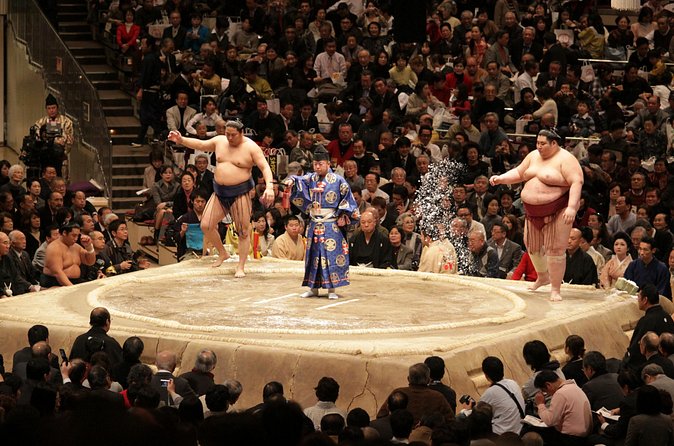
Sumo has a strict look to it: routines, gestures, and rules that can feel confusing if you only catch a random bout. This tour’s strength is how it connects those traditions to what you’re watching.
Expect explanations around ritual elements, including salt purification. The guide covers why those traditions exist and what they signal before competition. That helps you interpret the pre-bout atmosphere as more than ritual for ritual’s sake.
You also get the banzuke-hyo, a table of rankings. Even if you’re not memorizing names, having the ranking context in front of you changes the viewing experience. You start noticing who is higher ranked and what the matchup might mean within the structure of sumo competition.
And because you’re wearing an audio headset, the guide’s pacing fits what’s happening in the arena. You’re not trying to read a pamphlet while everyone else is watching the ring. The commentary fills the gaps.

How the guide improves the action (and makes it feel fair)
A big part of the value here is the English-speaking local sumo expert. This is not generic cultural narration. The operator notes the guide is an expert in sumo wrestling, and that shows in how explanations connect to what you see in the ring.
In one standout review, the guide name Yuka gets mentioned as easy to find next to the arena, and described as easy-going, informative, and happy. That kind of energy matters in a sport with lots of etiquette. It keeps the day moving and makes the rules feel approachable instead of heavy.
Also, the guide’s job is partly translation and partly interpretation. You’ll get help around what to look for during bouts and how to understand match rhythm. When you can follow the logic of what’s happening, the intensity of sumo becomes way more fun.
Optional chanko nabe dinner, plus sukiyaki and vegetarian requests
If you choose the dinner option, you’ll go to a local chanko hot pot restaurant. Chanko nabe, sometimes called sumo stew, is described as a hot pot with chicken stock as the soup base, along with vegetables and other ingredients. The tour also notes chanko originated in the Ryokoku area and that sumo wrestlers are known for eating a lot of it because you can cook a lot at once.
This is one of the easiest ways to extend your day beyond the arena. You get a taste of what wrestlers eat, and the meal fits the theme of training life and tradition.
The operator also offers dietary options:
- Sukiyaki option is available upon request
- Vegetarian option is available upon request
You need to request these at least one week in advance. The tour notes that traditional chanko broth is typically made with pork or chicken, but the restaurant may substitute the broth for vegetarian needs.
One practical detail: if you add dinner, the default meal is chanko nabe without drinks. So if drinks matter to you, confirm your plan during checkout. Also note that once the dinner request is accepted, changes can’t be made within one week of the tour date.
Practical timing, crowds, and how to make the day easier
Here’s how I’d set yourself up for a smooth experience based on what the tour format implies.
First, arrive early. The tour asks you to be at the location at least 10 minutes before the designated meetup time. You might think that’s fussy, but the tour is group-based and depends on everyone being present before it moves to the next portion. If you show up late, the group may start without you, and you’ll need to meet them at the next location using the guide’s phone number.
Second, expect waiting. Seating can involve a delay until all sumo matches end. This is normal tournament flow, not a tour failure. Bringing a calm attitude helps.
Third, plan for congestion. The Sumo Museum area may become congested, and the guide might send you to explore on your own because a large group can be hard to manage in tight space.
Fourth, follow food rules. No outside food or drinks are allowed in the arena. Food is available for purchase from vendors inside. If you want snacks, plan to buy them there. This matters if you’re sensitive to hunger during a long sit-and-watch event.
Who should book this sumo tour in Osaka
This tour is a great fit if you:
- Want to watch sumo at EDION Arena Osaka during the March tournament and don’t want to figure out the details alone
- Care about understanding traditions, not just the match outcome
- Prefer English commentary with a local expert and clear audio through headsets
- Like the idea of reserved chair seating, with binoculars recommended depending on seat class
- Might add dinner to taste chanko nabe, a food tightly linked to sumo culture
It may be less ideal if you:
- Want zero waiting and zero group logistics. There can be delays before seating.
- Are extremely budget-focused. The price reflects the guide, reserved seating, and included ticket service.
- Need hotel pickup. This tour does not include pickup or drop-off, so you’ll handle your own transit to the meeting area.
Should you book the Sumo Tournament Experience in Osaka?
If your dates line up with March, I’d say it’s worth serious consideration. This isn’t a casual attraction. It’s a once-a-year Osaka event, and the tour gives you the kind of context that turns sumo into something you can follow and enjoy.
Book it if you want reserved seats, an expert English guide, and built-in tools like the audio headset and banzuke-hyo. If you want the full experience of sumo culture, the optional chanko dinner can also make the day feel complete.
Just make sure you’re comfortable with the real-world rhythm of tournaments: a wait before you sit, possible congestion near the museum area, and arena rules like no outside food.
If you like disciplined sports with ritual and rules, this is a smart way to watch sumo without getting lost in translation.
FAQ
When does the Osaka sumo tournament tour run and where do I meet?
The experience is tied to the March Grand Sumo Tournament in Osaka and meets at EDION Arena Osaka. The start time is 2:00 pm.
How long is the Sumo Tournament Experience in Osaka?
It runs about 4 to 5 hours total, and the official basho tournament portion is described as a 4-hour experience.
What’s included with the ticket and seating?
You get an English-speaking tour guide, a sumo information pamphlet, an audio headset, and admission to the tournament. Reserved seat tickets are included (seat type depends on the option you select), along with a banzuke-hyo (rankings table) and reserved-seat seating as chosen.
What seat options are available?
There are three options: Basic D-class seats in the upper corners (binoculars recommended), Standard B- or C-class seats in the main arena area (binoculars recommended), and Premium A- or S-class seats closest to the ring.
Is dinner included?
Dinner is optional. If you select it, you can have dinner at a local chanko hot pot restaurant. Sukiyaki or vegetarian options are available on request made at least one week in advance.
Can I bring outside food or drinks into the arena?
No. Outside food or drinks are not allowed in the arena, but food is available for purchase from vendors inside.
What if the tour can’t run or I cancel?
The tour requires a minimum number of travelers to operate. If it’s canceled because the minimum isn’t met, you’ll be offered a different date/experience or a full refund. If you cancel, the experience is non-refundable and cannot be changed.
More Tour Reviews in Osaka



A Night at a Osaka Show

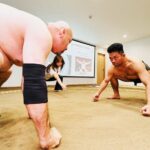


Latest out of Osaka


Osaka Sumo & Taiko Drumming Shows, side by side.
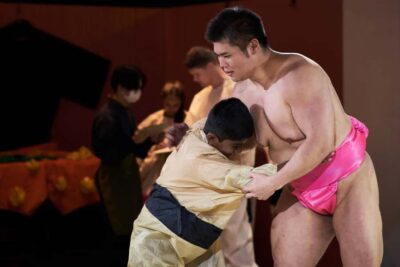 ★ 4.5Osaka: Sumo Show & Experience w/ Optional Kimono & Hot PotFrom $77609 reviews
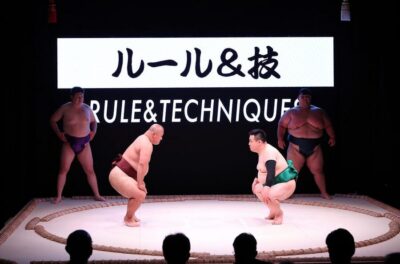 ★ 4.3Osaka: Sumo Stage Show with Bento or Snack + Fight & PhotoFrom $93364 reviews
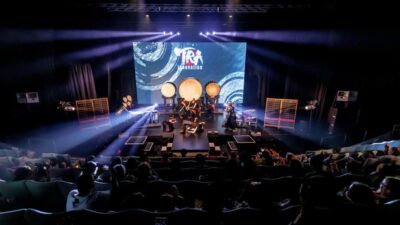 ★ 4.9Osaka: UTAGE Japanese Taiko Live ShowFrom $40167 reviews
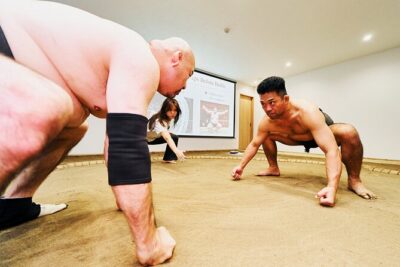 ★ 5.0Osaka Sumo Experience with Live Show and Audience ChallengeFrom $55162 reviews
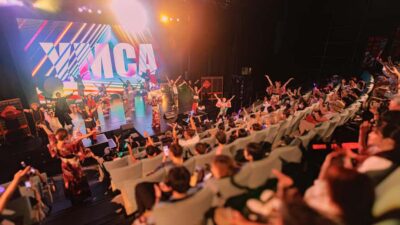 ★ 4.8OSAKA NIGHT FUSION Japanese Taiko Kabuki Samurai Dance ShowFrom $40155 reviews
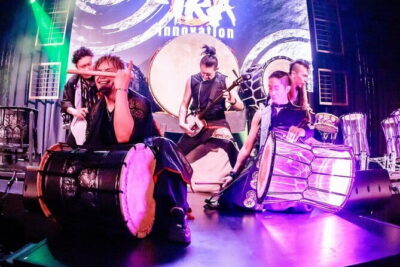 ★ 5.0Osaka: UTAGE Modern Japanese Taiko Live ShowFrom $1981 reviews
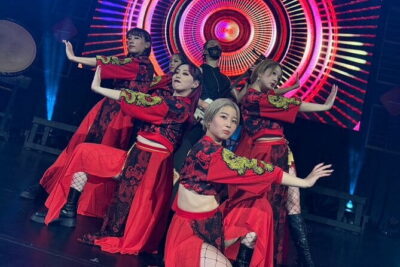 ★ 4.5Osaka: A Modern Samurai, Kabuki, Taiko, & Dance ShowFrom $1966 reviews
 ★ 4.2Osaka:SUMO BEATS SHOWCASE: Taiko Drum and Wagyu burger!From $6737 reviews
Also worth a look in