
REVIEW · OSAKA STREET FOOD CRAWLS
Osaka Street Food Adventure: Taste Local Flavors with Guide
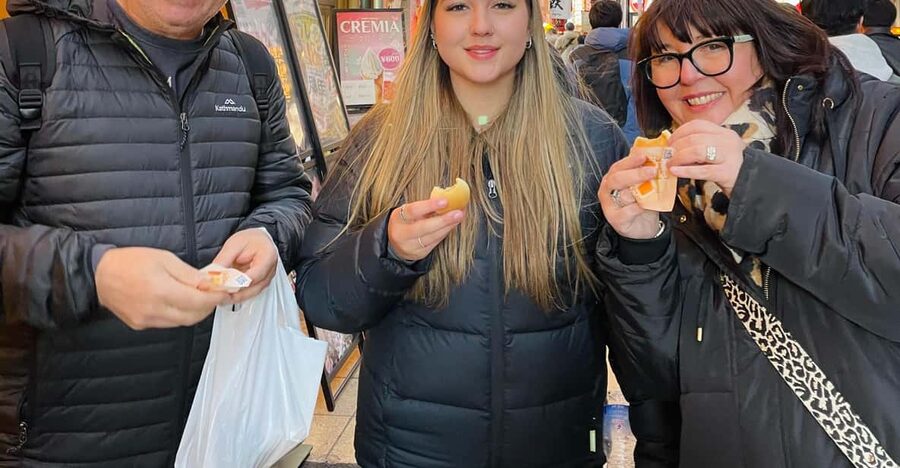
Osaka food makes more sense with a guide. This 3-hour walk ties together Shinsekai, Dotonbori, and Namba with hands-on street snacks and food-hall bites you can actually find again later. I like that it starts at the local rhythm of Ebisucho Station and keeps you moving through classic neighborhoods, not a checklist of tourist stops.
Two highlights for me are the chance to try Osaka staples like takoyaki from the city’s oldest takoyaki shop and kushikatsu at spots locals love. You also get multiple stops beyond the headline items, including fried skewers, sweet shop treats like wagashi, and a mix of savory bites that feel like a normal night out for people who live here.
One thing to consider: this is not a good fit for serious food allergies. The meals can include meat, seafood, wheat, and dairy, and the tour is listed as not suitable for people with food allergies.
Key Things You’ll Notice on This Osaka Street Food Adventure
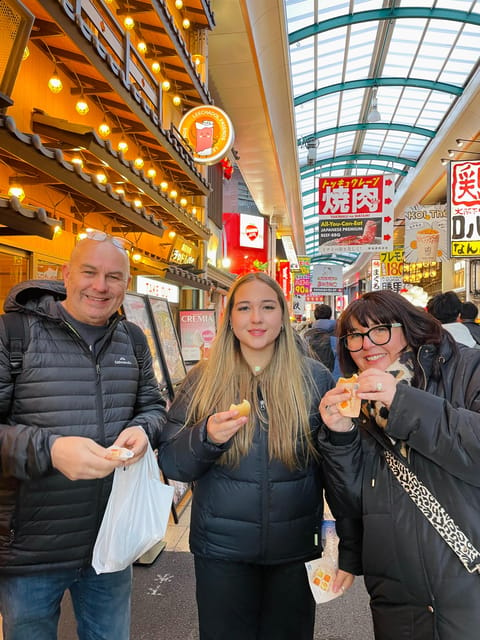
- Six to ten tastings plus one drink, with choices that can change by season and availability
- Small group of up to 8, so you are not shouting over a crowd
- Shinsekai to Namba to Hozenji Yokocho to Dotonbori, hitting the areas that define Osaka street food
- Food hall time in Namba depachika, a uniquely Japanese way to snack like a local
- Tsutenkaku and Glico Sign photo stops, timed as part of the walk instead of separate tourist detours
- A guide who adjusts the route, including add-ons like extra market time or dessert stops, when possible
Why This Osaka Street Food Walk Works (Not Just Food, Also Flow)
Osaka street food can be chaotic in a good way, but you do not want to waste half your day figuring out what is worth ordering. This tour is built around an easy walking route from Ebisucho, through Shinsekai and Tsutenkaku, then over to Namba, Hozenji Yokocho, and the Dotonbori area. That matters because each neighborhood has a different food “language.”
I especially like that you get both street counters and food hall comfort. You start with classic handheld snacks in Shinsekai, then later you transition to depachika shopping halls in Namba where you can sample gourmet treats without standing shoulder-to-shoulder at a single stall.
The guide also helps you understand the “why” behind what you are eating. You learn the vibe of Shinsekai, how Dotonbori became synonymous with food, and how these places work as everyday hangouts, not just photo backdrops.
More plates on more streets
The 11am Start at Ebisucho Station and How the 3 Hours Move
You meet at 11:00am at Exit 3 of Ebisucho Station, ground level, in front of a restaurant called Osho. This is the kind of meeting point that helps you get oriented fast, because Ebisucho is already on the Osaka map for both locals and visitors.
The tour is about 3 hours, and the pacing is meant for small-group walking. You will want comfortable shoes. Osaka sidewalks can be uneven, and a lot of the eating happens while you stand, wait, and move, not while you sit for long meals.
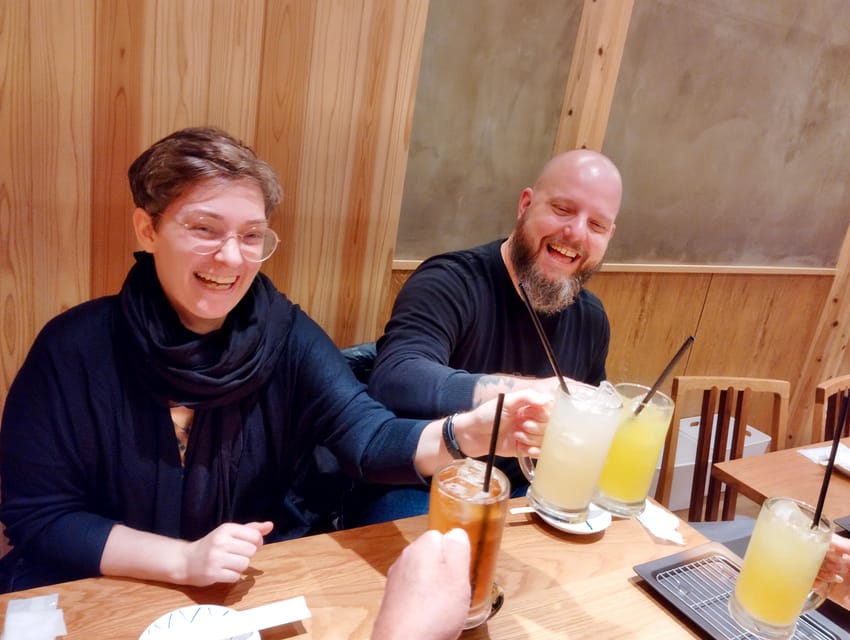
There is one extra cost to plan for: subway fare is 190 yen (from the Shinsekai area to Namba). Everything else you taste, up to the set number of tastings, is included, plus one drink at a local restaurant. If you want extra drinks or more bites after the included tastings, you should budget for that too.
Shinsekai First: Croquettes, Wagashi, and Kushikatsu in the Old-School Mode
The tour starts in Shinsekai, where the whole area feels built for eating. Your guide sets the scene with stories and local context, then you start sampling right away instead of waiting until later.
One of my favorite parts is the variety in the first stretch. You may begin with freshly made croquettes from a historic butcher shop, which is a great example of how Japanese snack culture often grows out of practical food shops. Then you get wagashi, including traditional Japanese sweets from a long-running confectionery. It is not just dessert, it is part of the culture of how people take a break.
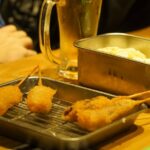
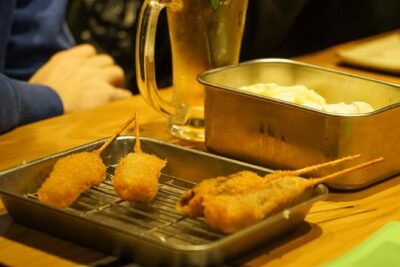
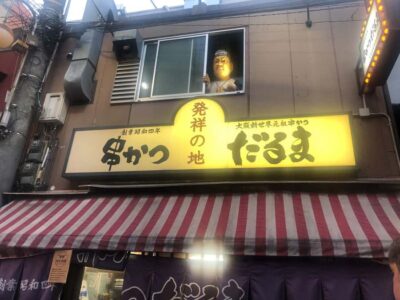
Then comes kushikatsu, Osaka’s deep-fried skewers style. Trying it early in the tour is smart because kushikatsu is the kind of food where technique matters, and you get a real sense for why people return to the same spots. This is also where the guided element shows up best. Your guide helps you order and eat in the local rhythm instead of guessing.
A practical tip for Shinsekai
Expect tight storefronts and lots of people moving through. Come prepared to snack while walking and standing. If you hate crowds, the guide’s timing and choice of places helps a lot, but you still should expect busy pockets.
Tsutenkaku and Street-Food Classics You Can Reorder Later
After Shinsekai, you head toward Tsutenkaku Tower, stopping for a quick visit that grounds the street food story in a real landmark. Tsutenkaku is one of those Osaka icons that turns up in memories long after you leave, mostly because it makes the neighborhood feel specific, not generic.
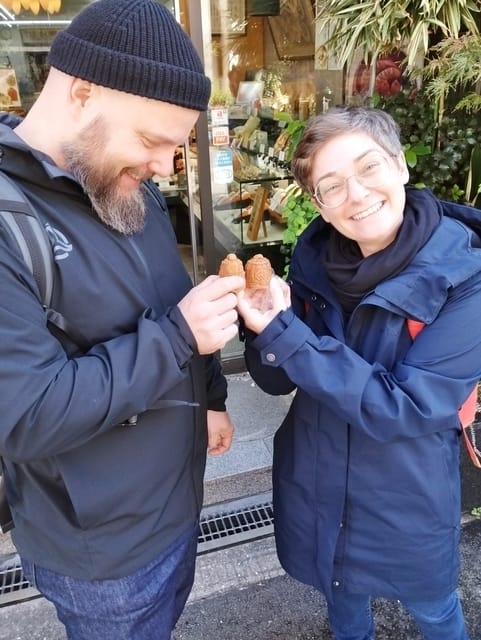
Food-wise, this is where you start locking in the headline Osaka flavors. You might taste takoyaki from the city’s oldest takoyaki shop, plus other Osaka staples such as steamed meat buns. If you are the kind of eater who wants both the famous items and the “this is what locals do” version of them, this portion delivers.
You are also moving through quirky shops and local landmarks along the way, which is part of the point. Street food in Japan is never just about taste. It is about atmosphere, how people line up, how they talk while they eat, and how a snack fits into the night.
One small benefit I like: by the time you reach this part of the walk, you are not cold or rushed. Your appetite is calibrated, so you taste more deeply instead of just shoving down food for the sake of finishing.
Plates worth crossing Osaka for
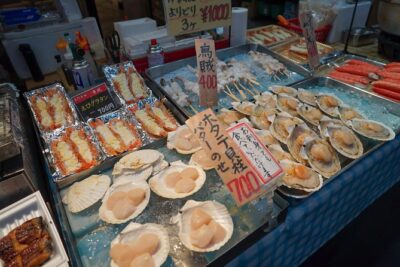
Namba Depachika: When Department-Store Food Halls Become Your Strategy
Next you take the subway with your guide to Namba, and the tour includes time in a depachika, a department store food hall. If you have only ever seen depachika from afar, this is your chance to experience it as a living place, not just a labeled attraction.
Depachika food halls are ideal for sampling because they are organized. You can try multiple items without committing to one long line. You also get a break from purely street-counter eating, which helps when the rest of the tour is all standing, walking, and snack timing.
This stop is also useful for buying gifts or planning your own follow-up meal. You will leave with a better sense of what kinds of foods are considered everyday treats versus special occasions.
If you are worried about the tour being all fried food, depachika is a good counterbalance because you can find more variety in texture and flavor. The exact offerings can vary, but the concept is consistent: small bites, lots of choice, and a local vibe.
Hozenji Yokocho: Lantern-Lit Alley Eating With Character
After the food hall, you move to Hozenji Yokocho, a lantern-lit alley known for old-world atmosphere. This is one of those places where the lighting, narrow walkway, and low-key energy make the tour feel like you have stepped into a different Osaka.
You spend about an hour here, which is perfect. It is long enough to settle, eat at an unhurried pace compared with the earlier parts of the walk, and still have time to keep moving toward the final photo area.
What makes this stop valuable is how it connects food to place. You are not just eating dishes. You are experiencing how the alley culture shapes what people order, how they linger, and why Osaka nights feel different from daytime.
Watch your step
Alleys can be uneven and more crowded than the wider streets. Comfortable shoes matter here more than anywhere else on the route.
Dotonbori and the Glico Sign Finale: Photos, Energy, and One Last Taste
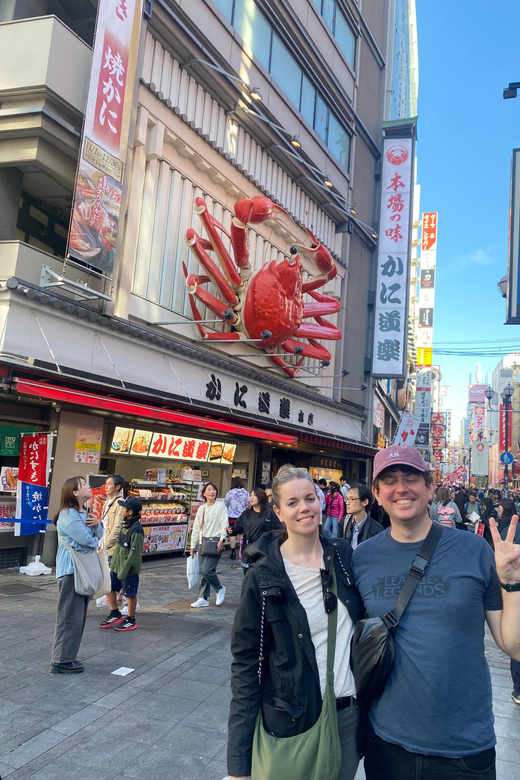
The tour ends in the Dotonbori area, concluding near the Glico sign. This is one of Osaka’s most photographed spots for a reason. The visual energy matches the food energy, and your guide ties it back to how Dotonbori became one of the city’s defining eating zones.
You get another stretch of food tasting time in this final phase. This is where it helps that the guide has already helped you understand which snacks are worth slowing down for and which ones are fun but not your top priority. You can taste more confidently instead of rushing because you feel you should try everything.
A nice touch is how the guide supports your planning beyond the tour. You get recommendations for where to go next, so the end of the walk does not feel like a hard stop. If you want, you can aim your remaining evening around what you learned.
Also, if you enjoy the fun side of Osaka nightlife, the tour format can include extra experiences when possible. In at least one case, the guide added stops that leaned into local entertainment, like old-school pachinko, plus dessert such as a fluffy cheesecake and additional food stops like okonomiyaki or sushi train. Those are not guaranteed every time, but the flexibility is part of what makes this tour feel less like a script.
Price and Value: Is $83 Fair for 3 Hours of Osaka Food?
At $83 per person for about 3 hours, this tour is priced like a serious eating experience, not a casual snack stroll. The value comes from the combination of factors.
You get 6 to 10 curated food tastings (exact selection may vary), plus one drink, plus a guide who speaks English and Japanese. Add the fact that one tasting is often a complete dish at a local spot, and you start to see why the price is not just paying for walking time.
The main extra costs are predictable and manageable. Plan for the 190 yen subway fare, plus any purchases beyond the included tastings. If you already know Osaka street food prices, you might feel this is fair. If you do not, this tour helps you avoid costly trial-and-error.
In practice, the best value is for people who want a guided route that reduces wasted time. If you are the type who loves planning and doing everything on your own, you might find cheaper options. But if you want to taste more confidently in fewer hours, this price usually makes sense.
Who This Tour Is Best For, and Who Should Skip It
This works well if you:
- Want to try multiple Osaka street-food classics without spending time figuring out where to eat
- Prefer a small-group setting so you can ask questions and move at an easier pace
- Like the idea of combining street snacks with a depachika and a lantern alley
- Enjoy learning why foods are popular, not just what they are
It is not suitable for people with food allergies. Also, the tour notes that meals can include meat, seafood, wheat, and dairy, so if you have restrictions, you should contact the provider in advance and ask what accommodations might be possible.
If you are a super-picky eater or you avoid certain categories, you may still enjoy the experience if your guide can work with you. But the safer call is to treat this as a regular Japanese food experience, not a fully customizable meal plan.
Should You Book This Osaka Street Food Adventure?
I think you should book this tour if you want Osaka street food with structure and local context. It is especially strong for takoyaki, kushikatsu, and the neighborhood-to-neighborhood feel from Shinsekai to Dotonbori, with depachika adding a smart change of pace.
I would skip it if you have significant food allergies or if you know you will not enjoy eating multiple small items over a walking route. Also, if you dislike standing and quick snack stops, you might find the pacing a bit active.
If you book, come with comfortable shoes, a hunger level that can handle multiple bites, and a willingness to taste first and ask questions after. This is the kind of tour that can make your next Osaka meal feel smarter, because you will know what to look for.
FAQ
Where do I meet the guide?
Meet at Exit 3 of Ebisucho Station, ground level, at 11am. The meeting point is in front of a restaurant called Osho.
How long is the Osaka street food tour?
The duration is 3 hours.
How much does the tour cost?
The price is $83 per person.
What kinds of food will I taste?
You can expect 6 to 10 tastings, with items that may include takoyaki, kushikatsu, croquettes, wagashi (Japanese sweets), steamed meat buns, and other seasonal options. Selection can vary based on season and availability.
Is subway fare included?
No. Subway fare is 190 yen from the Shinsekai area to Namba.
Is the tour suitable for people with food allergies?
No, it is not suitable for people with food allergies. The meals may include ingredients such as meat, seafood, wheat, and dairy. If you have dietary restrictions, contact the tour provider in advance.
How many people are in the group, and is it wheelchair accessible?
The group is limited to 8 participants and the tour is wheelchair accessible.
More Good Eating in Osaka
More Tour Reviews in Osaka
Eat Your Way Round Osaka
Latest out of Osaka


Osaka Street Food Crawls, side by side.
 ★ 4.8Osaka: Shinsekai Food Tour with 13-15 Dishes at 5 EateriesFrom $532,204 reviews
 ★ 5.0Osaka Food Tour: 13 Dishes at 5 Local EateriesFrom $732,149 reviews
 ★ 5.0Osaka Local Foodie Walking Tour in Dotonbori and ShinsekaiFrom $111985 reviews
 ★ 4.9Hungry Osaka Street Food Tour: 15 Dishes & 3 DrinksFrom $79694 reviews
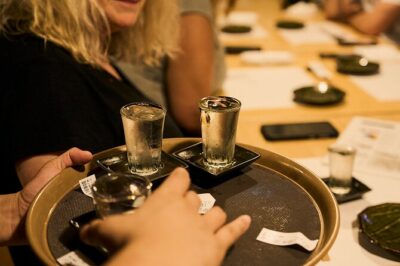 ★ 5.0Osaka: Guided Food Tour with 12 Dishes at 4 Local EateriesFrom $83533 reviews
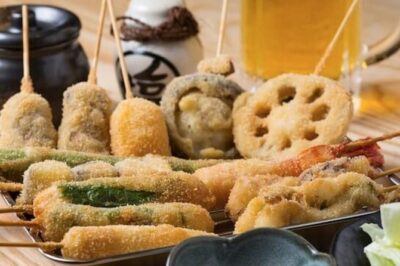 ★ 5.0Absolute Osaka Food TourFrom $231309 reviews
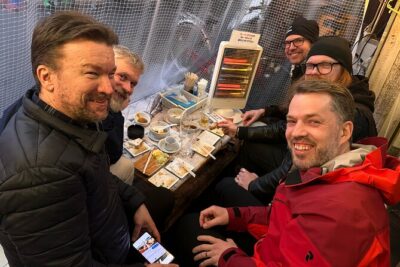 ★ 4.5Osaka After Dark: Small-Group Night Food Tour (Max 6)From $116245 reviews
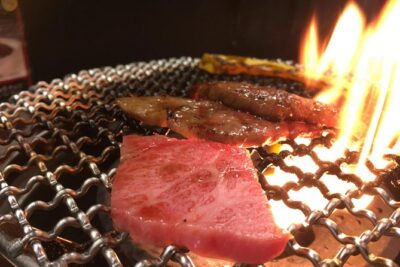 ★ 5.0Eat, Drink & Cycle: Osaka Foodie Bike TourFrom $99224 reviews
Also worth a look in