
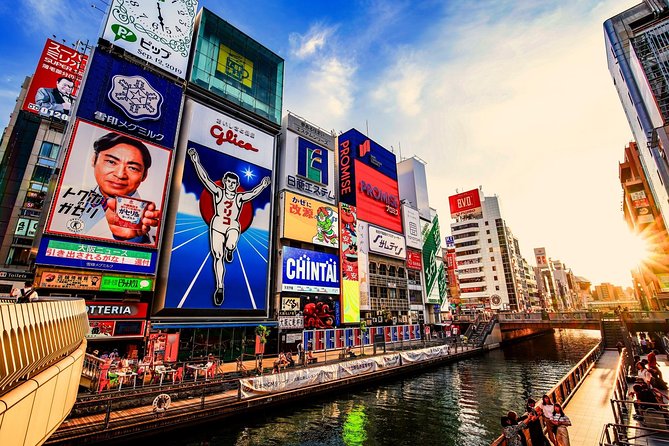
REVIEW · DOTONBORI NEON & STREET FOOD WALKS
Osaka Dotonbori Daytime Food Tour
Food in Osaka is fun when someone else handles the maze.
This Dotonbori daytime tour gives you an efficient intro to the street-food world, plus photo stops like the Glico Man sign without turning it into a long wait. I also like the small-group feel (up to 10 people) and that you get four food stops with a guide choosing places aimed at locals, not the loudest tourist traps. One possible drawback: it is only about 3 hours, so you will sample, not gorge, and you may still want a second round on your own after.
You start near the bright Dotonbori lights at Starbucks Coffee, and you end in the Sennichimae area, which helps you cover more ground than a loop that sends you back to where you started. The tour is family-friendly, the guide is English-speaking, and the route is built for eating and seeing the Namba area. If you are picky about timing, keep this in mind: food changes with season and availability, and the plan can swap stops if a restaurant schedule or weather does not cooperate.
Key highlights at a glance
- Glico Man history stop at the Dotombori sign, including the story of Fortunato Catalon
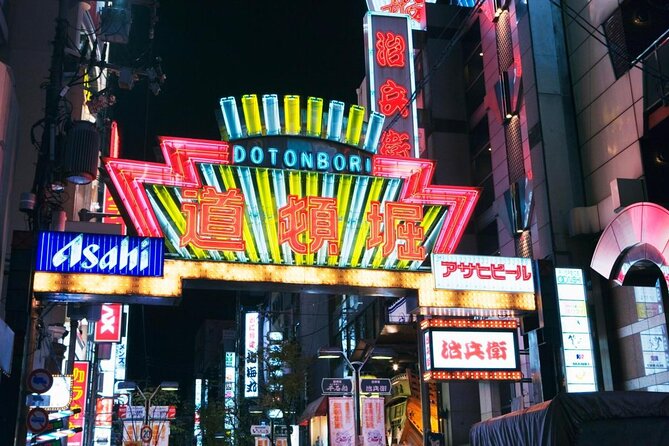
- Dotonbori and Namba street scenes with photo moments where the lights can otherwise overwhelm you
- Avoiding queues by aiming for places that do not require standing in long lines
- Four food stops, one drink, and a traditional dessert included in the package
- Small group size capped at 10 people, which usually means easier questions and smoother pacing
- Dietary-friendly options for vegetarian, vegan, pescetarian, and pork-meat free, plus shellfish free support
Why this Dotonbori food tour feels efficient
Osaka can be loud in the best way. You hit the neon streets, you smell snacks, and suddenly you realize you are not sure what to order, where to go, or how long the lines will be.
That is where this tour earns its keep. You get a route built around Dotonbori and the Minami (Namba) area, with a guide steering you away from the most obvious traps and toward local-style spots. You also get photos taken along the way, so you can focus on eating and looking rather than playing camera operator.
The other reason I like this format is that you get variety in a short window. A tight 3-hour tour with four tastings plus dessert and one drink means you can try multiple Osaka staples without turning your whole afternoon into one massive food gamble.
One more practical point: the meeting point is easy to find (Starbucks Coffee at Tsutaya Ebisubashi by Dotonbori), and the end is in a different neighborhood (Sennichimae). That can be useful if you are planning your day so you do not backtrack across town.
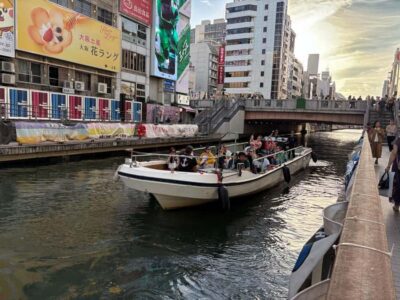
More of the canal after dark
Price, value, and what you really get for $209
At $209 per person, this tour is not a budget snack run. But the value story is pretty clear if you look at what is included.
You get a local English-speaking guide, a mobile ticket, four food stops, one drink, and traditional Japanese dessert. For many visitors, the hardest part of eating in Osaka is not hunger, it is decision-making. A guide reduces that pressure, which can be worth money on its own when you are in a food district where everything looks good and half of it is aimed at selling to tourists.
Time matters too. If you have only a few hours in Osaka, this tour gives you a structured sample of street food culture without waiting around for each place to work through the crowd. And because the group is limited to 10 people, you are less likely to feel like you are part of a fast-moving cattle line.
If you are the type of traveler who likes to wander and improvise, you might feel you could do it cheaper alone. Still, even then, having someone point you toward places locals likely choose and showing you what to order can save you both money and time.
Tip: because extra food and drinks are not included, budget a little extra yen for after the tour, especially if you want a second round of takoyaki or a dessert rematch.
The group size and guide style that makes or breaks it
A maximum group size of 10 people is a big deal on a food tour. In practice, that tends to make it easier to ask questions, get help with ordering, and keep the walk at a pace that feels social instead of frantic.
The route also includes photo stops, which is easier when your guide is not trying to manage a larger crowd. You should expect your guide to take you through the street scenes with pauses built in so you get the photos without derailing the schedule.
As for the guides, the experience profile is consistently praised in a way that matters. Guides such as Ron, Russ, Chiyoe, Mickey, and Kevin show up in past guest feedback, with people appreciating history and culture thrown into the walk. You also get the practical bonus of being able to ask for more dining ideas in Osaka after the tour, which can help you plan the rest of your meals like a pro.
Stop 1: Dotombori Glico Sign, why this neon landmark matters
The tour starts with the Dotombori Glico sign, where you get a quick primer on the story behind the iconic Glico Man imagery. The sign is more than a photo backdrop here. You learn about Fortunato Catalon, a Filipino sprinter who inspired a nation and a company, and that connection adds meaning to something that otherwise could feel like just more neon.
This first stop also works as a warm-up. You are in the busiest part of Dotonbori, and your guide gives you the first thread to follow, so the rest of the neighborhood does not feel random.
The tour note says this is a short stop, around 5 minutes. That is ideal for most visitors. You get the key context, you get your first photos, and you move on before the lights and crowds blur together.
Practical note: this area can be busy. Wear comfortable shoes and keep your phone ready, because once the group starts walking you will not want to stop and fumble.
Stop 2: Dotonbori street food, how you avoid the tourist trap spiral
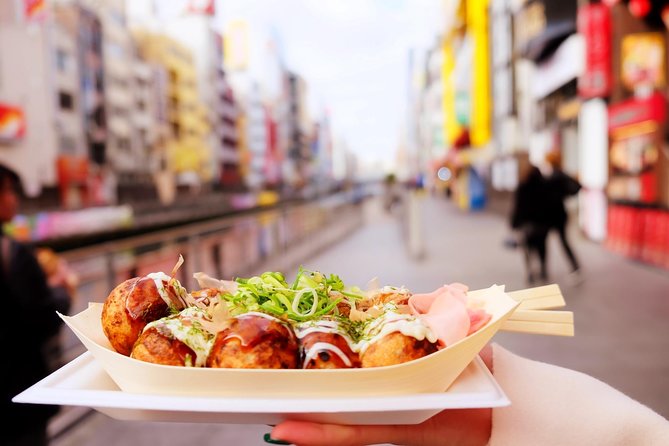
Next you shift into Dotonbori itself, the neon corridor that can make even seasoned travelers lose their sense of direction. The lights and sounds can lead you toward restaurants that are very commercial, with queues packed by visitors.
The point of having a guide here is simple. You avoid the classic mistake of choosing where the crowd is longest rather than where the food is best. You also avoid the time sink of waiting in long lines just because that place looks popular in the moment.
This segment is shorter on paper, about 15 minutes, but it sets the tone. You are seeing the show while learning how to eat in Osaka, not just taking photos of the show.
What I would recommend you do during this part is watch how the guide handles ordering and pacing. If you notice what cues they look for, it will make your later self-guided meal choices better.
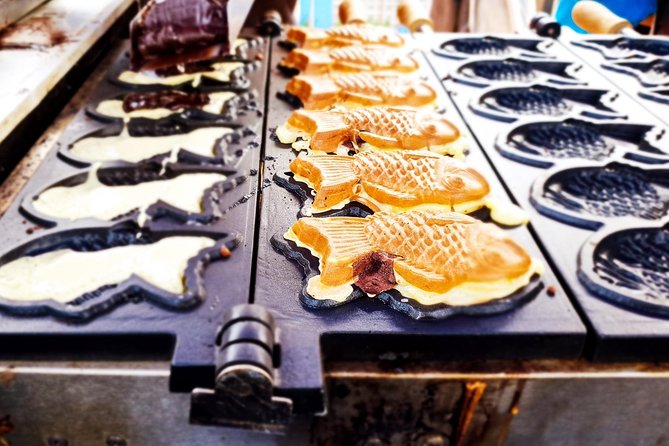
More plates on more streets
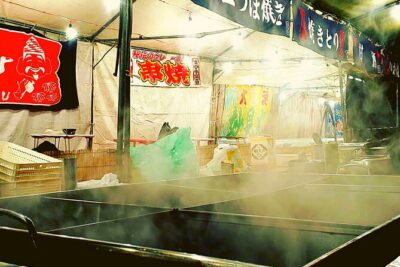
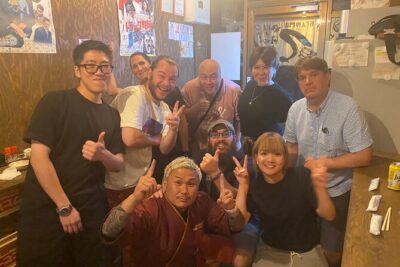
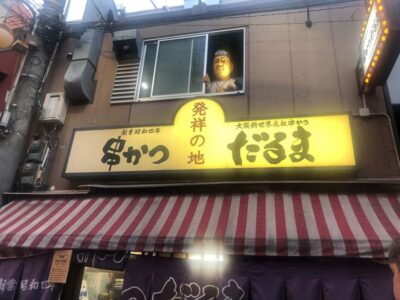
Stop 3: Minami (Namba), street food culture in motion
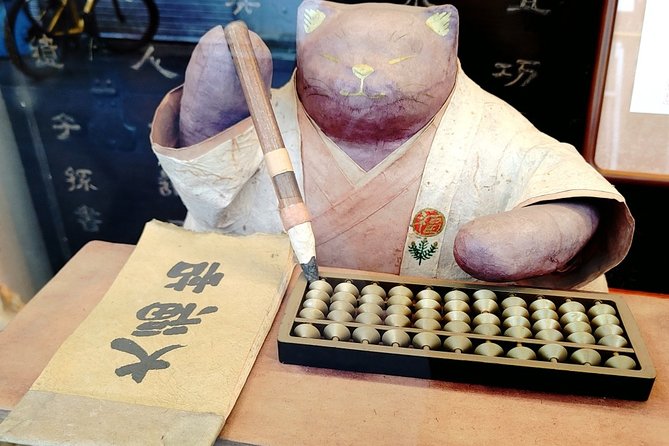
Then you move into Minami (Namba), the area people think of when they picture Osaka nightlife and snack culture. The tour keeps the focus on street food, and you get a chance to experience how food is integrated into the walking rhythm of the neighborhood.
On your own, Namba can feel like a choose-your-own-adventure where every option promises greatness. With a guide, it becomes a curated sample. Even if the exact dishes at each tasting vary with season and availability, the underlying goal stays the same, local specialties without the hours of wandering.
This stop also matters because it is a bridge between the showy streets and the more food-leaning alley and market areas that come next. You go from neon spectacle to actual eating.
Expect the pace to be active but not exhausting. The tour lists moderate physical fitness as the requirement, which usually means you will do some walking on uneven pavement and stand a bit while the guide explains what you are about to eat.
The alley and market sequence: Hozenji Yokocho, Doguyasuji, Kuromon, Misono
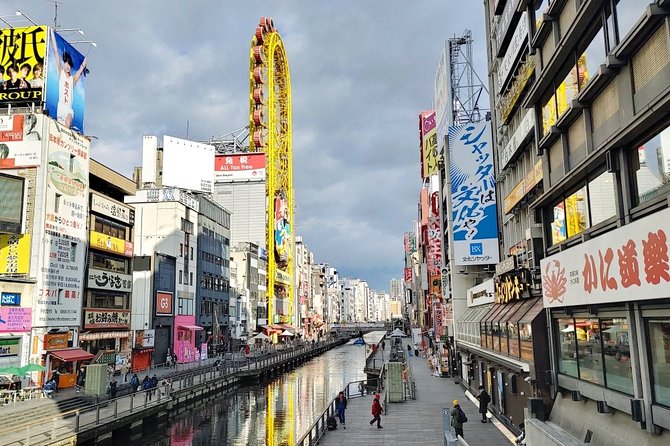
After the big-picture street scenes, the tour shifts into the smaller, more food-focused areas. You do not get a deep lecture in each place. Instead, you get short cultural context paired with practical sampling.
Here is how the stops fit together conceptually, and what to pay attention to:
Hozenji Yokocho
Hozenji Yokocho is part of the route, and the vibe you should expect is the “small alley” feeling that makes Osaka feel like Osaka. Past experiences highlight narrow lanes and odd little surprises like a Buddha statue sighting along the way, which is the kind of detail that makes these streets memorable.
If you like street-level atmosphere, this is the moment to slow down and really look up and around, not just at your plate.
Sennichimae Doguyasuji Shotengai
This shopping street stop matters because it is not only about sitting down. It is about moving through an area full of small shops and casual food opportunities. For many visitors, this is where you get the most “eat while walking” Osaka mood.
Keep your expectations flexible. The tour promises four tastings total, so some stops might feel more about walking and atmosphere than about a big plate at every moment.
Kuromon Market
Kuromon Market is on the route, and markets are where a food tour turns from sightseeing into tasting reality. This stop is your chance to see food culture at close range, where decisions happen fast and portions can be snack-sized.
I like market stops on tours because they reduce the guesswork. Even if you do not know the names, your guide does, and you get to try things you would not pick by yourself.
Misono Building
Misono Building rounds out the sequence. It is another known part of the Osaka food and street scene, and in this kind of tour it functions like the final “last stretch” before you end in the Sennichimae area.
If you are full after your dessert, do not panic. The tour ends at Sennichimae, which is a good place to do a casual follow-up wander if you have the energy.
What the included food actually means for your day
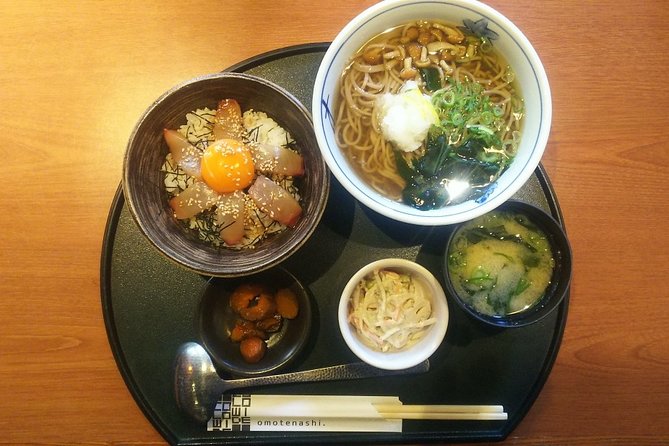
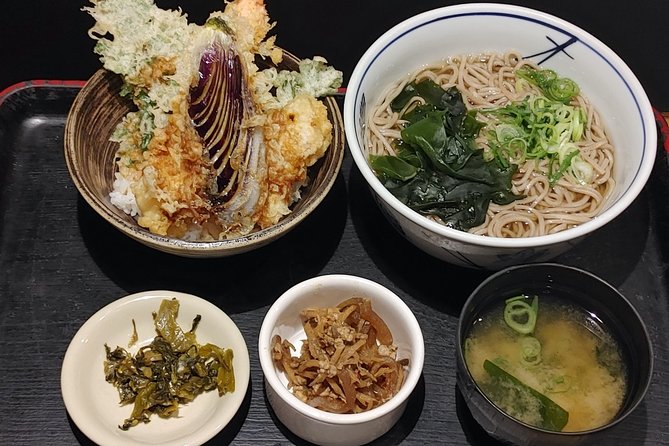
The tour includes four food stops, plus one drink and traditional Japanese dessert. That means your stomach is not left to guesswork, and your schedule stays controlled.
The biggest advantage of four tastings is that you get variety without risking stomach regret from trying too much. You can compare flavors across different Osaka street specialties, and you can decide which ones you want to chase again after the tour.
The other inclusion that matters is the drink. Your guide can help you match a drink to the food you are eating, and you avoid the common beginner problem of ordering a drink without understanding how it fits the meal.
Dessert is not an afterthought here. It is part of the tour. That matters if you plan your day around a sweet stop, because you are not spending extra time hunting it down later.
Dietary needs are also supported. The tour lists vegetarian, vegan, pescetarian, shellfish free, and pork-meat free friendly options. That does not mean every single dish is guaranteed to be perfectly tailored, since food can change with season and availability, but it does mean your guide has options to work with.
If you have allergies beyond shellfish or pork concerns, you should treat this as something to communicate clearly in advance.
Photography and orientation in Dotonbori and Namba
One line in the tour description stands out for practical travelers. The guide explores and takes photos in Dotonbori and Namba.
That does more than provide a few pictures. It helps you orient yourself fast in a place that can overwhelm you. If you are learning the street layout, seeing where key landmarks sit relative to each other is useful for later self-guided wandering.
Use this tour to build a mental map. After the walk, you can go back to the areas you liked for a second meal or a simple stroll without feeling lost.
Where the tour ends, and how to use that last hour well
The tour ends around the Sennichimae area near the finish point listed as Sennichimae in Chuo Ward. That means you finish after covering a chunk of Dotonbori and Minami, rather than looping back.
I like end points like this because they can fit multiple plans. You can keep walking for more snacks, head toward shopping streets, or simply settle into a quieter meal without retracing your steps.
You just need to keep track of your energy level. You will likely have more wandering energy after a tour like this if you start with some breakfast or a small snack, because this is a mid-day food experience.
Weather, food swaps, and what to do if plans change
The tour states that food changes can happen based on season and availability. It also notes that stops might change due to restaurant schedules, public holidays, weather, and other unforeseen circumstances.
This is normal for city food tours, especially in places that run on daily demand. What you can do is show up with a flexible mindset. If your favorite dish is not served on your tour, you still get four tastings plus dessert, so the core experience stays intact.
Also remember it needs good weather. If weather disrupts the plan, you will be offered a different date or a full refund based on the tour terms.
Who this Osaka tour is best for
This is the best fit if you want a practical Osaka food orientation in a short amount of time.
It suits you if:
- You like street food but hate standing in long lines
- You want someone to point you toward places that are not the loudest tourist choices
- You want history and context mixed into eating
- You appreciate a small group with a guide you can ask for more recommendations
It might be less ideal if:
- You prefer total freedom and do not want structure at all
- You want a long, slow food crawl with zero walking pressure
- You are traveling for one specific dish only, since the tour is built around multiple tastings
Families can do well here since it is described as family-friendly, but double check drink age rules if anyone in your group is under the minimum drinking age of 21.
Should you book the Osaka Dotonbori Daytime Food Tour?
If you have 3 hours and you want Osaka food culture without the stress, I would book this. The combination of four included food stops, a local English-speaking guide, and a route that focuses on Dotonbori and Namba is exactly what you want on a first or second day in the city.
I would especially recommend it if you are the type who wants to learn how to eat there, not only what to eat. The stop sequence, photo moments, and the chance to ask for more dining ideas after the tour are strong practical reasons to spend the money.
If you are already confident in Osaka ordering and you love long unstructured wandering, you might be able to DIY cheaper. Still, you will likely pay for that with time, wrong turns, and the occasional line you did not need.
My rule of thumb: when a city is crowded and the food choices are overwhelming, paying a guide often buys you more than food. It buys you better decisions, faster confidence, and an easier afternoon.
If you tell me your dietary needs and what you most want to try in Osaka, I can help you decide whether this route matches your goals.
More Tour Reviews in Osaka
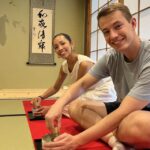
Eat Your Way Round Osaka
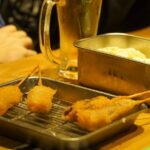
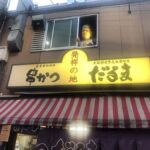
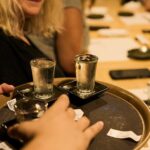
The Canal After Dark, Continued
Latest out of Osaka


Dotonbori Neon & Street Food Walks, side by side.
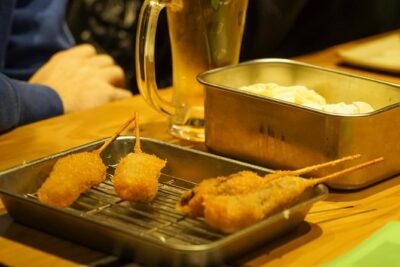 ★ 5.0Osaka Local Foodie Walking Tour in Dotonbori and ShinsekaiFrom $111985 reviews
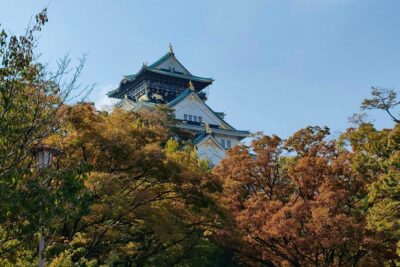 ★ 5.0Ultimate Osaka Walking Tour: Castle, Dotonbori & Hidden GemsFrom $73862 reviews
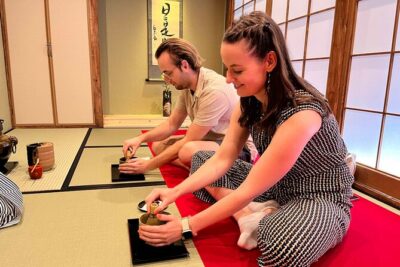 ★ 5.0Tea Ceremony Experience in Osaka DoutonboriFrom $20754 reviews
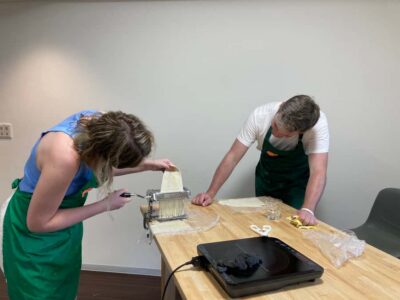 ★ 5.0Osaka: Ramen and Gyoza Cooking Class in DotonboriFrom $70378 reviews
Osaka: Dotonbori River Cruise with Glico Sign & Neon ViewsFrom $12376 reviews
★ 5.0Osaka: Ramen and Gyoza Cooking Class in DotonboriFrom $70378 reviews
Osaka: Dotonbori River Cruise with Glico Sign & Neon ViewsFrom $12376 reviews
 ★ 3.9Osaka: Dotonbori’s Bridges 20-Minute CruiseFrom $12303 reviews
 ★ 4.9Osaka: Roll and Authentic Sushi Making Class in DotonboriFrom $45239 reviews
 ★ 5.0Osaka Local Bar Crawl in Dotombori & Uranamba AreaFrom $26199 reviews
Also worth a look in