
REVIEW · NARA DEER PARK EXCURSIONS FROM OSAKA
Osaka and Nara Attractive One Day private Tour
One day, two worlds of Japan. This private Osaka and Nara experience stitches together big-ticket landmarks with classic temple stops, plus neon street energy in Dotonbori and a sky-high Osaka view.
I especially like the private, air-conditioned ride from Osaka Station and back again, which keeps your day from turning into a transit puzzle. I also like that you get a good balance of free sights (like Shitennoji, Dotonbori, and Nara Park) and optional paid admissions.
The main thing to weigh is time. With around 2 hours of driving between areas, you will want to stick to the plan, and the biggest attractions (Osaka Castle, Umeda Sky, and Todai-ji) are optional and paid on arrival.
Key highlights at a glance
- Private pickup and return from Osaka Station, so you start and end stress-free
- Hotspot on board, handy for tickets, maps, and last-minute food hunting
- A mix of free and paid stops, so you control the budget
- Dotonbori canal street time, including the Glico Running Man neon area
- Nara Park deer time plus Todai-ji’s Great Buddha, a perfect pairing
- Umeda Sky’s 360-degree view, when you want a modern Osaka finish
The feel of a full private day, with real pacing
This is a 10-hour day built around two city styles: Osaka’s big-city monuments and energy, then Nara’s quieter, sacred scale. You start at Osaka Station in Umeda and spend the day hopping between sites with a dedicated vehicle.
The pacing is clear, because the schedule is basically set in blocks. You get around 2 hours on the road, then the rest is assigned to the main sights, including 1 to 2 hour windows at the big photo stops.
That matters because you are not just “going from place to place.” You are doing Osaka Castle and a temple, then a neon street, then a modern observatory, and finally Nara Park and Todai-ji. If you hate tight schedules, you’ll still be fine, but you should keep your must-sees in mind so you do not lose time to decision fatigue.
More runs out to the deer park
Price and value for a group up to 5
At $550 per group (up to 5), this sits in the “private day trip” category, not the “hop-on-bus” category. So the value depends on how you travel.
If you are two to five people, private transport is often a money saver compared with paying separate transit fares plus time lost switching lines. You are also paying for smoother logistics, since this day depends on moving between Osaka and Nara efficiently.
Also note the budget-friendly structure of the sightseeing. Several stops are free (Shitennoji, Dotonbori, Nara Park), while only three major attractions list admission extras: Osaka Castle, Umeda Sky, and Todai-ji. That lets you keep the total cost closer to your comfort level.
A small but useful detail is the hotspot on board. For a day like this, it can help you confirm meeting points, translate signs quickly, and find food once you arrive at Dotonbori.
How the pickup works, and why the meeting point matters
You meet at Osaka Station, 3-chōme-1-1 Umeda, Kita Ward. The tour ends back at the meeting point, which is a big deal if you want to keep your evening plans simple.
This matters because Osaka Station is a maze, and getting back to the exact same anchor point saves time. Instead of guessing where your driver will drop you, you can plan your final meal or shopping in the same Umeda zone.
The tour is private, meaning only your group rides along. You should still use the meeting point address as your reference on your phone, because Osaka has many similarly named streets and entrances.
If you get a driver-guide who is comfortable with pace and requests, this day goes smoothly. I like that the service has shown flexibility with group needs, and names like Talha, Ben, and Malik have come up in connection with attentive, accommodating guidance. (That is not a guarantee, but it is a good sign that the operator assigns real people to make the day work.)
Osaka Castle: what you’re really paying for
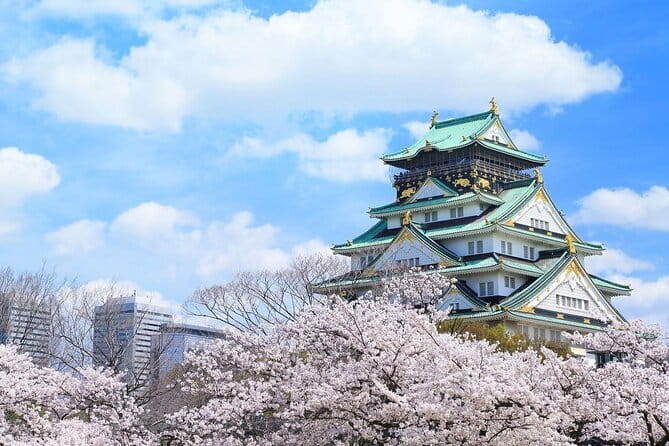
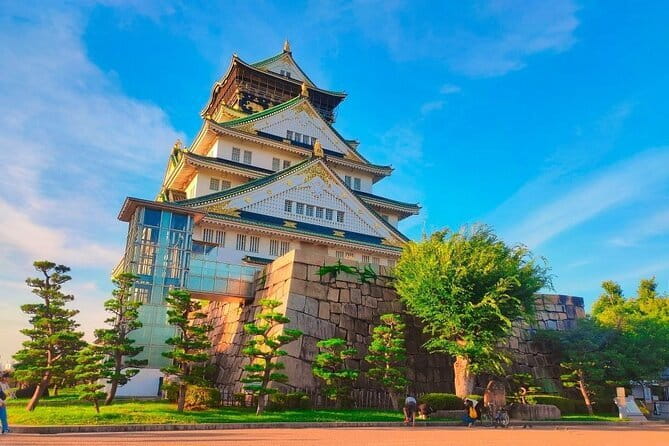
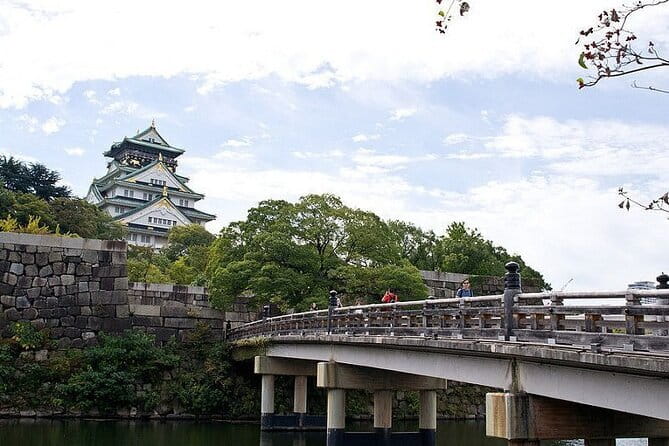
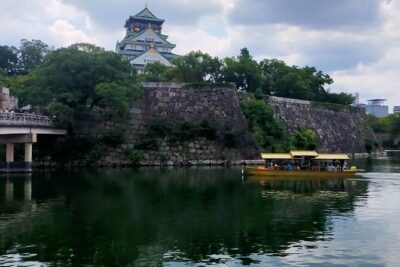
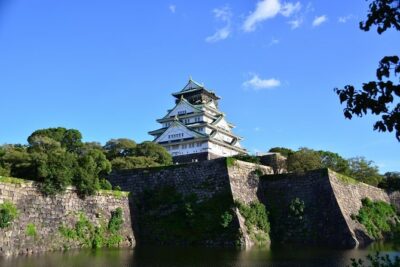
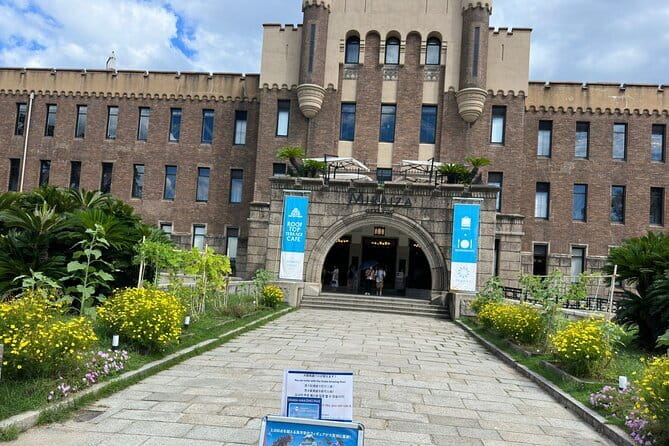
Osaka Castle is one of Japan’s most recognizable symbols, and for good reason. Toyotomi Hideyoshi built an earlier version in the late 1500s to represent his unification efforts, and the castle later played a central role in the Battle of Osaka (1614 to 1615).
Here’s the important context: the current structure is a modern reconstruction, completed in 1931, after the original was destroyed multiple times over history. That can sound like a catch, but it also means the site is maintained for visitors and easy to navigate.
You get about an hour. That is enough for the main grounds and a first pass at the castle views, but not enough for a slow, museum-style read of every layer. If you are history-heavy, you might want to arrive with a mental checklist: what era you want to focus on, and whether you plan to go inside.
Admission is optional and listed at $5 USD, paid directly on arrival. If you skip it, you can still enjoy the surrounding area and skyline without losing the castle idea entirely.
Shitennoji: early Buddhism in Osaka, and why it feels different
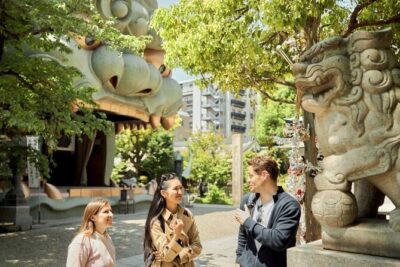
Shitennoji Temple is free and gives you a sharp contrast from the castle. It dates back to 593 AD, traditionally connected to Prince Shōtoku, and it is known as one of the earliest officially established Buddhist temples in Japan.
The layout is part of the appeal. You have a five-story pagoda in a symmetrical arrangement, which is very typical of early temple architecture. Even without a guide narrating every detail, the site reads clearly, because the design is built for order and orientation.
You get about an hour. That is just enough time to walk the grounds, take photos, and absorb the shift in mood. Shitennoji tends to feel calmer than Osaka’s big streets, and that is a useful reset before the neon part of the day.
Just your group: more private options
Dotonbori: neon, snacks, and the Osaka you came for
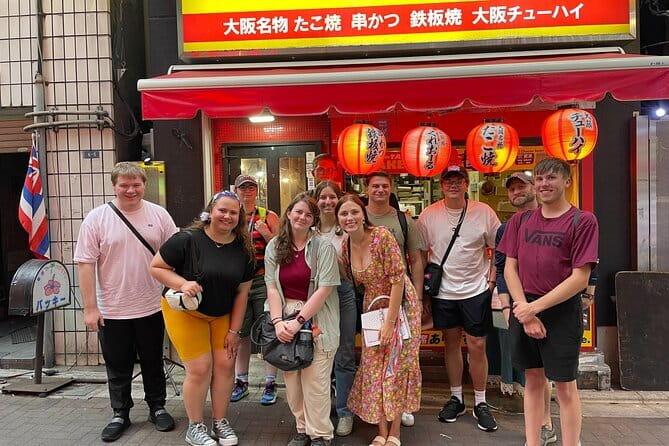
Dotonbori is where Osaka puts on its show. It runs along the canal and is famous for giant illuminated billboards, including the Glico Running Man symbol that has been around since the 1930s.
You get about two hours, which is the right amount if you want to do three things without rushing: walk the strip, pause for photos near the iconic signs, and sample at least one Osaka specialty.
Osaka food here is not a single dish, it is a system of street-level choices. You’ll see takoyaki (octopus balls), savory pancakes, kushikatsu (deep-fried skewers), and ramen. Even if you do not eat much, the aromas and motion are half the experience.
This is also one of the easiest places to customize on the fly. If your group wants photos, you slow down. If your group wants calories, you follow the smell and sit down quickly.
Umeda Sky Building: modern Osaka from 360 degrees
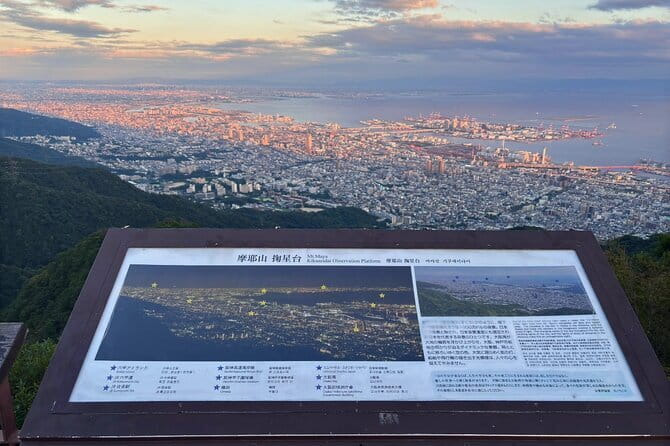
Umeda Sky Building is a signature modern landmark, completed in 1993. It is made of two 40-story towers connected near the top, with a floating garden observatory above the city.
The observatory is popular for its 360-degree panoramic views, and the ride up adds to the drama. The towers connect by glass-covered escalators, and you get that glass sensation of floating as you ascend.
Admission is optional and listed at $10 USD, paid directly on arrival. If the weather is clear, this is a top-value stop because Osaka can look surprisingly deep from above. If it is cloudy or rainy, decide fast. You may still enjoy the height, but your view will be less dramatic.
You get about an hour, so this is not a long sit-down. It is more like a structured photo window plus a slow walk around the viewing area.
Nara Park: deer first, then the temples nearby
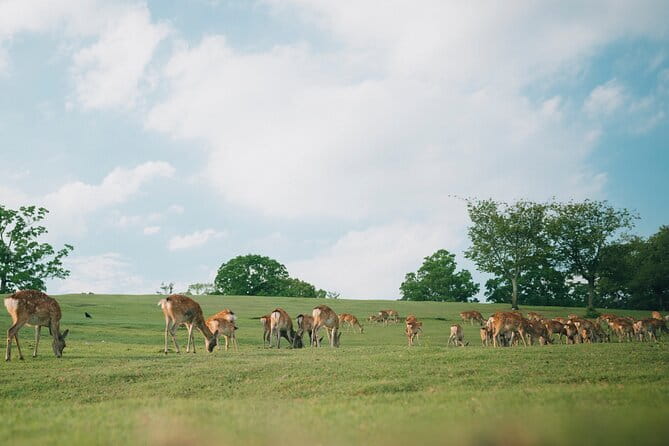
Nara Park is free and that is a big part of why it is beloved. The park covers about 500 hectares and is famous for free-roaming deer, with more than 1,000 living in the area.
The deer have a sacred role in Shinto belief, so they are not treated like wild animals. They are tame enough that people commonly buy shika senbei deer crackers to feed them, and the deer are known to bow.
You get about an hour. That’s enough time to see the deer, grab photos without stress, and get oriented before Todai-ji. It also helps that the park is close to other major cultural sites like Kōfuku-ji Temple and Kasuga Taisha Shrine, even if you are not timing them for this day.
One practical note: go in with an easy approach. In peak times, the deer can feel like they are everywhere, and you’ll want to keep your attention on footing and personal space rather than trying to get perfect shots.
Todai-ji and the Great Buddha Hall: scale you can’t fake
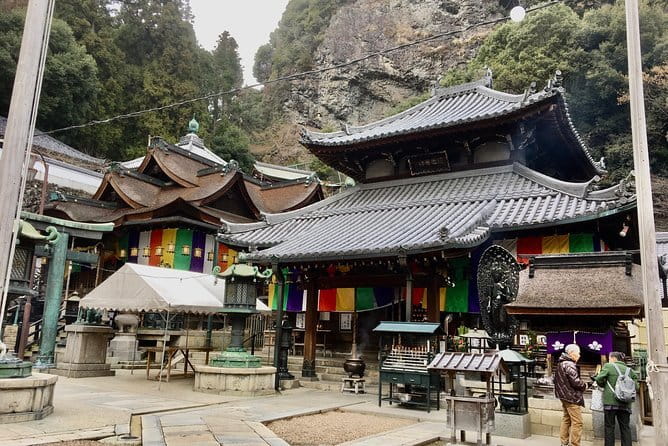
Todai-ji is the big finale for many people, and the stop earns its reputation. The Great Buddha Hall, called Daibutsuden, once was the largest wooden building in the world, and it remains among the largest.
Inside is the Daibutsu, a massive bronze statue of Vairocana Buddha. The statue is about 15 meters tall and weighs around 500 tons. It was cast in 752 AD and is tied to Emperor Shōmu’s effort to solidify Buddhism’s role in uniting the country.
You get about two hours, which is a good window for Todai-ji’s main moments without rushing. Even if you are not a temple expert, the hall’s size and the statue’s presence do most of the work for you.
Admission is optional and listed at $2 USD, paid directly on arrival. Given the scale, this is usually the stop I would budget for if you are choosing.
Optional admissions, simple budgeting, and avoiding time traps
This day mixes free and paid stops on purpose. If you want to keep costs low, you can still enjoy Shitennoji, Dotonbori, and Nara Park without paying for three of the bigger attractions.
If you do pay for all listed extras, you are looking at $17 USD total for Osaka Castle ($5), Umeda Sky ($10), and Todai-ji ($2). That number is helpful because it keeps the “hidden costs” conversation honest.
The time trap is this: the paid stops are optional, but skipping them does not automatically create a huge extra block later. The schedule has moving parts, and you still need time to travel.
So my best advice is to decide these three admissions early, based on your energy and weather. Want classic Japan visuals and a skyline moment? Do Castle and Umeda Sky. Want maximum sacred scale? Prioritize Todai-ji.
Who this Osaka and Nara private day trip fits best
This tour is a great match if you want a one-day Osaka plus Nara plan without wrestling with transit schedules. It works well for couples, friends, and families, especially when you want the kids or elders to stay comfortable in an air-conditioned vehicle.
It is also a good fit if your group enjoys contrast. You get the castle and early Buddhist temple in Osaka, street food and neon signs at Dotonbori, then deer in Nara and Todai-ji’s Great Buddha.
If you prefer slow wandering with lots of independent detours, you might find the fixed time windows a bit limiting. In that case, treat the schedule as the backbone, and use your flexibility to swap meals and photo stops, not the main site order.
Final verdict: should you book?
Yes, you should book it if your priority is a smooth, private day that hits Osaka’s most recognizable sights and Nara’s most iconic temple experience, with free stops mixed in and optional admissions that stay relatively small.
I would be cautious if your definition of a tour means a deep, scripted guide experience at every step. This kind of day is built around private transportation and structured stop time, so you should come ready to ask questions and steer your own interests at each site.
Also, remember the day is long, and about 2 hours are spent driving between zones. If you’re the type who gets cranky when plans are tight, you’ll need a calm approach.
If you’re traveling as a group of up to five and you want one day to cover a lot of ground, this is a practical, value-minded way to do Osaka and Nara.
FAQ
How much does the Osaka and Nara private tour cost?
The tour is $550 per group (up to 5 people).
How long is the tour?
It runs about 10 hours.
Where is the meeting point, and does it end nearby?
You start at Osaka Station (3-chōme-1-1 Umeda, Kita Ward, Osaka 530-0001) and the activity ends back at the same meeting point.
Is the tour private and are there pickup options?
Yes. It is a private tour/activity, and pickup is offered.
What is included in the price?
Included are an air-conditioned vehicle, private transportation, child seats, tolls and taxes, and a hotspot on the board.
What admission fees are not included?
Osaka Castle ($5 USD), Umeda Sky Building ($10 USD), and Todai-ji Temple ($2 USD) are not included, and you pay directly on arrival. The other featured stops listed as free are Shitennoji, Dotonbori, and Nara Park.
Do I need a mobile ticket?
Yes, the tour includes a mobile ticket.
Is free cancellation available?
Yes. You can cancel up to 24 hours in advance for a full refund.
Are service animals allowed?
Yes, service animals are allowed. The tour is also listed as suitable for most travelers and is near public transportation.
More Tours in Osaka



More Tour Reviews in Osaka

More Mornings with the Deer
Latest out of Osaka


Nara Deer Park Excursions from Osaka, side by side.
 ★ 4.5Ancient Capital Tour: Kyoto and Nara Highlights from Kyoto/OsakaFrom $90332 reviews
 ★ 4.0Kyoto and Nara Day Trip from OsakaFrom $198175 reviews
 ★ 3.5From Osaka or Kyoto: Kyoto and Nara 1-Day Bus TourFrom $64141 reviews
 ★ 5.0Discover Himeji, Kobe and Nara from OsakaFrom $91101 reviews
 ★ 4.5Kyoto & Nara Private customized tour with English speaking GuideFrom $54999 reviews
 ★ 4.5From Osaka/Kyoto: Kyoto & Nara Day Trip with Optional LunchFrom $6879 reviews
 ★ 4.5Kyoto and Nara UNESCO Highlights Full-day Tour From OsakaFrom $6250 reviews
 ★ 5.0From Osaka: Nara Private Tour with Meet-Up at Your HotelFrom $14049 reviews
Also worth a look in