
REVIEW · 1-DAY TOURS
Naoshima 1 Day Tour from Osaka
Naoshima art, packed into one long day. This private trip mixes shinkansen and ferry with on-island art stops like the Lee Ufan Museum and Ando-designed spaces. I especially like the freedom of an optional e-bike ride around Naoshima, plus the fact that your guide can steer the day and keep things moving early and late.
One thing to plan for: the day is long and physical, and you need to be comfortable riding an electric bicycle (or you’ll switch to the bus plan instead). Also, lunch isn’t included, so you’ll want to think about when you eat so you don’t get stuck hungry between museum timings.
In the best cases, your guide can make the whole thing feel effortless. Guides such as Jun and Seiko are specifically praised for handling details and giving real context to what you’re seeing. If you want photos, Seiko also helped turn lots of pictures into a video for the group, which is a fun extra.
Key Highlights You’ll Actually Feel During the Day
- Private guide for your group only, with English or Spanish plans depending on what you book
- E-bike access with rental included, which is the easiest way to cover Naoshima on your own time window
- Lee Ufan Art Museum ticket included, a major Tadao Ando collaboration stop
- Benesse House and Chichu Art Museum are not included, so budget time and money for those tickets
- Ferry timing is fixed, so the day runs on a schedule, not a loose wander
How The Osaka to Naoshima Day Runs (Shinkansen, Ferry, and Timing)
This is an all-day outing that starts early, with the tour meeting at Shin-Osaka Station at 6:30 am. The pickup point is at 5 Chome-16 Nishinakajima, Yodogawa Ward, Osaka 532-0011, and the day ends back at the same meeting point.
Transportation is built around two big legs. First, you take the Shinkansen and local train from Osaka to Uno station in Okayama. The total time for this first step is about 4 hours, with admissions included at that stage. Second, you cross by ferry from Uno Port to Naoshima, round trip, for about 2 hours. That ferry time is limited, so don’t plan on stretching it or adding side trips that depend on you being late.
Once you’re on Naoshima, the tour leans into a simple philosophy: cover the island in the most time-efficient way, then slow down inside the museums. For a place like Naoshima, which rewards attention (and has a lot of “wait, how did they build this?” moments), that pacing makes sense.
Set this against a few other Osaka bookings:
E-Bikes on Naoshima: Freedom That Also Has Rules
If you choose the bicycle plan, you’ll rent a bike right on Naoshima, and the bike charge is included. You’ll get a real advantage here: Naoshima is easier to “get around” when you’re not waiting on bus schedules or stuck on one route.
There are a few practical constraints you should take seriously. You should confirm you can ride an electric bicycle, and you’ll want luggage sized for a backpack or the front basket. The tour specifically advises not to bring suitcases, and it notes you cannot carry large luggage to the hotel by bicycle. Even if you are not going to a hotel via bike, the message is clear: travel light.
Also, keep expectations realistic. You’ll have limited time between sites, and the ferry has fixed timing. That means the bike is a freedom tool, not an everything-goes-wild tool.
If you can’t ride a bicycle, the tour can switch to local bus transportation, but the key limitation is that you’ll have the same means of transportation for everyone, and there’s only one bus route. The guidance also says you can’t travel around the island in both directions the way you can by bike, which affects how you experience the island.
Lee Ufan Art Museum: A Strong Anchor Stop
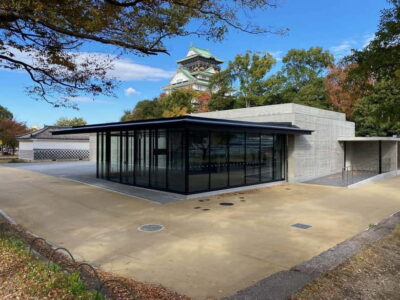
The Lee Ufan Art Museum is one of the most important stops in this day, because admission is included and the visit lasts about 1 hour.
What makes it a smart anchor? The museum is the result of a collaboration between artist Lee Ufan and architect Tadao Ando. If you like modern art but also like architecture that feels controlled and intentional, this is a great pairing. Ando’s style often creates spaces that slow your eyes down, and the museum is designed to work with that idea.
The timing is also reasonable. One hour is long enough to see what you came for without eating up the entire day. It helps you keep the rest of the schedule balanced, especially because some other big-name museums on Naoshima require tickets you pay separately.
Benesse House Museum: Where the Museum and Hotel Concept Matters
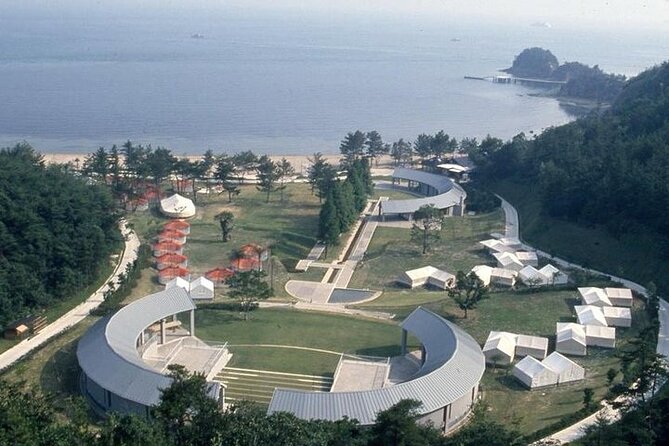
Benesse House Museum is scheduled for about 1 hour, but here’s the important budget point: Benesse House admission is not included.
The museum opened in 1992 with a concept that mixes nature, art, and architecture, and it’s designed by Tadao Ando. Even if you already know the idea of site-specific art, this one tends to feel different because the experience is tied to place rather than just display.
For your planning, think of Benesse House as a “slow stop.” This is where you may want to take a breath, look around the building context, then focus on the works. And since you pay for admission separately, it’s smart to decide in advance whether you truly want to commit to it, or if you’d prefer to put that money elsewhere.
Art House Project: Short, but Best When You Choose the Right Plan
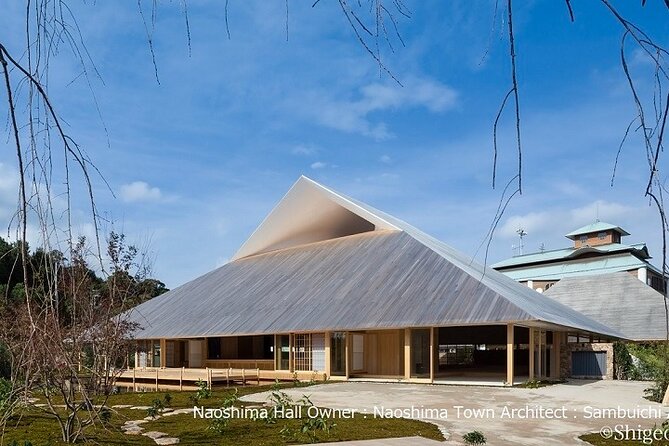
The Art House Project slot is only about 30 minutes, and it’s included only if you choose the Charter Car Plan. Admission for Art House Project is also tied to that plan.
This matters because it changes what “time” you’re spending on Naoshima. If you want a quick taste and you’re using the charter car option, this is built in as a compact highlight. If you’re on the bicycle plan, you won’t get the same inclusion for this stop, so your experience will shift toward museums and other accessible areas.
Because the time is short, I’d treat this as a “pick the houses you like” moment. You’ll get more out of it if you go in with an idea of what kind of art-house setting you enjoy, rather than trying to maximize every possible room.

Chichu Art Museum: Worth It, But Budget for the Ticket
Chichu Art Museum is about 2 hours in the plan, and again, the key detail is that admission is not included.
This museum is designed to rethink the relationship between nature and people, and the structure is mostly built underground to reduce visual impact. That architectural choice is more than a curiosity. It’s part of how the museum controls lighting, movement, and your sense of time.
Because Chichu takes about two hours, it’s a bigger time commitment than Lee Ufan Museum. It’s also a bigger planning commitment because you need to pay for the ticket separately. If you really care about art in carefully managed spaces, this is the kind of stop that often becomes the emotional center of the day.
Price and Value: What You’re Paying For, and What to Expect
The price is listed at $481.23 per person for this private day trip, and it’s typically booked about 61 days in advance on average. Private tours cost more, but you’re not just buying a route. You’re buying time saved, transportation bundled, and a guide who can handle the flow.
Here’s what your money covers, based on what’s included:
- Round trip Shinkansen between Osaka and Uno station
- Ferry fare round trip between Uno Port and Naoshima Port
- Guide (English or Spanish, depending on the plan)
- Lee Ufan Art Museum admission
- Bicycle rental or local bus, depending on the plan you choose
- Art House Project admission only with the Charter Car Plan
- Charter car plan option if you select that format
What costs extra:
- Chichu Art Museum admission
- Benesse House Museum admission
- Lunch
So is it good value? For me, it works best when you plan to do those extra ticketed museums too. If you only want Lee Ufan Museum and one other included stop, the overall value shrinks because the biggest names still require additional admissions. But if you are genuinely aiming for the “classic Naoshima trio” feeling, this package helps by bundling the hard parts: transport, guide, and the included museum and ferry logistics.
My Best Tips for a Smooth Day (Without Stressing the Schedule)
First, travel light. The tour guidance is explicit: don’t bring suitcases, and pack so it fits in a backpack or the bike basket. Naoshima is about moving efficiently, so heavy luggage fights the whole spirit of the day.
Second, take the start time seriously. A 6:30 am departure means you’ll feel the full day length if you’re not ready. It also makes the ferry and museum timings easier to manage.
Third, decide your museum priorities in advance. Some museums are included, some are not. If you are determined to see Chichu and Benesse House, plan to pay for those tickets and treat them as core stops, not optional extras.
Fourth, give your guide a clear sense of what you want. This is a customizable private tour, and the guide can help you adjust the schedule even on the day. If you add new spots, you’ll pay additional ticket fees on the spot, and you might need extra transportation costs, so it helps to think through tradeoffs.
Finally, wear heat-ready clothes. The day involves biking and on-foot time, and the schedule can feel like a marathon in hot weather. Bring sun protection and something light for breaks.
Who This Tour Suits Best (And Who Should Rethink It)
This fits best if you want a structured way to see Naoshima without doing all the routing yourself. It’s especially good for:
- People who like modern art plus architecture, not just one or the other
- Travelers who can ride an e-bike confidently
- Anyone who prefers a guide who can explain what you’re looking at, and keep the day from stalling
It’s less ideal if:
- You’re not comfortable riding a bicycle, because switching to the bus plan changes how you can move around
- You want long, slow, no-schedule wandering, because ferry timing is fixed and the day is tight
- You hate paying for major attractions separately, since Benesse House and Chichu admissions are not included
Should You Book This Naoshima Day Tour?
I’d book it if your goal is a serious art day with minimal friction: Osaka to Naoshima by Shinkansen plus ferry, plus an on-island plan that gets you to major architectural art stops without wasting time. The private guide format can be a big quality difference, and names like Jun and Seiko show that the best guiding here can turn a museum visit into a story you actually remember.
Skip or reconsider if you want to do Naoshima at your own pace with flexible transport, or if you know you won’t likely purchase tickets for Chichu and Benesse House. Also, if you’re unsure about bike riding, plan for the bus limitations ahead of time.
If you can handle the physical day, pack light, and commit to the key museums, this is a strong way to experience Naoshima in one shot.
More 1-Day Tours in Osaka


More Tours in Osaka



More Tour Reviews in Osaka
Latest out of Osaka


1-Day Tours, side by side.
 ★ 4.5From Kyoto/Osaka: Kyoto Top Highlights 1-Day Guided Bus TourFrom $51714 reviews
 ★ 4.0Kyoto and Nara Day Trip from OsakaFrom $198175 reviews
 ★ 3.5From Osaka or Kyoto: Kyoto and Nara 1-Day Bus TourFrom $64141 reviews
 ★ 4.5Hiroshima & Miyajima 1 Day Bus Tour with Bullet Train TicketsFrom $270105 reviews
 ★ 4.6From Osaka: Hiroshima and Miyajima Day Trip by Bullet TrainFrom $10483 reviews
 ★ 4.5From Osaka/Kyoto: Kyoto & Nara Day Trip with Optional LunchFrom $6879 reviews
 ★ 4.5Amanohashidate & Ine Funaya Sightseeing Full Day Trip from KyotoFrom $6462 reviews
 ★ 5.0Osaka Private Tour with a Local Guide (Must See Places in 1 Day)From $11857 reviews
Also worth a look in