
REVIEW · OSAKA CASTLE PARK TOURS
Full Day Walking Tour in Osaka Castle Temples and Ukiyoe
Eight hours, and Osaka clicks. This walking tour blends Osaka Castle history, temple storytelling at Shitennoji, and a hands-on ukiyo-e art experience with a local English-speaking guide like Wingki. You also get a smart contrast between the “famous Osaka” and the everyday Minami streets.
What I like most is the steady rhythm. Two hours at Osaka Castle Museum gives you context you can’t get from photos, then you shift to Shitennoji for a clear story of how Buddhism moved from India to China and then to Japan. It keeps the day from feeling like a checklist.
I also like the mix of shopping area energy and food-market wandering at Kuromon Market. You’ll see the scale of Minami’s street life around Dotonbori and Shinsaibashi, but you’re not forced into one long scripted meal. The main drawback to plan for is that it’s a long 8 hours walk, and food and drinks are not included.
Key highlights to know before you go
- Small-group feel (up to 20) with an English-speaking guide who can keep the flow moving.
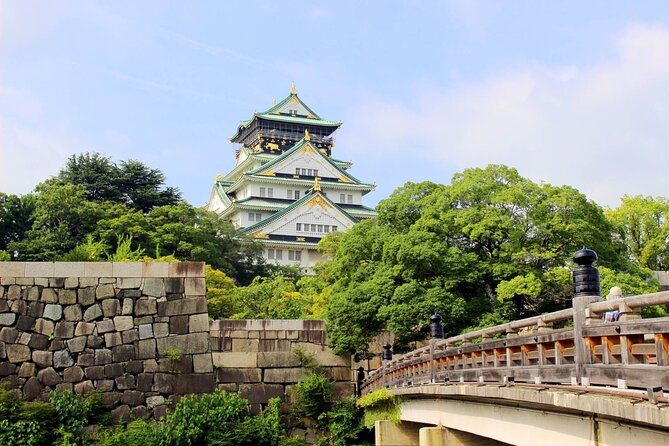
- Osaka Castle context inside the museum, with the castle’s full story including the 1995 government rebuild.
- Shitennoji’s origin story tying together India, China, and Japan in the spread of Buddhism.
- Kuromon Market stop with free entry, good for browsing a huge stretch of shops and snacks you choose yourself.
- Dotonbori + a shrine pause, plus the traditional ukiyo-e art experience.
- Mobile ticket and train-based routing, with the day ending back near Shin-Osaka Station.
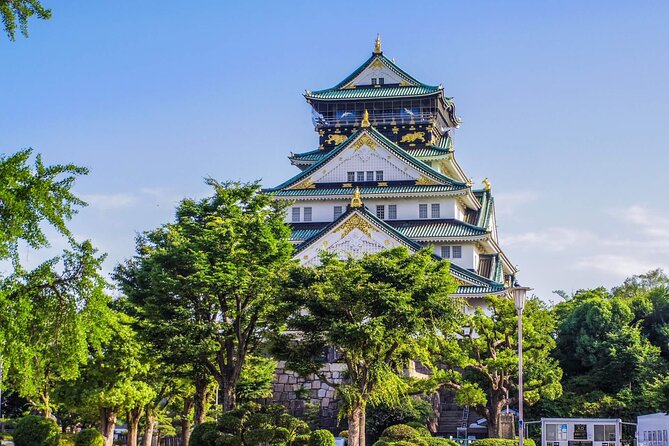
Osaka Castle in 1597 terms, plus the 1995 rebuild story
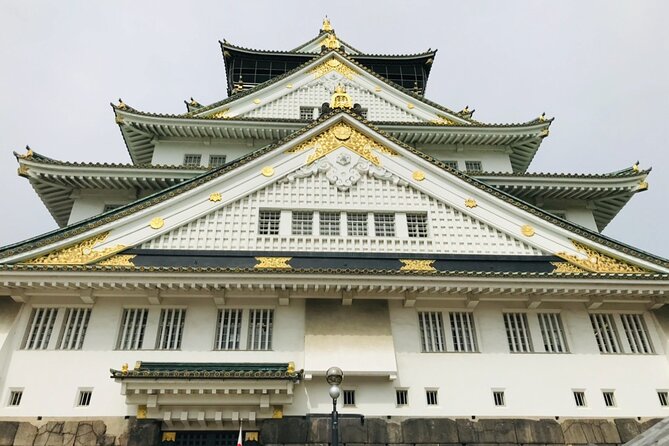
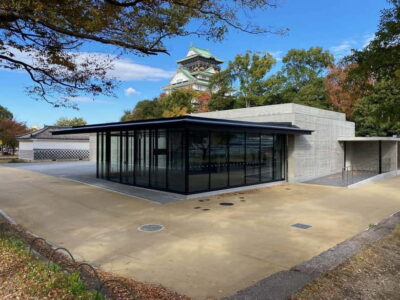
This tour starts by grounding you in Osaka’s most recognizable landmark, but in a practical way. Instead of treating Osaka Castle like a quick photo stop, you enter the Osaka Castle Museum and spend time learning how the place fits into the city’s story.
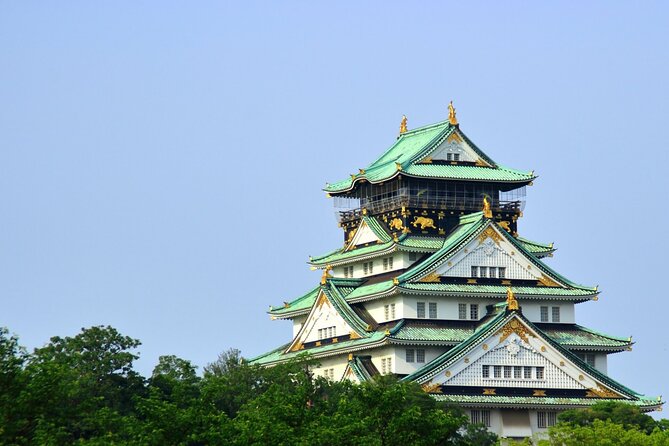
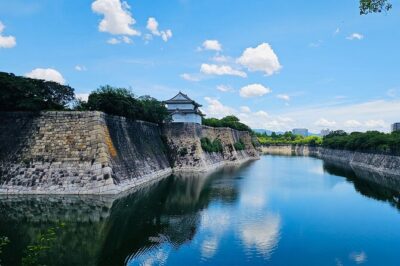
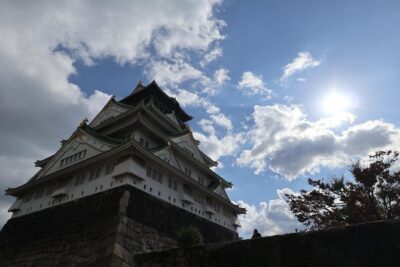
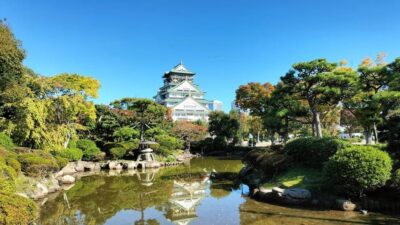
The key detail you’ll hear is that Osaka Castle was completed in 1597, but it was destroyed many times over the centuries. The current structure comes from a government rebuild in 1995, and it’s noted as being a bit different than the original. That one explanation helps you read the site like a living timeline rather than a single “scenery moment.”
You get about two hours here with admission included. For me, that timing matters. A shorter stop tends to leave you with only impressions. Here, you have enough time to connect what you’re seeing to what you’re hearing, which makes the later temple and neighborhood walking feel more meaningful instead of random.
If you’re only interested in the outside walls and don’t care about museums, you might feel this portion is a bit too “inside.” But if you want the why behind Osaka Castle, this is a strong start.
Other ways up the keep
Shitennoji Temple: the India to China to Japan route
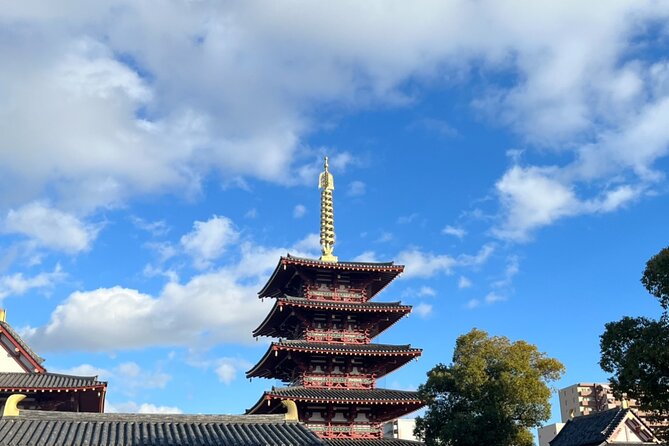
After the castle portion, you head to Shitennoji, one of the major spiritual sites in Osaka. This is not a stop that only focuses on atmosphere. You learn about Shitennoji as the first Japanese Buddhist temple in Japan, and you get a clear explanation of how Buddhism traveled from India to China and eventually landed in Japan thousands of years ago.
That route detail is the kind of background that changes how you see Buddhist sites. When you understand the long chain of movement, the temple becomes part of a wider story rather than just a local building. It also helps you ask better questions as you look around, even if you’re not reading Japanese.
The tour gives you about two hours at Shitennoji with admission included. That’s enough time to slow down and actually absorb what you’re being told, rather than rushing through for the next bus or train.
A small consideration: if you prefer purely outdoor sightseeing, a temple visit can feel more structured than you expect. This tour leans toward interpretation, not just walking past landmarks.
Kuromon Market: browsing, snacking, and picking your own pace
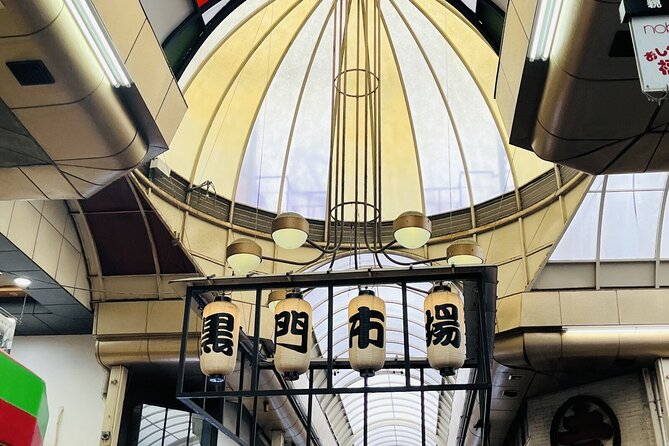
From temples to food energy, the tour swings to Kuromon Market. The point here is simple: this is one of Osaka’s leading food markets, with roughly 150 stores lined up over an area about 580 meters south of Sennichimae. The mix includes seafood, vegetables, fruits, food and beverages, and even some non-food shopping like clothing.
Entry here is free, and the stop lasts about one hour. That limited time is smart because the market is big. If you try to “cover everything,” you’ll miss what you’re actually there for. With a guided one-hour window, you can focus on what you enjoy most, then move on before it turns into decision fatigue.
Because food and drinks are not included, you’re in charge of what to eat and how much. That can be a drawback if you expected a set tasting menu. But it’s also a plus for flexibility. You can spend your budget on the snacks you’re actually craving, whether that’s something seafood-focused or produce-based.
Practical tip for this portion: go with an appetite, but don’t lock yourself into one “must buy” idea. Markets change fast by time of day, and you’ll see more options if you keep your choices open for the full hour.
Dotonbori Tsuribori and ukiyo-e: street Osaka meets traditional art
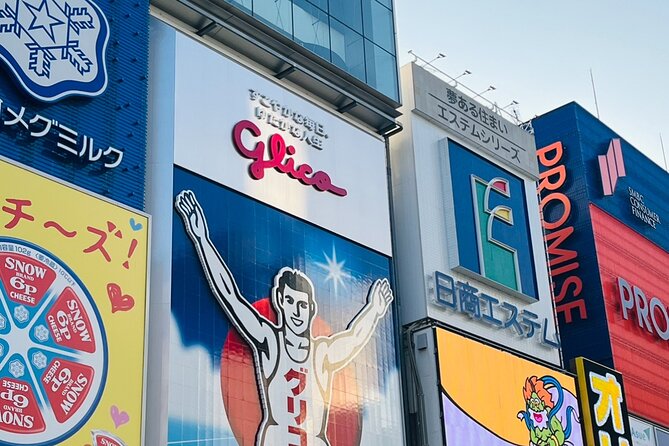
After Kuromon, you head into the Minami area, where Osaka’s famous downtown personality shows up fast. You’ll spend time around Dotonbori Tsuribori, including a unique shrine pause in the area before you settle into the big visual energy of Dotonbori.
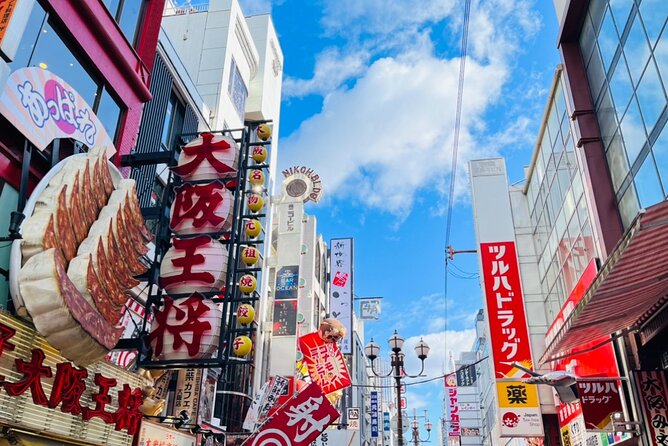
This part of the day is where “Osaka you see online” becomes “Osaka you can walk through.” The tour highlights how Dotonbori is lined with huge three-dimensional billboards, and it frames the area as Minami’s symbolic downtown. You also pass through Shinsaibashi, which is described as the city’s main shopping area.
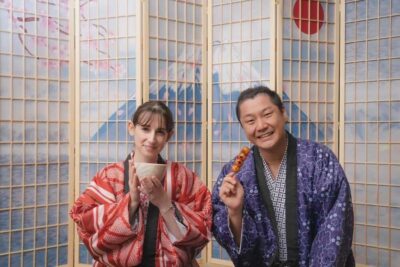
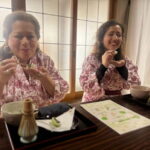
Then comes the cultural twist: you also get a traditional Japanese art experience, ukiyo-e. You’ll learn that ukiyo-e works were found as early as the 1670s and that the art flourished from the 17th to the 19th century. Ukiyo-e has become one of Japan’s representative images, so it’s more than a craft activity. It’s a chance to connect the style you’ve seen in prints to the history behind it.
This portion lasts about three hours. The timing works well because ukiyo-e is hands-on, and you need that middle chunk of the day when your brain is ready for something different from walking and eating.
One real consideration: because this is a walking tour, you’ll want comfortable shoes. You’ll be moving from castle to temple to market to downtown areas, then back toward the station area. If you have knee or foot issues, you might still be fine since the tour says most travelers can participate, but you’ll likely want to plan for more time on your feet.
Shinsaibashi and getting back near Shin-Osaka Station
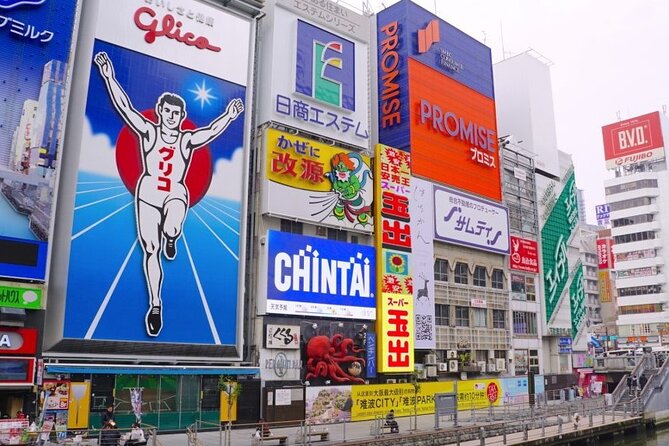
The tour ends by walking through Shinsaibashi and returning toward Osaka and Shin-Osaka Station. The inclusion of Shin-Osaka makes this practical if you’re staying in the Osaka area with easy train connections, since Shin-Osaka is one of the most convenient hubs for onward travel.
This final stretch also matters because it gives you an Osaka souvenir-and-everyday-life feeling. Shinsaibashi is framed as the city’s main shopping area, so you’re not just ending after a big landmark day. You’re finishing in a neighborhood where people actually go for shopping and strolling.
If you’re someone who wants downtime after a tour, set expectations for how long you’ll want to keep exploring after you’re dropped back near Shin-Osaka. You’ll likely feel ready to sit down, not sprint into more plans.
Quieter courtyards nearby
Why the guide makes such a difference (Wingki as a model)
The tour is led by a locally based English-speaking guide, and the names that stand out in the experience descriptions include Wingki. Across the tone of the feedback, the key traits aren’t just “knowing facts.” It’s the way the day stays comfortable and understandable.
That includes being friendly and enthusiastic, answering lots of questions for first-time visitors, and accommodating when plans go a little sideways. In particular, Wingki is described as handling situations like a guest being lost or arriving late to the meeting point, with flexibility and care.
For you, that means the tour is easier than a self-guided plan. You don’t just follow a route. You get explanations that help you read what you’re looking at: why Osaka Castle matters, why Shitennoji is positioned as a first Buddhist temple, and why ukiyo-e fits the Osaka-to-Minami story.
Also, with a small group capped at 20 people, you’re less likely to feel like you’re being pushed along in a large crowd. It’s still a full day, but it feels more human.
Price and value: $165 for a full-day package
At $165.19 per person for an approximately 8-hour tour, the price is not cheap. The value comes from what’s included, not just the sightseeing.
Your ticket covers:
- Entrance fees for each listed spot during the tour
- Train tickets required for the tour
- The ukiyo-e experience fee
- A guided tour with an English-speaking guide
Food and drinks are not included, so you’ll still spend on snacks, water, and any meals you choose on your own. But compared to building this day alone, the inclusion of train tickets plus paid admissions plus the ukiyo-e activity is the core reason it can work out.
Another value point: the tour is described as being booked about 65 days in advance on average, which often means the schedule and planning are structured. A tour like this usually makes the day less stressful because you’re not coordinating every connection between castle, temple, market, and downtown art activities.
If you travel with someone who loves guided context but you also like free time to explore, this is a good compromise. You get set cultural stops, then you get to choose how you eat at Kuromon and how you shop while walking through Minami.
Who this walking tour suits best
This experience fits best if you:
- Want a first-time Osaka day that covers both major landmarks and local energy
- Like learning context at Osaka Castle Museum and Shitennoji, not just taking photos
- Want a hands-on cultural activity in the middle of the day through ukiyo-e
- Prefer an organized route with train tickets handled and a guide to keep you oriented
It might not be ideal if you:
- Expect food to be included as a tasting experience, since food and drinks are on you
- Want a more relaxed half-day pace
- Have trouble walking for a full 8 hours (even though the tour says most travelers can participate)
Should you book this Osaka Castle, temples, and ukiyo-e tour?
I’d book it if you want one guided day that ties together four very different Osaka experiences: a major historical site, a major Buddhist temple with a clear origin story, a big food-market stop, and a traditional art lesson that connects to Japan’s print history.
It’s also a good call if you care about practical help. The tour runs like a plan, with a mobile ticket and train-based routing, and it’s led by an English-speaking guide such as Wingki who is described as accommodating when something goes off track.
One last check before you decide: budget for food and drinks, and wear comfortable shoes. If you handle those two points, this is the kind of tour that can give you an Osaka day with both meaning and momentum, without turning into a rushed stamp-collecting day.
FAQ
How long is the Osaka Castle, temples, and ukiyo-e walking tour?
It’s about 8 hours.
How much does the tour cost?
The price is $165.19 per person.
What is included in the price?
Entrance fees for the tour stops, train tickets required for the tour, the ukiyo-e experience fee, and an English-speaking guided tour.
Are food and drinks included?
No, food and drinks are not included.
Is a mobile ticket used?
Yes, the tour features a mobile ticket.
What are the main stops on the itinerary?
Osaka Castle, Shitennoji, Kuromon Market, Dotonbori Tsuribori, and you also walk through Shinsaibashi.
Is admission included for the stops?
Yes, admission fees for each spot during the tour are included. Kuromon Market entry is free.
How large is the group?
The tour has a maximum of 20 travelers.
Can I cancel for a full refund?
Yes. You can cancel up to 24 hours in advance for a full refund. If you cancel less than 24 hours before the start time, the amount paid is not refunded.
More Tour Reviews in Osaka



Quieter Courtyards in Osaka
Around the Moat: More Castle Days
Latest out of Osaka


Osaka Castle Park Tours, side by side.
 ★ 4.5Osaka Castle: Museum and Tower Entry TicketFrom $72,380 reviews
 ★ 5.0Osaka Castle Walking Tour and Castle Tower AdmissionFrom $23561 reviews
 ★ 5.05-Hour Osaka Bike Tour to the Neighborhood of Osaka CastleFrom $87319 reviews
 ★ 4.7Osaka Castle Guided TourFrom $43249 reviews
 ★ 4.9Osaka: Castle History Walking Tour / Castle Tower AdmissionFrom $33230 reviews
 ★ 4.7Osaka: Osaka Castle Guided Tour with Local GuideFrom $4878 reviews
 ★ 5.0PRIVATE 6hr, Food tour from Osaka Castle, Kuromon, Dotonbori.From $15568 reviews
 ★ 4.5A Tour to Explore the Symbol of Osaka: Osaka CastleFrom $8356 reviews
Also worth a look in