
REVIEW · OSAKA TOURS WITH LOCAL GUIDES
Eat Like a Japanese with a Local Guide
Neon noodles and custard in Dotonbori. This 2.5-hour Osaka street-food walk is built for maximum variety, with classic savory bites like takoyaki, nikuman, okonomiyaki, and karaage, plus sweet stops like purin, matcha tart, and Japanese cheesecake. I especially like how you get a simple, guided path through the district instead of wandering and guessing. I also like that the guide ties each food to what makes it Japanese street-style. One possible drawback: like most Dotonbori food spots, you can run into long lines, and that can slow the pacing.
At $89.47 per person, the value mostly comes from convenience and direction, not just the food. You’re getting a guided experience in English or Spanish, plus lunch and snacks, and gratuities are included. It also helps that the group is capped at 10 people, so you’re not getting swallowed by a big tour herd.
Logistically, you meet at Kani Doraku Dotonbori Main Branch and end back at the same point, which keeps things easy. The tour is also clear about one big constraint: no vegetarian or vegan options, so this is best if you eat meat and seafood. If you want a plant-based food tour in Osaka, you’ll need a different option.
Key highlights to know before you go
- Small group size (max 10), which usually means quicker moments at each stop
- Two language options (English/Spanish) for smoother ordering and explanations
- Savory and sweet balance, from takoyaki and okonomiyaki to purin and matcha tart
- Photo-friendly Osaka landmark, the Glico Running Man sign near Ebisubashi Bridge
- Mobile ticket and a set start point at Kani Doraku Dotonbori
- Expect lines in Dotonbori, and plan to stay flexible with timing
Dotonbori street food in 2.5 hours, with a guide who keeps you moving

This tour is built around walking through Dotonbori, one of Osaka’s most famous food and neon districts. The main idea is simple: you get tastings at multiple local-style places without needing to research every menu item on your own. With a duration of about 2 hours 30 minutes, it’s long enough to feel like a proper food outing, but not so long you melt into one endless queue.
Meeting at Kani Doraku Dotonbori Main Branch is practical. It’s a recognizable spot to regroup, and ending back at the meeting point keeps you from having to navigate your way to somewhere new at the end. The tour runs with a maximum of 10 travelers, so the group stays small. That matters when food spots get crowded, because it can help you avoid the “everyone waiting, nobody served” feeling that happens on larger tours.
Your guide speaks English or Spanish, and that changes the whole experience. You’re not just receiving food, you’re getting help understanding what you’re eating and what to look for. That’s especially useful with dishes like takoyaki and okonomiyaki, where toppings and sauces are part of the flavor story, not just decorations.
One practical thing to keep in mind: Dotonbori is popular. Even with a guide, you may still encounter lines. That’s the main “timing” risk here, and it showed up in at least one disappointment described by a past participant. My advice is to treat the tour like a food walk, not a strict stopwatch event. If you stay patient and present, the experience usually lands much better.
More days handed over to a local
Savory parade: takoyaki, nikuman, okonomiyaki, yakisoba, and more
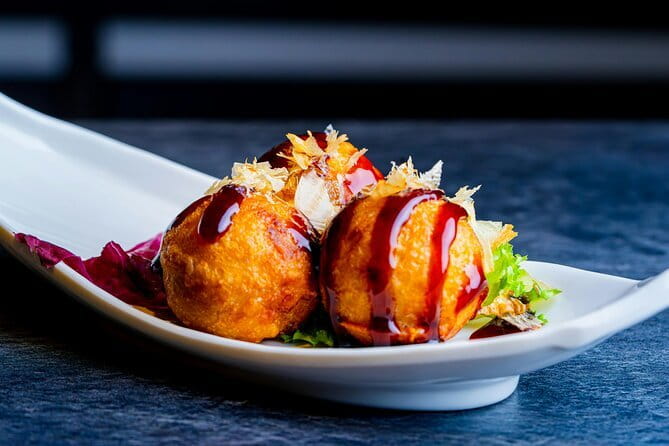
The first stop is Takohachi Dotonbori Main Store, where you start with takoyaki. If you’re new to it, takoyaki are small batter balls cooked in a special pan. The batter includes flour, eggs, and dashi (Japanese broth), plus mix-ins like diced octopus, tempura scraps, pickled ginger, and green onions. When done right, you get that classic contrast: crispy outside, soft and gooey inside.
At Takohachi, the takoyaki typically arrive hot with takoyaki sauce, Japanese mayonnaise, bonito flakes, and dried seaweed. That topping set is not random. The sauce brings sweet tang, the mayo smooths the whole bite, and bonito flakes add that smoky, umami boost. If you’re watching for quality, aim for a takoyaki that still feels lively and warm when you bite into it. Waiting too long usually makes the outside lose some crunch.
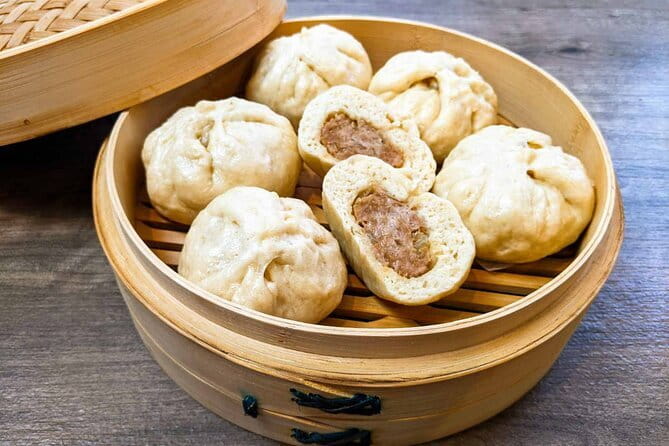
Next comes 551 Horai Ebisubashi honten for nikuman, the steamed bun. Nikuman usually has soft, slightly sweet dough paired with a savory filling, most often ground pork with onions and seasonings like soy sauce, ginger, and garlic (sometimes a touch of sugar too). Steam is the key here. You want the bun to feel fluffy and the filling to taste juicy, not dry.
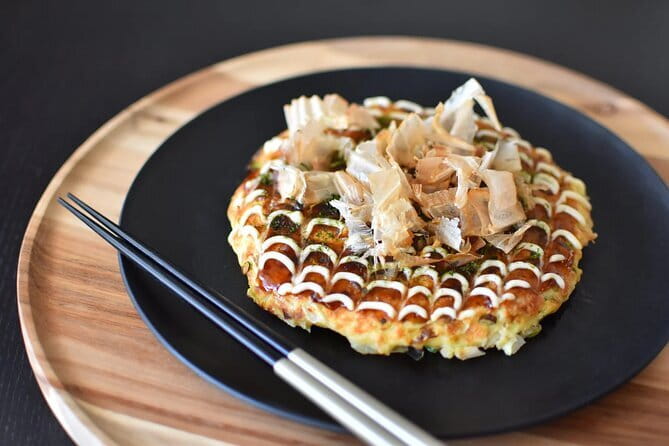
Then you move to Honke Ootako Dotonbori Honten for okonomiyaki. Think of it as a savory pancake built from flour, eggs, shredded cabbage, and options like pork, shrimp, or squid. The name literally points to the point: it’s cooked on a griddle and built as you like it. Once cooked, it’s finished with okonomiyaki sauce, mayonnaise, bonito flakes (that flutter from the heat), and often seaweed flakes.
If you love food with texture, okonomiyaki is a great stop. Cabbage brings crunch and sweetness, the griddle gives browning, and the toppings layer salty-sweet-savory. If the bonito flakes are still fluttering, that’s a good sign the food is served hot enough to show off the signature effect.
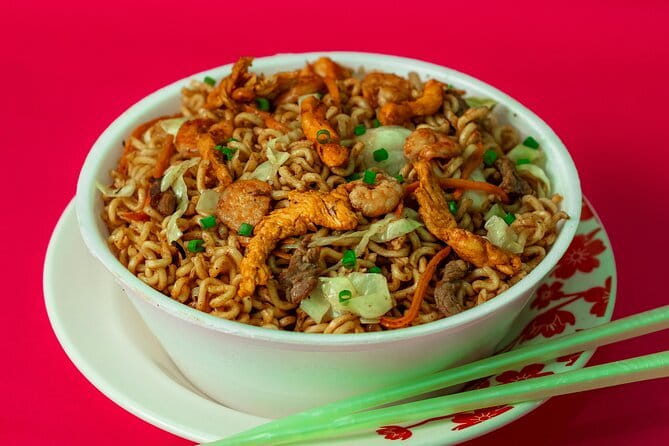
You also get Yakisoba at Takoyaki Dotonbori Kukuru Dotonbori Minami. Yakisoba are stir-fried noodles with vegetables like cabbage, carrots, and onions, paired with pork, beef, or chicken. The flavor comes from a sauce that’s usually a mix of Worcestershire-like tang, soy sauce depth, and ketchup sweetness. Common toppings include pickled ginger, sesame seeds, and sometimes bonito flakes.
This is a good “reset” dish in the middle of a food sequence. It’s filling and savory, and the sauce coats everything. Look for noodles that taste hot and lightly sauced, not oily or cold.
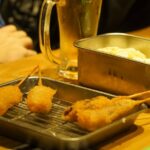
And then there’s karaage at DEARBROS.ディアブロ道頓堀千日前店. Karaage is bite-sized fried meat, commonly chicken, marinated in soy sauce, garlic, ginger, and sometimes sake, then coated and deep-fried until golden. It’s usually served with lemon wedges, and sometimes shredded cabbage.
If you’re strategic, squeeze lemon right before the first bite. That brightens the fried, savory flavor without making it sharp. The best karaage stays juicy inside while the coating stays crisp, so don’t let it sit. Fried food is happiest in the moment you receive it.
Dessert stops that actually make sense after savory food
Osaka desserts on this tour are not just random sweets. They’re chosen because they match the texture and flavor rhythm after all that savory food.
Stop two is Mattari-Purin Dotombori for purin, a Japanese custard dessert often compared to crème caramel or caramel flan. Purin is made with eggs, milk, sugar, and vanilla, cooked gently in a water bath. The result should be silky and soft, then topped with caramel syrup that’s amber and lightly bitter, which balances the sweetness of the custard.
If you want to judge purin quickly, focus on how it wobbles. Good purin sets cleanly but still feels delicate. The caramel should taste like it has some bitterness, not just sugar. That balance is why purin works even after salty dishes.
Later, you’ll hit Lord Stow’s Bakery (Ken’s Papa Marron) for a matcha tart. Matcha desserts are popular in Japan, but this one leans into matcha’s earthy, slightly bitter flavor. The tart pairs that tea taste with creamy filling that may include matcha mixed with white chocolate or cream cheese, all in a crisp buttery shell.
This is a smart choice for people who like tea flavor without it becoming candy-sweet. The crust adds crunch, and the matcha carries a cleaner finish than many chocolate-forward desserts.
Then at Rikuro’s Namba Main Branch, you get Japanese cheesecake, often called cotton cheesecake. Unlike dense Western-style cheesecake, Japanese cheesecake tends to be lighter and spongier. It uses cream cheese, eggs, sugar, and some flour to get that airy texture. It’s baked low temperature for a tender, cloud-like interior and a golden top.
If you like desserts that don’t feel heavy, this is the one. It’s subtle in sweetness and tangy from the cream cheese, so it doesn’t overpower everything you ate earlier. It’s also a nice visual contrast after darker sauces and fried food.
One important note: there are no vegetarian or vegan options listed for the tour. That matters for desserts too, since several of the featured items use eggs, milk, and animal-based ingredients. If you avoid those foods, you’ll likely feel disappointed at multiple stops.
The Glico Running Man sign photo stop, and why it matters

Not every food tour includes a landmark moment, but this one does. You’ll pause at the Dotombori Glico Sign, the Running Man neon billboard near Ebisubashi Bridge. The sign is part of the Glico branding and became an Osaka symbol, first installed in 1935. At night, the lighting makes it a classic photo magnet.
You might think of this as just a photo break, but it’s also a quick “place in your brain” moment. When you see the Running Man in context with the canal-side neon and the street-food energy around it, the district stops feeling like an abstract map and becomes a real neighborhood you can recall later.
Expect a crowd around the sign. The tour time here is short, so if you care about photos, bring your best patience and angle quickly.
Price and value: what $89.47 buys you in Osaka
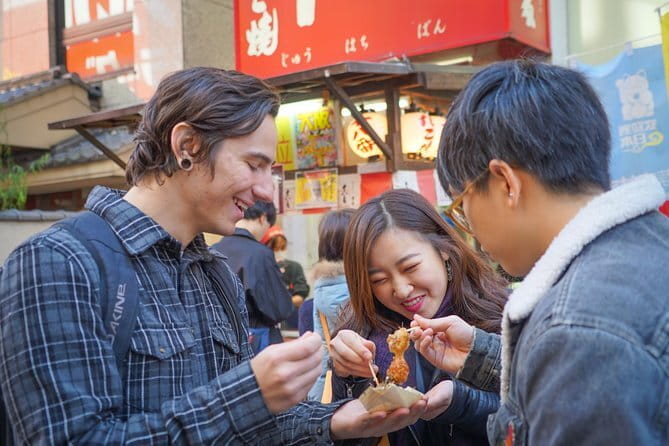
Let’s talk value, because $89.47 is not a tiny add-on.
Here’s what you’re paying for: a guided walk plus lunch and snacks, with gratuities included, and a guide who can help in English or Spanish. Instead of piecing together multiple restaurant visits on your own, you’re assigned a sequence of places that cover a wide spectrum of Osaka favorites.
There are also smaller efficiency wins. You use a mobile ticket, and the tour is designed around a fixed start point and returning end point. Group discounts are listed too, and the tour is capped at 10 people, which can improve how smoothly the experience feels.
Now the trade-offs. This is a food district. If a specific shop has a line, you cannot fully escape that reality. One low score described long waits at stations and food taking forever to arrive. That kind of timing issue can happen on any walking food tour in popular neighborhoods, especially if you land on a peak period.
How do you reduce that risk as a traveler? Go into it expecting that Dotonbori can be crowded. When you feel the pace slow, use it. Watch what the staff are doing, notice the grill and sauce finishing style, and treat the waiting as part of the street-food theater rather than a flaw.
Also, know what’s not included. Extra orders are not included. If you want more than the tastings, you’ll pay for it separately. That’s normal for tours, but it’s good to budget so you’re not surprised when you see menus.
Booking tends to be popular. The average booking window listed is about 21 days in advance, so if your dates are firm, don’t wait until the last moment.
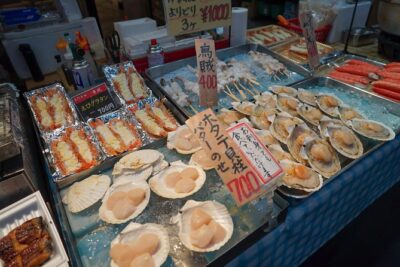
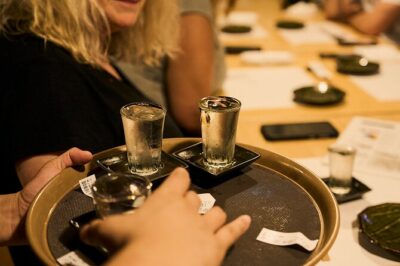
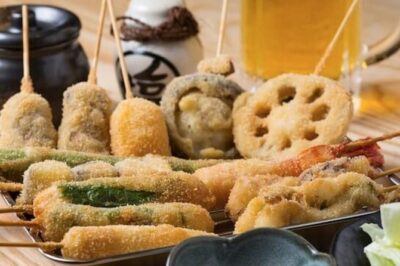
Plates worth crossing Osaka for
Who should book, and who should skip this Dotonbori walk
This tour is a strong fit if you want:
- A first-time introduction to Osaka street food without planning eight separate stops
- A mix of hot savory bites plus multiple dessert types in one outing
- Help reading the food logic, especially sauces and toppings on takoyaki and okonomiyaki
- A small group experience where you’re not battling crowds inside your own tour
It may be a weaker fit if:
- You need vegetarian or vegan options, since none are offered here
- You dislike food lines and fixed timing. You might still queue, even with a guide
- You want fully customized orders. Extra orders are separate, and you’ll be following the tasting sequence
A quick note from feedback: one positive comment singled out a guide named Esteban, praising the variety and the way the group walked through different sections toward each next meal. Another critical note complained about a guide who was not local and about long waits. That split tells you the main variable is pacing and guide execution. You can’t control crowds, but choosing the right time and keeping expectations realistic helps.
My call: should you book this Osaka Eat Like a Japanese tour?

If you’re game for a 2.5-hour food-focused walk through Dotonbori and you eat meat and dairy, I think this tour is worth considering. The mix of takoyaki, nikuman, okonomiyaki, karaage, yakisoba, and three distinct sweets gives you a strong cross-section of Osaka’s street-food identity without requiring heavy planning.
I would only hesitate if you strongly hate lines, because crowded food districts can stretch timing. If you know you’re someone who gets grumpy waiting, bring a little extra patience and treat it as a street-scene experience.
Bottom line: book it if you want convenience, variety, and local guidance in a compact format. Skip it if dietary restrictions apply or if your ideal tour is low queue, high control.
More Good Eating in Osaka
More Tour Reviews in Osaka
Hand the Day to a Local



Latest out of Osaka


Osaka Tours with Local Guides, side by side.
 ★ 4.9Osaka: Namba Pub Bar Crawl with a Local GuideFrom $30424 reviews
 ★ 5.0Osaka 4hr Private Tour with Government-Licensed GuideFrom $109359 reviews
 ★ 5.0Osaka E-Bike Tour with a Local GuideFrom $59219 reviews
 ★ 5.03/4/5 Hours Private Tour in Osaka with Local GuideFrom $95189 reviews
 ★ 5.0Osaka 6hr Private Walking Tour with Government Licensed GuideFrom $155174 reviews
 ★ 4.8Volleyball in Osaka, Kobe & Kyoto with locals!From $6131 reviews
 ★ 5.0Osaka Food Adventure Tour: Walking with a Local GuideFrom $79119 reviews
 ★ 5.0Osaka Early Morning Tour with English-Speaking Guide DotonboriFrom $60110 reviews
Also worth a look in