
REVIEW · OSAKA TOURS
Sharpen Japanese Knives in Osaka
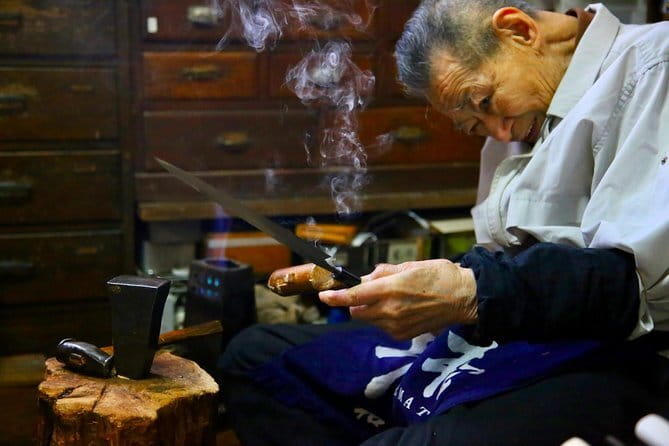
Knife sharpening is art you can feel. In Sakai, the craft is still working. You visit the Sakai Traditional Industrial Hall, then take a hands-on lesson at Wada Store to sharpen a Japanese knife properly with whetstones.
I love that the experience is built around both history and technique. You get a clear look at how different knives are made and used, then you practice sharpening with real instruction instead of vague tips. A second big win for me is the small group size, up to five, which means you can actually ask questions and adjust your technique on the spot.
One consideration: this is a short, focused session (about two hours), so if you arrive unprepared or without a knife, you might feel rushed. Also, it requires good weather, and the booking is non-refundable if you cancel.
Key points before you go
- Knife city Sakai, still in motion: You see how metalwork connects to everyday knife use.
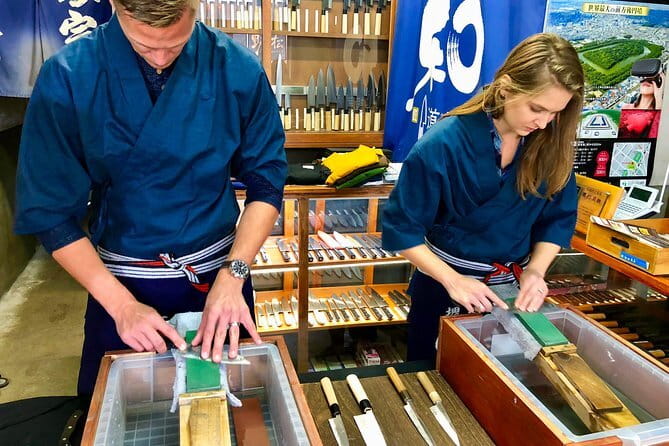
- Hands-on whetstone coaching: You learn a method, not just a demo.
- Traditional handle fitting: You practice putting the handle on the blade.
- Small group attention (max 5): More time with the sharpener and fewer awkward questions.
- Coffee and/or tea included: A real pause before you head back to Osaka.
Why Knife City Sakai Matters (And Not in a Museum-Way)
Sakai is famous for knives, and the best part is that you do not just hear about it. You walk through a place where knife-making and metalworking were serious business long before people started collecting souvenirs.
At the Sakai Traditional Industrial Hall, you can get your head around what knives are for. Different shapes and purposes make sense when you can see the range in front of you. Then, at Wada Store, the lesson makes that history practical. You learn why sharpening is not a random chore, it is a controlled process that affects performance and longevity.
If you care about cooking, this experience also gives you a more respectful relationship with your tools. When you understand what good sharpening is doing to the edge, you are less likely to treat your knife like disposable gear.
Weigh this one against the Osaka bookings people rate highest:
The Walk and the First Meeting: Wada Store and Staying on Schedule
You meet at Wada Store at 1-chōme-1-1 Shinmeichōhigashi, Sakai Ward, Sakai, Osaka 590-0935. The tour runs about two hours, and it ends back at the meeting point, so it is easy to plan the rest of your day in Osaka.
One of the strongest details from real guidance is timing and language support. In one case, the guide (Yuji) met people on time at Sakai station and then walked about a half mile to the knife hall area. That tells you two practical things: first, expect a bit of walking, and second, the guide will keep the day moving with clear explanations.
Do not overpack the schedule on either side. Aim for a calm start, because once you get into the lesson, you will want your focus.
Stop 1: Sakai Traditional Industrial Hall and the Range of Knife-Making
This first stop is about 30 minutes and the admission ticket is free. You will spend that time learning how many knives exist for different purposes, and how they are made by hand.
This matters because Japanese knives are not all the same category of tool. When you see how the craft thinks in terms of purpose, you stop imagining sharpening as one-size-fits-all. Instead, you start to connect sharpening technique to what you will actually use the knife for, like slicing, chopping, or precision work.
Practical tip: use this stop to ask yourself what knives you own. In the next phase, you will be sharpening something specific, so paying attention now helps you absorb the lesson better.
Stop 2: Wada Store Sharpening Lesson With Whetstones (Plus Handle Fitting)
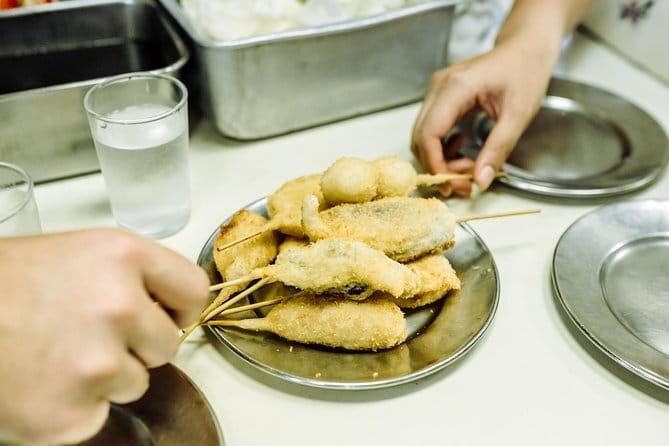
The main event happens at Wada Store for about 1 hour 30 minutes, and the admission is included.
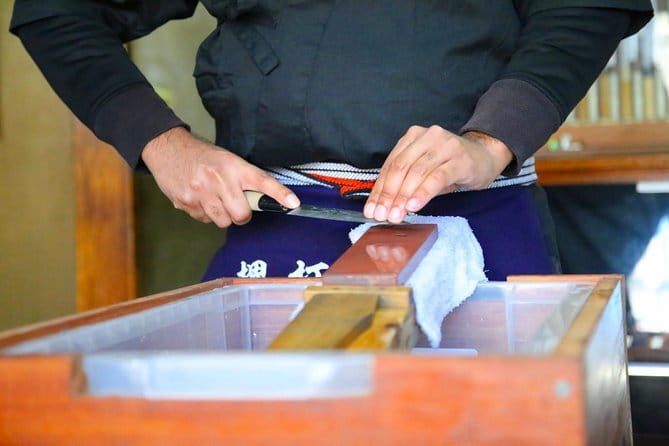
You work with a sharpener and practice using whetstones. You learn how to sharpen the knife properly, step by step, rather than being handed a quick show-and-go demo. This is the part where technique sticks, because your hands are doing the work while the guide adjusts your angle and approach.
A detail I really like is that you do not just sharpen the blade. You also learn how to fit the handles into the blades traditionally. That turns the experience from a one-time edge refresh into a deeper understanding of how the whole tool is built and maintained.
If your knife has a handle that you have never been able to remove or reattach confidently, you will probably appreciate the care and order that go into the traditional method. It is the kind of skill that makes you feel more like a crafts person and less like a spectator.
What You Learn That Actually Helps Your Next Meal
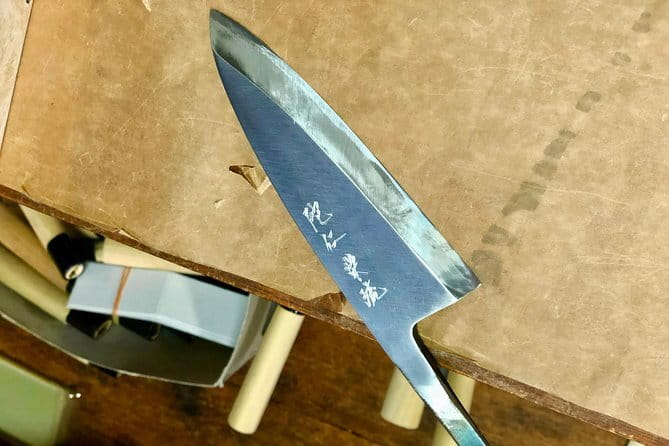
The lesson is short, but the goal is clear. You leave with a usable sharpening approach you can repeat when your knife starts feeling dull.
Here are the skills this kind of workshop is designed to give you:
- How to control sharpening instead of guessing
- How to work with whetstones efficiently
- How to think about the edge as a system, not just a blade
- How to handle the knife construction with respect, especially the handle fit
Even if you only sharpen occasionally, you will likely notice the benefit quickly. A sharper knife is not just about cutting food faster. It is about feeling in control when you slice, and needing less force.
Also, you will probably understand why dull edges can be stubborn. Sharpening is what sets up clean cutting, and whetstones are a direct way to do that, if you learn the right method.
Small Group Size and Why It Feels Personal

This experience caps at 5 travelers, and it shows. With a group that small, the guide can watch what you are doing and correct small issues before they become bad habits.
That one-on-one attention is especially useful during sharpening, because small differences in angle and pressure can change the results. It also helps you feel comfortable asking questions, including questions that might sound simple but matter, like what you should focus on first or what to avoid while working the stone.
The best value of a small group is not just comfort. It is precision coaching. You get better faster.
What’s Included, and What You Should Bring

You are provided with:
- an apron
- tools for sharpening knives
- your knife
- coffee and/or tea
So you do not need to bring sharpening tools. The experience expects you to use your own knife, which is a good thing. If you sharpen a knife you actually own, the lesson becomes immediately relevant, not theoretical.
What I recommend you bring or plan for:
- Your knife in usable condition
- Comfortable shoes if you end up doing a short walk between the station area and the knife hall
- A willingness to slow down and learn with your hands, because sharpening is one of those skills where speed kills accuracy
If you do not feel comfortable with the idea of working with stones and a blade, it is still worth doing. The guide and sharpener are there to help you get through the steps safely and correctly.
And yes, the coffee and/or tea is a small but real morale boost. You get a break that makes it easier to focus during the hands-on part.
Time, Price, and Value for Money

The price is $213 for about two hours, with a mobile ticket.
Is it expensive? In Japan, short workshops often sit in the mid to high range, especially when you are learning a craft skill and getting dedicated coaching. Here, what makes the value feel right is that you are not only watching. You are learning sharpening with whetstones, plus you are practicing traditional handle fitting.
Think of it as paying for three things:
- Access to the Sakai knife-making context through the knife hall stop
- Hands-on instruction, including the whetstone method
- Guidance for the full knife setup, including handle fitting
If you have cooked your way through Osaka with decent knives at home and you want better performance, this is the kind of workshop that pays off after you return. It is a skill you can reuse.
Who Should Book This Workshop (And Who Might Pass)
This works best if you:
- own Japanese knives or plan to get one
- enjoy hands-on activities more than passive tours
- want a craft experience connected to Osaka’s regional identity
- like small groups where you can ask questions easily
It might be less ideal if you:
- only want quick photos and stories, with no practice required
- hate the idea of spending most of the time in a focused workshop environment
- are traveling with a super tight schedule where a weather disruption would be hard to absorb
Also, it is designed so most travelers can participate, which is a plus if you are coming solo or with mixed ages in your travel crew.
Should You Book Sharpen Japanese Knives in Osaka?
I think you should book it if you want a genuine skill, not just a cultural stop. Sakai knife craft has meaning when you can connect the history to what your knife does on a cutting board, and this workshop is built to do exactly that.
The big reasons to go are the hands-on coaching with whetstones, the small group size, and the chance to learn traditional handle fitting. If that sounds like your kind of travel, you will leave with something more useful than a postcard.
If you are on the fence, ask yourself one question: do you want to leave with a technique you can repeat? If yes, this is a strong match.
FAQ
How long is the knife sharpening experience?
It lasts about 2 hours.
Where is the meeting point?
The meeting point is Wada Store, 1-chōme-1-1 Shinmeichōhigashi, Sakai Ward, Sakai, Osaka 590-0935, Japan. The activity ends back at the meeting point.
How many people are in the group?
The tour has a maximum of 5 travelers.
What is included in the lesson?
Included items are an apron, tools for sharpening knives, your knife, and coffee and/or tea.
Do I need to bring my own knife?
Yes. The tour includes your knife, meaning you should bring your knife to sharpen.
What do you do at the Sakai Traditional Industrial Hall?
You learn about how many knives exist for different purposes and how they are made by hand.
What if the weather is bad?
This experience requires good weather. If it is canceled due to poor weather, you will be offered a different date or a full refund.
Can I cancel and get a refund?
This experience is non-refundable and cannot be changed for any reason.
More Tour Reviews in Osaka




Latest out of Osaka


Osaka Tours, side by side.
 ★ 5.0Osaka Go Karting Tour with Funny CostumeFrom $462,658 reviews
 ★ 4.5Osaka Castle: Museum and Tower Entry TicketFrom $72,380 reviews
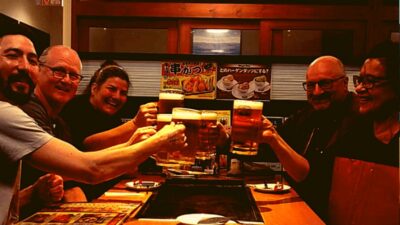 ★ 4.8Osaka: Shinsekai Food Tour with 13-15 Dishes at 5 EateriesFrom $532,204 reviews
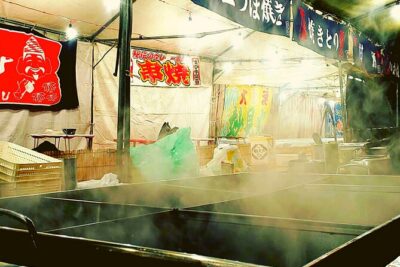 ★ 5.0Osaka Food Tour: 13 Dishes at 5 Local EateriesFrom $732,149 reviews
 ★ 4.5Osaka: teamLab Botanical Garden Entry TicketFrom $111,710 reviews
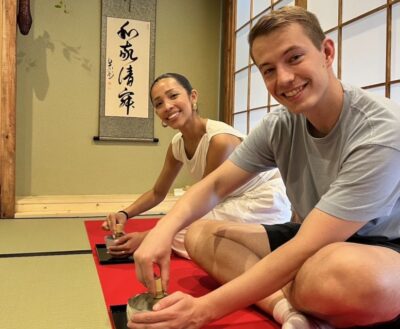 ★ 4.9Osaka: Tea Ceremony ExperienceFrom $251,426 reviews
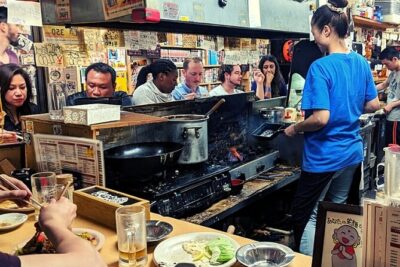 ★ 5.0Osaka Kickstart: Hotspots & Hidden Gems TourFrom $311,306 reviews
 ★ 5.0Deep Backstreet Osaka Tours (Option to add Dinner)From $531,290 reviews