
Some evenings in Osaka slow your brain down fast.
This 1-hour evening Zen chill experience pairs temple ritual, guided sitting meditation, and a matcha tasting in a quiet setting at dusk, with lantern light, incense scent, and Japanese music in the background.
I especially love the hands-on way they teach zazen. You get clear guidance on posture and breathing, not just sit-and-hope. And I also like the end-of-session tea moment, where you get chilled matcha, matcha ice cream, and a mini lesson behind the tea ceremony spirit.
One thing to consider: the program can feel very still and quiet. If you are looking for big sightseeing energy, this is the opposite kind of outing, and you’ll want to be okay with a calm, small-group pace.
Key highlights worth showing up for
- Small group of up to 3, so the guidance feels personal
- Two guided zazen sessions (10 minutes each) with posture and breathing tips
- Worship and incense offering with explanation of meaning and history
- Kneaded-incense meditation designed to clear your mind and body
- Chilled matcha plus matcha ice cream, finished with traditional sweets
- Yukata + a smartphone photo, done simply, without making it awkward
A calm Osaka evening at a quiet temple
Osaka can feel loud. This is the pause button. You’re stepping into a temple setting where the sensory world is basic and honest: incense, soft sound, and lantern glow at dusk. The point is not to cram information into your day. The point is to leave with your head feeling cleaner.
I like that this experience is built like a guided “reset.” You start with a sacred Buddhist ritual of worship and incense offering, you move into meditation with real instruction, then you finish with a tea experience that’s both tasty and thoughtful. It’s a full arc that makes sense, especially if you’ve been hopping around cities.
You should also know what kind of “Zen” this is. It’s not a mysterious performance. It’s practical, taught step by step. You will be given structure, and you can follow along even if you’ve never sat in zazen before.
Quieter courtyards nearby
Ritual worship and incense offering, with the why behind it
The session begins with worship and incense burning. You’re not just watching incense go up in smoke. You get explanations of the ritual’s history and meaning, so the actions feel grounded instead of random.
This matters for two reasons. First, incense in Japanese temple culture is not only about scent. It’s part of a devotional practice. Second, when you understand what you are doing, you stop treating the moment like a photo op. You slow down because you know what the steps are for.
You’ll also notice the smell. Incense can be strong in a good way, like a focus tool. Even if you are sensitive to scent, you usually control how close you stand during the ritual, and the guide’s explanations help you stay present instead of bracing.
A small but smart detail: you’re guided in a way that fits a small group. There’s time to ask questions, not just a checklist that moves on without you.
Kneaded-incense meditation, a different kind of stillness
After the worship portion, you’ll do a special meditation using kneaded incense. This part is built to help you clear and refresh your mind and body. The concept sounds simple, but the intention is clear: you are focusing on a specific physical action as a bridge into calm.
Why this works for a lot of people is because it gives your attention a task. Your mind stops trying to invent distractions. Instead, you’re using touch and scent as your anchor. And since the guide explains what you are meant to feel and how to shift your focus, it stays approachable for beginners.
This meditation is also where the experience starts feeling more personal. You’re not only learning what Zen is. You’re doing a version of it, guided in real time.
Two zazen sessions, posture and breathing that actually help
Next come the two 10-minute zazen sittings. Each one is guided, with insights into origins and meaning, plus practical training on posture and breathing techniques.
Ten minutes can sound short. But in meditation, short is good. It’s long enough to feel yourself settling, but short enough that you don’t get trapped in restlessness. That’s especially helpful if you’re new. It also means you can adjust during the session rather than suffering through.
What I like here is the emphasis on the basics: posture and breathing. Those are the two things that make or break a first meditation. If your back is tense or your breathing gets tight, your “mindfulness” becomes just physical discomfort. Clear instruction gives you a better chance to experience the calm instead of fighting your body.
If you prefer structure, you’ll appreciate that the guide uses the session to teach, not just to observe.
Tea ceremony time: chilled matcha, matcha ice cream, and sweets
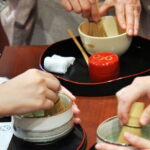
The ending is the easiest part to look forward to, but it’s also the most culturally meaningful for many people. You get a refined tea experience featuring chilled matcha tea and matcha ice cream, plus original Japanese sweets.
This is not just dessert with a label. You also learn about the deep history and spirit of the tea ceremony. That combination is powerful. You taste the flavors, then you understand why they were chosen and what the ritual is trying to cultivate: calm attention, respect, and a kind of quiet gratitude.
Chilled matcha is a smart twist for an evening. It feels soothing and refreshing, especially at dusk when you’ve cooled down from walking. And the matcha ice cream adds variety without breaking the vibe. You get a gentle sweetness that matches the calm you’ve been working on.
The sweets are another small win. It turns the end of the session into something you can savor, not just something you finish quickly.
Later nights in Osaka
Yukata, incense scent, and a simple smartphone photo
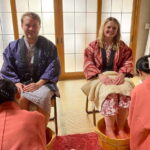
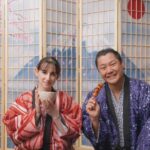
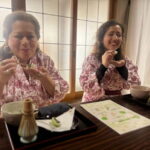
One of the most fun parts is also the simplest: you wear a simple yukata and have your photo taken with your smartphone.
This is a nice contrast to the meditation. You get a moment that feels like being part of the culture, without turning the whole experience into a costume party. It also makes a good memory because it ties directly to what you just experienced at the temple, not just a random street shot.
The experience also leans into ambiance. Lantern light, incense scent, and Japanese music work together to keep the mood soft. It’s the kind of sensory calm that makes meditation feel easier. When the environment supports quiet, your brain has fewer reasons to stay stressed.
Price and what $64 really buys you
At $64 per person, this isn’t a cheap activity, but it is also not overpriced for what you get. You’re paying for more than “a place to sit.” You’re paying for guided instruction, ritual explanations, meditation coaching, tea service, sweets, and clothing plus a photo.
Here’s how the value adds up in real terms:
- The session includes guided ritual worship + incense offering, not just watching from the edge
- You get structured meditation time (two zazen sessions) with guidance on posture and breathing
- You get a complete matcha tasting experience with chilled tea, matcha ice cream, and sweets
- A yukata is included, plus the smartphone photo moment
- The small group limit to 3 participants makes the instruction feel less rushed
If you’re comparing it to a standard walking tour, this costs more. But it’s also a different goal. A walking tour helps you see places. This helps you slow your internal pace and actually learn a practice you can carry home.
So, if your travel style includes quiet experiences, thoughtful breaks, and meaningful food moments, the price starts to make sense fast.
Timing details: 75 minutes booked, 60 minutes of program
You’ll see duration listed as 75 minutes, but the experience time is 60 minutes. In practice, that difference usually accounts for time around the session itself, like getting set up and settling into the temple atmosphere.
It runs in the evening, with the calm feeling that comes from being there at dusk. One review specifically suggested afternoon for a more comfortable fit, which makes sense if you like a less late start or want a smoother transition into dinner afterward.
If you’re planning dinner right after, I’d plan extra time. You’ll likely come out calmer than you expect, and you might want a slow walk afterward instead of rushing straight into the next thing.
Small group sessions, and why that matters for first-timers
The session is limited to 3 participants. That small size changes the experience. You’re more likely to get personal attention during zazen, and questions land faster. It also makes it easier for the group to stay quiet and focused.
Some people get the experience with just a couple of participants, which makes the whole session even more intimate. Even when it’s not private, it still feels less like a class and more like a guided temple visit.
If you are a solo traveler, this is a good fit because you won’t feel swallowed by a crowd. If you are a couple, it can feel especially gentle because the atmosphere stays respectful and low-key.
Meeting point tips so you do not get lost
This is important. The meeting point instructions are specific, because the wrong search can land you at the back entrance.
- For Google Maps, enter Japanese Massage -the one&only-
- If you cannot find it, search the restaurant Tossa de coracao, and look for where the provider is next to it
- If you search using the temple name, you might end up at the back entrance and get lost
This is one of those situations where five minutes of smart searching beats twenty minutes of wandering while you’re trying to get into a calm mindset.
Who should book this Osaka Zen chill session
This experience is a strong match if you want one of these outcomes:
- You want guided meditation with posture and breathing coaching
- You like Japanese culture that includes ritual and food, not just landmarks
- You prefer small groups and a peaceful pace
- You want a matcha experience that feels connected to the ceremony spirit
It may be less ideal if you want a fast-paced itinerary, nonstop English narration, or a heavy focus on sightseeing. This is quiet work. You will spend more time sitting than walking.
What also helps: bring comfortable clothes. You’ll be given the yukata, but you still need something easy for the lead-in and any movement between parts of the session.
Should you book this Osaka temple Zen experience?
Yes, if you want a real reset and you enjoy stillness, tea culture, and guided practice. This is the kind of activity that can fix a rough travel day. It can also deepen an already good Japan trip by giving you an experience that is both calming and structured.
Before you book, decide what you’re craving. If you want a peaceful evening where your mind slows down, you’ll likely love it. If you want loud sights and constant action, look elsewhere.
If you do book, I’d choose a time that fits your energy level. Evening can be perfect for the lantern atmosphere, but if you want an easier rhythm, consider the afternoon timing advice you’ll often see from people who prefer a more relaxed lead-in.
FAQ
How long is the Osaka Temple Zen Chill Experience?
The booking duration is 75 minutes, and the experience time is 60 minutes.
How big is the group?
It’s a small group limited to 3 participants.
What’s included in the experience?
You’ll get worship and incense burning, Zen meditation, matcha experience (chilled matcha and matcha ice cream), original Japanese sweets, a simple yukata, and a photo taken with your smartphone.
What should I bring or wear?
Bring comfortable clothes. You’ll wear a simple yukata during the experience.
What languages are spoken?
The instructor speaks Japanese and English.
Where is the meeting point in Google Maps?
Use Google Maps search for Japanese Massage -the one&only-. If you have trouble, search for the restaurant Tossa de coracao, and the provider is right next to it.
What is the cancellation policy?
You can cancel up to 24 hours in advance for a full refund.
Slower Mornings in Osaka
After the Last Train





Quieter Courtyards in Osaka
Latest out of Osaka


Osaka Temple & Shrine Visits, side by side.
 ★ 4.9Osaka: Minoh, Katsuoji Temple, & Minoh Falls Full-day TourFrom $135172 reviews
Full Day Kyoto Tour : Bamboo Forest, Golden Temple, Fushimi InariFrom $10584 reviews
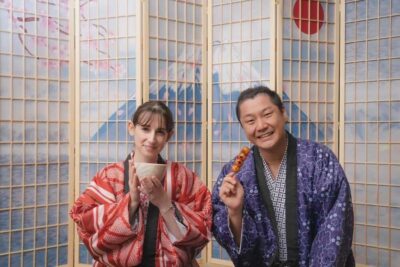 ★ 4.9Osaka Temple Cool Foot Bath & Matcha Experience〈45min〉From $3482 reviews
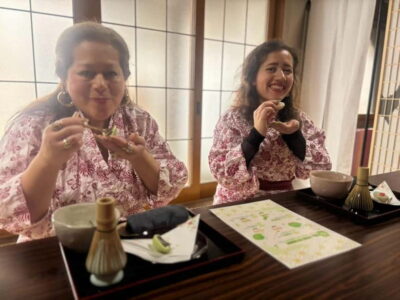 ★ 5.0Osaka: Mind & Spirit Balance Temple Reiki HealingFrom $16141 reviews
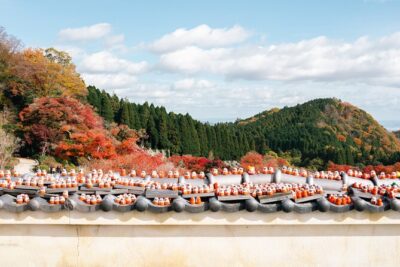 ★ 4.0Katsuo-ji Temple, Arashiyama Forest, & Nara ParkFrom $9137 reviews
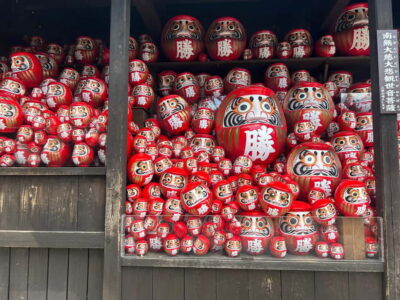 ★ 4.7Osaka: Minoh Waterfall & Katsuo-ji Temple Half-Day TourFrom $4727 reviews
 ★ 5.0Osaka Half-day E-bike Adventure: Minoh Falls & Katsuoji TempleFrom $3425 reviews
 ★ 5.0Osaka Temple Head Spa &Matcha Facial – Refresh & Glow〈90min〉From $14124 reviews