
REVIEW · OSAKA TEMPLE & SHRINE VISITS
Osaka Temple :Warm Bamboo Oil Massage – Deep Restore〈90min〉
Quiet, peaceful, and surprisingly physical in a good way. This Osaka temple experience pairs a warm bamboo oil massage with Zen rituals, matcha, and a yukata moment, all in a small group. I especially love how the massage is built around relaxation plus myofascial bamboo release, and how the tea ceremony actually explains what you are seeing instead of rushing you through it. One thing to consider, Zen meditation may be shared with other guests unless you request a private experience.
You also get the practical “soaking it all in” pacing. It runs about 2 hours total, with a focused 90 minutes for the massage and bodywork, then you finish with calm tea time and a commemorative photo you can keep.
Key Highlights You Should Care About
- Warm bamboo and oil bodywork focused on deep restore, plus hand oil massage and myofascial release work
- Zen meditation with bell and incense in a real temple setting, not a performance
- Matcha tea ceremony and Japanese sweets with cultural and historical explanation
- Yukata welcome and a photo keepsake you can take home right away on your phone
- Small group size of 3 plus bilingual guidance (English and Japanese)
How the Osaka Temple Experience Actually Feels
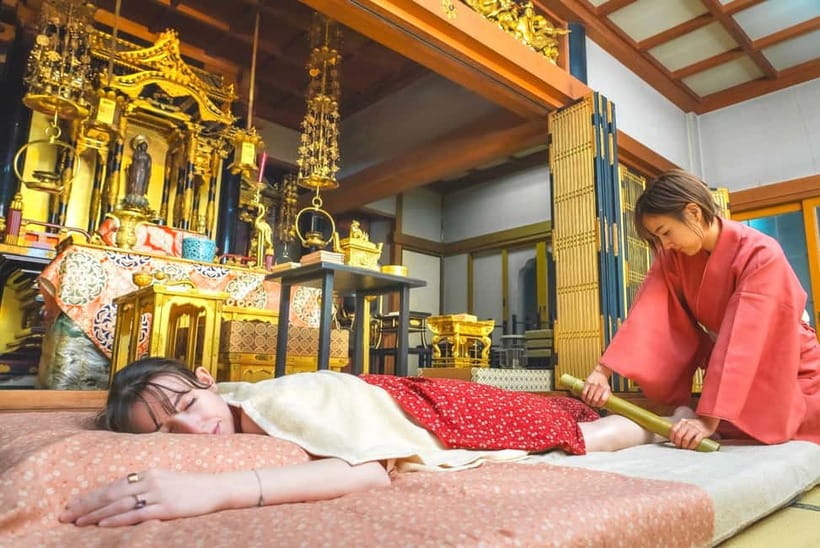
This is not just a massage appointment dropped into a temple building. The format is designed like a full ritual arc, from arrival and incense to stillness in meditation, then massage bodywork, then tea and sweets. If you like your travel to feel grounded, this kind of structured calm is a win.
The energy is gentle but intentional. The schedule moves step by step, so you are not thinking too hard about what comes next. And because the group is limited to 3 participants, you get a more personal pace than you would in big tours.
Quieter courtyards nearby
Finding the Place in Osaka, the No-Stress Way
Logistics matter here because the meeting point can be confusing if you type the wrong name into Google Maps. Use this map search term: Japanese Massage -the one&only-. If you use the temple’s name, you may end up at a back entrance and get turned around.
If you are stuck, search for the restaurant Tossa de coracao. The meeting spot is right next to it. I love details like this because it saves that annoying last 15 minutes of walking while you are already in travel-mode.
Welcome Yukata, Incense Offering, and Temple Context
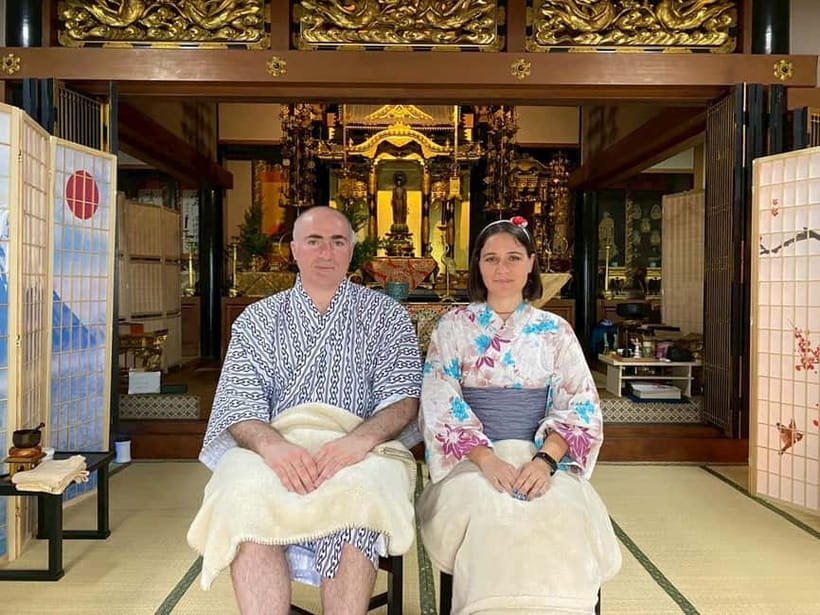
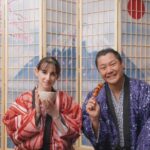
You start by changing into a simple yukata, then you are welcomed with a drink. It is a small touch, but it sets the tone. You go from street Osaka to temple atmosphere quickly.
Then comes the incense offering and prayer. You are not just asked to follow gestures. You get an introduction to the temple’s history and Japanese worship culture. That matters, because incense and prayer are common across many places in Japan, but the meaning and rhythm can feel different depending on the setting. Having context helps you participate without guessing.
You also get included ritual elements tied to the meditation portion. There is prayer and incense, then later Zen meditation includes bell and kneaded incense. The flow is meant to feel like one continuous experience, not separate “activities” you check off.
Zen Meditation With Bell and Kneaded Incense
The meditation part is one of the most distinctive aspects of the day. You will sit for Zen meditation with a bell, and the experience includes kneaded incense. This is the calm intermission that makes the bodywork feel more than just a spa service.
One practical note: Zen meditation may be shared with other guests. If you want extra quiet or more space to focus, make sure you request a private experience. With a small group overall, the shared format is usually manageable, but it is still good to know the rules ahead of time.
If you have ever tried meditation on your own, you know the hard part is not sitting. The hard part is letting yourself stop planning. The bell and guided ritual give you an external rhythm to follow, which makes it easier to let your mind settle.
Foot Bath, Scrub Massage, and the Lead-In to Bamboo Oil
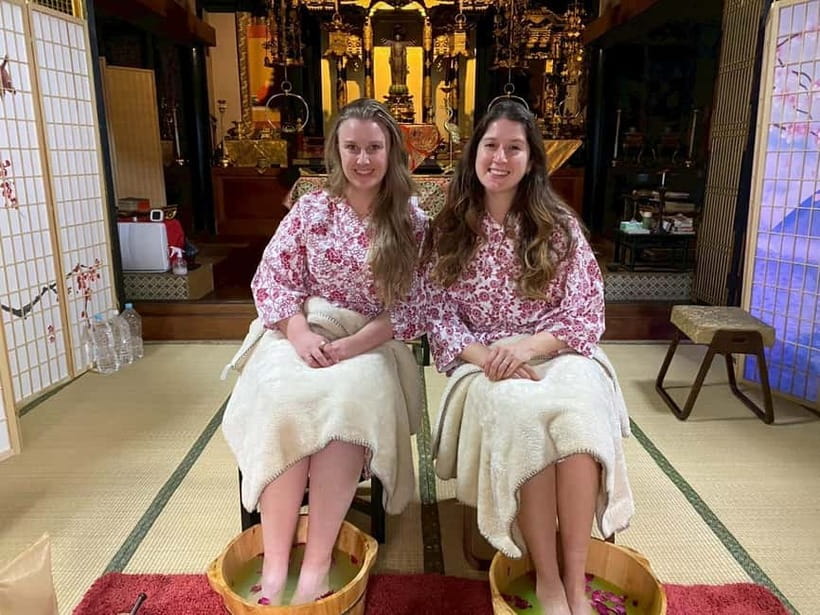
Before the main massage, you do a foot bath and a scrub massage. This is smart, because feet are where tension often collects during sightseeing days. It also primes your body for the warmer, more intensive work to come.
The foot bath and scrub are not treated like an afterthought. They function like a transition from the temple stillness into physical restoration. You get a sense that someone thought about your whole experience, not just the most profitable part.
And yes, the bodywork includes aroma massage with bamboo. Bamboo can sound like a gimmick if you have only seen it on postcards. Here, the idea is more about warmth and deep pressure work that feels steady and deliberate.
Warm Bamboo Oil Massage, Myofascial Release, and Deep Restore
Now to the reason many people book: the warm bamboo oil massage for deep restore, plus myofascial release. The session is 90 minutes, which is a solid chunk of time. Short massages can be nice, but they often leave you still tense. Ninety minutes gives the work enough time to actually change how you feel.
The massage includes warm bamboo and hand oil massage. The warmth helps you soften your muscles, and the bamboo adds a different kind of pressure than typical hands-only work. Myofascial release is about addressing how muscles and surrounding connective tissue feel “tight” together, not just chasing sore spots.
I also like that the experience does not claim to be medical treatment. It is presented as restoration and relaxation. That keeps expectations grounded. You should come expecting a deeply soothing bodywork session in a calm environment, not a cure-all.
The experience description also mentions Reiki as a non-contact Japanese energy healing method that promotes deep relaxation and emotional balance. Reiki is not described as a hands-on medical procedure here. If energy work is your thing, it may be part of your overall relaxation arc.
Matcha Tea Ceremony and Japanese Sweets That Teach Something
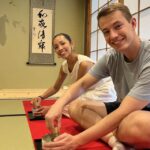
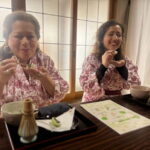
After the massage, you shift into matcha time. The tea ceremony is included, and it comes with cultural and historical explanation. This is a big difference between “sit down and drink tea” and “learn why this exists.”
You get matcha experience, original Japanese sweets, and explanation that helps you read the ritual with more understanding. Tea ceremonies are often reduced to aesthetics online. Here, the point is also mindfulness and hospitality. You are being taught how to slow down, taste, and appreciate the moment.
This part is also a practical reset. If you have been walking all day, your body is likely calm but your brain might still be running. Tea with explanation gives your mind a gentle way to land.
The Yukata Photo Moment, Plus Smartphone Keepsakes
Near the end, you wear your yukata again for a commemorative photo. If you have ever tried to take your own photo at temples, you know it can be awkward. Here, you get the help you need.
You also receive complimentary smartphone photos of your experience in the temple. That means you are not stuck with shaky selfies or missing shots of the ritual moments you care about. It is a thoughtful value add, especially if you travel with only a phone and no camera setup.
Price and Value: Is $129 Worth It?
At $129 per person, this costs more than a basic massage. But it is not a plain massage stand-alone. You are paying for a full temple experience package: incense and prayer introduction, Zen meditation, foot bath and scrub massage, warm bamboo oil bodywork, matcha tea ceremony with explanations, sweets, yukata, plus the photo keepsake.
What makes it feel like good value is the time structure and the attention to culture. The session is 2 hours total, which is long enough to feel complete. The 90 minutes of massage gives real bodywork time. And the tea ceremony is not filler, because it includes cultural and historical context.
This is also a good deal if you would otherwise spend money on multiple experiences. Many Japan tours split culture activities and spa activities into separate bookings. Here they are bundled with a coherent theme.
Who Should Book This Osaka Temple Massage
This experience fits best if you want one of these:
- A calm day in Osaka that mixes body restoration and Japanese ritual
- A small group setting where you are not swallowed by a crowd
- A massage that is more specific than generic deep tissue
- A tea ceremony that teaches you while it relaxes you
It may be less ideal if you want a fast, high-energy sightseeing schedule. This is about slowing down. Also, if you strongly prefer totally private meditation time, plan for a private request, since meditation may be shared.
Should You Book This Bamboo Oil Massage at an Osaka Temple?
I think you should book it if you want a restorative day that feels authentic and guided. The strongest parts are the warm bamboo oil massage, the calm Zen meditation setting, and the way the tea ceremony includes explanation instead of just pouring matcha and moving on. The small group size helps the atmosphere stay personal.
If you are picky about privacy during meditation, ask about a private experience right away. If you like rituals with structure, you will probably love how each step leads to the next.
If your main goal is simply the cheapest massage in Osaka, look elsewhere. But if your goal is a meaningful, soothing temple experience that still treats your body seriously, this is a very solid pick.
FAQ
How long is the Osaka temple warm bamboo oil massage experience?
The total experience lasts about 2 hours. The massage component is 90 minutes.
What is included with the massage?
You get a warm bamboo and hand oil massage, along with foot bath and scrub massage, plus aroma massage with bamboo.
Do I change into a yukata during the experience?
Yes. You are welcomed with a drink and change into a simple yukata.
Is there meditation or just massage?
There is Zen meditation included. It uses a bell and also includes kneaded incense as part of the ritual.
Is a tea ceremony included?
Yes. You get a traditional Japanese tea ceremony with matcha experience and Japanese sweets, along with cultural and historical explanation.
Will I receive photos?
Yes. You get complimentary smartphone photos of your experience in the temple to take home as a keepsake.
What language are the instructors speaking?
The instructor provides guidance in English and Japanese.
Is the meditation private?
Zen meditation may be shared with other guests unless you request a private experience.
Where should I go in Osaka?
For the map, search for Japanese Massage -the one&only-. If you cannot find it, search for the restaurant Tossa de coracao, and you will be right next to it.
More Tour Reviews in Osaka

Quieter Courtyards in Osaka
Latest out of Osaka


Osaka Temple & Shrine Visits, side by side.
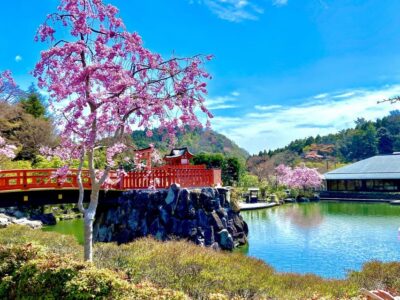 ★ 4.9Osaka: Minoh, Katsuoji Temple, & Minoh Falls Full-day TourFrom $135172 reviews
Full Day Kyoto Tour : Bamboo Forest, Golden Temple, Fushimi InariFrom $10584 reviews
★ 4.9Osaka: Minoh, Katsuoji Temple, & Minoh Falls Full-day TourFrom $135172 reviews
Full Day Kyoto Tour : Bamboo Forest, Golden Temple, Fushimi InariFrom $10584 reviews
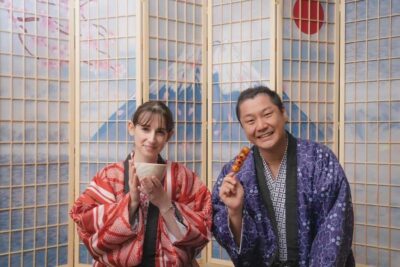 ★ 4.9Osaka Temple Cool Foot Bath & Matcha Experience〈45min〉From $3482 reviews
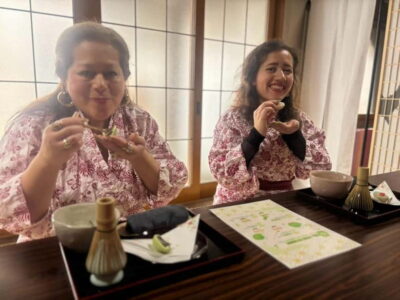 ★ 5.0Osaka: Mind & Spirit Balance Temple Reiki HealingFrom $16141 reviews
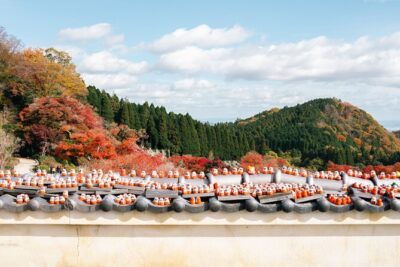 ★ 4.0Katsuo-ji Temple, Arashiyama Forest, & Nara ParkFrom $9137 reviews
 ★ 4.7Osaka: Minoh Waterfall & Katsuo-ji Temple Half-Day TourFrom $4727 reviews
 ★ 5.0Osaka Half-day E-bike Adventure: Minoh Falls & Katsuoji TempleFrom $3425 reviews
 ★ 5.0Osaka Temple Head Spa &Matcha Facial – Refresh & Glow〈90min〉From $14124 reviews
Also worth a look in