
REVIEW · OSAKA TOURS
Osaka Sushimaking Experience
Sushi and photos, all in one tidy workshop. This Osaka class is all about learning from a local sushi chef, not just watching from the sidelines, plus you get a fun getup for pictures. I like the hands-on guidance (slow, clear steps) and the English-subtitled intro that helps you jump in right away. One possible downside, worth planning for, is that drinks like bottled water are not included, so you may want to grab some nearby.
The overall vibe is friendly and organized. The shop is described as clean and cute, and the chef-led process focuses on core skills like preparing sushi rice and shaping sushi so you actually walk away feeling you can do it.
The main tradeoff is time. At about 1 hour 30 minutes, you will make sushi, but it is not a long, deep training program for advanced techniques or heavy theory.
Key things to know before you go
- A chef-led class, not a demo, so you actively make sushi.
- English-subtitled video sets you up before you start cooking.
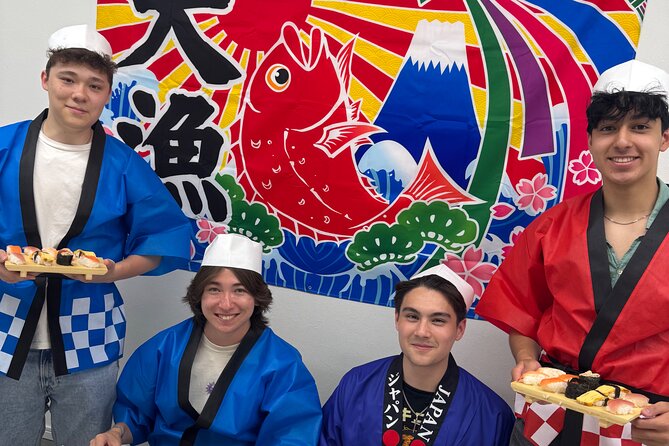
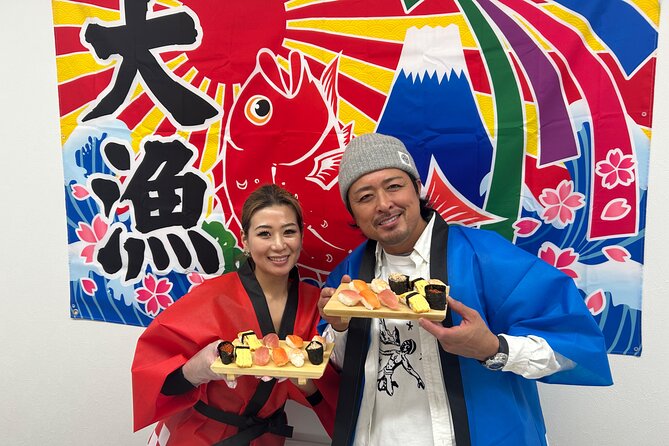
- Happi coats and masks give you that restaurant feel for photos.
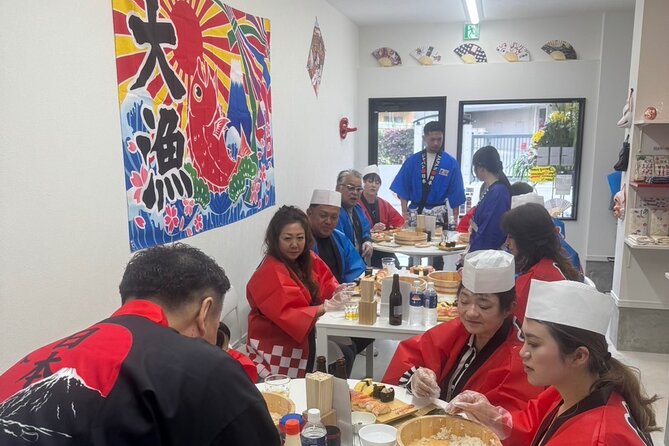
- Small groups up to 16 people helps you get attention when needed.
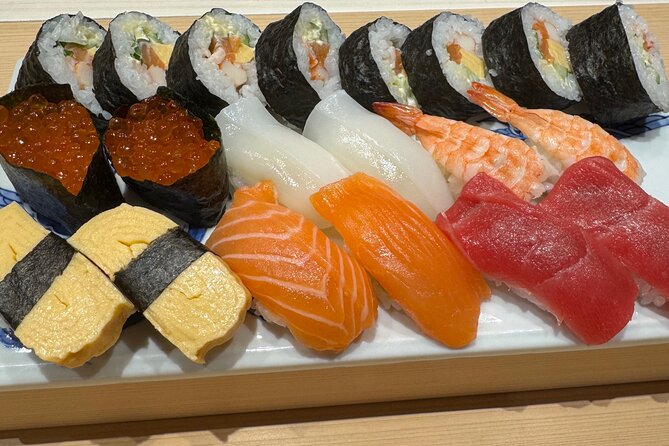
- Meals are included, meaning you eat what you make (per the experience flow).
- Souvenir corner adds a little extra on the way out.
What you get for $22.80 in Osaka
At $22.80 per person for about 1 hour 30 minutes, this sushi-making experience sits in that sweet spot where you pay for a skill-and-fun activity rather than just a meal. The value comes from the combination: you learn real steps from a sushi chef, you get the gear for photos, and you leave with sushi you made yourself.
I also like that the experience is set up so you can participate even if you have limited Japanese. The intro includes a video with English subtitles, and the chef and staff guide you through tasks at a comfortable pace. That matters, because sushi rice and shaping can feel intimidating on your first try.
The only clear budgeting catch is the drink situation. Bottled water and soda/pop are not included, and alcohol is also not included. If you know you will want something to sip during your class, plan to buy it separately before you start.
Weigh this one against the Osaka bookings people rate highest:
Where Shin-Imamiya fits, and how to find the place
This workshop happens in Osaka’s Shin-Imamiya area, with the meeting point at 3-chōme-15-8 Ebisunishi, Naniwa Ward, Osaka, 556-0003, Japan. The tour start and end at the same spot, so you do not have to stitch together transportation between multiple stops.
The good news for practical planning is that it is near public transportation. That helps a lot in Osaka, where neighborhood-to-neighborhood movement is easy, but still annoying if you are trying to arrive on time.
Also, the cap of 16 travelers max is a quiet but important detail. A smaller group usually means less waiting and more hands-on time, which is exactly what you want in a sushi class.
Your 90-minute flow: chef intro, rice prep, sushi shaping
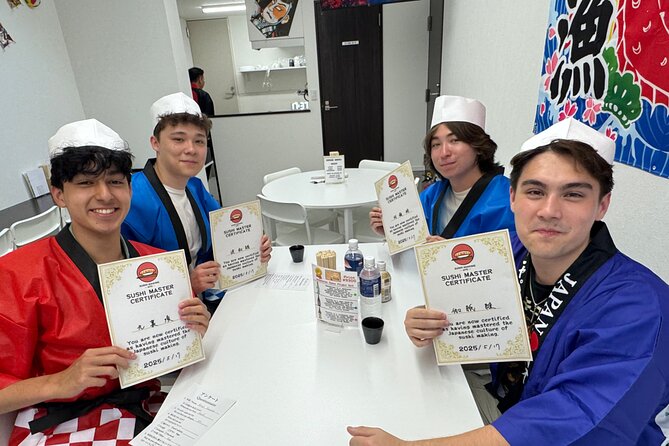
The experience is designed to move in a simple order, and that is what makes it work for beginners.
First, you settle in and get an introduction to the process. One standout from the reviews is the video lesson with English subtitles. That means you are not guessing what comes next, and you can focus on the chef’s hands-on directions instead of decoding every instruction.
Next comes the practical part. You learn steps that start with preparing the rice, which is the foundation for good sushi. Reviews specifically call out that the master showed how to do what it takes before you start shaping. This is one of the reasons I think this class is worth your time: rice is where most people feel lost, and that is where beginners gain real confidence.
Then you move into forming sushi. The staff guide you through shaping carefully and gently, including when you are working at a slower pace. More than one review mentions that the number of sushi you make ends up being more than expected, which is a nice surprise when your assumption is that you might only do a couple of bites.
Finally, you eat. The experience includes meals, and the reviews describe making and eating the sushi you create. That is the payoff, because sushi-making is one thing, but eating the results is how you connect the technique to taste.
The fun factor: happi coats, masks, and photo time
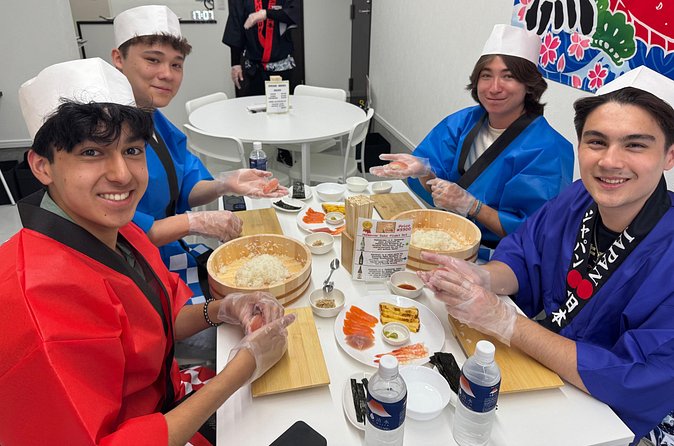
This is not only a kitchen lesson, it is also a small performance. You are given happi coats and masks, and the experience encourages photos. One review highlights the chance to take really nice pictures, which sounds small until you realize most Japanese classes do not provide an outfit plus a built-in chance to capture the moment.
The happi coat also helps with atmosphere. You feel like you are part of a little sushi shop ritual, not just standing around. And if you are traveling with someone, the outfit makes it easy to look like you are sharing an actual local activity, not just attending another museum-type stop.
If you like to collect travel memories, this one is a good fit. You get the images, you get the skill, and you get the meal. That combination is hard to beat for the price.
How “beginner-friendly” this class really feels
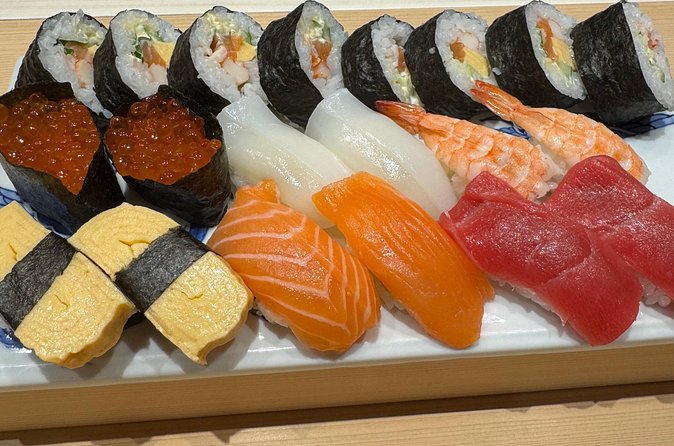
A lot of sushi classes promise easy instructions. This one earns the reputation because the pacing is gentle and specific.
Reviews repeatedly mention that staff teach politely and gently, and they help you go through the steps slowly. That is especially reassuring if you are worried you will mess up the rice or struggle with the right shape.
Another plus: the experience works for kids. One review mentions participation with a 4-year-old child. That tells me the staff explanations are structured enough for younger learners, not just adults who already know kitchen basics.
Even if you already know Japanese or have eaten sushi your whole life, the class can still be useful. One review from a Japanese participant points out that they were able to learn the difficulty and the fun of sushi-making. In other words, it is not only for tourists who have never seen sushi before.
Meals and what to drink: simple, but plan ahead
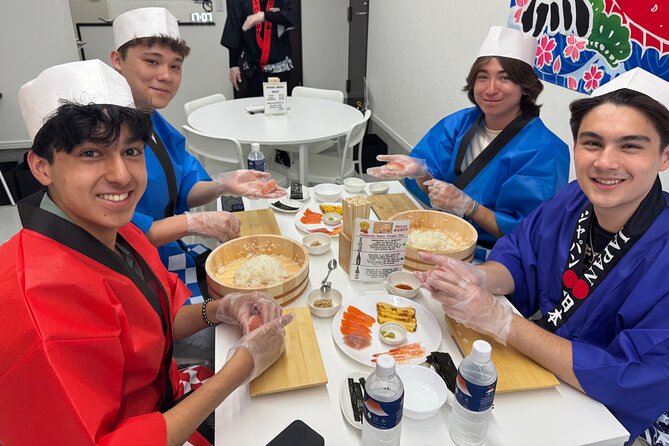
The experience includes meals, which fits the flow of making and eating your sushi. You are not paying extra to find lunch afterward.
But drinks are on you. Bottled water and soda/pop are not included, and alcoholic beverages are not included either. If you get thirsty during hands-on cooking, consider buying water before you go in, or plan a quick purchase nearby before class starts.
Also keep in mind that the class is about creating and tasting sushi, not about long meals. Expect a meal-style finish, not a full sit-down dinner experience.
Group size, mobile tickets, and practical timing
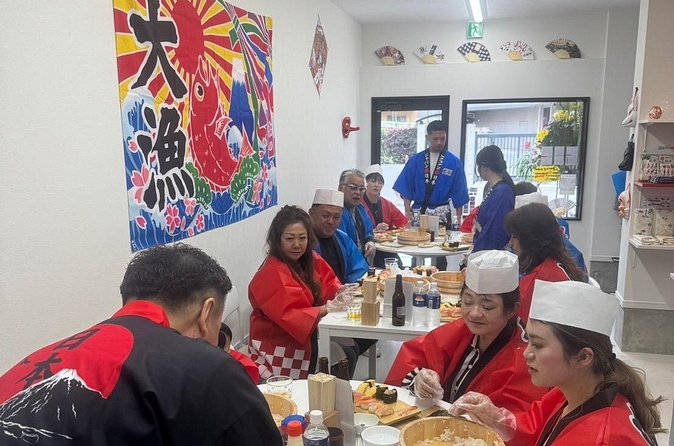
You can expect a setup that stays manageable. With a maximum of 16 travelers, the class does not feel like an assembly line. It is easier to get help when your rice is sticky or your shaping feels off.
The tour uses a mobile ticket, which is usually the easiest format for Japanese transit days. If you travel with a phone that works reliably, you are set. If not, you might want to double-check how the ticket is shown at the venue.
Duration is about 1 hour 30 minutes. That is a great length for day planning. It is long enough to feel like you learned something, but short enough that it does not steal your whole afternoon.
One more scheduling note: the experience is typically booked about 7 days in advance on average. That suggests it is popular enough that last-minute planning could be risky in busier weeks.
A quick reality check: what can be limited
This is a short class, and sushi making takes time. That means you will focus on a core set of skills rather than a full menu of techniques. If you are hoping for a deep dive into multiple sushi styles, advanced knife work, or long fermentation and seasoning theory, you may find the time too short.
Another consideration is that the experience does not list specific dietary accommodations. The data confirms that meals are included, but it does not spell out substitutions or allergy handling. If you have dietary restrictions, it is smart to message the operator before booking so you know what is possible for you.
Who this Osaka sushi class is best for
I think this is ideal if you want a hands-on activity in Osaka that feels local and practical.
You will probably enjoy it most if you:
- Want to learn the core steps, especially rice prep and sushi shaping
- Like food activities where you eat what you make
- Want a fun, photo-friendly workshop with happi coats and masks
- Are traveling with kids, since instruction is described as careful and slow
- Prefer a small-group class where help is available
If you are only looking for the cheapest snack, this will not be that. But if you want a skill you can repeat at home, plus an experience that feels authentically Japanese, the price starts to make sense.
Should you book this Osaka Sushimaking Experience?
Book it if you want an organized, chef-led sushi lesson that actually ends with you eating what you made. The combination of English-subtitled prep, gentle guidance, happi coats for photos, and a manageable 1 hour 30 minutes schedule is exactly the kind of value that fits well into a real trip day.
Skip or reconsider if you have a very specific learning goal that needs more time than a short workshop, or if you know you will need special dietary accommodations that are not mentioned in the details you have. Also, if you hate planning for drinks, remember that bottled water and soft drinks are not included.
Overall, this is a solid Osaka activity for people who want more than a viewing experience. You learn by doing, you take photos, and you leave fed.
FAQ
How long is the Osaka sushi-making experience?
It lasts about 1 hour 30 minutes.
How much does it cost per person?
The price is $22.80 per person.
Where is the meeting point?
You meet at 3-chōme-15-8 Ebisunishi, Naniwa Ward, Osaka, 556-0003, Japan, and the experience ends back at the same meeting point.
Is this a mobile ticket experience?
Yes, the tour uses a mobile ticket.
What’s included in the price?
Meals are included, as well as happi coats and masks, plus the admission fee.
What is not included?
Bottled water, soda/pop, and alcoholic beverages are not included.
How many people are in the group?
The experience has a maximum of 16 travelers.
Do they provide anything to help non-Japanese speakers follow along?
The class includes an introduction video with English subtitles.
What is the cancellation policy?
Free cancellation is available if you cancel up to 24 hours before the experience starts, with the cut-off based on local time.
More Tour Reviews in Osaka



Latest out of Osaka


Osaka Tours, side by side.
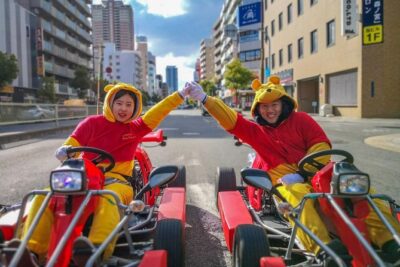 ★ 5.0Osaka Go Karting Tour with Funny CostumeFrom $462,658 reviews
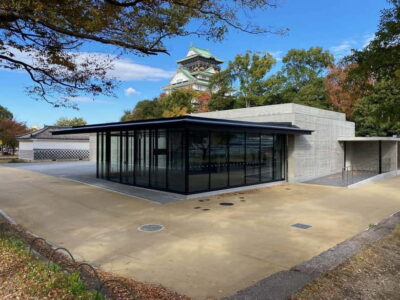 ★ 4.5Osaka Castle: Museum and Tower Entry TicketFrom $72,380 reviews
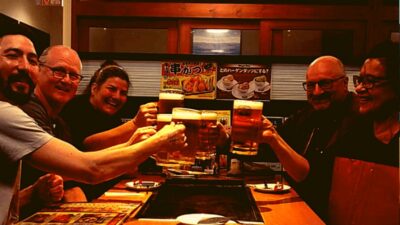 ★ 4.8Osaka: Shinsekai Food Tour with 13-15 Dishes at 5 EateriesFrom $532,204 reviews
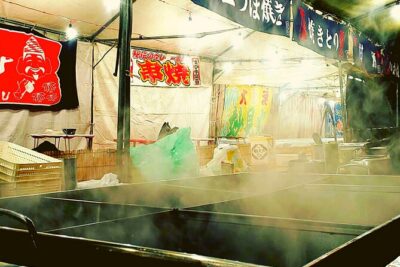 ★ 5.0Osaka Food Tour: 13 Dishes at 5 Local EateriesFrom $732,149 reviews
 ★ 4.5Osaka: teamLab Botanical Garden Entry TicketFrom $111,710 reviews
 ★ 4.9Osaka: Tea Ceremony ExperienceFrom $251,426 reviews
 ★ 5.0Osaka Kickstart: Hotspots & Hidden Gems TourFrom $311,306 reviews
 ★ 5.0Deep Backstreet Osaka Tours (Option to add Dinner)From $531,290 reviews