
REVIEW · TEA CEREMONY & MATCHA SESSIONS IN OSAKA
Osaka: Private Tea Ceremony Experience
Tea can feel like a reset button.
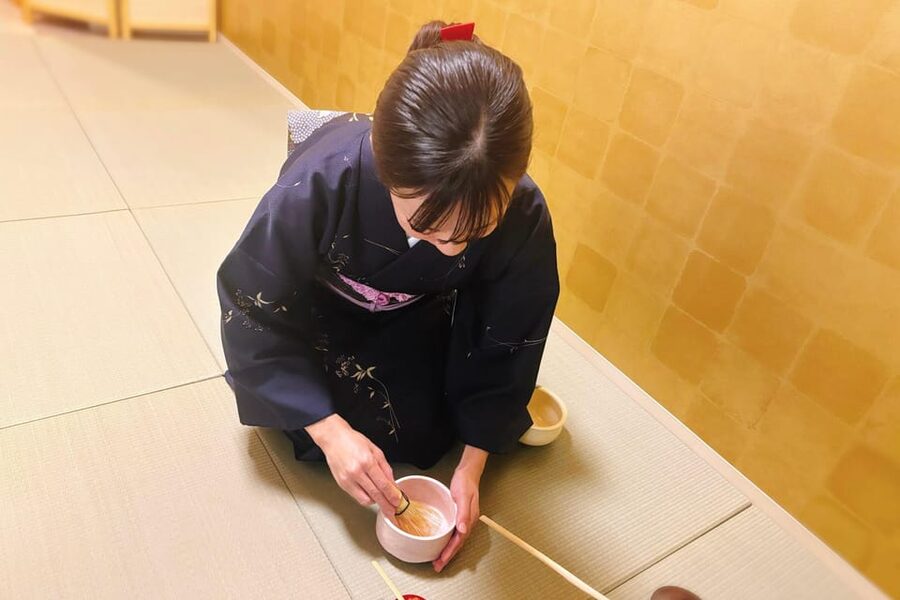
This private Osaka tea ceremony in Namba is built for calm, with a friendly instructor guiding you through making and tasting matcha at your own pace. I like that you get a hands-on lesson, plus Japanese sweets twice during the session. The one drawback to plan around is that it is not suitable for wheelchair users.
I also appreciate the flexibility baked into the experience. You can ask for slower timing (handy if you are traveling with kids) and take photos during the ceremony, since each group gets their own time slot.
Key highlights you will actually use
- Private, time-slotted tea ceremony in Namba, with close attention from your instructor.
- Hands-on matcha making, where you learn how to make tea and then try it yourself.
- Choose a tea bowl that matches your mood, not just a random one handed to you.
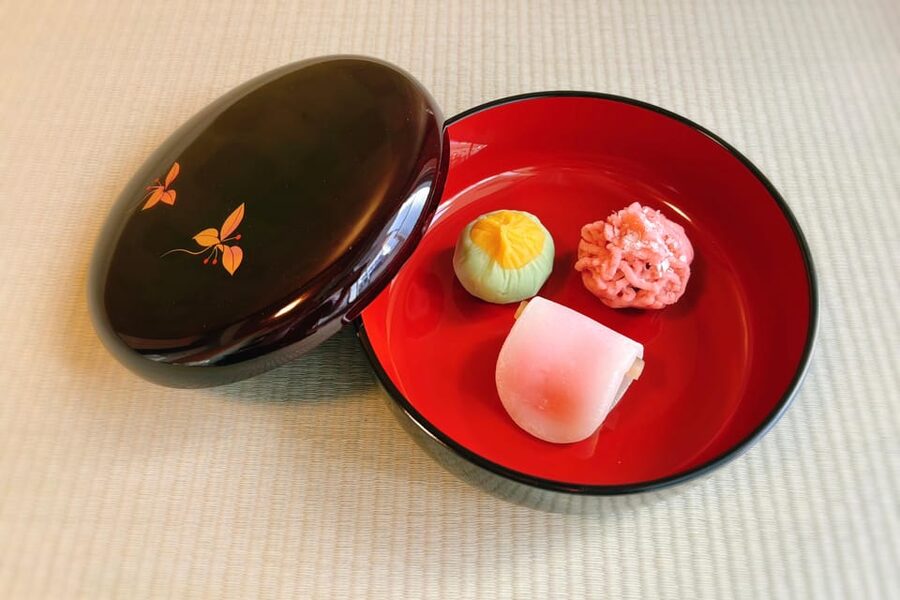
- Japanese sweets twice during the ceremony, plus matcha tasting as part of the flow.
- Photo-friendly setup, with guidance that lets you pause for pictures.
- English and Japanese instruction, so you can relax even if your Japanese is minimal.
Tea ceremony in Namba, why this location matters
Namba is where Osaka starts to feel easy. You are in the center of tourism, so getting to your experience is usually straightforward, especially if you are already exploring around Shinsaibashi-suji.
This matters because a tea ceremony does not want you rushing. The whole point is a slower rhythm, calm focus, and good attention from your instructor. When the meeting spot is in a convenient area, you are less likely to arrive stressed, which makes the lesson feel better from the first minute.
Also, the private format means you are not squeezed into a crowded schedule. You get your own time, and the instructor can adjust to your group’s needs.
Quieter hours: more tea rooms
Find the meeting point near New Osaka Hotel Shinsaibashi
Meet at the entrance of New Osaka Hotel Shinsaibashi. Then walk west for about 30 seconds until you spot a blue vending machine near the entrance.
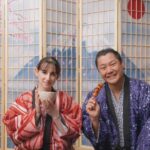
Be there 5 minutes before your booked time. The team waits outside in front of the main entrance, and you will notice them right away because they wear kimonos.
This is the kind of meeting point that works well if you are keeping things simple. No complicated transfers. No guessing hidden entrances. Just look for the blue vending machine and the kimono outfit.
What to bring, and the one rule to remember
Bring socks. That is it. No extra clothing requirements are listed.
And one clear rule: no smoking. Easy to follow, and it helps keep the experience calm.
The 1 hour private lesson, from bowl choice to making matcha
Your session lasts 1 hour, and it is a private group experience. That private piece is not just marketing. It changes how the lesson feels because your instructor can move at your pace and stay focused on your questions.
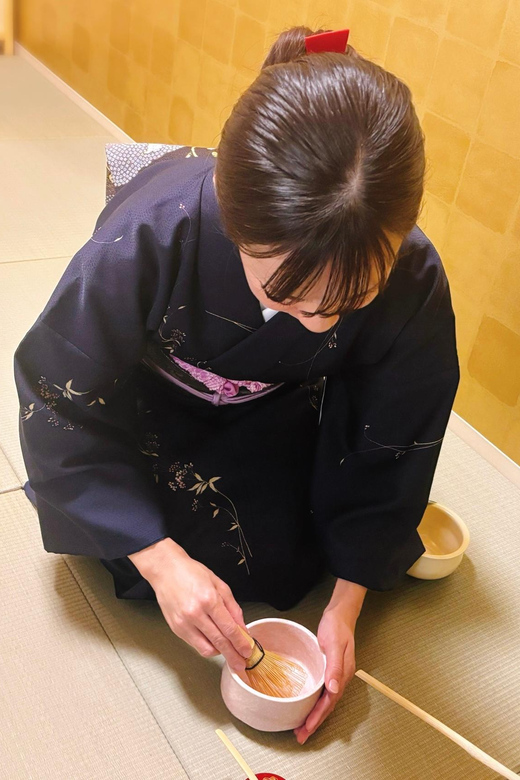
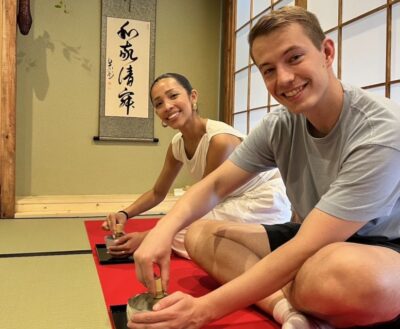
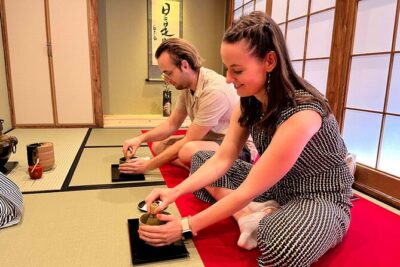
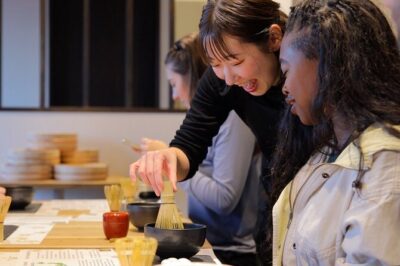
In the tea ceremony lesson, you first learn how to make tea. After that, you try making it yourself. You are not just watching politely from the sidelines. You get the real hands-on part, which is where the culture connects to your senses.
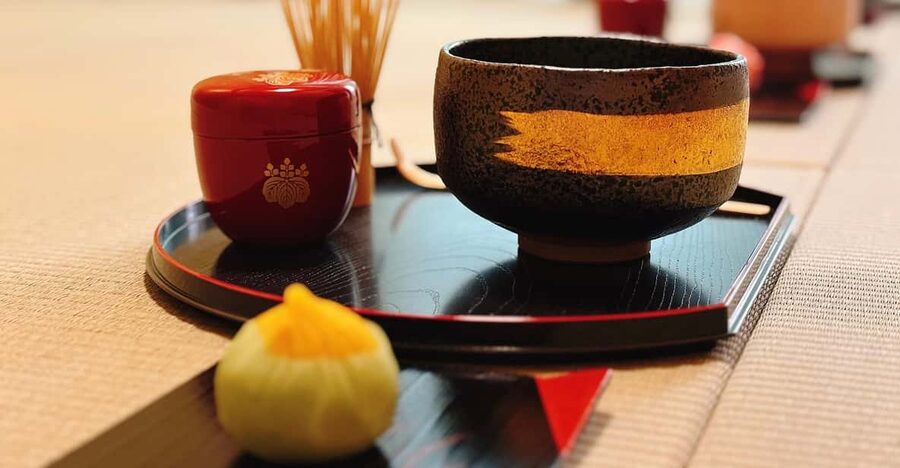
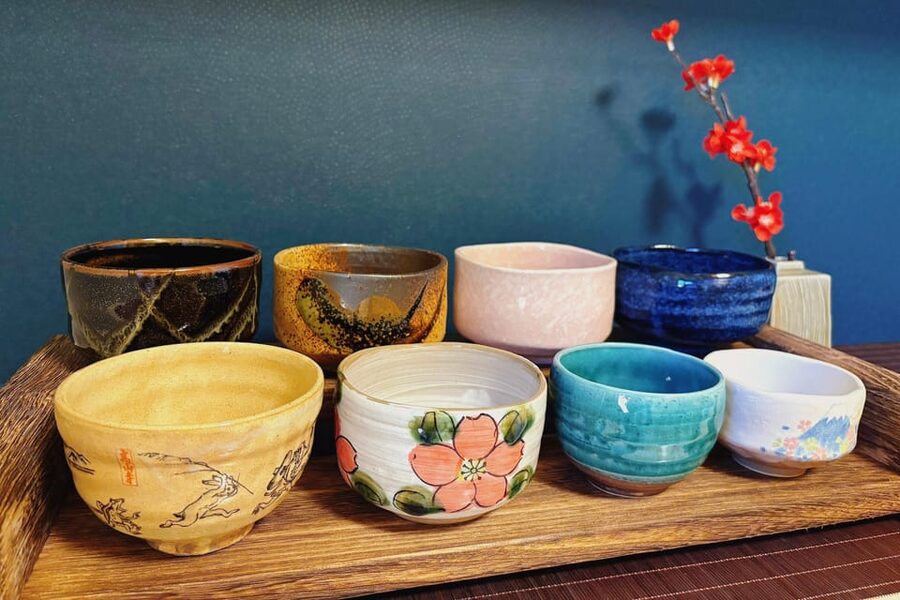
One of the most fun details is that you get to choose the tea bowl. You pick the one that expresses how you feel that day from among several attractive bowls. It is a small choice, but it makes the experience feel personal.
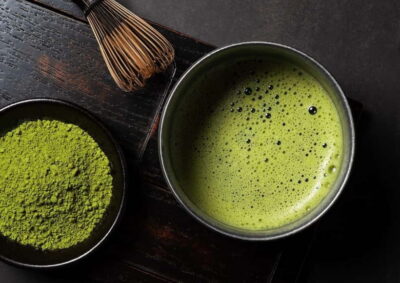
Then you taste matcha. This is not meant to be an offhand sip either. The flow encourages you to enjoy Japanese tea deeply and genuinely, which is a nice nudge to slow down and actually pay attention.
If you have kids, this pacing helps
The experience is designed so you can request adjustments for your group. The instructions explicitly mention you can ask for a slower pace to match a child’s timing.
That is a big deal for families in Osaka. You want culture, but you also want it to work in real life. Here, you can ask for the tempo that keeps everyone comfortable.
Just your group: more private options
Japanese sweets twice, what to expect from the sweet stops
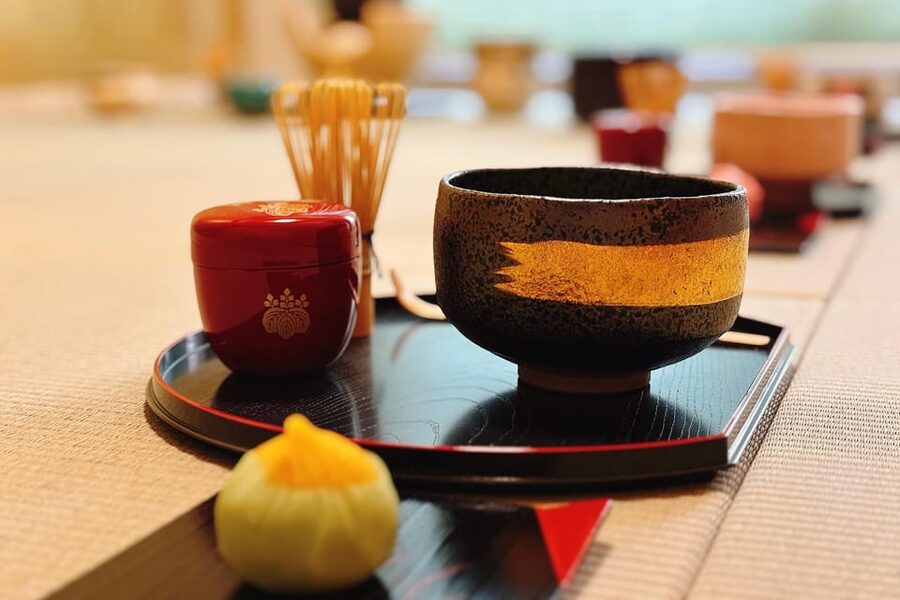
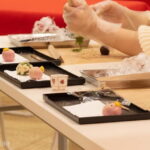
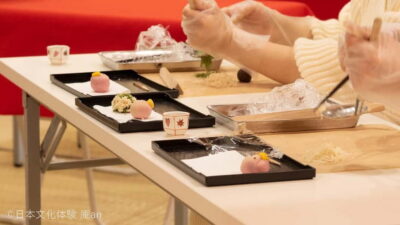
Japanese sweets are included, and you get them twice during the ceremony. That means the session is not only about matcha preparation and drinking. You also get time to enjoy sweets alongside the tea.
The exact sweets are not listed, but the structure is clear: matcha and Japanese sweets are part of the guided flow, not a one-time add-on. And the pricing includes them, so you are not hit with surprise costs midway.
This is one reason the experience feels well-rounded. Matcha has its own flavor profile, and the sweets can make the experience more satisfying, especially if you are new to matcha.
If you have a sweet tooth, this is also a comfort factor. You can make the ceremony feel like a treat rather than a chore.
Photos, flexibility, and getting what you want out of the hour
You can take photos anytime during the experience. That helps you remember details like the tea bowls, the tasting moment, and the guided steps.
It also means you can move at your own rhythm. The experience is carefully guided, but it is not rigid. You can request things like taking lots of photos or proceeding slowly.
This style of flexibility is often what turns a good activity into a great one. If you are the type who likes to capture details, you do not have to feel awkward about it. If you are traveling with someone who needs slower pacing, you can ask.
The key is that each group gets a special time slot and is closely attended. So you are not performing the ceremony while someone is waiting behind you.
Languages and instructor attention, so you do not feel lost
Instruction is available in Japanese and English. That matters because the ceremony is not just a how-to. It includes an explanation, and you want to understand what you are doing and why.
The instructor is described as friendly and guided closely to participants. In practice, that usually means you get comfortable enough to ask questions, instead of feeling like you have to decode everything yourself.
From the feedback tone, people specifically appreciated how the guidance works and how they were allowed to try making the matcha themselves. That combination, explanation plus hands-on practice, is where you actually learn.
Price and value: is $38 worth it for a private tea ceremony?
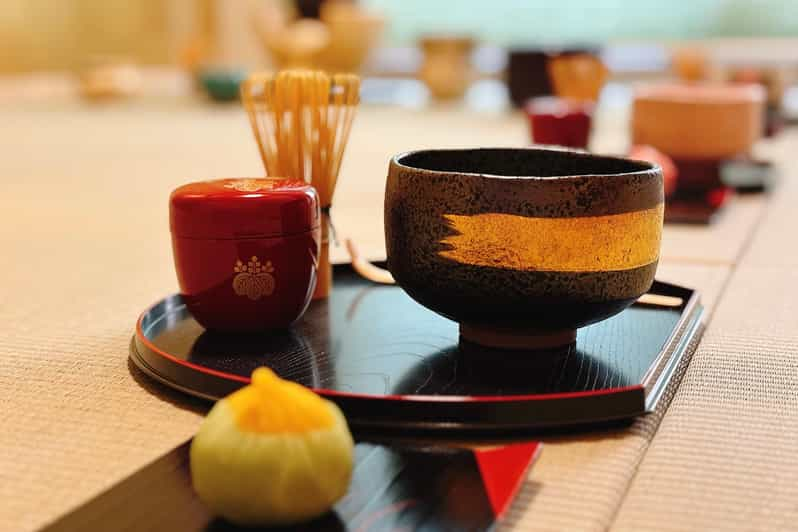
At $38 per person for 1 hour, this is priced like an experience, not a quick tasting. The value comes from what is included: all fees and taxes, matcha, Japanese sweets, the matcha making experience, and the instructor.
If you compare it to doing tea on your own, you are paying for guidance and a structured lesson. You also get the private element, which makes it easier to ask questions, pause for photos, and adjust pacing.
One of the clearest practical value points is that it works well for a small group like a family of four. The “pitched perfectly” comment from a family experience is a good sign that the time allocation and flow can handle real group dynamics without feeling rushed.
If you are the type who wants a cultural activity but also wants comfort, this fits. You get calm, structure, and participation, all in a short window.
Who should book this Osaka matcha and sweets experience
This is a strong fit if:
- You want a calm, private activity in Osaka, not a big group tour.
- You want to make matcha, not just drink it.
- You are traveling with family and need a session that can match a child’s pace.
- You like capturing photos, and you want permission to do so during the experience.
It is likely not the best fit if:
- Wheelchair access is a requirement, since it is not suitable for wheelchair users.
- You are looking for a long, multi-stop tour. This is one hour and focused on tea ceremony participation.
Should you book this private tea ceremony in Namba?
If you want something genuinely relaxing and hands-on, yes, it is a smart booking. The hour-long format gives you enough time to learn, practice making matcha, and enjoy sweets twice without turning your day into a marathon.
Book it if you will appreciate the private pacing, the bowl choice moment, and the fact that you get to try the process yourself. Skip it if accessibility needs change your plans or if you prefer a totally self-directed activity.
In Osaka, this is the kind of experience that can be a reset between shopping streets and street food stops. Then you go back out with a calmer head and a new skill you can explain.
FAQ
How long is the Osaka private tea ceremony experience?
The experience lasts 1 hour.
Where do I meet for the tea ceremony?
Meet at the entrance of New Osaka Hotel Shinsaibashi, then walk west about 30 seconds. There is a blue vending machine near the entrance. The team waits outside at the main entrance about 5 minutes before your scheduled booking time, wearing kimonos.
Is this experience private?
Yes. It is a private group experience.
What is included in the price?
Included are all fees and taxes, matcha and various Japanese sweets, the matcha making experience, and an instructor.
Do I need to bring anything?
Yes, you should bring socks.
What language will the instructor speak?
The instructor speaks Japanese and English.
Is calligraphy included?
No. Japanese calligraphy is not included. If you want calligraphy too, there is a separate Osaka private tea ceremony and calligraphy plan.
Just Your Group: Private Options
More Tour Reviews in Osaka

More Tea Rooms Worth Booking
Latest out of Osaka


Tea Ceremony & Matcha Sessions in Osaka, side by side.
 ★ 4.9Osaka: Tea Ceremony ExperienceFrom $251,426 reviews
 ★ 5.0Tea Ceremony Experience in Osaka DoutonboriFrom $20754 reviews
 ★ 5.0Matcha Making Class in Osaka with Authentic Japanese Sweets SetFrom $21509 reviews
 ★ 5.0Osaka: Matcha Making Experience with Japanese SweetsFrom $22146 reviews
 ★ 4.7Osaka: Japanese Traditional Sweets Making and Tea CeremonyFrom $18118 reviews
 ★ 4.9Osaka Temple Cool Foot Bath & Matcha Experience〈45min〉From $3482 reviews
 ★ 5.0Samurai Show, Tea Ceremony, Japanese Traditional ActivitiesFrom $4456 reviews
 ★ 5.0Osaka: Private Tea Ceremony and Calligraphy ExperienceFrom $6450 reviews
Also worth a look in