
REVIEW · OSAKA TOURS
Osaka: LGBTQ+ Life Past and Present
Gay Osaka has two faces, and you get both. This 3-hour evening tour connects Shinsekai history with Doyamacho modern nightlife, with food and drinks so you can keep the focus on people and places, not planning. I especially like the way the guide frames LGBTQ+ life as something lived, not just labeled.
I also like that your budget is handled up front. You get a light dinner plus two drinks during the evening, and you do not have to add up transit costs for hopping between the two main areas.
One thing to consider is that this tour is for adults only, with age 20+ and the Japan legal drinking age set at 20. If you want a quiet, museum-style outing, this is more walk, talk, and nightlife energy.
Key highlights before you go
- Two neighborhoods, two different vibes: Shinsekai first, then Doyamacho by train
- A real LGBT community guide: English-speaking and the tone feels like informed local friendship
- Included dinner and drinks: a light meal plus two drinks total
- Shinsekai’s older-era stories: the guide explains how gay life looked in more private decades
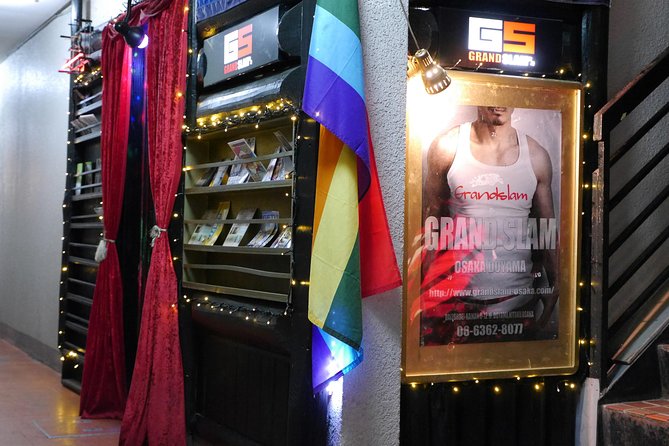
- Doyamacho’s bar scene walkabout: you explore a wide range of venues before your included drink
- Private group format: only your group participates, and you end in Doyamacho
Why Osaka’s LGBTQ+ life feels different from Tokyo
Osaka is a city of neighborhoods, not a single spotlight. This tour makes that idea tangible by taking you to two areas that sit on the same metro map but feel like separate chapters of LGBTQ+ life.
In the south, Shinsekai is known for loud food culture and flashy sights. What you may not expect is the older layer underneath, the stories about how gay men in Japan sometimes married women and lived more private lives, with “membership” bars and gay saunas playing a role back when public visibility was riskier. The tour is careful with this history. It does not sound like a lecture. It sounds like context for why certain places and patterns exist.
Then you shift north to Doyamacho, where LGBTQ+ life feels more modern and less hidden. You get a walk-and-talk look at youth culture, admiration, and community, plus a bar scene with plenty of options, from small spots to larger venues. The vibe here is more about who is out now, not how people had to hide in the past.
Set this against a few other Osaka bookings:
Meeting up near Dobutsuen-Mae and getting your bearings
You start at Dobutsuen-Mae Station at 6:30 pm. The meeting point includes a specific address in Nishinari Ward, and it is set up so you can reach it from major Osaka transport routes. The end of the tour is in Doyamacho, Kita Ward, which is helpful because you are not stuck figuring out everything from scratch after the night portion.
I like the timing. Starting at 6:30 pm gives you enough daylight in your system to orient yourself, then you step into nightlife when the city is actually active. You should plan for a 3-hour evening window, give or take.
Also, the tour is private in the sense that only your group participates. That matters in a nightlife context. It usually makes it easier to ask questions and keep the pace comfortable, instead of feeling like you are sharing a guide with strangers.
Stop 1: Shinsekai, food-and-flash streets with older hidden stories
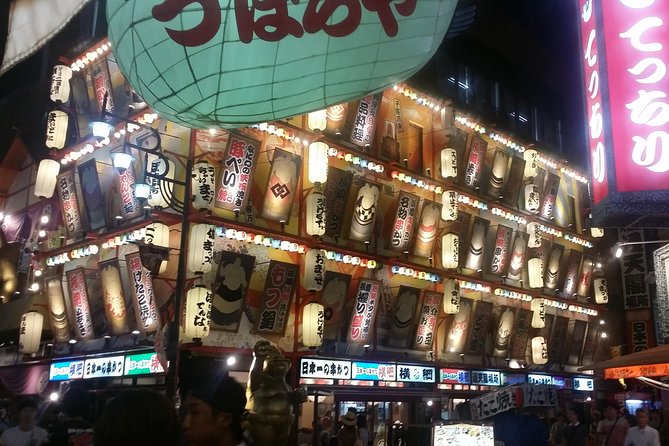
Shinsekai is the first stop for a reason. You begin where many first-time visitors already feel the energy, then the guide layers in what lies behind the neon.
You spend about two hours here, and the tour style is walking plus storytelling. The guide explains how, not too long ago in some places, many gay men followed a social script that pushed them into marriages while they maintained separate lives. You hear about “membership” bars and gay saunas as part of that older world.
This is not just history for history’s sake. It helps you read the streets. When you understand that visibility used to be limited, you start noticing why certain spaces had to function differently. Even if you are mostly there for the nightlife now, you come away with a clearer sense of how public culture and private culture got shaped over time.
What you might see and feel at this stop is a mix. Shinsekai can look like a classic Osaka fun zone at first glance. But the guide keeps pointing out the human side: people navigating family expectations, community spaces, and changing attitudes over the decades.
One practical note: since this is Shinsekai, expect an area where you are out and around with other night-goers. If you are the kind of person who gets overwhelmed by crowds, you will want to keep a steady pace and let the guide lead you through the busiest moments.
The train hop to Doyamacho, and why that transition matters
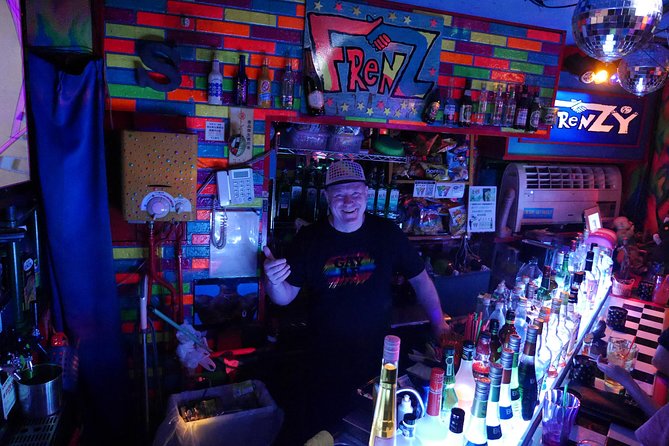
After Shinsekai, you take a short train ride, about 15 minutes. Transit costs are included, which is one of those details that sounds small until you are actually standing there with a group and trying not to burn time.
This hop is more than logistics. It is a mood change, and the tour uses that. You go from the older, more coded stories and street-food energy to a part of Osaka where LGBTQ+ culture is present in everyday nightlife.
If you like being able to predict what comes next, this is a win. You know the structure: Shinsekai first, then Doyamacho, with the included bar stop and drink built into the second half.
Stop 2: Doyamacho, modern gay culture and a bar for your included drink
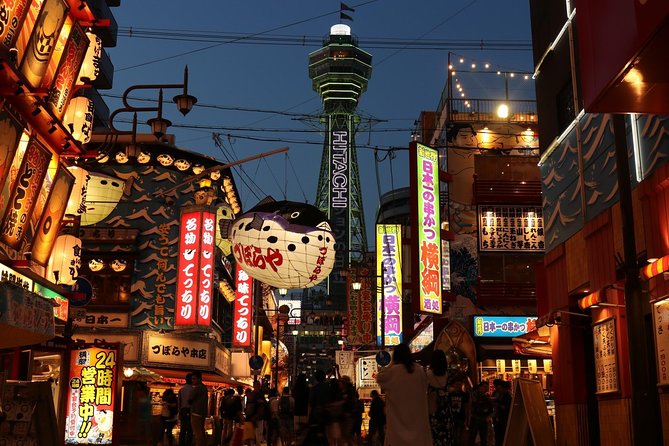
Doyamacho is where the tour shifts into modern nightlife. This stop runs about an hour, but it is not rushed. The idea is to give you a sense of the area first, then send you into one venue with the tour’s included drink.
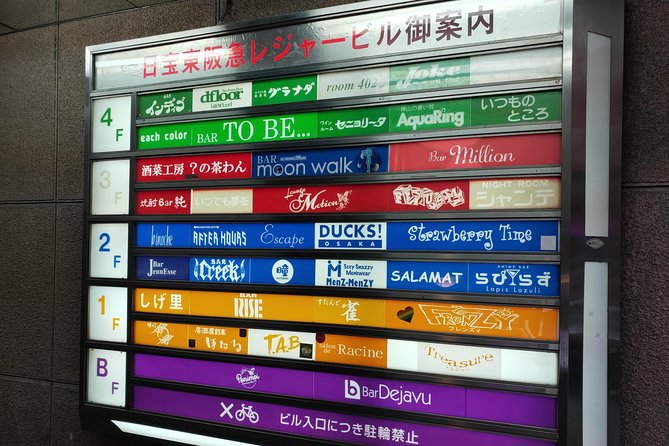
The guide walks you through the neighborhood, and you get a feel for the range of spots. The description points to over a hundred bars and other venues in the area, from tiny bars to bigger dance-club style places. That breadth is the point. You should not leave thinking there is only one kind of LGBTQ+ night out.
One detail I find useful for practical travelers: accessibility. The tour includes support through a Japanese speaker working with you, and your guide is English-speaking. That combination helps if you run into language friction, especially when bar menus and signage get more detailed than you expected.
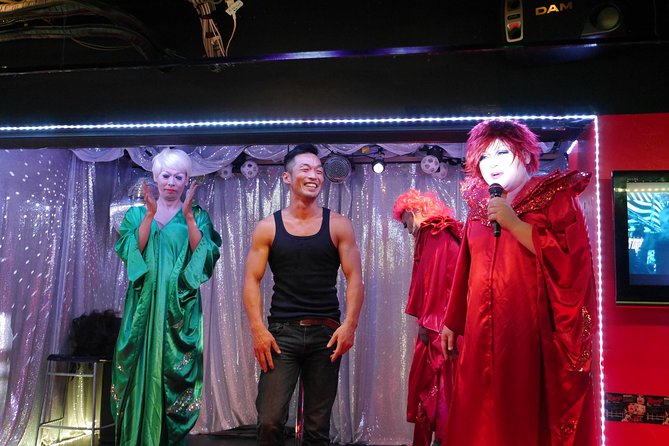
After your walkabout, you stop at a bar where your included drink is served. This is a smart structure for a first-timer. You get guided orientation, then you get your first “try it” moment without having to decide on your own in a sea of options.
At the end, you finish in Doyamacho. That gives you freedom. If you want to keep going, you are already where the action is. If you want to retreat, you can do that too without backtracking across Osaka.
Dinner, two drinks, and the real value of the price
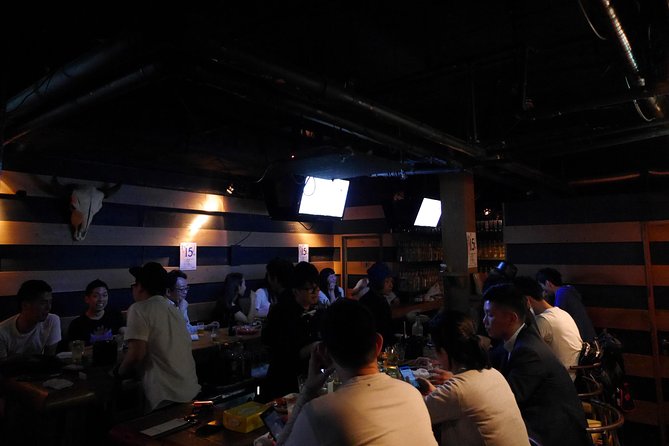
The tour costs $96.79 per person for about three hours. I think this price makes sense because it includes more than a guide walk.
You get a light dinner at a local restaurant, plus a drink with that meal. The meal and first drink can be alcoholic or non-alcoholic. Then you get one more drink at an LGBT-oriented bar during the Doyamacho portion. Transit between the two areas is also included.
So you are paying for:
- A local English-speaking guide from the LGBT community
- Neighborhood context in two distinct areas
- A light meal
- Two drinks total
- Train and transit cost between hubs
Without those inclusions, you would be layering together dinner, drinks, and transport while also trying to figure out where to go. The value is in reducing that mental load.
Do note what is not included: additional drinks or extra food beyond the light dinner and included drinks. If you love a long night, you will likely spend more after the tour ends, which is normal.
Your guide experience, and how the best evenings feel
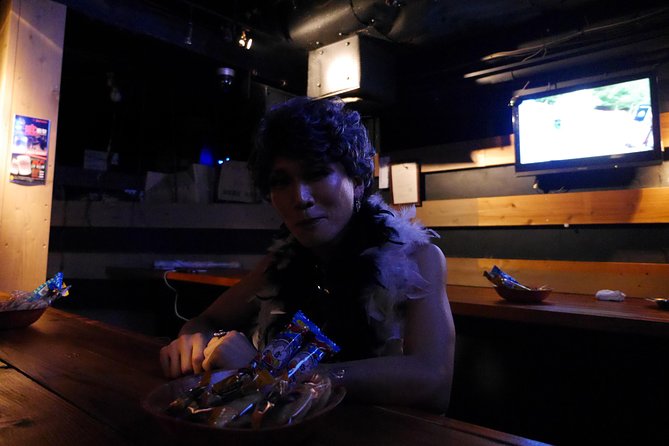
The evening experience depends a lot on your guide’s energy and how comfortable you feel asking questions. The feedback I saw praised Kevin for being impassioned, fun, and easy to get along with. One guest also mentioned Kevin came to find them when they did not know the way through Osaka’s exits, which is exactly the kind of helpful, stress-saving move you want on a first trip.
I also like that the overall tone does not feel like stiff sightseeing. It feels more like a small group moving through the city with shared interests. That matters in LGBTQ+ contexts. You want a balance of respect, honesty, and lightness.
If you are nervous about nightlife, this guide style tends to help. It reduces awkwardness. It gives you permission to ask simple questions like how people socialize here or what kinds of bars suit different moods.
Timing, walking, and what to pack for a 6:30 pm start
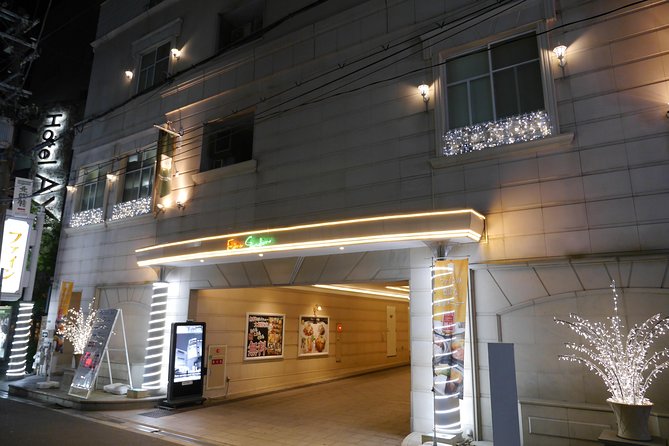
This is a 3-hour evening plan that begins at 6:30 pm. Expect walking in both neighborhoods, plus the short train ride between them.
The tour starts and ends in areas connected to big transport lines around Osaka Station and Umeda, which can make it easier to continue your night. Still, you should plan your first and last train steps before you leave your hotel. Osaka station navigation can be a lot, especially with multiple exits.
What to bring is simple:
- Comfortable shoes for walking
- An open mindset, since you are hearing real life stories along with nightlife context
- Your ID or documentation if you need to show proof of age, since the minimum age is 20
Japan’s legal drinking age is 20, and the tour has a minimum age of 20. If you meet that requirement, you can enjoy the included drinks. If not, this one is not a fit.
Weather can also matter. The experience requires good weather, and if it is canceled due to poor weather, you are offered a different date or a full refund.
Who this tour suits best
This tour is a strong match if you want more than a checklist of bars. You get the street-level feeling in two parts of Osaka, and you understand the past alongside the present.
It also fits well if you are:
- LGBTQ+ and want context while meeting the city through community-led guidance
- Curious and respectful, even if you are not sure what scene you will enjoy yet
- Looking for a first LGBTQ+ nightlife experience outside Tokyo
- Traveling with a group where you want a structured plan with flexibility at the end
Who might skip it? If you are only interested in daytime sightseeing, or if you want a full-day pace with lots of museum time, this is not that. This is designed for an evening and for nightlife neighborhoods.
Should you book Osaka: LGBTQ+ Life Past and Present?
Book it if you want a guided, no-stress introduction to LGBTQ+ life in Osaka, with two very different neighborhoods and a meal plus two drinks already handled. It is also a good value when you factor in guide support, transit, and the included bar stop.
I would skip it if you are under 20, dislike nightlife areas in general, or want a quiet, low-energy cultural tour with no bar component. But if you are game for walking, conversation, and real neighborhood context, this is one of the more practical ways to experience Osaka’s LGBTQ+ past and present without guessing your way around.
FAQ
What is the duration of the Osaka LGBTQ+ Life Past and Present tour?
The tour is about 3 hours.
Where does the tour start and end?
It starts at Dobutsuen-Mae Station and ends in Doyamacho, Kita Ward.
What time does the tour begin?
The start time is 6:30 pm.
What is included in the price?
Your price includes a light dinner, 2 drinks total, and transit cost between the two tour areas.
How many drinks are included?
You receive one drink with your light dinner and one more drink at an LGBT-oriented bar.
Is there an age requirement for this tour?
Yes. The minimum age is 20, and Japan’s legal drinking age is 20.
Is this tour private?
Yes. Only your group will participate.
Do you provide help with language?
Your guide is English-speaking, and there is also a Japanese speaker at your side to help you navigate.
What are the rules for cancellations or weather?
You can cancel for a full refund up to 24 hours before the experience start time. If the experience is canceled due to poor weather, you will be offered a different date or a full refund.
Should you book this tour?
If you want an LGBTQ+ focused introduction to Osaka that goes beyond just bar-hopping, this is a solid choice. You get two neighborhoods, guided context, and the practical support of transit and included dinner plus two drinks, so you can spend your energy enjoying the night.
More LGBTQ-Friendly in Osaka
More Tour Reviews in Osaka



Latest out of Osaka


Osaka Tours, side by side.
 ★ 5.0Osaka Go Karting Tour with Funny CostumeFrom $462,658 reviews
 ★ 4.5Osaka Castle: Museum and Tower Entry TicketFrom $72,380 reviews
 ★ 4.8Osaka: Shinsekai Food Tour with 13-15 Dishes at 5 EateriesFrom $532,204 reviews
 ★ 5.0Osaka Food Tour: 13 Dishes at 5 Local EateriesFrom $732,149 reviews
 ★ 4.5Osaka: teamLab Botanical Garden Entry TicketFrom $111,710 reviews
 ★ 4.9Osaka: Tea Ceremony ExperienceFrom $251,426 reviews
 ★ 5.0Osaka Kickstart: Hotspots & Hidden Gems TourFrom $311,306 reviews
 ★ 5.0Deep Backstreet Osaka Tours (Option to add Dinner)From $531,290 reviews