
REVIEW · KUROMON ICHIBA MARKET FOOD WALKS
Osaka: Kuromon Market Street Food Tour with Pro Local Guide
Osaka’s Kuromon Market is an easy win. In a tight 2-hour loop, I like how this tour mixes street food with real neighborhood sights, then slows down just enough for your guide’s explanations. Two things I especially like are the chance to sample 4-5 Osaka favorites and the stop-by-stop context from guides like Goku and Yuna, who know the area and can tailor the pace.
The small-group setup (max 10 people) also matters more than you might think. When you’re not getting herded, you can ask questions and get practical tips, like what to try first and how to navigate the market without feeling lost.
One consideration: this tour is not suitable for people with food allergies, and tasting is central to the experience. If you have serious allergies, double-check before you book.
Key Highlights You’ll Actually Feel
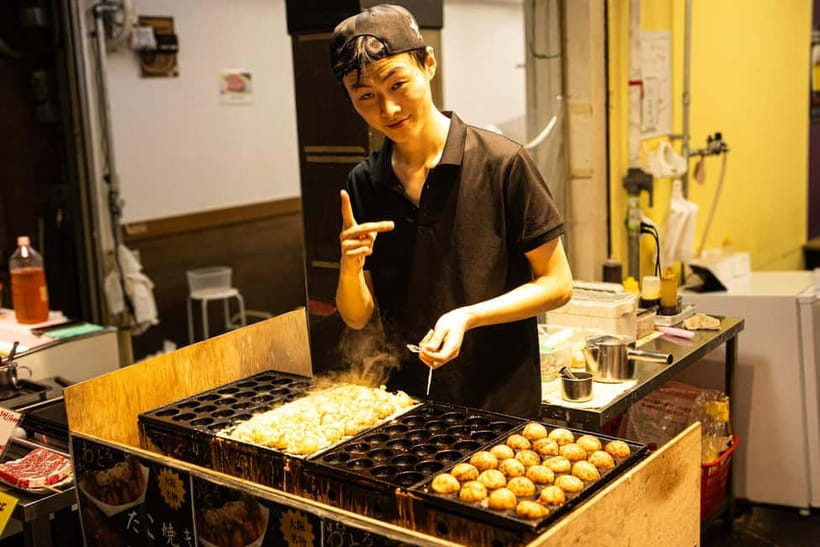
- 4-5 tastings in just 2 hours, including classics like takoyaki, yakitori, and grilled scallops
- Kuromon Ichiba Market exploration with a guide who can connect what you’re eating to local market culture
- Sennichimae Doguyasuji Shotengai walk to shop-style alleys focused on kitchenware and everyday trades
- Hozenji Yokocho alley visit for a more old-school Osaka feel beyond the food counters
- Small-group limit of 10, with flexibility for your likes and dislikes
Why Kuromon Market Food Walks Work So Well in 2 Hours
Kuromon Market is one of those places where you can spend half a day just standing around tasting, but you also risk wasting time on lines or menus you can’t decode. This tour is designed around a simple goal: get you eating and understanding fast, without sprinting so hard that you miss what makes the area special.
The best part is the pacing. You’re moving through key food areas while your guide explains what you’re looking at and why certain bites are a smart starting point. After two hours, you’ll feel like you got a snapshot of Osaka street food culture, not just a checklist of items.
And because the group stays small, you’re more likely to get time for questions and quick adjustments. In the guided experience I looked at, guides like Goku and Yuna also flexed based on personal preferences, which is exactly how it should feel if you’re paying for local insight.
Still hungry? More mornings in Kuromon
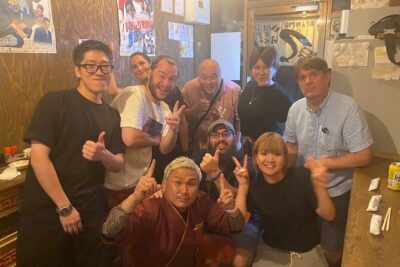
Meet Your Guide, and What Small Group Really Changes
This isn’t a giant bus-tour vibe. With a maximum of 10 people, the guide can read the room. That shows up in two ways.
First, you can ask practical questions while you’re standing right where the action is, instead of trying to remember everything back at your hotel. You’ll also get recommendations in context, not generic “try this because it’s famous” advice.
Second, the tour can adapt to your tastes. One couple on the same style of tour described that their guide worked around likes, dislikes, and interests. That matters if you’re picky, curious, or you just want to focus on seafood, skewers, or the Osaka hits like takoyaki.
Guides on this experience are professional and lead in English, with French, Spanish, Russian, or Japanese available depending on what’s arranged. If you’re comfortable in basic travel English, you’ll still get a lot out of the explanations, because the guide’s focus is on food culture and local etiquette, not complex history lectures.
Kuromon Ichiba Market: Where Your Tastings Make Sense
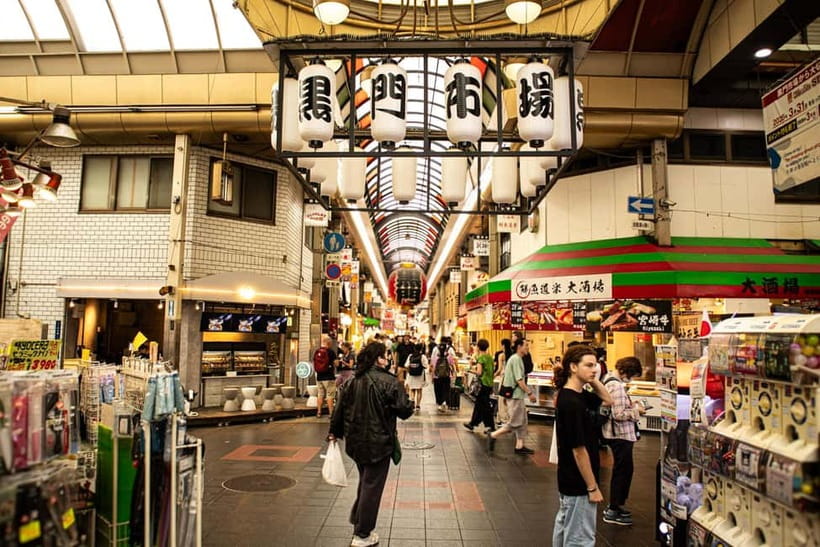
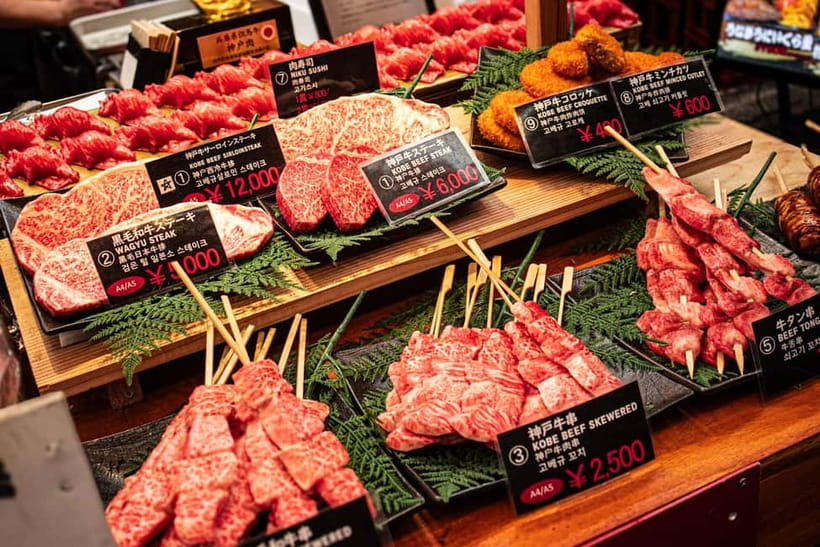
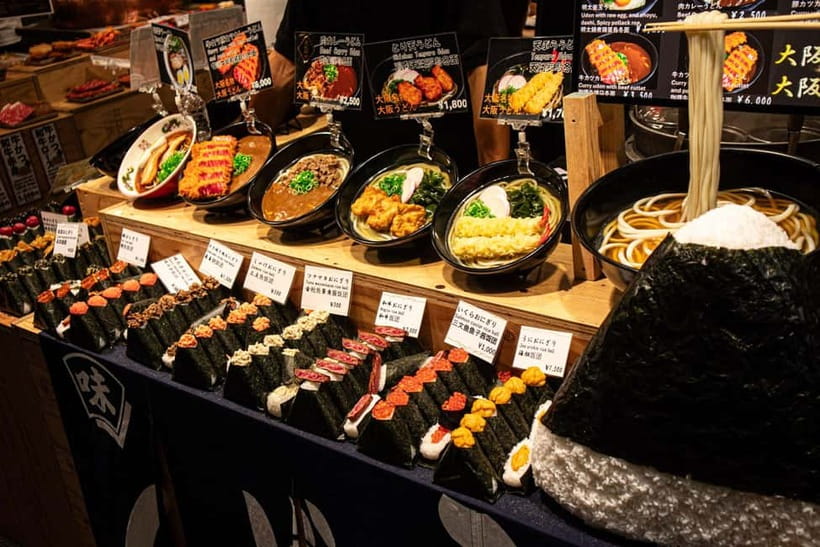
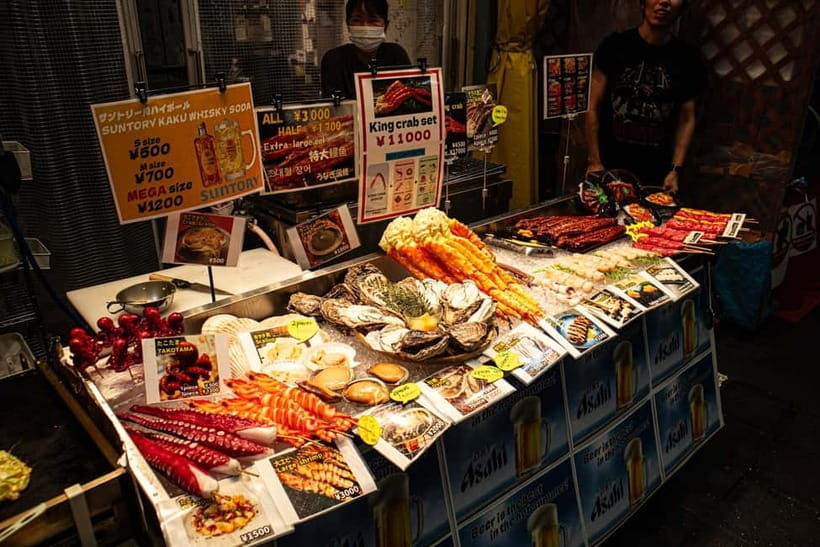
Kuromon Ichiba is nicknamed Osaka’s kitchen for a reason. It’s a dense food market where you can see ingredients, stalls, and snack culture all in one place. On this tour, it’s the anchor stop, and it’s where the tasting happens.
You’ll get 4-5 selected samples, aimed at showing off Osaka street food in a way that’s easy to digest in one walk. Based on the dishes highlighted for the tour, you should expect at least some of these kinds of bites:
- takoyaki (the classic octopus ball snack)
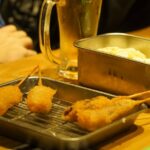
- yakitori skewers
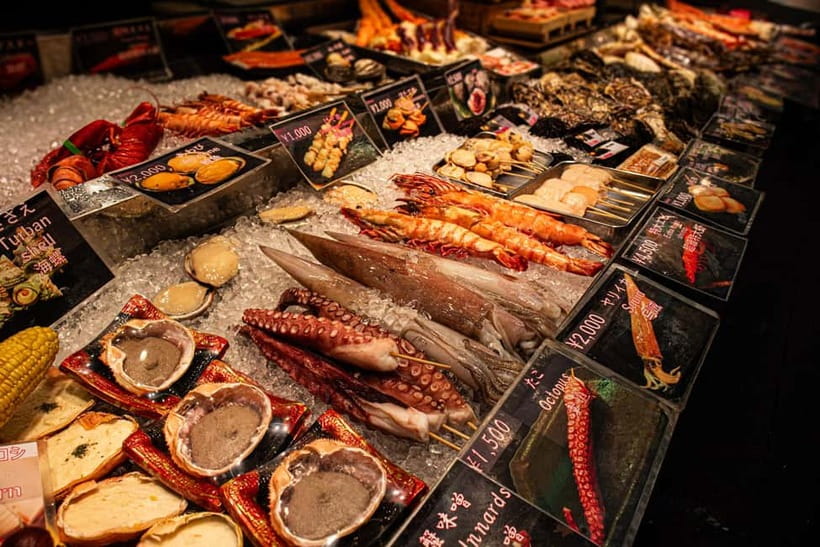
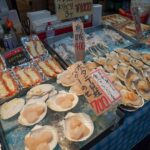
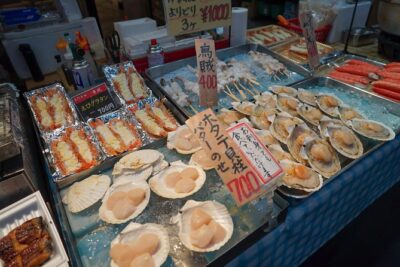
- grilled scallops
What I like about this setup is that it’s not random. A market like Kuromon has endless options, so your guide helps you prioritize what’s worth your time and calories. You’re also learning how local markets operate, how people shop and snack, and what to pay attention to when you’re buying from a busy stall.
Practical tip: wear comfortable shoes. Kuromon is all about movement, and you’ll enjoy the experience more if your feet can keep up.
Sennichimae Doguyasuji Shotengai: Kitchenware Culture, Not Just Food
After you’ve eaten, the tour shifts gears to show another side of Osaka: how daily life supports food culture. That’s where Sennichimae Doguyasuji Shotengai comes in.
This area is known for kitchenware and the trades that keep kitchens running. Even if you’re not planning to buy anything huge, it’s interesting to see how food culture is built into the shops themselves. Your guide’s job here is to connect the dots, explaining what you’re seeing and how Osaka’s market world supports the way people cook and eat.
This stop also helps your brain reset between tastings and photo stops. Instead of only thinking about what’s in your mouth, you start noticing tools, packaging, and the type of shops that feed into everyday meals.
If you like souvenir hunting that’s more meaningful than a magnet, this is a strong place to get ideas. Your guide also shares insider tips for souvenirs, and kitchenware-focused areas tend to deliver items that feel practical, not just decorative.
Hozenji Yokocho: An Osaka Alley Worth Slowing Down For
Next up is Hozenji Yokocho, an alley that feels different from the market. After Kuromon’s concentrated snack energy, you get a more atmospheric street scene.
This is the part of the tour where you learn to appreciate Osaka beyond the food counters. Hozenji Yokocho gives you a chance to walk, look around, and understand why alleyways and small lanes are such a big part of the city’s identity. It’s also a good moment to take photos and regroup, especially if you’ve been sampling while standing and moving.
Even if you’re not a deep history person, this stop is valuable because your guide can tie what you’re seeing to local habits. It’s not just scenery. It’s a different lens on the same city.
More days handed over to a local


Food Samples, Etiquette, and How to Actually Enjoy It
Street food tours can turn stressful if you’re worried about the rules or you’re trying to figure out what to do while everyone else moves faster. This experience is built to keep it simple.
Here’s what you can expect in the way your guide approaches tastings:
- You’re given selected samples, so you don’t have to decide on every stall.
- The guide explains food culture and market history from a local perspective.
- You’re supported if you have dietary requests.
One important note: dietary requests can be accommodated, but the tour is still centered on eating. If your dietary needs are strict, bring them up clearly before the tour so the guide can adjust the plan. And again, if you have food allergies, the tour is not suitable.
Also, bring cash. Even with a guided approach, you’ll likely want the option to pay for small extras or follow your curiosity if something beyond the tasting catches your eye.
Price of $51 for an Osaka Street Food Tour: What You’re Paying For
$51 for a 2-hour guided street food experience sounds modest or fair depending on how you travel. Here’s the value logic that makes sense for this specific tour.
You’re paying for three things that are hard to DIY:
- A local guide who can explain what you’re eating and why markets like Kuromon work the way they do
- Multiple tastings (4-5 samples) that save you time picking and ordering
- Access to places like Sennichimae Doguyasuji Shotengai and Hozenji Yokocho, which connect food to the broader street-level culture
If you tried to recreate it on your own, you’d need to do extra planning, and you’d still miss the local context that makes the market feel like more than just a food stop. Plus, guided tours reduce decision fatigue. That’s a real form of value when you only have a short time in Osaka.
What’s not included matters too. Transportation to and from the meeting point isn’t included, and additional food and drinks are on you. So go in hungry, plan to top up with a meal later, and budget a little extra if you want souvenirs or more snacks after the official tastings.
Practicalities That Help You Enjoy the Tour More
This is a walking tour. Even in two hours, you’ll cover enough ground that the small comfort items become important.
Bring:
- comfortable shoes
- cash
- a camera
Meeting points can vary based on the option you book. Two starting locations are offered:
- ピカソ日本一ビル (Picasso Japan’s number-one building)
- a Sumitomo Mitsui Banking Corporation ATM
Your drop-off options mirror the meeting area options. If you want the easiest logistics, pick the meeting point that best matches your hotel or where you’re already headed that day.
Language-wise, the tour runs in English, and other languages may be available upon request, including French, Spanish, Russian, and Japanese. If you’re traveling with someone who prefers a specific language, it’s worth checking what’s arranged for your date.
Finally, this is a small-group experience with flexibility. That means being ready to move and eat when the guide signals is key. You’ll have a smoother time if you’re not trying to do slow-motion sightseeing during the tasting moments.
Who This Tour Is Best For (and Who Might Skip It)
This tour is a great fit if you:
- want Osaka street food without spending hours figuring out what’s best to try
- like walking tours where the guide adds context, not just directions
- enjoy market culture, snack culture, and also the surrounding streets that make cities feel real
- want a group experience that stays small enough for interaction
You might skip it if:
- you have food allergies, because it’s not suitable
- you dislike eating as part of a tour format
- you only want one neighborhood and would rather spend the whole time in Kuromon with no detours
If you’re doing multiple food experiences in Japan, this is a solid “first taste” tour. It gives you a framework for what to look for next on your own.
Should You Book This Kuromon Market Street Food Tour?
I’d book it if you want a guided way to understand Osaka’s food culture in a short window. The biggest win is the mix: Kuromon Market for the food, then Sennichimae Doguyasuji Shotengai for the practical kitchen culture, and Hozenji Yokocho for the alley atmosphere.
It’s also a good call if you value a guide who can adapt. Based on the tour experiences I reviewed, guides like Goku and Yuna bring strong local knowledge and can adjust the walk for personal likes and dislikes. That makes a two-hour tour feel worth it instead of rushed.
Book it with a simple plan: come with comfortable shoes, some cash, and an appetite. Then treat the extra stops like part of the story, not just side quests. If your diet is complicated due to allergies, skip this one or ask for strict accommodations before you commit.
FAQ
How long is the Osaka Kuromon Market street food tour?
It runs for 2 hours.
How many food samples will I try?
You can expect 4-5 curated samples of local dishes.
Where does the tour start?
The meeting point may vary based on the option booked. Two options include ピカソ日本一ビル and a Sumitomo Mitsui Banking Corporation ATM.
Where does the tour go besides Kuromon Market?
You also visit Sennichimae Doguyasuji Shotengai and Hozenji Yokocho.
What language is the guide?
The tour is conducted in English. Other languages may also be available upon request, including French, Spanish, Russian, and Japanese.
Is the group size small?
Yes. It is a small-group tour with a maximum of 10 people.
What kinds of food are included?
The tasting can include local favorites such as grilled scallops, yakitori skewers, and takoyaki.
Can dietary requests be accommodated?
Yes, dietary requests can be accommodated.
What should I bring with me?
Bring comfortable shoes, a camera, and cash.
Is transportation included in the price?
No. Transportation to and from the meeting point is not included.
Eat Your Way Round Osaka


Hand the Day to a Local



Back to Kuromon: More Market Mornings

Latest out of Osaka


Kuromon Ichiba Market Food Walks, side by side.
 ★ 5.0Kuromon Market Food Walking Tour in Osaka (6 stops, 6 tastes)From $50550 reviews
 ★ 4.6Osaka: Kuromon Market Food Walking Tour (6 stops, 6 tastes)From $49272 reviews
 ★ 5.0Kuromon Market Tour: All inclusive 6~8 Dishes & 3~4 samplingsFrom $63103 reviews
 ★ 5.0PRIVATE 6hr, Food tour from Osaka Castle, Kuromon, Dotonbori.From $15568 reviews
 ★ 4.7All Inclusive Kuromon Markets Tour: Flavors Of OsakaFrom $6131 reviews
 ★ 3.5Nara, Todaiji Temple & Kuroshio Market Day BUS Tour from OsakaFrom $9918 reviews
 ★ 4.5Osaka: Food Tour Kuromon Market & Dotonbori with GuideFrom $8415 reviews
 ★ 5.0Osaka: Kuromon Market 1.5-Hour Seafood & Street Food TourFrom $418 reviews