
REVIEW · OSAKA CASTLE PARK TOURS
Osaka Japanese Cooking And Matcha Class near Osaka Castle
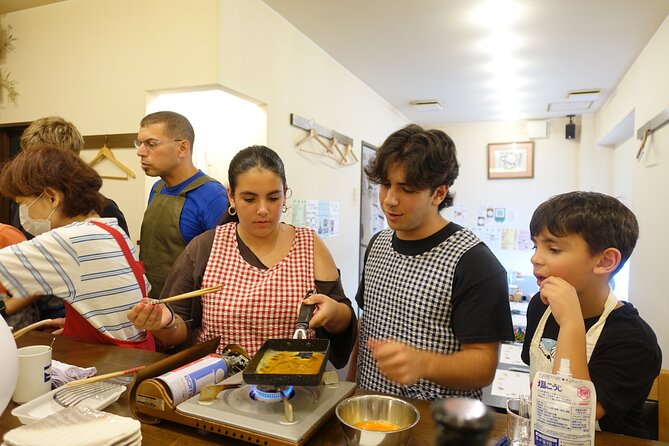
Osaka tastes better when you cook it. This small-group class near Osaka Castle turns lunch or dinner into hands-on cooking with Ikuko and her son Takumi, plus matcha you can make at home. I love the personal coaching, because you are not lost in a crowd of strangers. I also love having real choices, home-cooked dishes, okonomiyaki, or bento, so you can pick what sounds best on the day.
One possible drawback to plan for is language. Ikuko’s English can be limited, but Takumi helps translate, so it stays friendly and workable, just not a lecture-style class.
Key Things to Know Before You Go
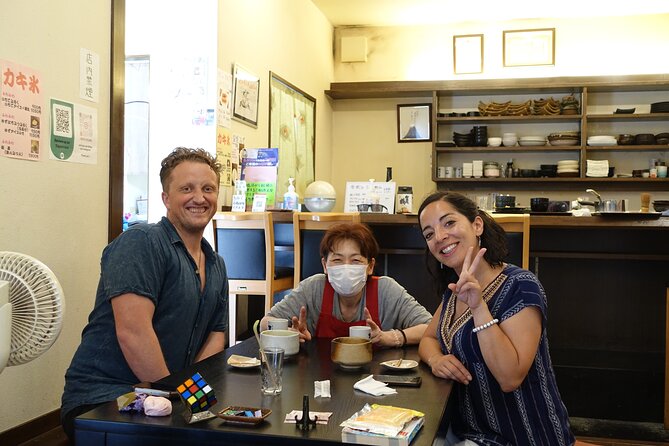
- Small group, lots of help with a max of 10 people, so questions actually get answered
- Lunch or dinner timing lets you fit the class around Osaka Castle and other food stops
- Choose your dish from home-cooked dishes, okonomiyaki, or bento for a tailored experience
- Matcha is part of the class, not just a side lesson
- Optional sake tasting upgrade pairs nicely with what you cook and eat
- Meeting near Morinomiya and Osaka Castle area makes it easy to add before or after sightseeing
Why This Osaka Castle Area Class Feels Personal
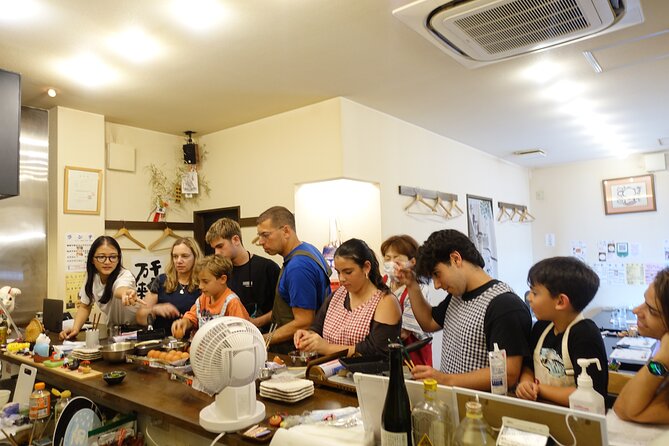
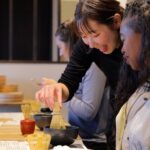
This is the kind of class that works because it stays small and human. With a maximum of 10 people, you get real feedback while you cook, not vague instructions that you have to translate into success on your own. That matters a lot when you are learning Japanese cooking techniques and trying to nail the details.
I also like the family vibe. Ikuko runs the class, and Takumi is there to help with translation and keep everyone comfortable. One review highlighted how they both made the room feel at ease, which matches what you want in a cooking class. You should feel like you are in a kitchen lesson, not watching a performance.
Finally, the location is practical. You are near the Osaka Castle area, with a quick train ride from Osaka Castle Station and a short walk from Morinomiya Station. That means you can slot this in with minimal commuting stress.
Other ways up the keep
The Two-Hour Flow: From Cooking to Matcha to Sitting Down
The class runs about 2 hours. You start at the meeting point, then you cook your chosen dish and learn matcha as part of the experience. At the end, you eat what you made and the activity finishes back where you started.
Because the exact dishes and steps are not listed in a minute-by-minute schedule here, I focus on what you can count on: you will be actively cooking, you will make matcha, and you will sit down to enjoy the meal you prepared. That hands-on structure is the real value, because you leave with muscle memory, not just a recipe card.
A lot of people book this kind of class in the middle of a food-focused trip, and I think that is smart. You get to understand ingredients and technique behind the flavors you already associate with Osaka.
Choosing Your Dish: Home-Cooked Options, Okonomiyaki, or Bento
You get one dish option to choose from. That choice is important because it shapes the whole experience, from what you prep to what you plate at the end.
Home-Cooked Dishes
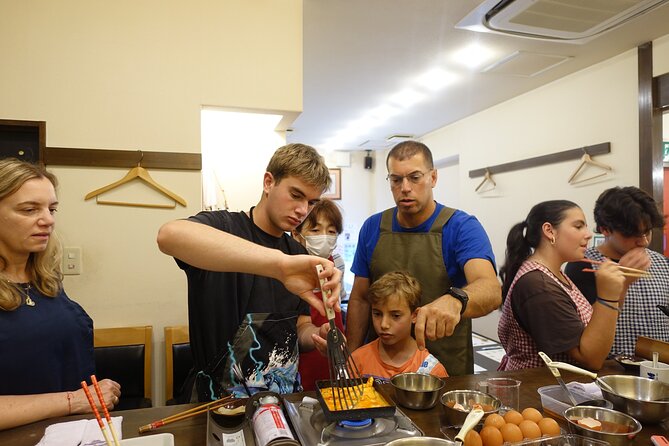
If you pick home-cooked dishes, you are leaning toward everyday Japanese flavors that feel approachable and doable at home. One review mentioned making salmon and a daishiki rolled omelette, which suggests the cooking styles here can include familiar techniques rather than only street-food style cooking.
This option is a good fit if you want results that translate easily to your own kitchen. Also, home-cooked styles tend to teach you how to work with temperature, timing, and seasoning balance without needing special tools.
Okonomiyaki
Okonomiyaki is a popular Osaka choice, and choosing it gives you a strong local connection. You are not just learning about the dish, you are learning how to build it correctly and handle it while it cooks.
This is a solid choice if you like the idea of Osaka food culture in one bite-sized meal you helped make. And if you are the type who enjoys cooking plus eating the same thing, okonomiyaki fits perfectly.
More kitchen tables to sit at
Bento
The bento option is all about portioning and presentation. Bento style can feel extra fun because you get the satisfaction of turning cooking into a neatly arranged meal.
Pick this if you want something that feels practical and “transportable” in concept, even if you just eat it in the class. It is also a nice choice if you are traveling and want a cooking lesson that does not depend on complicated prep.
Matcha at Home: The Lesson You Can Actually Reuse
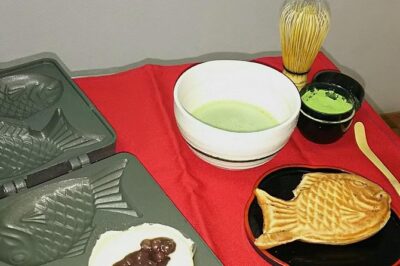
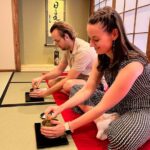
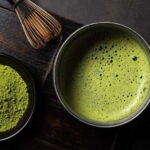
Matcha is not treated like an afterthought here. You will learn how to make authentic matcha at home, which is great because matcha is one of those items people buy on trips but struggle to reproduce later.
I love this part of the class because it adds a second skill. Cooking teaches you technique with savory flavors, while matcha teaches you technique with a drink. Together, they make the class feel complete, not like a one-topic workshop.
You do not need to be a tea expert to get value. Even if you have only had matcha in cafés, learning the process yourself helps you understand why different versions taste different. And the next time you want matcha, you have a method you can repeat rather than guessing.
Lunch vs Dinner, and the Optional Sake Upgrade
You can choose a lunch or dinner class option to match your day. One start time listed is 5:30 pm, which aligns with a dinner-style session, and it helps you plan your sightseeing around it.
Dinner also pairs naturally with the optional upgrade: sake tasting with your meal. If you already enjoy Japanese alcohol, this is a smart add-on because it is connected to the food you are eating. Instead of tasting sake in isolation, you taste it alongside a meal you cooked, which makes the flavors feel more grounded.
If you do not drink, you still get the core experience: cooking your dish and making matcha. The class does not become “optional content only” if you skip the sake.
Where You Meet, and How Easy It Is to Fit Into Osaka
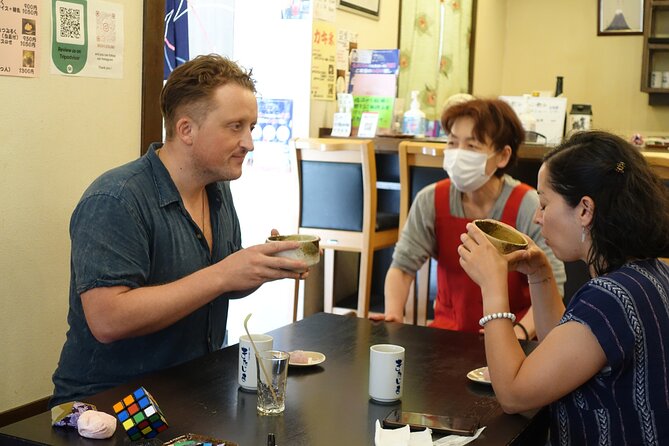
The meeting point is 3-chōme-8-2 Nakamichi, Higashinari Ward, Osaka, 537-0025, Japan. The location is convenient for public transportation, and it is reachable from both the Osaka Castle area and major shopping hubs.
Here is why that matters for your planning. Osaka can be a patchwork of neighborhoods, so you want a class spot that does not force you into extra transfers at the end of a long day. This one helps because it is just one station from Osaka Castle Station by JR, and it is about a 7-minute walk from Morinomiya Station.
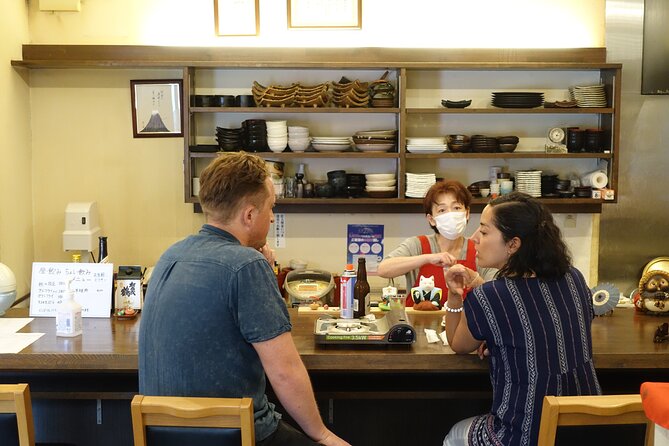
Also, since the host operates a café, you can relax and have a coffee before the class begins. That is a small detail, but it is a real stress reducer. You arrive, settle in, and get into the right mindset for hands-on cooking instead of sprinting into the lesson right on time.
The activity ends back at the meeting point, so you are not left with a long “where do we go now” problem.
How Much Is This Class, and Why It’s Fair Value
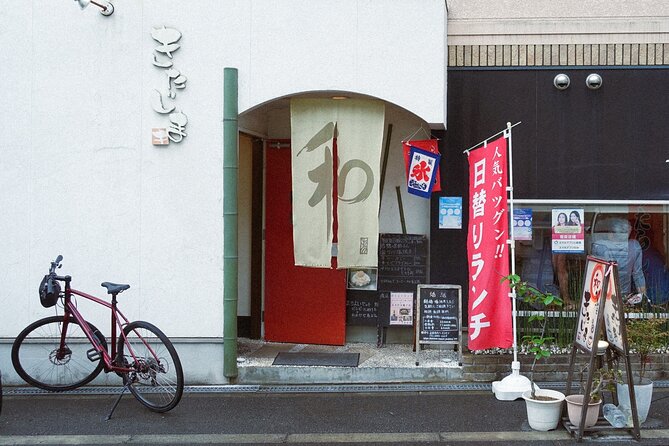
The price is $65.69 per person for about 2 hours, and it is typically booked around 14 days in advance. For Osaka, that rate sits in the practical range for a private-feeling small-group cooking lesson, especially one that includes matcha instruction.
What you are paying for is not just ingredients. You are paying for:
- a small group size so you get feedback while cooking
- time with an instructor who helps you correct technique in the moment
- matcha making, which adds a second guided skill
- the option to add sake tasting if you want the full meal pairing
If you compare this to doing it alone at home, the value is in instruction and correction. Even great recipes do not teach you how to handle heat, textures, or timing in the same way.
One more value point: reviews praise how welcoming Ikuko and Takumi are. That matters, because a cooking class is a little vulnerable. If you feel comfortable, you try, you ask questions, and you get better results.
The Group Dynamic: Helpful Translation, Real Comfort
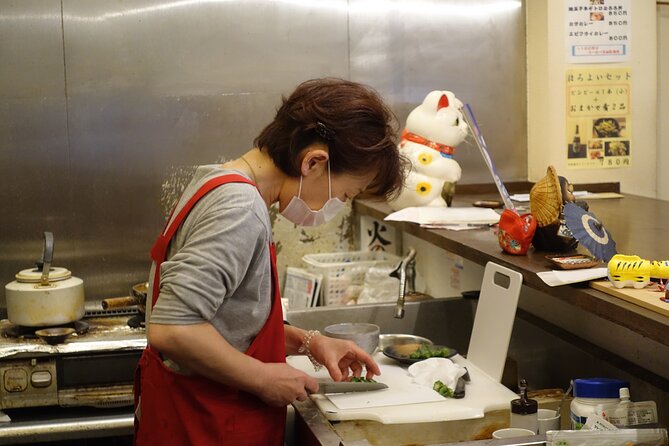
Small-group cooking classes can go two ways. Either you feel like you are on the same page with the instructor, or you feel awkward and stuck watching instead of participating.
Here, the family support model helps a lot. Ikuko leads, and Takumi helps translate when needed. That keeps the interaction natural and keeps you from feeling lost. You might find that the most important parts of the lesson still land even if your Japanese is limited, because cooking is visual and hands-on.
You also get a comfortable pace. Because it is not packed, you can ask questions while you are cooking, instead of waiting your turn for the instructor to notice you.
If you want a class where you can actively participate and still feel supported, this is a strong match.
Who This Class Is For (and Who Should Think Twice)
This class is great for:
- food lovers who want to learn techniques, not only taste dishes
- people who like small group activities with personalized attention
- couples and solo visitors who want an evening or lunch plan with a clear outcome
- families, since the tone described in reviews emphasizes comfort and friendliness
It might be less ideal if you want:
- a large, structured, fully lecture-based experience
- a class with guaranteed advanced English explanations from Ikuko alone
- a super flexible menu menu beyond the listed dish choices
If you fall into the second group, you can still do it, just go in with the mindset that cooking and translation support will carry you. That is usually how these classes work best anyway.
Should You Book This Osaka Japanese Cooking and Matcha Class?
Book it if you want a genuinely hands-on way to connect with Osaka food and bring home two skills, cooking techniques plus matcha you can make at home. The small-group limit, max 10, is the big reason this feels worth your time. You get feedback while cooking, not just a passive experience.
Also book it if you like the idea of eating what you cooked in a friendly family-run atmosphere. Reviews consistently highlight how kind and comfortable Ikuko and Takumi make the class feel.
Skip it if you already have your heart set on another specific dish type and you do not want to choose between home-cooked dishes, okonomiyaki, or bento. Or if you dislike any chance of language challenges, because translation is part of the setup here.
Overall, I think this is an easy “yes” for many Osaka itineraries, especially if you want something more practical than another food stop.
FAQ
How long is the Osaka cooking and matcha class?
It runs about 2 hours.
What dish choices do I get to select?
You can choose one dish option: home-cooked dishes, okonomiyaki, or bento.
Is there a lunch or dinner option?
Yes, you can choose from lunch or dinner class options to fit your schedule.
Is sake tasting included?
You can upgrade to include a sake tasting with your meal.
How big is the class?
It has a maximum of 10 travelers.
What is the meeting point and where does it end?
The meeting point is 3-chōme-8-2 Nakamichi, Higashinari Ward, Osaka, 537-0025, Japan, and the experience ends back at the meeting point.
More Tea Rooms Worth Booking
More Kitchen Tables to Sit At

Around the Moat: More Castle Days
Latest out of Osaka


Osaka Castle Park Tours, side by side.
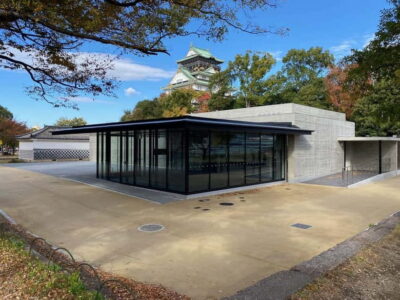 ★ 4.5Osaka Castle: Museum and Tower Entry TicketFrom $72,380 reviews
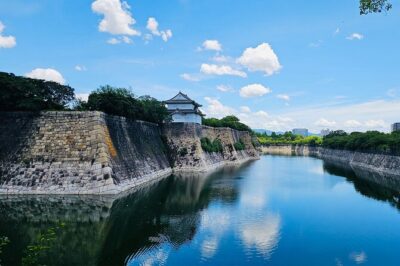 ★ 5.0Osaka Castle Walking Tour and Castle Tower AdmissionFrom $23561 reviews
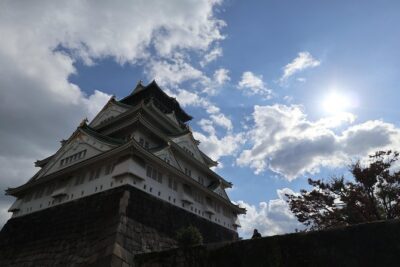 ★ 5.05-Hour Osaka Bike Tour to the Neighborhood of Osaka CastleFrom $87319 reviews
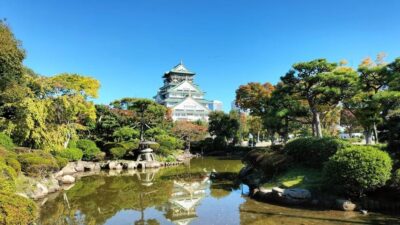 ★ 4.7Osaka Castle Guided TourFrom $43249 reviews
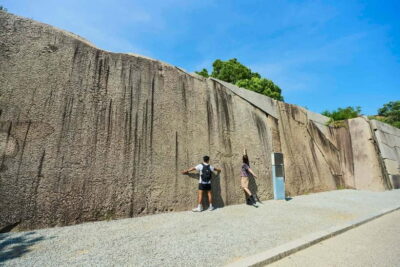 ★ 4.9Osaka: Castle History Walking Tour / Castle Tower AdmissionFrom $33230 reviews
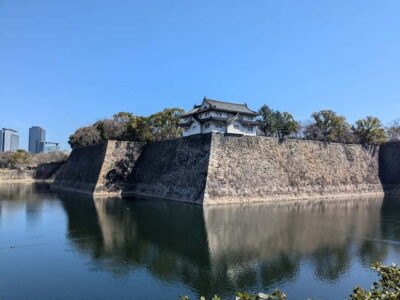 ★ 4.7Osaka: Osaka Castle Guided Tour with Local GuideFrom $4878 reviews
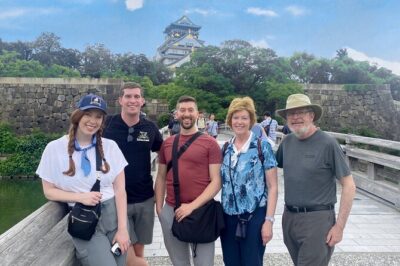 ★ 5.0PRIVATE 6hr, Food tour from Osaka Castle, Kuromon, Dotonbori.From $15568 reviews
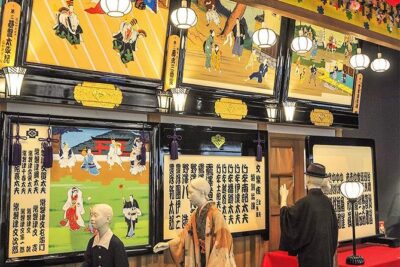 ★ 4.5A Tour to Explore the Symbol of Osaka: Osaka CastleFrom $8356 reviews