
REVIEW · NARA DEER PARK EXCURSIONS FROM OSAKA
Nara Day Trip from Osaka with a Licensed Guide
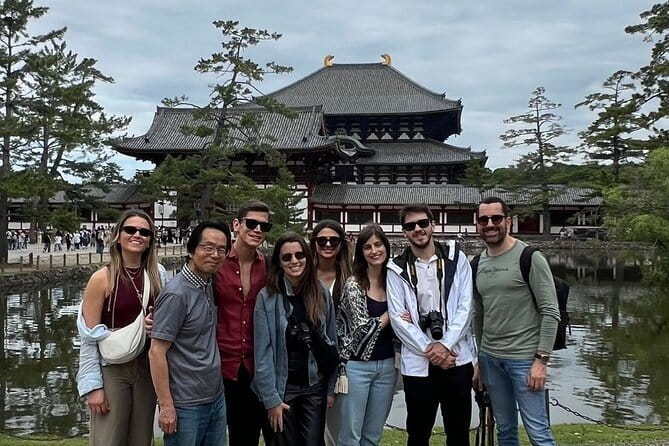
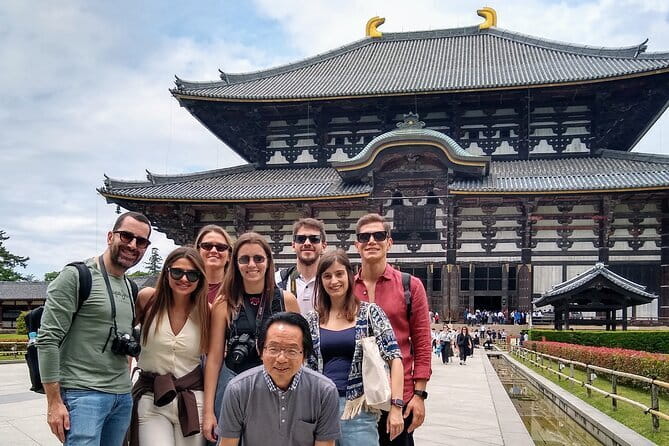
Nara can feel like a time machine, minus the weird museum gift shop. This day trip is a smart way to see Nara Park deer and the big-hitter temples with a national licensed English speaking guide, with examples like Aki’s patient, family-friendly pacing and Mark’s clear explanations on a hot day. My favorite part is how the route keeps you moving without turning it into a sprint, and one drawback to keep in mind is the long 8-hour day, plus lunch is on you (and summer heat can be real).
You also get a clean, low-stress logistics setup: hotel pickup in Osaka, train travel covered, and admission fees handled for the stops that charge. If you want a day where you can focus on the sights, rather than figuring out tickets and timing, this is a strong fit.
Key things to know before you go
- National licensed English speaking guide: You get interpretation, not just a map and a nod.
- Hotel pickup in Osaka: Less hassle than meeting at a station.
- Nara Park, then temples: A classic order that helps you manage crowds and deer energy.
- Todai-ji highlights included: You cover the huge Nandai Gate area and the main temple visit.
- Kasuga Taisha shrine time: You get a longer 2-hour window to slow down and look closely.
- Isuien Garden with shakkei (borrowed scenery): You visit a garden designed to use the distant view.
Why Nara Feels Different Than Kyoto and Tokyo
Nara is the ancient capital vibe, with a softer feel than the larger, louder hubs. You still get temple drama, but the atmosphere is more open and traditional, especially around the parks and shrine grounds.
What makes this tour worth it is the pairing of old and easy-to-understand. You go from free-roaming deer and wide park paths, to the scale of Todai-ji, and then into the calmer shrine and garden sides of Nara. It’s the kind of route that helps the day make sense, instead of feeling like a list of stops.
If you’re the type who likes context, this tour leans into it. Guides like Aki and Mark (based on prior guests’ experience) are the difference between seeing buildings and understanding what you’re looking at, including why gate scale and shrine layout matter.
More days handed over to a local
Hotel Pickup and the Osaka to Nara Train Plan
The day starts in Osaka with hotel pickup, then you head to the Nara area by public transportation. That’s a big deal if you want a day trip without wrestling with transfers, ticket machines, or timing your arrival before crowds fully set in.
Expect a roughly 8-hour schedule, and plan on steady walking between major points. The tour is designed for people with moderate physical fitness, so you can do it if you’re comfortable on your feet for extended periods. If you’re traveling with kids, the day can work well because the stops have built-in variety: deer watching, gate photos, shrine wandering, and garden views.
One practical consideration: the itinerary might shift due to weather. Japan’s seasons can change fast, so if rain or extreme heat shows up, your guide may adjust timing or order to keep you moving.
Nara Park Deer, Deer Crackers, and a Temple-First Day Rhythm
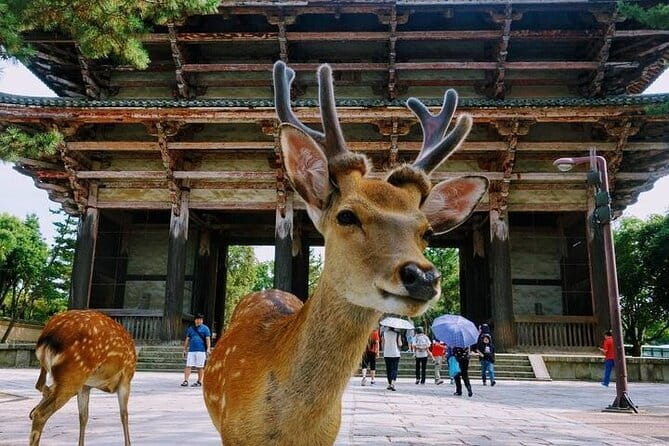
Nara Park is one of the main reasons people fall in love with Nara. It’s a huge area, about 660 hectares, and it’s famous for deer that roam freely. On this tour, you get about an hour to enjoy the park atmosphere before you step into the more structured temple sites.
Here’s the real-life trick: deer are cute, yes, but they also treat your attention like it’s their business. The tour gives you time to buy special crackers and feed the deer, which is part of the fun. You’ll want to stay aware, keep a respectful distance, and follow your guide’s cues so it’s safe for you and the animals.
Also, the park acts like a warm-up. You get time outdoors first, then you move into Todai-ji’s big structures. That order helps, because once you’re inside the temple complex, you’ll probably want to focus more and less on the constant attention of the deer.
Note on tickets: Nara Park is listed as admission free, so you’re not paying extra just to enter the main area. That makes the start of the day feel easy on your wallet.
Todai-ji Nandai Gate: The 25-Meter-High Photo Magnet

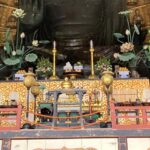
Todai-ji is the big name in Nara, and the Nandai Gate is a major reason why. This gate is about 25 meters high, which is hard to grasp until you’re standing under it. The design includes guardian kings in dark alcoves on both sides, giving the entrance an intense, dramatic feel.
On this tour, you get a focused stop at the Nandai Gate area for around 30 minutes. It’s long enough to take photos, look up at the scale, and soak in the structure without feeling rushed.
If you like visual details, the gate is a good moment to slow down. It’s one of those places where someone with interpretation can help you notice how the architecture supports the mood of the site, instead of you just looking at angles and moving on.
And because the Nandai Gate stop is listed as admission free, you can enjoy it without adding extra ticket pressure.
Todai-ji Proper: Why People Travel for the Main Temple Visit
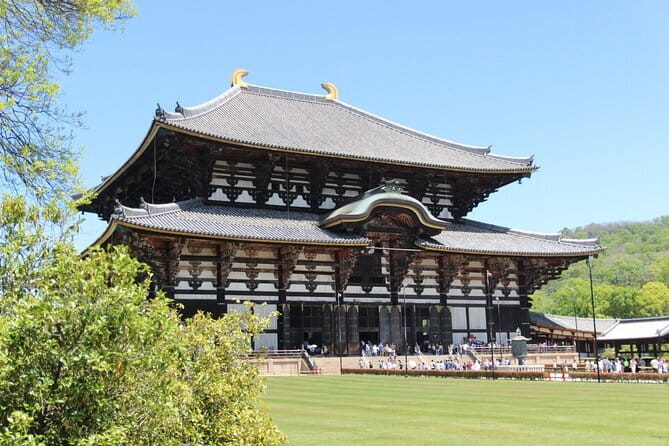
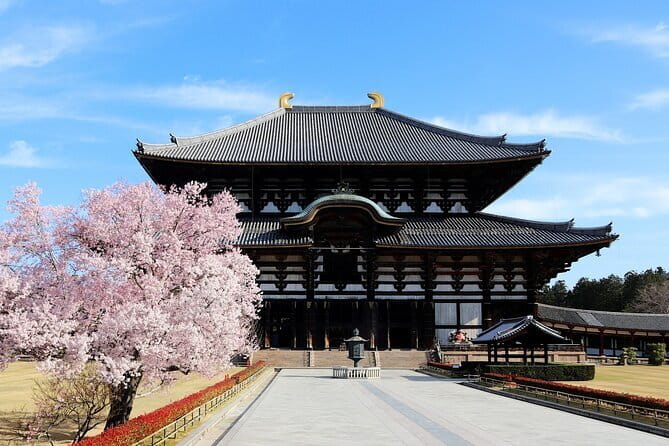
After the gate, you move into Todai-ji itself, with about 1.5 hours scheduled. Todai-ji was built in 752 and is known as the head temple for Buddhist temples in Japan. That claim is a big one, and it helps explain why the complex matters so much historically.
This part of the day is where the tour does its value work. Todai-ji is listed as admission included, so you’re not juggling separate entry fees or wasting time lining up for your own tickets. When you’re on a day trip, that kind of friction removal makes the whole experience feel smoother.
In practical terms, this is also your time for deeper looking. You can take in the main temple spaces, check out the scale, and let your guide’s explanations connect the dots between what you see and what people believed and built here centuries ago.
If you’re sensitive to crowds, you may still find busy areas at a major landmark. The advantage with a guided schedule is that you’re not trying to solve crowd timing by yourself. You follow the plan, and you keep your energy for the parts that matter to you.
More runs out to the deer park
Kasuga Taisha: The Sacred Shrine Stop With Real Time to Wander
Kasuga Taisha is often described as one of Japan’s most sacred shrine experiences, and this tour gives it a solid block of time, about 2 hours. That matters because shrine visits are different from temple photo stops. They reward patience.
This is your time to experience a Shinto setting where numerous gods are enshrined, with both locals and visitors in the mix. The tour includes admission for this stop, which again reduces the admin side of your day.
Here’s a small mindset tip: don’t treat it like another quick landmark. Use the time to notice how the paths guide your viewing. If your guide is explaining what you’re seeing, that’s also the time to ask questions, because you won’t feel rushed into the next bus or train segment.
It’s also a nice change of pace after Todai-ji. Todai-ji is about monumental scale. Kasuga Taisha is about atmosphere, ritual space, and slow observation.
Isuien Garden and the View Trick Called Shakkei (Borrowed Scenery)
Isuien Garden is a shorter stop, around 30 minutes, but it’s chosen for a reason. The garden is known for shakkei, or borrowed scenery, which uses the surrounding views, including Mt. Wakakusa, as part of the garden composition.
If you’ve never seen shakkei in action, this is a great introduction. You don’t just look at the garden plants. You also look at the distant mountain as if it belongs to the design. It’s a clever way to make a small walking loop feel bigger, and it’s a reminder that Japanese garden planning is often about relationships between human-made space and nature.
You’ll likely want a few photo pauses here, but don’t overdo it. The point is seeing how the view shifts as you walk a short distance. With only 30 minutes, you can still get the effect without getting tired.
Price and Logistics: Does $319 Feel Worth It?
At $319 per person, this isn’t a budget day trip. But the value story is tied to what’s included and what you avoid.
Included in the price:
- National licensed English speaking guide
- Hotel pickup
- Public transportation fees
- Admission fees for the listed sites
Not included:
- Lunch (roughly 10 to 20 USD per person)
- Personal expenses
So where does the money go? Mostly into three things: interpretation, reduced hassle, and entry costs. A guided day trip with hotel pickup is already more expensive than a DIY train plan because it covers time and convenience. When you add admission fees being handled along the way, the cost feels more reasonable.
Also, the tour is private, meaning it’s only your group. That usually improves the feel of the day because you’re not stuck in a giant crowd chain. You can keep a calmer pace and get questions answered in real time.
One more value angle: the operator notes group discounts. If you’re traveling with friends or family, the per-person price can make more sense than it might for a solo booking.
Practical booking advice: the tour is often booked about 93 days in advance on average, so if you’re traveling in a busy season, you’ll do better booking early rather than hoping for last-minute availability.
Who This Nara Day Trip Suits Best
This tour works well for a lot of traveler types because the itinerary has different “moods” built in.
You’ll like it if:
- You want a guided day focused on major Nara landmarks, without planning details
- You appreciate interpretation, not just walking between buildings
- You’re traveling with kids or family and want a pace that includes time for deer and open-air strolling
- You prefer hotel pickup and a set rhythm to avoid transit stress
You might want to think twice if:
- You’re very sensitive to heat or long walking days, because it’s still a full-day schedule
- You prefer full control over timing and you like to wander without a plan
For families, the deer stop can be a highlight, and the temple sequence gives adults plenty to enjoy too. For solo travelers, a private group can feel especially comfortable, since you are not getting swallowed by strangers in tight spaces.
And if you have dietary needs, the tour says it can accommodate restrictions like vegetarian, vegan, and gluten-free, as long as you note it during booking. That’s helpful because lunch is not included, so you need options that fit your needs.
The Bottom Line: Should You Book This Nara Tour From Osaka?
If you want a smooth day trip where you trade planning time for guided context, I think this is a strong choice. The big wins are the licensed English guide, hotel pickup, and admission fees handled, all wrapped around the core Nara trio of park deer, Todai-ji, and Kasuga Taisha, plus a shorter garden stop that teaches a neat design idea.
Book this if your priority is seeing the essentials with better explanations and less logistical friction. Skip it if you love DIY wandering and you’re already confident with transit and ticketing in Japan, because the price is higher than self-guided options.
My practical advice: go in with shoes ready for walking, carry water for hot days, and plan for lunch on your own. Then let the guide do the heavy lifting, while you focus on what makes Nara special, deer in the park, monumental temple architecture, and shrine calm before the return train to Osaka.
FAQ
How long is the Nara day trip from Osaka?
The tour duration is about 8 hours.
Is hotel pickup included?
Yes. Hotel pickup in Osaka is included.
Are admission tickets included?
Yes. Admission fees are included for the listed stops in the itinerary.
Is lunch included in the price?
No. Lunch is not included, and it’s estimated at about 10 to 20 USD per person.
Is the tour private?
Yes. It’s described as a private tour/activity, with only your group participating.
What language is the guide?
The tour includes a national licensed English speaking guide. Other languages may be available if requested.
Can I bring a service animal?
Yes. Service animals are allowed.
More Tour Reviews in Osaka





More Mornings with the Deer

Hand the Day to a Local



Latest out of Osaka


Nara Deer Park Excursions from Osaka, side by side.
 ★ 4.5Ancient Capital Tour: Kyoto and Nara Highlights from Kyoto/OsakaFrom $90332 reviews
 ★ 4.0Kyoto and Nara Day Trip from OsakaFrom $198175 reviews
 ★ 3.5From Osaka or Kyoto: Kyoto and Nara 1-Day Bus TourFrom $64141 reviews
 ★ 5.0Discover Himeji, Kobe and Nara from OsakaFrom $91101 reviews
 ★ 4.5Kyoto & Nara Private customized tour with English speaking GuideFrom $54999 reviews
 ★ 4.5From Osaka/Kyoto: Kyoto & Nara Day Trip with Optional LunchFrom $6879 reviews
 ★ 4.5Kyoto and Nara UNESCO Highlights Full-day Tour From OsakaFrom $6250 reviews
 ★ 5.0From Osaka: Nara Private Tour with Meet-Up at Your HotelFrom $14049 reviews