
REVIEW · MINOH FALLS & KATSUO-JI NATURE TRIPS
Mt. Inunaki Trekking and Goma Prayer Experience in Osaka
Mt. Inunaki makes a normal day feel slower. This guided trek mixes forest walking, temple ritual, and a hot-spring cooldown in one 7-hour block. You hike up to Shipporyuji Temple, time your entrance to the main hall, and experience the Goma prayer as part of Shugen-do mountain practice, then finish with bathing at Inunakisan’s hot springs.
I especially like the pacing and photo time, because this is not a rushed endurance hike. I also like that the day includes both the spiritual ceremony and a practical onsen soak, so you get comfort at the end instead of heading straight back cold and tired.
One consideration: there’s no lunch provided on this mountain route, so you’ll want to plan a light meal before you start.
Key highlights you’ll feel fast
- Goma fire prayer timing: you enter the main hall about 15 minutes before it starts
- Shugen-do context: you learn why Goma matters and what the ritual is meant to do
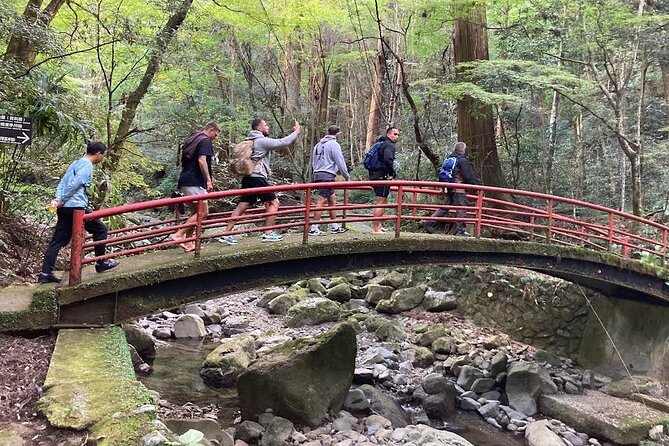
- Guided mountain walk: the hike runs with your guide through forest used for Yamabushi training
- Onsen payoff: two pool options, including an open-air bath with a view of a mountain stream
- A real morning start: meet at Izumisano Station at 8:45 am and use the included bus ride
- 2026 onsen workaround: Inunaki Hot Spring Fudouguchikan closes from Apr 24 to Sep 30, 2026
Why Mt. Inunaki and the Goma fire ritual feel different from a typical day tour
Most Osaka-area tours give you a highlight and a gift shop stop. This one does something rarer, it builds time around a mountain practice. You hike up through a sacred area associated with Shugen-do, then you take part in the Goma prayer at Shipporyuji Temple.
What I like is the balance of body and mind. Your legs warm up on the way to the temple, then the ceremony shifts the mood into quiet attention. Even if you know nothing about Japanese mountain asceticism, your guide helps translate what you’re seeing into something that makes sense.
The other smart part is how the day ends. Instead of ending with a bus ride and a shrug, you soak in hot springs at the mountain entrance ryokan facility. That puts a clean period at the end of the experience.
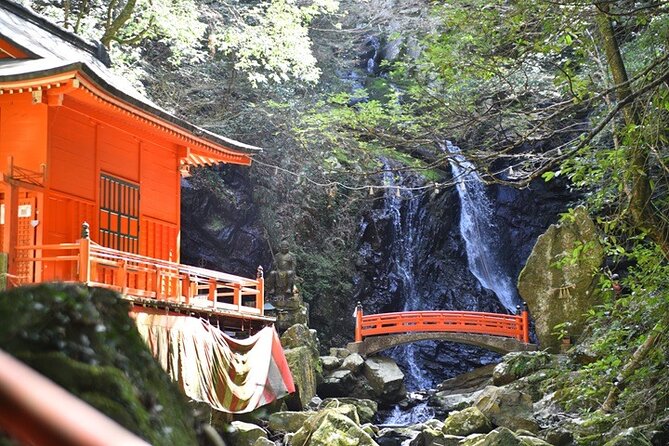
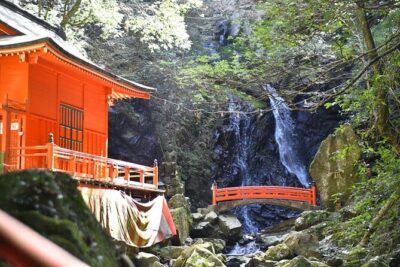
Trees and waterfalls, half an hour out
Getting to Mt. Inunaki from Izumisano Station, and how the day stays organized
You meet at Izumisano Station (3-chōme-11-41 Uemachi, Izumisano, Osaka) at 8:45 am. The tour includes a public bus ticket between Izumisano Station and Mt. Inunaki, so you’re not scrambling to figure out the timing while your morning is still fuzzy.
The schedule is built around a slow, realistic flow. You have a hike segment first, then temple time, then onsen bathing. The whole thing runs about 7 hours, which is long enough to feel complete but short enough to keep your day from turning into a travel slog.
Also, this is a private group setup, meaning you’re with only your group. That tends to make questions easier, especially when your guide is explaining what the ritual and the mountain practice mean.
The hike into Inunakisan: sacred mountain walking through Yamabushi training forest
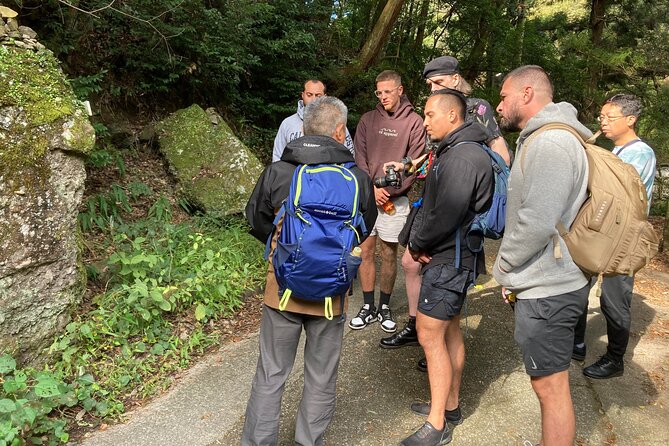
Mt. Inunaki is regarded as one of the oldest sacred mountains in Japan. Your start focuses on reaching Inunakisan, and you’re on the move through forest that has served as a training base for Yamabushi, Buddhist mountain ascetics connected to Shugen-do practice.
This matters because it changes how you experience the forest. You’re not just taking a nature walk, you’re moving through a place with a spiritual training function. When your guide points things out, it can turn ordinary trees and paths into clues you can actually read.
How hard it feels will depend on your pace and the day’s conditions, but the tour notes that most travelers can participate. In practice, what helps is the way the hike is structured and paced with time to breathe, look around, and keep moving without rushing.
If you want a real comfort edge, plan for weather. One helpful tip from past participants is to come ready for humid conditions, with a towel, hat, sunglasses, and bug spray. If bugs bother you, bringing a net can make the walk much more pleasant.
Shiporyuji Temple Hondō and the Goma prayer: what to expect and why timing matters
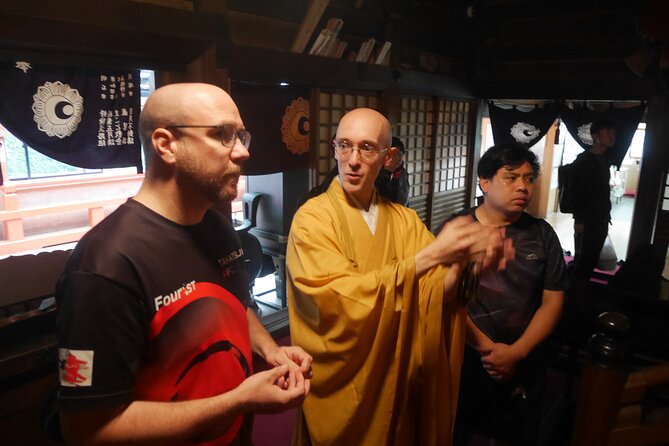
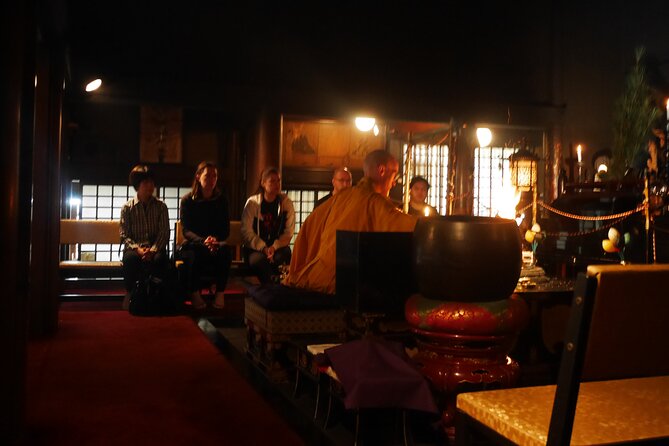
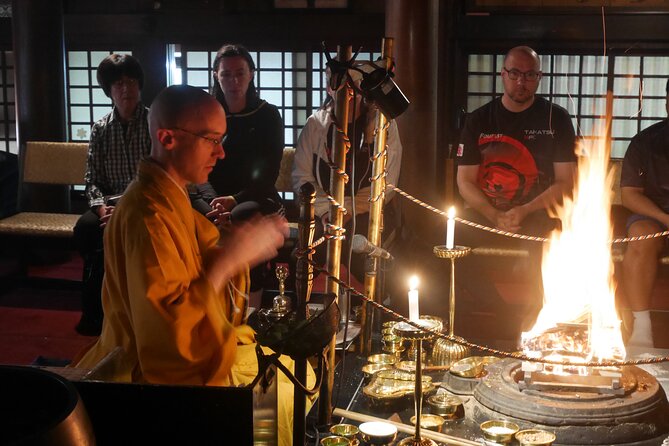
At Shipporyuji Temple Hondō, you visit the temple and take part in the Goma ceremony. Goma comes from Sanskrit and basically means to burn, and the ritual idea is that fire burns away defilement. Your guide frames this within Shugen-do mountain asceticism, so the ceremony feels less like a show and more like a practice with meaning.
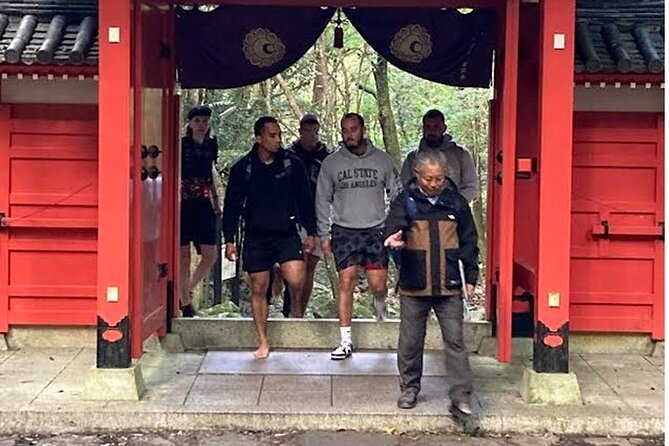
The key moment is your entrance timing. You should enter the main hall about 15 minutes before the Goma prayer starts. This isn’t just a polite instruction, it helps you avoid stress and lets you settle in enough to follow what’s happening.
What you’ll take away most is the feeling of ceremony structure. You’re guided into the right space, you understand the purpose of the ritual, and then you experience it as part of the mountain religious tradition. Past groups have highlighted how meaningful and peaceful this spiritual moment can be, especially when your guide explains the background in clear English.
If your group is led by guides like Ryusuke or Yuko, you may get extra detail about what you’re seeing, including explanations connected to local nature and the training setting of Yamabushi. That style of interpretation tends to be what makes the ceremony click for visitors.
Inunaki Hot Springs at the ryokan entrance: soaking, views, and the 2026 closure plan
After the temple, you head to Inunakiyama Onsen Fudouguchikan at the entrance of Mt. Inunaki. This is where the day turns from “active” to “reset.”
You get options. You can choose between two types of hot spring pools, including an open-air bath with a view of a mountain stream. The open-air part is often the best payoff because steam plus sound of flowing water can feel like a full-body exhale.
Important heads-up for planning: Inunakionsen Fudouguchikan will be temporarily closed for renovation from April 24 to September 30, 2026. During that time, guests use the hot spring facilities at Minamitei instead. If you’re traveling during those months, you’ll still get the onsen finish, but it won’t be at the exact same building.
Meals on the mountain: plan a light lunch and keep the day easy
One thing I really appreciate is that the tour is honest about food. There’s no place to provide lunch on this mountain route. That means you should bring a light meal.
A practical move: there’s a Seven-Eleven at Izumisano Station, and it’s a handy place to grab a bento or simple snacks before you start. Some groups also build a small lunch moment during the hike or before continuing upward, so having something you can eat without fuss pays off.
What to aim for is “light and snackable.” You’ll want energy for walking, but you don’t want a heavy meal that makes you feel sluggish in humid weather.
What to bring for comfort on a forest hike and onsen finish
This isn’t a gear-heavy tour, but a few items make the day smoother:
- Sun and heat protection: towel, hat, and sunglasses are useful in humid months
- Bug control: bug spray helps; consider a net if you get bothered easily
- A light meal: since lunch isn’t provided, pack what you’ll eat easily
- Time your quiet moment: arrive on time for the Goma prayer so you can settle into the main hall before it starts
For shoes, you might want something with decent grip. You’ll be walking on a mountain path, so comfort matters more than fashion.
For the onsen, bring whatever you normally use for bathing comfort, since the details of supplies aren’t listed here. If you prefer to travel light, at least pack a small towel or quick-dry item.
Who this tour fits best, and when to choose something else
This kind of day works well for people who want more than “temple photo, done.” You’re looking for a calming, spiritual experience that still includes real walking and a relaxing hot-spring end.
It’s also a good fit for different group types. Past visitors have said it works well for singles, couples, and groups of friends. The tour feels structured enough for first-timers, but meaningful enough that it doesn’t feel generic.
You might choose a different option if you want a purely urban sightseeing day with frequent stops and indoor attractions. This is a mountain experience, with walking and ceremony time at the center.
Value check: is $146.59 per person worth it?
At $146.59 per person, you’re paying for a whole package, not just a hike. The included items are the guide fee, the Goma prayer experience, the public bus ticket between Izumisano Station and Mt. Inunaki, and the onsen admission fee.
That added value matters because transportation and entrance fees are usually where day tours quietly add up. Here, you’re also getting guided interpretation. Your guide’s job is not only to lead you safely, but to help you understand what you’re seeing, especially during the ceremony at Shipporyuji Temple.
There’s also a practical booking advantage: mobile ticketing is included, and group discounts are available. Those details can make the trip feel easier to manage once you’re in Japan.
One more practical point: this tour is often booked well in advance (on average about 154 days). If your dates are firm, booking earlier usually saves you from last-minute options that don’t match what you want.
Should you book this Mt. Inunaki trekking and Goma prayer experience?
I’d book it if you want a spiritually grounded day that doesn’t feel rushed. You get forest walking, a temple ceremony timed to be meaningful, and a real onsen soak at the end. The structure makes it easy to show up and participate fully, even if you know little about Shugen-do.
I might skip it if you hate not having lunch provided, or if you’re traveling and can’t plan for weather and bugs. But if you bring a light meal and a bit of sun and bug protection, this can be exactly the kind of Osaka-area experience that makes you feel like you saw a different side of Japan, one with quiet focus and a warm finish.
FAQ
How long is the Mt. Inunaki trek and Goma prayer experience?
The tour runs about 7 hours.
What is included in the $146.59 per person price?
The price includes the guide fee, the Goma prayer experience, a public bus ticket between Izumisano Station and Mt. Inunaki, and onsen admission.
Is lunch provided during the tour?
No. There is no place to provide lunch on this mountain itinerary, so you should prepare a light meal. There is a Seven-Eleven at Izumisano Station, near the meeting spot.
What time do I need to arrive for the Goma prayer inside the main hall?
You should enter the main hall about 15 minutes before the Goma prayer starts.
Is the onsen included, and is it open during 2026 renovations?
Yes, onsen bathing is included. Inunakionsen Fudouguchikan will be temporarily closed for renovation from April 24 to September 30, 2026, and guests will use the hot spring facilities at Minamitei during that period.
Are service animals allowed?
Yes, service animals are allowed.
More Hiking & Trekking in Izumisano
More Tour Reviews in Izumisano



Waterfalls Half an Hour Out
Latest out of Izumisano
Minoh Falls & Katsuo-ji Nature Trips, side by side.
 ★ 4.9Osaka: Minoh, Katsuoji Temple, & Minoh Falls Full-day TourFrom $135172 reviews
 ★ 4.0Katsuo-ji Temple, Arashiyama Forest, & Nara ParkFrom $9137 reviews
 ★ 5.0Minoh Waterfall and nature walk through the Minoh ParkFrom $13829 reviews
 ★ 4.7Osaka: Minoh Waterfall & Katsuo-ji Temple Half-Day TourFrom $4727 reviews
 ★ 5.0Osaka Half-day E-bike Adventure: Minoh Falls & Katsuoji TempleFrom $3425 reviews
 ★ 5.0Nature Walk at Minoo Park, the Best Nature and Waterfall in OsakaFrom $9124 reviews
 ★ 5.0Osaka: Mino Forest Walk and Giant Waterfall with Local LunchFrom $7922 reviews
 ★ 5.0Get to know Minoo from Osaka. Katsuoji Temple, Ryuanji Waterfall and Ryuanji TempleFrom $7616 reviews
Also worth a look in