
REVIEW · SHINSEKAI, TSUTENKAKU & TENNOJI TOURS
Let’s Dance Bon Odori Japanese folk Dance near Tsutenkaku
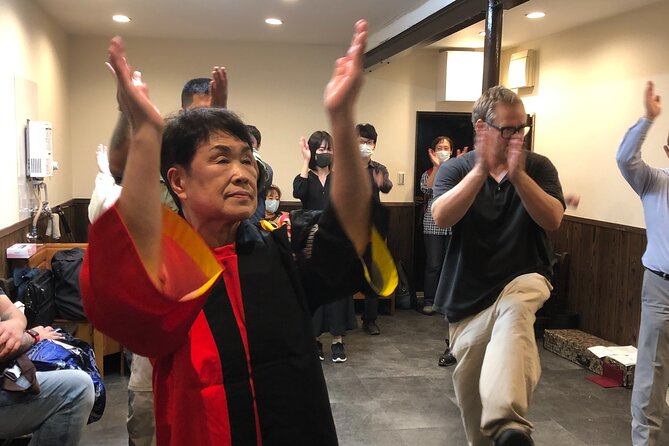
Circle dancing beats sitting still. In Osaka, I love the idea of learning Bon Odori at Ebisu-za, close to the landmark energy of Tsutenkaku, where a samba-like beat makes first-timers feel comfortable fast. It is part dance class, part festival atmosphere, and you get to keep the fun going year-round, not just in summer.
I love that the class is taught in a way that keeps things simple, with a pro showing the moves first and then you practice the basics. Then it opens up so you can dance more freely for the second half. I also like the included drink choice, because it helps you settle in and enjoy the music. One possible drawback: you will be on your feet for about 90 minutes, so wear shoes you can walk and pivot in, especially if your knees are sensitive.
Key things to know before you go
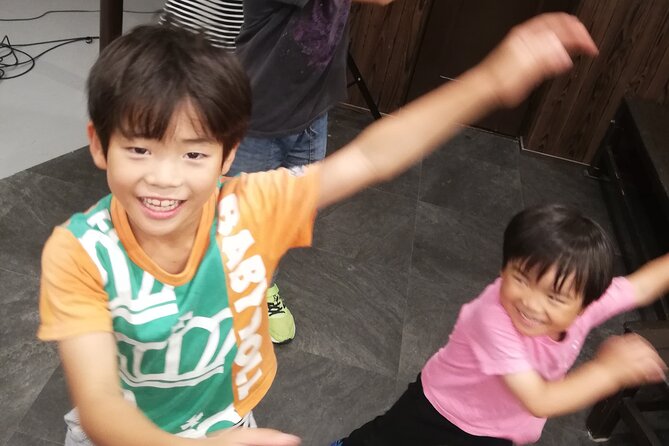
- Pro-led Bon Odori that feels beginner-friendly with basic steps first, then freer dancing
- Live music energy featuring shamisen and taiko during the experience
- A real choice for your included drink, from coffee and tea to water or a canned alcoholic beverage
- Small group size (max 15), so you are not lost in a crowd
- Central Osaka location near Tsutenkaku, with easy nearby food options
- Short sightseeing moments, including stops at Tsutenkaku and Isshinji Temple, before you head back
Bon Odori at Ebisu-za, right by Tsutenkaku
This is the kind of activity that works when you want culture without the pressure of understanding every word on a sign. Bon Odori is a folk dance connected to summer festival season, but this class takes the same spirit and puts it in a studio setting in central Osaka. The rhythm is described as samba-like, which is a big deal. If you have ever clapped along or moved to music without needing choreography, you get what makes this easier than it sounds.
The setting helps too. Ebisu-za is positioned so you are close to Tsutenkaku, and you are not spending your whole evening commuting. That means you can do this as a stand-alone fun plan, or pair it with food and photos in the area afterward. If you like activities that feel local, not staged for tourists, a folk dance lesson checks that box.
Under the tower: more Shinsekai hours
What actually happens during the 90 minutes
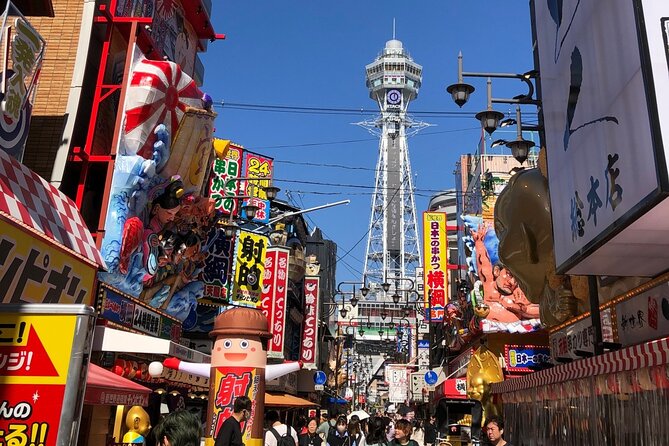
Plan for about 1 hour 30 minutes of hands-on learning. The format is straightforward, which is exactly what you want in a dance class.
First, the instructor demonstrates the Bon Odori. Then you try the basics together, so you are not stuck staring at the floor. The key idea is that Bon Odori has few rules, so once you get the core motion and timing, you can loosen up. In the second half, the class shifts into freer dancing, which is when the whole thing stops feeling like practice and starts feeling like celebration.
I like that the class design supports two different modes at once. If you want to follow along carefully, you can. If you want to just enjoy the beat and get your body moving, you can do that too. That is why it tends to work well for people who have never danced at all.
The live shamisen and taiko effect (and why it matters)
Bon Odori is famous for festival music, and this experience leans into that. You get live shamisen and taiko drums as part of the atmosphere. That makes the rhythm feel physical, not just background sound from a speaker.
In a couple of accounts of the class, the live music was a highlight, with the host’s shamisen skill standing out. There is also a hands-on element with percussion, because at least one participant had a chance to touch the instruments and enjoy that close-up feel. That is a smart touch. When you connect the sound to the instrument, the dance steps make more sense in your body.
If you are someone who enjoys hearing how music drives movement, this is one of the best reasons to pick this particular Bon Odori class. You will not just copy steps, you will dance with the sound.
Tsutenkaku stop: photos, neon vibes, and quick context
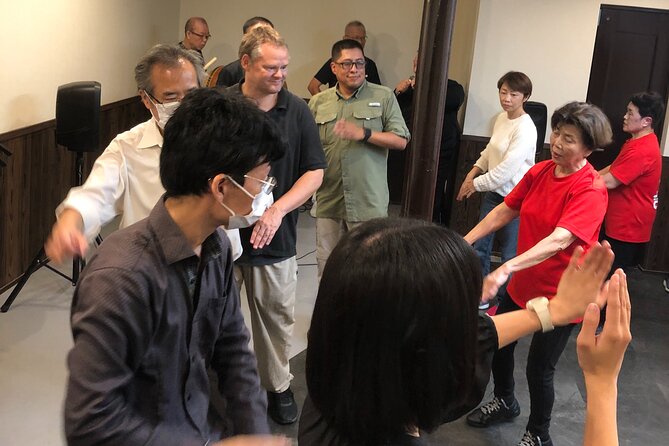
One of the fun parts of doing this near Tsutenkaku is that the area gives you immediate Osaka energy. You will have a stop by Tsutenkaku, a spot that makes an easy photo backdrop and helps anchor the experience in a real sightseeing neighborhood.
A practical tip: go into the Tsutenkaku moment with two mindsets. First, use it for orientation, so you know what area you are in before the class. Second, keep it quick and flexible. Dance classes are easiest when you are not rushing. If you treat Tsutenkaku like a warm-up moment rather than a long detour, you keep your evening relaxed.
If you want snacks later, this area also makes it easy. Around Ebisu-za you can find everyday Osaka favorites like takoyaki, okonomiyaki, and kushikatsu. I like pairing a culture activity with food you can eat with zero planning.
Isshinji Temple stop: a calmer pause
The other sightseeing stop is Isshinji Temple. Even if you are mostly coming for the dance lesson, this adds a balance. You get a break from the bright, street-level Osaka vibe and you can take in a calmer atmosphere before returning to your studio time.
Because the class itself is energetic, I think this temple stop is a good mental reset. It gives you something quiet to notice, even if you only spend a short moment there. Think of it as the contrast that makes the dance feel even more joyful later.

Ebisu-za logistics you will actually care about
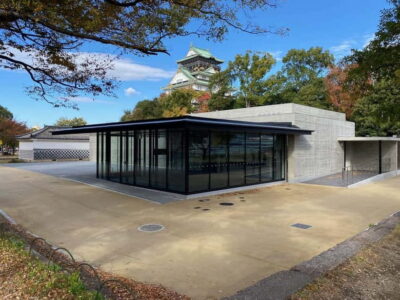
You meet at 1-chōme-3-13 Ebisuhigashi, Naniwa Ward, Osaka, 556-0002, Japan, and the activity ends back at the same meeting point. That matters, because it reduces stress. You do not need to plan a long route to get home right after dancing.
Also, the tour uses a mobile ticket, which is convenient when you are out exploring and do not want extra paperwork. And the studio is described as centrally located, with near public transportation, so you can fit it into a day without turning it into a whole travel project.
Group size is capped at 15 travelers. In dance classes, that usually means you get more attention. It also helps the circle energy work better, because people can actually see each other and move together.
Picking your drink, then letting the rhythm do the rest
The class includes a drink, and you can choose between coffee, tea, water, or a canned alcoholic beverage. This sounds like a small add-on, but it changes the vibe. Coffee or tea makes it feel like a comfortable cultural activity. Water keeps it neutral and easy. If you choose the alcoholic option, it fits the tone of a summer-festival style moment, where people sometimes loosen up and enjoy the music.
One of the practical things I like here is choice. You do not have to commit in advance to one mood. You can choose based on how you want to feel for the class.
And because the dance has few rules, the drink is not required to have fun. It just supports the experience if you want that extra ease.
Who this is best for (and who should rethink it)

This is a good match if you want:
- A hands-on cultural activity you can do without special knowledge
- A class that is friendly to first-timers, because the steps start simple
- A fun group setting, with music that you can feel right away
It is also a nice option for people who like music-based experiences. Live shamisen and taiko are not just there for decoration. They drive the rhythm you dance to.
Who might rethink it? If you have limited mobility or you know your feet get stressed quickly, be cautious. You are on your feet for about 90 minutes. You can still enjoy the class, but you will want to manage expectations and choose supportive shoes. One person’s note about knee pain is a gentle reminder to take care with how big your movements get.
Price and value of $19.60 for dance instruction plus a drink
At $19.60 per person, this is priced like a short, focused activity rather than a big day tour. What makes it good value is what you get bundled in.
You are paying for:
- Professional instruction (not just a playlist and a camera angle)
- A full learning flow, demonstration to basic steps, then freer dancing
- Live shamisen and taiko within the experience
- A choice of included drink
- A small group cap of 15 travelers
When you break it down, it is not only that the price is low. It is that the experience includes elements that usually cost extra elsewhere, like live music and guided teaching. If you are visiting Osaka and want to spend time doing something cultural that is also genuinely fun, this feels like a smart use of time.
Scheduling matters too. The average booking time is about 27 days in advance, so if you want a specific session, plan ahead. Prices like this often sell out for the popular time slots.
Timing, sessions, and how to plan your day
You can choose between early afternoon and evening sessions. I suggest picking based on your overall Osaka plan.
If you are doing nightlife or dinner in the Tsutenkaku area anyway, the evening session is convenient. You can head straight from the dance to food nearby without dragging your energy through a long gap.
If you want to keep your night open for other things, the early afternoon option can be perfect. Dance first, then you have the rest of the day for shopping, sights, or a slower pace.
Duration stays roughly 1 hour 30 minutes, so it is easy to slot into an afternoon plan or an early evening plan.
Practical tips to make the class feel easy
You do not need a dance background for this, but you can make it smoother with a few choices.
Wear comfortable clothing you can move in. Avoid shoes that are too slippery. Since the dance has a circle feel and involves stepping and shifting weight, grip and comfort matter.
Arrive a little early so you can find your way to Ebisu-za without stress. A simple buffer helps you settle before the instructor starts.
If you are nervous, focus on rhythm rather than perfection. The class is designed so you get the basics, then you get to enjoy yourself. That is the whole point.
And if you want to take photos, do it after instructions begin. During the active part, you will enjoy it more if you leave your phone in your pocket and keep your attention on the music and movement.
Should you book this Bon Odori class near Tsutenkaku?
Yes, you should book it if you want a culture experience that is fun right away and does not require prior dance knowledge. The combination of easy learning structure, live shamisen and taiko, a small group cap, and the included drink choice makes it feel like a well-rounded, good-value evening plan.
Skip it only if you strongly prefer passively watching cultural performances, or if standing for about 90 minutes would be difficult for you. If you can move comfortably and you like music-driven experiences, this is the kind of Osaka activity you will remember because you actually participated.
FAQ
How long is the Bon Odori dance class?
It lasts about 1 hour 30 minutes (approx.).
Where does the experience take place?
You meet at 1-chōme-3-13 Ebisuhigashi, Naniwa Ward, Osaka, 556-0002, Japan, at Ebisu-za.
Is there a choice of sessions?
Yes. You can choose sessions in the early afternoon or the evening.
What is included in the price?
The class includes instruction and a drink. Your drink choice can be coffee, tea, water, or a canned alcoholic beverage.
Do I need prior dance experience?
Most travelers can participate, and the class starts with the instructor demonstrating basic steps.
How many people are in the group?
The class has a maximum of 15 travelers.
Is the ticket digital?
Yes, it uses a mobile ticket.
Are there live musical elements?
Yes. The experience includes live shamisen and taiko.
Is it easy to reach using public transportation?
Yes. The meeting point is near public transportation.
What is the cancellation policy?
Free cancellation is available up to 24 hours in advance for a full refund.
Are service animals allowed?
Yes, service animals are allowed.
More Tour Reviews in Osaka



Shinsekai, Three More Ways





Latest out of Osaka


Shinsekai, Tsutenkaku & Tennoji Tours, side by side.
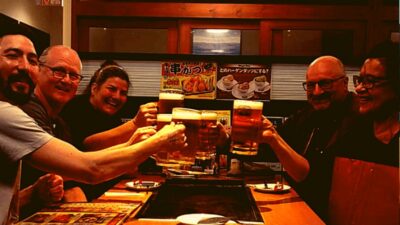 ★ 4.8Osaka: Shinsekai Food Tour with 13-15 Dishes at 5 EateriesFrom $532,204 reviews
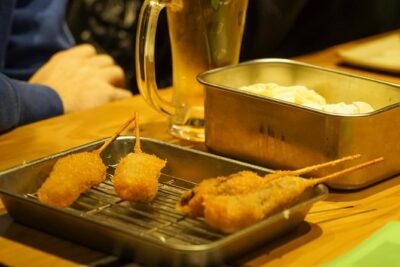 ★ 5.0Osaka Local Foodie Walking Tour in Dotonbori and ShinsekaiFrom $111985 reviews
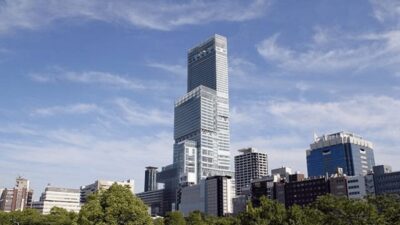 ★ 4.2Osaka: Abeno Harukas 300 Observatory E-TicketFrom $3169 reviews
 ★ 3.8Osaka: Tsutenkaku Tower Entry TicketFrom $8125 reviews
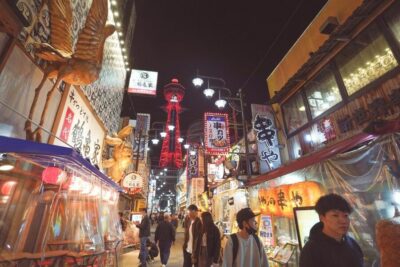 ★ 4.7Osaka: Local Foodie Tour in Dotonbori and ShinsekaiFrom $10895 reviews
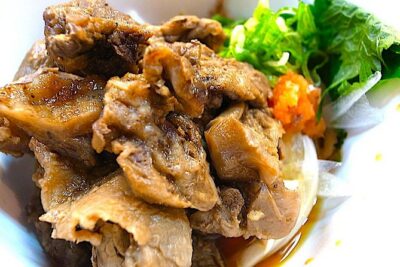 ★ 4.5Retro Osaka Street Food Tour: ShinsekaiFrom $21777 reviews
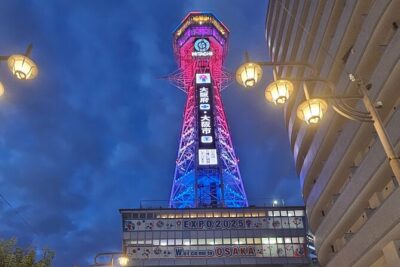 ★ 4.5Osaka: Shinsekai Food Tour – 13 Dishes at 5 Local EateriesFrom $7929 reviews
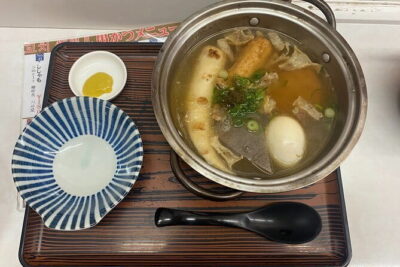 ★ 5.0Night Soul Food Tour in Shinsekai with a local guideFrom $8528 reviews
Also worth a look in