
REVIEW · OSAKA CASTLE PARK TOURS
Learn Zen in a class of making Matcha tea near Osaka Castle
Step through a tea room and time slows. I like how you are treated as equal the moment you enter, and I love the focus on real tea etiquette, not just posing. You also get a kimono experience with matcha and wagashi, plus a photo shoot, but the main drawback is the class is only 1 hour, so you have to keep expectations tight.
At Samurai Honor (Bushi no Homare) you get coached on gestures, manners, and hospitality in the classic chanoyu style. I also appreciate that the explanation is tied to culture, including wabi and sabi ideas and seasonal themes. And if your instructor happens to be Kaori, you may get particularly clear step-by-step guidance.
One more consideration: this is a small, structured experience. You should arrive early to change clothes, and the timing is designed around practice, so plan to follow instructions closely.
Key things that make this matcha class work
- Nijiriguchi equals everyone, so the room feels serious, but fair and friendly.
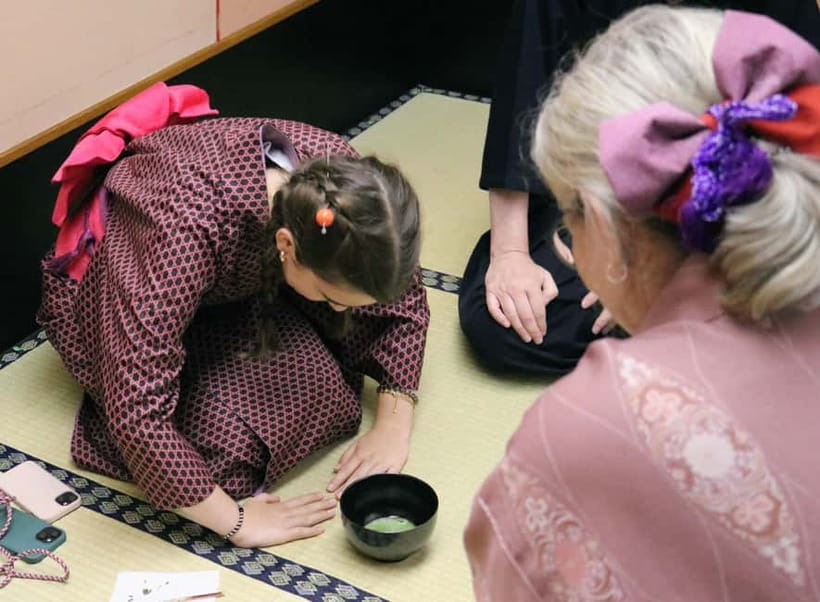
- You learn tea etiquette through doing, including how to sit, bow, serve, and handle the tea.
- Wagashi teaches wabi-sabi and seasonal beauty, not just dessert trivia.
- Kimono styling and photo support help you capture the moment without worrying about timing.
- Small group limits the rush, with a practical instructor-to-student feel (max 6).
Start at Samurai Honor, close to Osaka Castle
This class takes place at a venue called Samurai Honor, under the brand Bushi no Homare. It is in Osaka, at Excellence Takayama 1F, 2-3-19 Shiginonishi, Joto-ku, Osaka-shi, Osaka 536-0014.
Finding it is usually straightforward if you use the Google Maps link provided, because the Apple Maps address can be incorrect. Your best meeting landmark is a wooden sign that reads Honor of the Samurai. It is a rack outside the place with activity pamphlets, and you may also spot kimonos and hakama hanging up to dry.
Practical tip: plan to arrive 30 minutes early. That buffer is not optional, it is how you get instructions and time to change into your outfit without panic. A little early time also keeps the whole experience calm, which is part of the point of tea culture.
Other ways up the keep
Kimono change, samurai guest role, then into the tea room
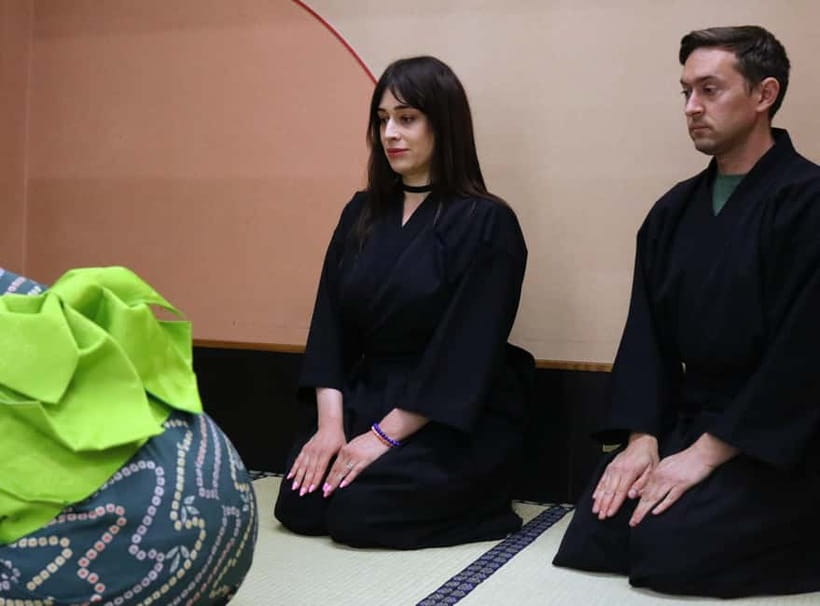
Before tea starts, you switch into traditional clothes. The activity is built around role-play, but it is respectful, not silly.
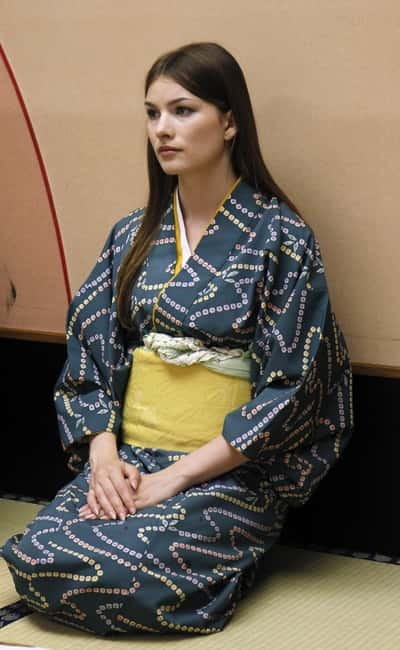
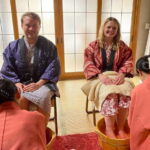
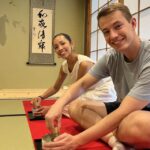
Men typically wear hakama and dogi, then take the samurai guest role. Women typically wear kimono and step into the Yamato Nadeshiko role. Either way, the hostess leads the flow and keeps things moving with traditional manners.
Here is the moment you will remember: when you pass through the nijiriguchi, the entrance to the tea ceremony room, everyone is treated as equal. That is not just a nice idea printed on a brochure. It is part of the ritual structure of chanoyu, where status disappears and you all practice the same actions in the same space.
If you like photos, this is also when the experience “locks in.” You are in your outfit, your hair is being styled to match your kimono (and the experience lists collected hair plus kanzashi as not included, so ask what is covered for your exact package), and the room is ready for the ceremony.
Learning chanoyu etiquette with your hands, not just your eyes
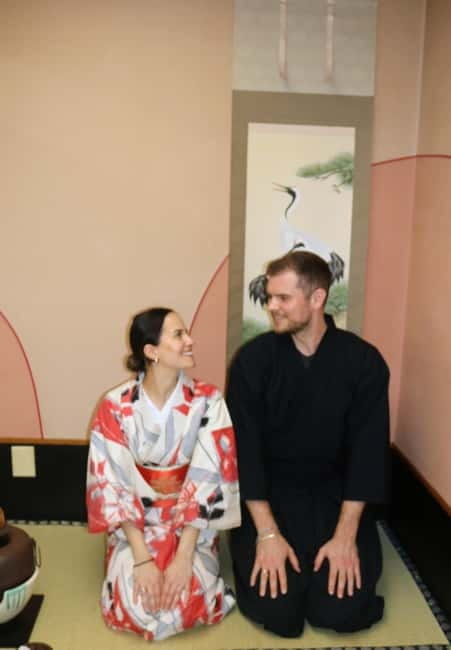
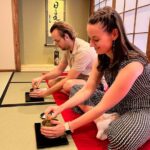
This is a hands-on matcha class, guided by a certified professional instructor with English support available. The group is small, up to 6 participants, so you are not stuck watching from the back row.
You will be taught tea ceremony etiquette step by step, including the practical mechanics: how to sit, how to bow, how to stand, how to walk, and how to handle the motions during service. The goal is not perfection in one hour. The goal is to understand the hospitality rhythm that chanoyu is built on.
The ceremony is described as a two-way street. In other words, the host does their part, but the guests also respond. That is why they keep pushing you to practice gestures and attention, not just listen to facts.
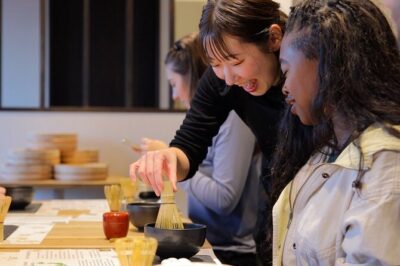
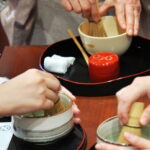
Then the instructor (the tea master) serves matcha and teaches how the tea moment works. You are not only drinking. You learn how matcha is prepared and how the serving interaction is supposed to feel, calm and intentional.
Matcha prep and serving, where the rules suddenly make sense
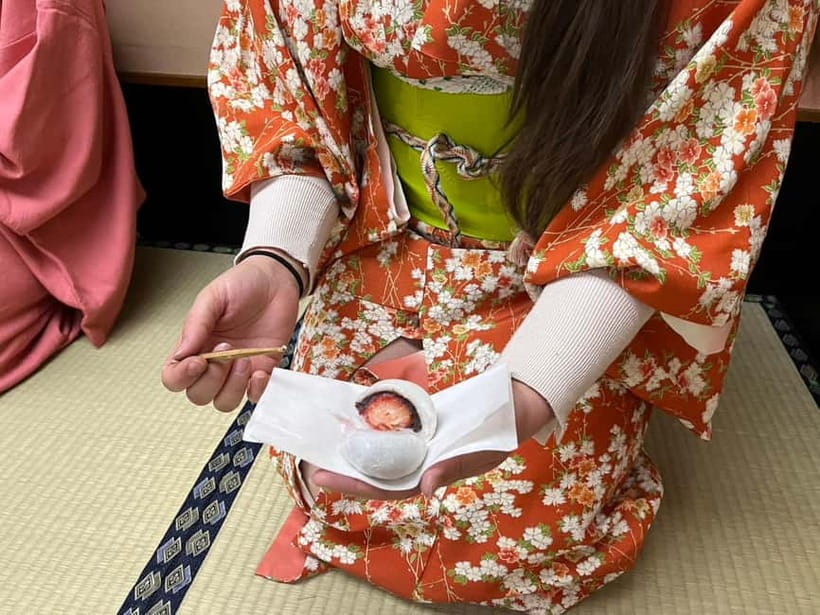
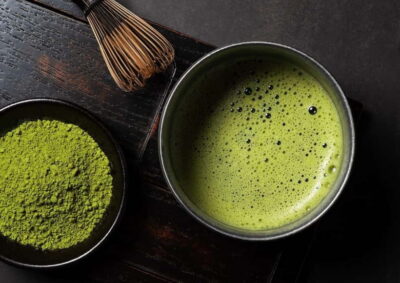
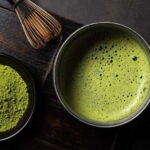
The included portion focuses on the classic matcha experience: matcha powder, preparation, and service. You start as a guest, then you learn how to perform the actions that make tea feel like tea, not just a drink.
Because the duration is only 1 hour, your best approach is to move with the group and ask questions immediately when something feels unclear. The instruction style is meant for understanding historical and cultural context along with etiquette. One recent highlight was an instructor explaining the preparation process step by step, so you are not guessing what happens next.
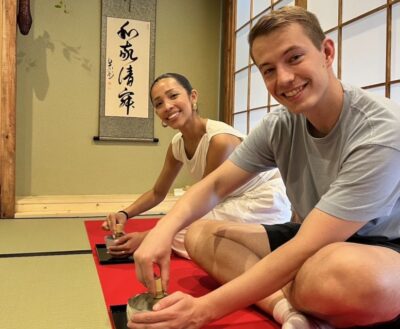
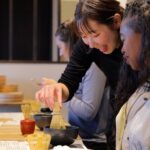
Also, expect a small amount of role swapping. In some sessions, you may even prepare tea for each other. That matters because it turns etiquette into something you can feel in your body, like how you move your hands and where your attention goes.
Wagashi: the four seasons lesson you can taste
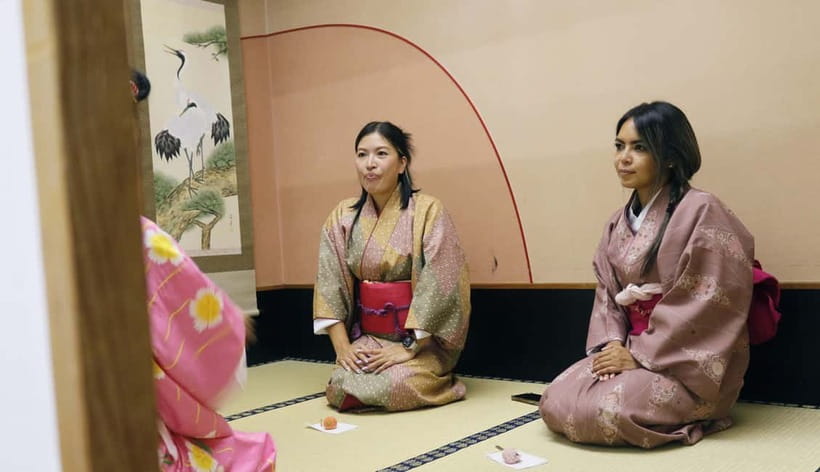
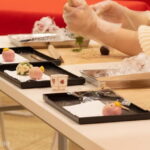
Wagashi is included, and it is not treated as an afterthought. The ceremony connects sweets to aesthetics and meaning, especially wabi and sabi.
Wagashi developed alongside the tea ceremony in the Kamakura period, and the idea is that Japanese seasonal appreciation is built into the sweets. They often look like tiny artworks, with colorful designs and careful handmade workmanship. The teaching angle here is that you learn how Japanese culture expresses the seasons through food.
You will hear how wagashi links to wabi and sabi concepts. You will also learn that wagashi expresses the four seasons and uses seasonal elements in a structured way. Even if the finer details do not land perfectly in your first try, the overall effect is clear: you start noticing shape, color, and seasonal cues instead of treating sweets as just sweet.
One practical note: wagashi looks good enough to pause. So give yourself a few seconds before the first bite. This part is built for attention.
Quieter hours: more tea rooms
Photos in kimono: what is included and how to get the most out of it
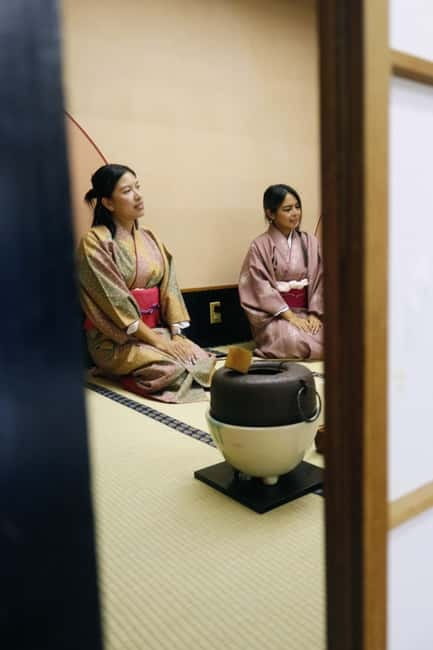
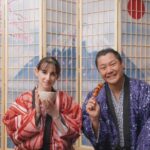
Photo shooting is included, with the promise that you will receive the photo data by email. That is a big value point because it turns your kimono session from a “try it and hope you look okay” moment into an actual photo deliverable.
Outdoor photo shoots and extra photo options are listed as paid or not included. That does not mean you will not get great pictures indoors. It means you should manage expectations: this is a ceremony-focused experience, and the photo support is designed to fit the schedule.
If you care about photos, think about your timing. You will likely have photo moments during the outfit and hair stage, and possibly around the ceremony flow. Arrive early and stay attentive to the instructor cues, and you will get more good shots without disrupting the ritual.
Price and value: what $40 really covers
At about $40 per person for a 1-hour experience, this is not a budget “grab a drink” activity. But for Osaka, it offers real value because the price bundles several things that usually cost extra if purchased separately.
You get:
- Kimono clothing (with styling support)
- English interpreter guide staff
- Matcha and wagashi
- A certified professional instructor
- Tax, tips, and photo shooting with email delivery
Transportation and hotel or station pickup are not included. So your real cost depends on how you get there from where you are staying. The venue is in Osaka, and the meeting landmark is clear, so you can plan a short transit hop rather than paying for an expensive add-on.
My rule of thumb: if you want a genuine etiquette-focused tea ceremony plus kimono photos, this format is a good use of an hour. If you only want to drink matcha without the cultural structure, the price may feel high. But for the “one-hour taste of tea culture” goal, it is a solid deal.
Who this class suits best (and who should skip it)
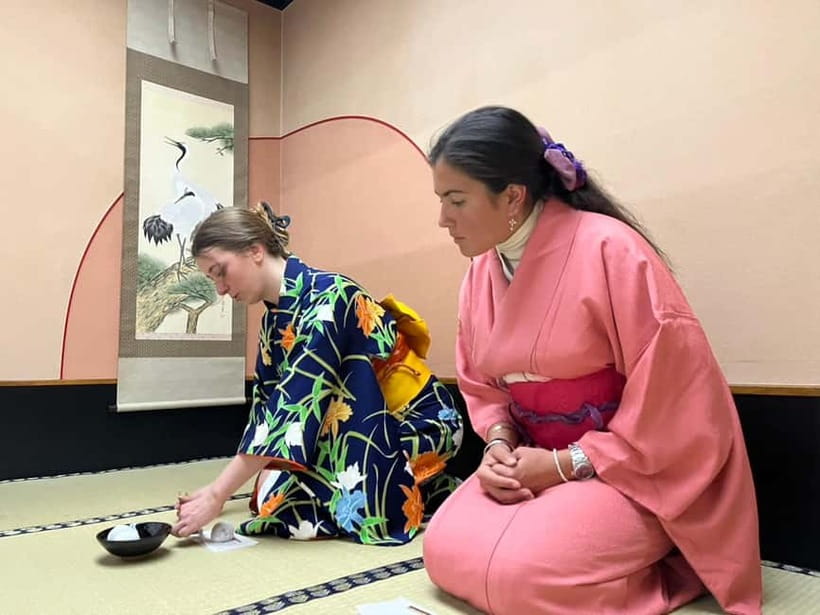
This experience is best for people who want structure and guidance. If you like learning by doing and you enjoy cultural details like wabi-sabi and seasonal design, you will get a lot out of it.
It also fits well for families who can follow instructions. The highlights mention sharing experiences and memories together with children, but the activity is not suitable for children under 10. So it is family-friendly in concept, but the age rule matters.
It is not suitable for people with altitude sickness, and it is also not for people over 95. Those constraints suggest the space and pacing are designed for most travelers, but not for everyone.
Quick practical checklist before you go
You do not need much gear, which is exactly how tea experiences should be.
Bring:
- A t-shirt (what you wear underneath matters for dressing transitions)
Do not bring:
- Pets
- Alcohol and drugs
- Anything involving nudity
Be ready for:
- A 30-minute early arrival for changing and instructions
- A small group flow where you follow cues for sitting, bowing, and serving
If you need a language other than English, the default is English. Other languages can be requested, but staff availability is limited, so ask before you reserve.
Should you book this matcha Zen class near Osaka Castle?
Book it if you want one hour in Osaka that feels like Japan, not just a photo stop. The equal-status ritual through the nijiriguchi, the hands-on matcha prep and etiquette, and the wagashi lessons tied to wabi-sabi and the seasons are the core reasons to choose this.
Skip it if your goal is purely a casual drink and you hate structured rules. Also skip if you cannot arrive early for changing, because the schedule is built around that time.
If you are staying near Osaka Castle and you want a short, high-value cultural experience, this is a smart pick. It is small group, English support is available, you get kimono, you make matcha, and you leave with photos that actually show what you did.
FAQ
Where is the tea ceremony held?
The experience is at Samurai Honor (Bushi no Homare) in Osaka, Excellence Takayama 1F, 2-3-19 Shiginonishi, Joto-ku, Osaka-shi, Osaka 536-0014. The meeting landmark is a wooden sign reading Honor of the Samurai.
What is the duration of the matcha class?
The experience lasts 1 hour.
What does the price include?
It includes kimono clothing, English interpreter guide staff, matcha, wagashi, a certified professional instructor, tax, tips, and photo shooting with the photo data sent by email.
Is transportation or pickup included?
No. Pick up and drop off at the train station or hotel is not included, and transportation is not included.
What languages are available?
The default language is English. English and Japanese are listed as available languages, and other languages may be requested but depend on staff schedules.
What should I wear or bring?
Bring a t-shirt. You will change into traditional clothing as part of the experience.
Do I need to arrive early?
Yes. You should arrive 30 minutes before your reserved time to get instructions and to change clothes.
What is the group size?
It is a small group limited to 6 participants.
Are there any restrictions on who can participate?
It is not suitable for children under 10, people with altitude sickness, and people over 95 years. Pets, alcohol and drugs, and nudity are not allowed.
Slower Mornings in Osaka
More Tea Rooms Worth Booking
Around the Moat: More Castle Days

Latest out of Osaka


Osaka Castle Park Tours, side by side.
 ★ 4.5Osaka Castle: Museum and Tower Entry TicketFrom $72,380 reviews
 ★ 5.0Osaka Castle Walking Tour and Castle Tower AdmissionFrom $23561 reviews
 ★ 5.05-Hour Osaka Bike Tour to the Neighborhood of Osaka CastleFrom $87319 reviews
 ★ 4.7Osaka Castle Guided TourFrom $43249 reviews
 ★ 4.9Osaka: Castle History Walking Tour / Castle Tower AdmissionFrom $33230 reviews
 ★ 4.7Osaka: Osaka Castle Guided Tour with Local GuideFrom $4878 reviews
 ★ 5.0PRIVATE 6hr, Food tour from Osaka Castle, Kuromon, Dotonbori.From $15568 reviews
 ★ 4.5A Tour to Explore the Symbol of Osaka: Osaka CastleFrom $8356 reviews