
REVIEW · KYOTO EXCURSIONS FROM OSAKA
Kyoto One Day Sightseeing Tour from Osaka or Kyoto
Kyoto in one day sounds impossible, then it somehow works. You’ll get a friendly, well-run guide-led route and a smooth air-conditioned bus day built for first-timers, with stops that match the biggest Kyoto hits. In the best reviews, guides like Theodore Chan and Jay are praised for being organized, funny, and genuinely helpful when you’re moving fast.
Here’s what I like most: you see Kyoto’s top “wow” landmarks without needing to figure out train transfers all day, and you get enough time at each area to actually enjoy it. One consideration: the day is packed, and there’s at least one review that suggests the on-site explanation can feel lighter than expected, so if you want a slow, detailed walkthrough at every stop, this route might feel more like efficient sightseeing than deep teaching.
Key things to know before you go
- A guided highlights loop through Nijo Castle, Fushimi Inari, Arashiyama, and Kinkaku-ji in one day
- Air-conditioned transport plus a maximum group size of 45 travelers
- Mobile ticket for easier boarding
- Two paid admissions to budget: Nijo-jo Castle (1,300 yen) and Kinkaku-ji (500 yen)
- Arashiyama in quick hits: bamboo forest, Nonomiya Shrine, Kimono Forest, and Togetsukyo Bridge
- Flexible start point: depart from Osaka or Kyoto
The real appeal: a Kyoto sampler that saves your energy
If you’re basing yourself in Osaka, this type of Kyoto one-day tour is a practical lifesaver. You get a full day in Kyoto, but you don’t spend that day wrestling with schedules, ticket machines, and “which station is closest?” questions. The route is built around big icons, so it’s a strong choice when your Kyoto time is limited.
Also, the structure matters. You’re not just “going to places,” you’re going to places in an order that makes sense for a single-day flow: castle first, shrine gates next, Arashiyama after, then the Golden Pavilion near the end. In a day this short, that sequencing helps you avoid ending the trip exhausted and still hungry for the highlights.
That said, you should know what kind of day you’re signing up for. This is about coverage. You’ll spend time outside, walking between spots, and getting to windows of time to see each place. If you like lounging, long museum-style stays, or quiet corners without crowds, you may find the pace a little intense.
Other Kyoto days, compared
Price and logistics: $65 plus two temple fees
Let’s talk value in plain terms. The tour price is $65 per person, and you also need to budget admissions for two key sites that are not included:
- Nijo-jo Castle plus Ninomaru Goten Palace: 1,300 yen
- Kinkaku-ji (Golden Pavilion): 500 yen
Everything else listed on the schedule is marked as free, including Senbon Torii and the Arashiyama stops like the bamboo forest, Nonomiya Shrine, Kimono Forest, and Togetsukyo Bridge.
So is $65 “worth it”? For many people, yes, because you’re paying for more than transport. You’re paying for someone to manage the timing, get you to the right places, and keep the day moving so you can spend your time actually looking, not planning. On top of that, the bus includes air-conditioning, which is a real comfort factor in Japan’s warmer seasons.
If you already plan to ride trains yourself and you’re the kind of traveler who loves creating your own exact route, then you might get a cheaper day on your own. But you’ll still spend time figuring out connections and ordering your own ticket logistics. In other words, this price often buys convenience.
Riding from Osaka or Kyoto: why the bus part matters
This tour runs about 9 hours and uses an air-conditioned vehicle, which is a big deal when your feet and patience both need saving. The bus also keeps everyone together, with a guide handling the flow of arrivals and departures.
Group size is capped at 45 travelers, which usually helps keep it organized. Smaller groups also tend to make it easier for a guide to check in and regroup. In the positive reviews, guides are praised for being organized and keeping things running smoothly. One review even highlights advance seating information (like a spreadsheet with bus seat numbers), which is the kind of small detail that reduces stress.
One practical tip: pack for a long day. Even if most walking is concentrated around specific stops, you’ll still be moving through Kyoto’s core sights. Comfortable shoes are non-negotiable for this kind of itinerary.
Nijo-jo Castle: start with power, architecture, and UNESCO status
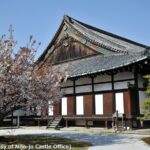
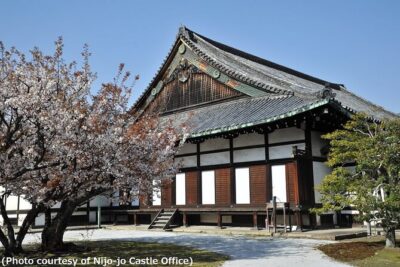
Your day begins at Nijo Castle (Nijo-jo Castle), built in 1603 as the Kyoto residence of Tokugawa Ieyasu, the first shogun of the Edo Period (1603 to 1868). This is one of Kyoto’s biggest “history on purpose” stops because it’s not just a pretty structure. The palace buildings are among the best surviving examples of Japan’s feudal castle palace architecture, and the site is designated a UNESCO World Heritage location (since 1994).
You’ll have about 1 hour here, and the admission is not included (1,300 yen). That time window is enough to see the major areas without feeling like you missed the point. But it’s also short enough that you should go in with an attitude of focus. If you wander off looking at every detail, the hour can slip by.
My advice: before you arrive, decide what you want most from the castle visit. If you’re after the “wow architecture” look, spend your time looking up and around. If you’re more into the context, keep an eye out for interpretive points the guide mentions. Either way, don’t plan to treat this like a half-day museum stop.
Senbon Torii at Fushimi Inari: the walking moment you’ll remember
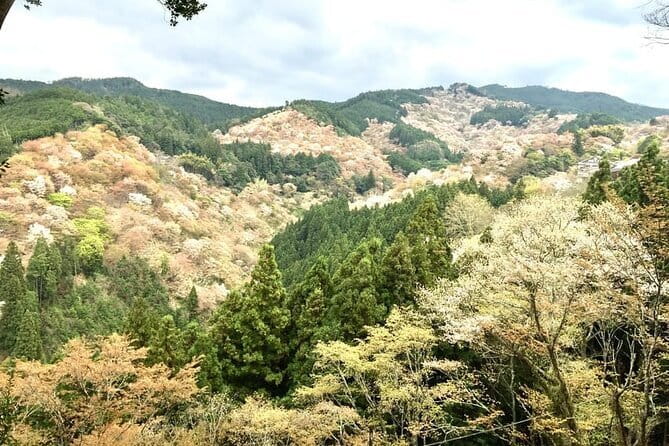
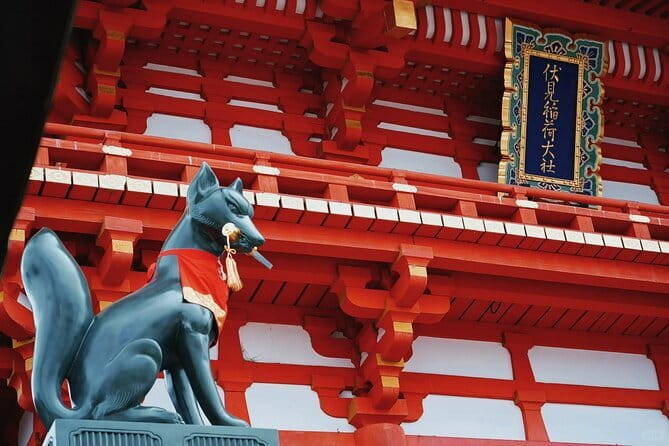
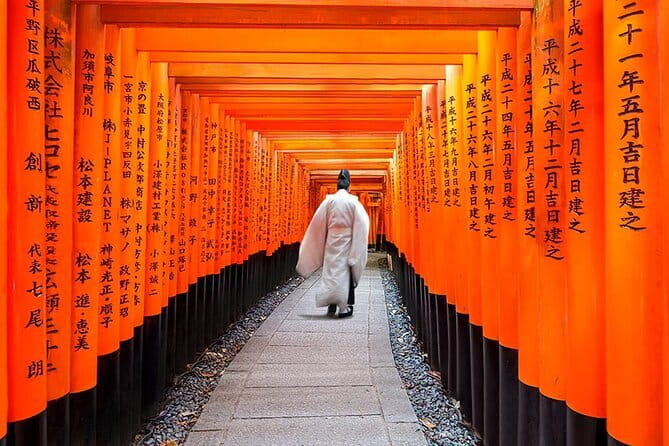
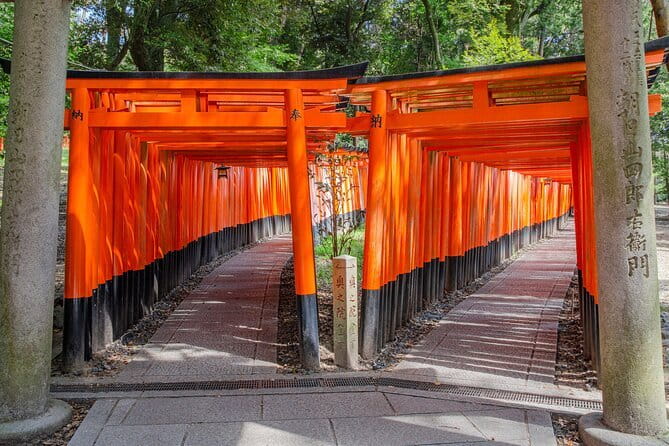
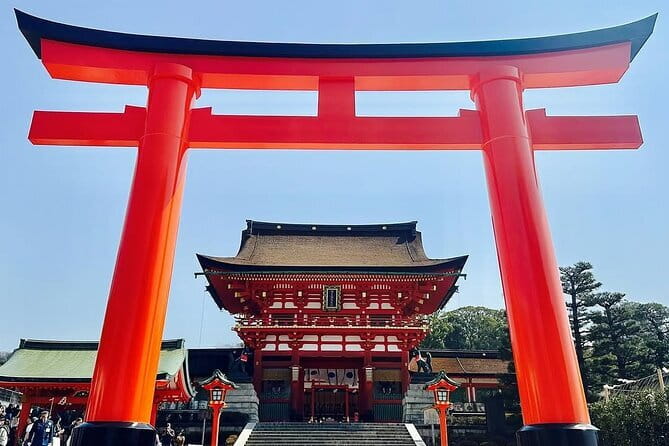
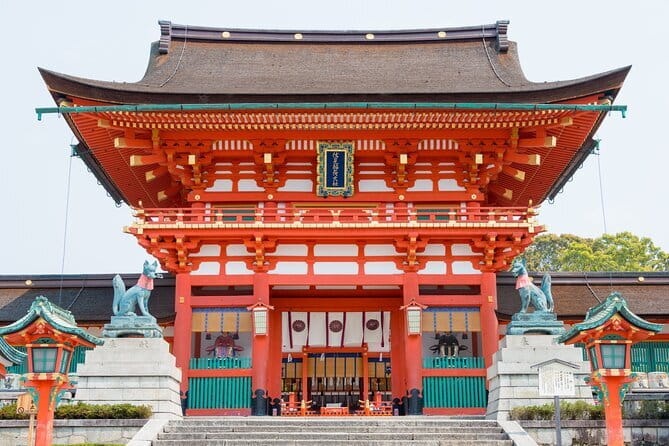
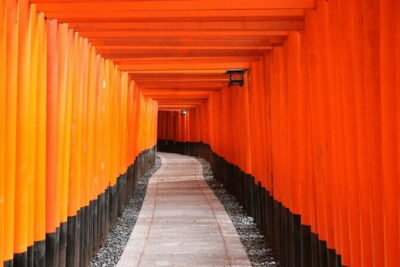
Then you move to Senbon Torii, the famous “thousand torii gates” area. This connects to the broader Fushimi Inari story: there are around 30,000 Inari shrines in Japan, and Fushimi Inari Taisha is the head shrine, dedicated to Inari, the Shinto god associated with rice. The gates you’ll see are the real star, thousands of vermilion red torii gates that form repeating paths you can walk through.
You get about 1 hour 10 minutes, and admission here is free. That’s a great amount of time for this stop because the experience is very physical and rhythmic. You’re walking through, looking at the gates, then looking back, then walking again. It’s not one photo and done. It’s a slow procession of perspectives.
One consideration: the longer you stay in one line of gates, the more you’ll feel the “still walking” part. That’s not bad, just be intentional. If you want the full effect, plan to walk a decent chunk of it. If you’d rather conserve energy for Arashiyama and Kinkaku-ji, you can enjoy the atmosphere without pushing too far.
Set this against a few other Osaka bookings:


Arashiyama in quick, well-chosen segments
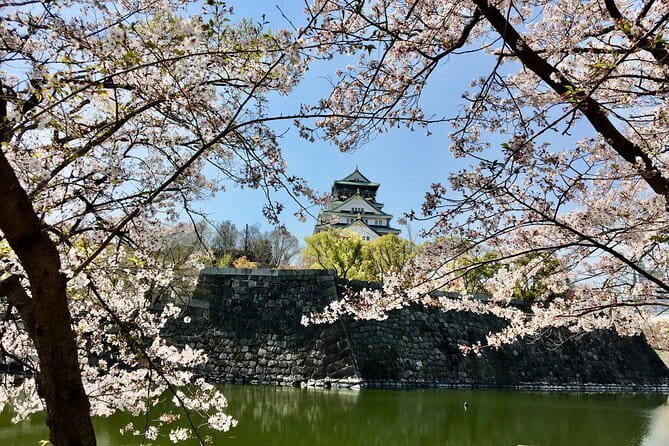
Arashiyama is where the tour shifts from “big structures” to “big scenery.” You’ll spend time in the Arashiyama area for about 20 minutes, which helps you get oriented in this western Kyoto district known for natural beauty, historic sites, and scenic attractions going back to the Heian period.
The main attraction flow goes like this:
- Arashiyama area (20 minutes, free)
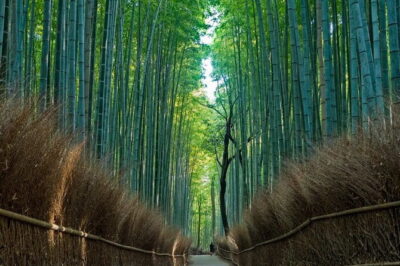
- Arashiyama Bamboo Forest (40 minutes, free)
- Nonomiya Shrine (20 minutes, free)
- Arashiyama Kimono Forest (20 minutes, free)
- Togetsukyo Bridge (20 minutes, free)
Here’s why this split works. Each stop has a distinct vibe, and the short time makes it feel like you’re collecting different Arashiyama moods instead of getting stuck in only one.
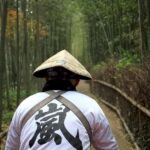
Bamboo Forest: 40 minutes of quiet that you have to earn
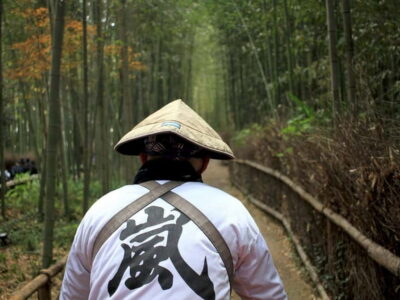
The Arashiyama Bamboo Forest is famous because it’s instantly recognizable. You’ll see towering bamboo stalks and a serene atmosphere, and you’ll get about 40 minutes to experience it. This is enough time to do more than just snap a picture, but it’s still short enough that you’ll want to be ready to move.
A practical point: bring a “camera plus patience” mindset. This place is visually repetitive in the best way, but it can also feel crowded if you stop for too long in one spot. Keep walking slowly, then pause briefly, then walk again.
Nonomiya Shrine: the black torii break from the usual red
Next is Nonomiya Shrine, known for its distinctive black torii gate. It’s a nice change of pace because it’s different from the standard vermilion gate color you might expect in shrine areas. You’ll have about 20 minutes, and admission is free.
This short stop is a good reminder: Kyoto’s magic is often in the small details. A different color gate sounds minor, but when you only have one day, it helps you remember the shrine as its own moment, not just another waypoint.
Kimono Forest: a modern art installation with a photo payoff
Then you’ll see the Arashiyama Kimono Forest, which is an art installation made from 600 clear acrylic cylinders, each standing 2 meters tall, covered with vibrant kimono fabrics and patterns. This is one of those spots that’s equal parts art, costume-inspired design, and social-media-friendly scene.
You’ll get about 20 minutes, and admission is free. It’s best approached with a simple goal: take your photos, walk around to see the different angles, and then move on. If you treat it like a long museum visit, the time window will feel short.
Togetsukyo Bridge: the iconic Kyoto “connective tissue”
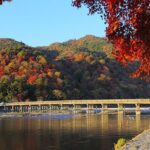
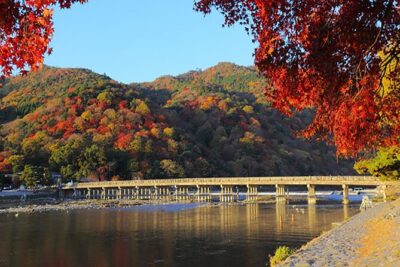
Finally, the tour brings you to Togetsukyo Bridge, the area’s best-known landmark. The bridge was originally built during the Heian period (794 to 1185) and was reconstructed most recently in the 1930s. It crosses the Katsura River, and you’ll have about 20 minutes.
This is your chance to step back and let the whole Arashiyama picture come together. After bamboo, shrines, and art, the bridge gives you a wider view and a sense of place.
Kinkaku-ji Golden Pavilion: the final big icon (and its extra fee)
Your last major highlight is Kinkaku-ji (Golden Pavilion). This Zen Buddhist temple is a UNESCO World Heritage site celebrated for its dazzling golden exterior and serene gardens. You’ll get about 40 minutes, and admission is not included (500 yen).
This stop is the classic Kyoto photo and the classic Kyoto “I can’t believe this is real” moment. The time window is decent, but it goes quickly if you spend all your minutes stuck on one viewpoint.
My practical advice: arrive ready to move. Spend a few minutes at the best angles for the golden exterior, then take time to look at the garden setting. That balance is what makes the pavilion feel more than just a shiny building.
The pacing question: what makes this day feel great, or rushed
This tour gets strong marks for organization and efficiency. Multiple guides named in reviews, including Theodore Chan and Jay, are praised for professionalism, organization, humor, and patience. That matters because a packed itinerary can turn stressful fast if the person leading it isn’t on top of timing.
At the same time, one review notes the tour felt mostly unguided, with less explanation on-site than expected. That tells me you should set expectations correctly:
- You’ll get guidance, but you may not get a long, deep lesson at every single stop.
- The day is designed for getting to and seeing the icons, not for slow one-by-one storytelling.
If you’re the kind of traveler who learns by watching and asking quick questions when opportunities come up, this style can be perfect. If you want a lecture at each location, consider whether you should instead book a smaller, more specialized walking tour in Kyoto.
Who should book this Kyoto one-day tour
I’d put this tour at the top of the list if:
- You have limited time in Japan and want a high hit-rate day trip from Osaka
- You want a guided route and fewer logistics headaches
- You like “big Kyoto moments” in one day, especially castle plus shrine plus Arashiyama plus the Golden Pavilion
You might skip it if:
- You want a slow pace and long stays in fewer places
- You hate paying extra for admissions at major sites
- You prefer learning through deep, site-by-site explanations
Should you book it?
If your goal is to see Kyoto’s signature highlights in a single day, this tour is a solid choice. The $65 price plus the two extra temple fees still often comes out to good value when you factor in guided logistics, air-conditioned transport, and the fact that the rest of the stops are listed as free.
Book it if you like structure and you’re okay with a packed itinerary. Skip it if you want a calm, educational stroll where every detail gets time to breathe. For most first-timers aiming for a greatest-hits Kyoto day, this one hits the mark.
FAQ
How long is the Kyoto one-day sightseeing tour?
The tour is listed as approximately 9 hours.
What does the tour cost?
The price is $65.00 per person.
What is included in the price?
Included features are an air-conditioned vehicle and a guide.
Is lunch included?
No, lunch is not included.
Are tickets included for Nijo Castle and Kinkaku-ji?
No. Nijo Castle and Ninomaru Goten Palace cost 1,300 yen, and Kinkaku-ji costs 500 yen, and these are not included.
Which stops are admission free?
The schedule lists admission as free for Senbon Torii, Arashiyama, the Bamboo Forest, Nonomiya Shrine, Arashiyama Kimono Forest, and Togetsukyo Bridge.
Where does the tour start from?
You can depart from Osaka or Kyoto.
Do I get a mobile ticket?
Yes, the tour offers a mobile ticket.
How large is the group?
The tour has a maximum of 45 travelers.
Is there free cancellation?
Yes. You can cancel up to 24 hours in advance for a full refund.
More Tours in Osaka




More Tour Reviews in Osaka

The Kyoto Shortlist: Other Days East


Latest out of Osaka


Kyoto Excursions from Osaka, side by side.
 ★ 4.7Osaka/Kyoto: Hiroshima Miyajima Bus Tour & Shinkansen TicketFrom $277919 reviews
 ★ 4.5From Kyoto/Osaka: Kyoto Top Highlights 1-Day Guided Bus TourFrom $51714 reviews
 ★ 4.5Ancient Capital Tour: Kyoto and Nara Highlights from Kyoto/OsakaFrom $90332 reviews
 ★ 4.6Osaka/Kyoto: Amanohashidate & Miyama Tour with Boat & LunchFrom $71207 reviews
 ★ 4.0Kyoto and Nara Day Trip from OsakaFrom $198175 reviews
 ★ 3.5From Osaka or Kyoto: Kyoto and Nara 1-Day Bus TourFrom $64141 reviews
 ★ 4.8Volleyball in Osaka, Kobe & Kyoto with locals!From $6131 reviews
 ★ 5.0Full Day Tour of Kyoto with Private TransportationFrom $247130 reviews
Also worth a look in