

REVIEW · KYOTO EXCURSIONS FROM OSAKA
Himeji: Private Guide Tour of the Castle from Osaka or Kyoto
Himeji Castle is history in stone. This private 4-hour day from Kyoto or Osaka is built around the samurai era and the Japanese architecture you actually see, not just a quick photo stop. You ride to Himeji with a guide who helps you connect the route, the region, and what the castle was designed to do.
I love how practical the format is. You get picked up at Kyoto Station or Shin-Osaka Station, and the private guide keeps the pace flexible. I also like the time spent on the main complex, including the keep presented as it was around 1618, plus a focused look at Wanoyagura.
One possible drawback is time pressure. One guest felt the rail journey was longer than expected, which can squeeze time at the castle, so you’ll want to keep your expectations realistic for a 4-hour slot.
Key highlights worth planning around

- Private guide in English, French, or Japanese, so you can ask questions as you walk
- Different transit depending on pickup, Shinkansen from Kyoto/Osaka area, JR local from Shin-Osaka
- Himeji Castle as a living structure, dating from 1346 and presented with a look from 1618
- Wanoyagura included, so you get more than the main keep photo
- You pay key extras on the day, including castle entrance and transit costs
Private guide from Kyoto or Shin-Osaka: where you meet, and why private helps

For me, the biggest value in a private castle outing is control. You are not stuck with a group that moves on autopilot. Your guide can slow down when you want to understand a detail, speed up when you just want the best views and the quickest route through crowds.
Pickup is also pretty clear, which reduces travel stress. If you start at Kyoto Station, you meet at the central entrance. If you start at Shin-Osaka Station, you take a JR local train, and you meet at the concourse after the entrance gates and before the escalators to the platform. That kind of meet-point clarity matters when you are trying to get to the train without burning time wandering around.
The human side is the other half of why this works. In recent feedback, the guide name Mouloud came up for being both friendly and knowledgeable, and for adjusting to the group’s comfort. That is what you want in a history-heavy visit, because castle touring can turn into a lecture unless the guide actively manages pace and attention.
Other Kyoto days, compared
Rail to Himeji and the 4-hour reality check
The tour is timed tightly, so it helps to think of this as a focused “best-of Himeji Castle” experience rather than a leisurely full day. You head out by public transport, then spend your on-foot time where it counts most: the castle complex and its key structures.
From the Osaka or Kyoto side, you use the Shinkansen to get to Himeji. From Shin-Osaka specifically, it is JR local train instead. Either way, you get a guided ride that helps you read the region outside the window, including how the Keihanshin agglomeration shapes the views as you travel.
Here is the practical consideration: transport time plus walking time is the limiting factor in a 4-hour tour. One guest said the train duration felt underestimated and that left too little time for the castle itself. I can’t confirm those exact numbers for every day and starting time, but I do recommend you build in a little buffer in your own expectations. If you are the type who wants to linger in every courtyard, this might feel short.
Also note that the tour focuses on a private group, so you are not sharing guide attention with strangers. That usually improves the value, but it does not change physics. The clock still wins, so your best strategy is to arrive on time, keep your pace, and use the guide to prioritize what you want most.
Himeji Station orientation walk: setting the stage before the castle

Before you reach the main sights, you get a quick introduction around Himeji Station with about a half hour of visiting and guided walking. This is not just “warm-up time.” It is a chance to orient yourself so the castle approach feels logical instead of confusing.
In Japan, station areas can be busy, and directions can vary depending on which exit you use. That first walk with the guide helps you avoid the common trap: arriving at the castle area still figuring out where you should be headed next. Even a short orientation can save stress, especially if your first visit to Himeji is also your first time using local train connections.
This is also where your guide’s storytelling can land well. You move from city transit to feudal-era architecture, and you start noticing the castle grounds as a deliberate defensive space rather than a random set of buildings. That mindset shift matters once you start looking at rooflines, gates, and the way movement is channeled through the compound.
Himeji Castle itself: the keep, the 1618 look, and why this fortress still feels real

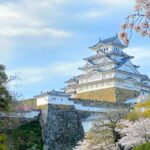
This is the heart of the day: Himeji Castle, widely recognized as one of the 12 castles still intact and authentic in Japan. You are looking at a site that dates back to 1346, and the guide frames it as a symbol of Japan’s feudal past. Even if you have seen castles elsewhere, Himeji tends to feel different because the complex is designed like a working system of defense.
The tour time inside the castle complex is about 1.5 hours, which means you will not see everything in the deepest detail, but you will hit the most meaningful highlights with context. The guide is positioned to connect the architecture to what people needed back then: protection, control of access, and the ability to project power.
One specific thing I like about this tour approach is that it focuses your attention on the keep as it was presented around 1618. That timing helps you understand the castle not as a vague medieval relic, but as something shaped by later eras and political realities. You start noticing details in the way the keep and surrounding structures work together, rather than treating the main tower as a lone attraction.
You also get a “Samurai and Princess Castle” angle. I would treat that as a doorway into stories and symbolism rather than a guarantee of one single legend. Your guide can connect the human side to the architecture, so you are not only reading plaques. If you enjoy understanding how stories and politics shaped what people built, this part can feel especially satisfying.
A final practical note: castles are made for walking and climbing, and routes inside can involve stairs and uneven surfaces. This tour is not suitable for wheelchair users, and even for able walkers, shoes that handle stone steps help. Plan to wear something comfortable because the experience is a mix of architecture viewing and real footwork.
Wanoyagura: why the second structure matters after the main keep

After the keep, you continue to Wanoyagura for another guided stop and about 1.5 hours of walking and visiting. I like adding this kind of extra building because it prevents the visit from turning into a one-point checklist.
A lot of castle days become a cycle of photo, photo, photo, then you leave. Wanoyagura helps you expand your mental map of how the castle compound functions. It also gives your guide more room to explain defensive design and how different structures supported different roles.
The practical benefit is pacing. If you spend all your time only at the main keep, you often end up rushing at the end. The second major stop gives the visit a second act, and it tends to make the day feel more complete. You leave with a better sense of what the castle is as a system, not just as one iconic view.
In that context, the value of a private guide pops again. You can ask the specific question that came up while looking at the keep, then get a more connected answer when you reach Wanoyagura. That is harder to do on a group tour where everyone is moving at the same pace.
The white keep, other ways there



Price and extras: making sure the math works for your day

The tour is priced at $203 per person for a half-day private guided experience. That price includes guide services and guide fees, but it does not include the two biggest day-of costs: Himeji Castle entrance (around 1,000 JPY per person) and transport (around 2,000 JPY per person).
So is it good value? For me, it comes down to what you value most: time, clarity, and having someone connect dots for you. If you are going on your own, you can absolutely reach Himeji and buy tickets, but you may spend time figuring out routes and turning static signage into a story. Paying for the guide is how you convert those steps into understanding.
Because transport is not included in the listed price, I suggest you budget for it immediately in your planning. A half-day trip can feel good value on paper and then get annoying if you realize the train timing makes the castle time shorter than you hoped. One guest raised concerns that the rail duration felt underestimated, which is exactly why it is worth doing your own quick timing check before you commit.
Still, the guide quality seems to be the strong point. Multiple comments singled out Mouloud as knowledgeable and friendly, and one person specifically praised the way the guide shared experience and handled questions in a warm, attentive way. That kind of guide performance is hard to replace once you are already on-site.
Who this tour suits best (and who should rethink it)

This experience is best for you if you want a structured, story-driven castle visit with a private guide and you prefer public transport without turning the day into a logistics project. It is also a good fit if you care about Japanese history and architecture, and you like having someone explain what you are seeing as you walk between key points.
You should rethink it if you want a very long, slow wander where you can read every sign and spend extra time in each courtyard. The total time is only 4 hours, so the castle visit is necessarily condensed.
You should also rethink it if mobility is a concern. The tour is not suitable for wheelchair users, and you should expect a walking-focused route.
If you are traveling with kids or anyone who gets bored during long indoor explanations, a private format can still work well because you can ask for a different pace. The guide being responsive to comfort, mentioned in feedback, is a helpful clue that the tour can bend to your needs.
Should you book this Himeji Castle private guide tour?

If you want one short day that turns Himeji Castle into a clear story, I think this is a smart booking. The combination of Himeji Castle plus Wanoyagura means you get more than a single-tower visit. And the private guide factor, including English, French, or Japanese support, is where the experience usually earns its keep.
Book it if you can stay flexible about timing and you are comfortable with a walking-heavy, condensed format. Consider alternatives or ask extra questions if you need lots of unstructured time or you are worried about rail timing eating into your sightseeing window.
If you do book, do this: decide ahead of time what you want most, castle defense design, samurai stories, or architecture details. Then use your guide to focus your time where it matters.
FAQ

Where does pickup happen for Kyoto Station?
You meet at the central entrance of Kyoto Station.
Where does pickup happen for Shin-Osaka Station?
You meet at the concourse after the entrance gates and before the escalators to the platform.
Is this tour private?
Yes, it is a private group.
What language options are available for the live guide?
The live guide is available in English, French, and Japanese.
How long is the tour?
The duration is 4 hours.
What costs are not included in the price?
Entrance to Himeji Castle is around 1,000 JPY per person, and transports are around 2,000 JPY per person.
Is Himeji Castle entrance included?
No, the castle entrance is not included.
Is the tour suitable for wheelchair users?
No, it is not suitable for wheelchair users.
What is the cancellation policy?
Free cancellation is available up to 24 hours in advance for a full refund.
More Tour Reviews in Osaka




The White Keep at Himeji




The Kyoto Shortlist: Other Days East


Latest out of Osaka


Kyoto Excursions from Osaka, side by side.
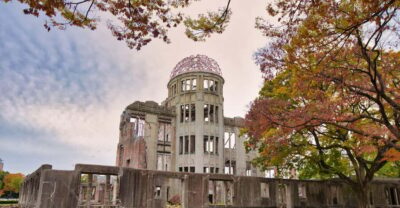 ★ 4.7Osaka/Kyoto: Hiroshima Miyajima Bus Tour & Shinkansen TicketFrom $277919 reviews
 ★ 4.5From Kyoto/Osaka: Kyoto Top Highlights 1-Day Guided Bus TourFrom $51714 reviews
 ★ 4.5Ancient Capital Tour: Kyoto and Nara Highlights from Kyoto/OsakaFrom $90332 reviews
 ★ 4.6Osaka/Kyoto: Amanohashidate & Miyama Tour with Boat & LunchFrom $71207 reviews
 ★ 4.0Kyoto and Nara Day Trip from OsakaFrom $198175 reviews
 ★ 3.5From Osaka or Kyoto: Kyoto and Nara 1-Day Bus TourFrom $64141 reviews
 ★ 4.8Volleyball in Osaka, Kobe & Kyoto with locals!From $6131 reviews
 ★ 5.0Full Day Tour of Kyoto with Private TransportationFrom $247130 reviews
Also worth a look in